



Carved Paw Feet Chairs
Carved paw feet chairs are substantial seating pieces defined by distinctive animalistic supports, offering collectors a striking combination of historical heft and sculptural presence.
Carved Paw Feet Chairs
Carved paw feet chairs draw the eye downward to detailed animal supports that anchor substantial timber frames. When exploring carved paw feet chairs, buyers encounter forms ranging from library armchairs to X-framed stools and window seats.
The selections span periods including the nineteenth century, eighteen hundred, nineteen twenty, Victorian, and Regency eras. Regional interpretations encompass Anglo-Indian, French Empire, Gothic Revival, and nineteenth-century Irish designs.
How they were made
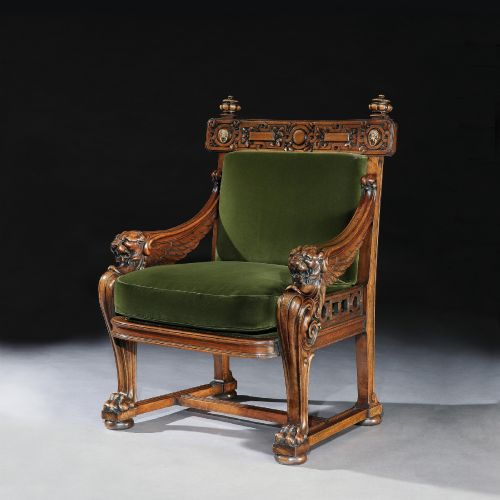
Craftsmen shaped dense hardwoods such as oak, walnut, mahogany, and ebony to support heavy carving work. Structural elements like X-frames required precise joinery to bear weight while displaying animal motifs.
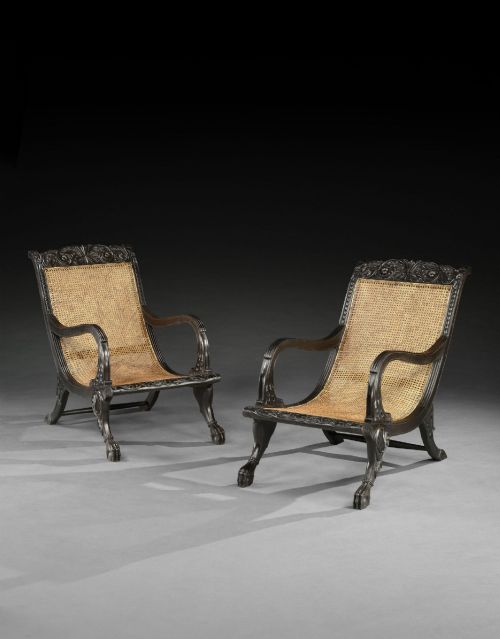
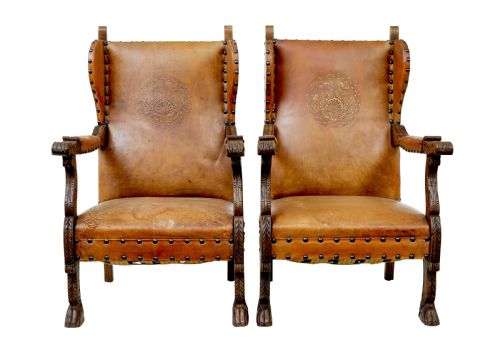
Surface treatments integrated brass hardware, giltwood finishes, embossed leather, cane panels, and upholstery fabric. Artisans applied deep relief carving to render animal paws and monopodia directly into the primary frame timbers.
Carved Paw Feet Chairs Retail Price Guide 2026
Typical asking prices for carved paw feet chairs among the pieces listed under this phrase on Sellingantiques today, from the lower quarter to the upper quarter. They describe what is for sale here now, not the wider market.
A Victorian window stool brings canine character indoors with carved hunting dog heads keeping watch over the floorboards.
What varies in quality
The ambition of the design dictates the overall standing of the piece, moving from standard seating to scholarly interpretations after designers like Thomas Hope. Superior examples demonstrate confident proportion in the transition from frame to foot.
The depth and crispness of the carving separate standard workshop output from exceptional studio commissions. Original surfaces, whether polished mahogany, giltwood, or ebony, hold greater visual integrity than later interventions.
Thomas Hope·George Smith
The Carved Paw Feet Chairs Glossary
- Monopodia
- A support featuring a single animal leg and foot, often terminating in a lion's paw. This ancient form was revived in nineteenth-century neoclassical and Regency furniture.
- Curule stool
- An ancient Roman magistrate's seat form revived in later centuries, typically featuring X-shaped intersecting legs. These stools often incorporate carved terminals at the base.
- Bergere
- An enclosed upholstered armchair with wooden framing exposed around the sides and back. Some nineteenth-century examples incorporate cane panels alongside upholstered elements.
- X-frame
- A structural furniture base formed by intersecting diagonal stretchers or legs. This configuration provides inherent strength for stools and armchairs.
- Giltwood
- Timber that has been coated with a thin layer of gold leaf or gilt finish. It appears on decorative frames and stools from the Regency period.
Carved Paw Feet Chairs: Frequently Asked Questions
What periods do these chairs come from?
The available evidence spans the nineteenth century, eighteen hundred, nineteen twenty, the Regency period, and the Victorian era. These dates encompass revivals such as Gothic Revival and Regency Revival styles.
Craftsmen across these periods utilised traditional hardwoods and applied distinct regional aesthetics, from French Empire to nineteenth-century Irish workshops.
How were these chairs used historically?
Armchairs and library chairs provided comfortable seating for reading and study in formal rooms. Stools and window seats functioned as flexible seating options in reception spaces and galleries.
Many pieces served as focal points in grand interiors, designed to reflect the classical taste or scholarly interests of the owner through motifs like lion monopodia and hunting dog heads.
What woods were used for the frames?
Workshops utilised dense and durable timbers including oak, walnut, mahogany, and ebony. Giltwood also appears on decorative seating pieces from the Regency era.
These woods provided the necessary structural strength for deep carving work on legs, arms, and paw feet.
How do I identify a Regency style chair?
Regency pieces often reflect classical antiquity through specific forms, such as open arm library chairs and gilt curule stools. They frequently draw upon the design vocabulary associated with figures like George Smith and Thomas Hope.
The use of mahogany and precise carved detailing serves as a hallmark of this stylistic group.
What upholstery materials appear on these chairs?
Surviving examples feature upholstery fabric, embossed leather, and cane panels. Some pieces combine exposed polished wood frames with woven cane work on the backrests and seats.
Embossed leather is particularly associated with nineteenth-century oak armchairs.