


19th Century Entry Table
A 19th century entry table welcomes guests with solid craftsmanship, offering a practical surface for hall essentials while setting a refined tone for the home.
19th Century Entry Table
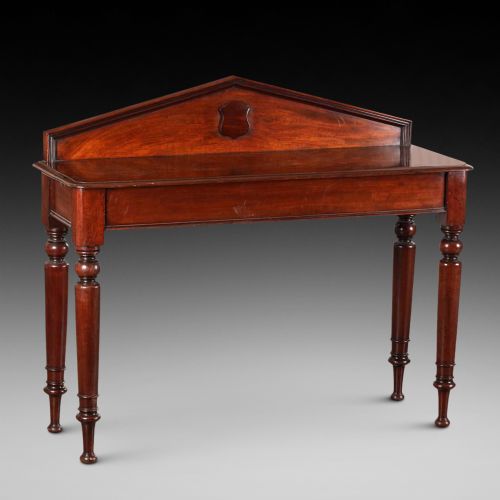
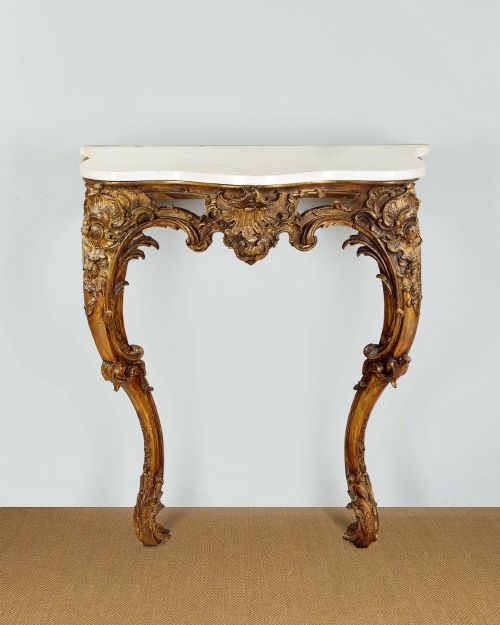
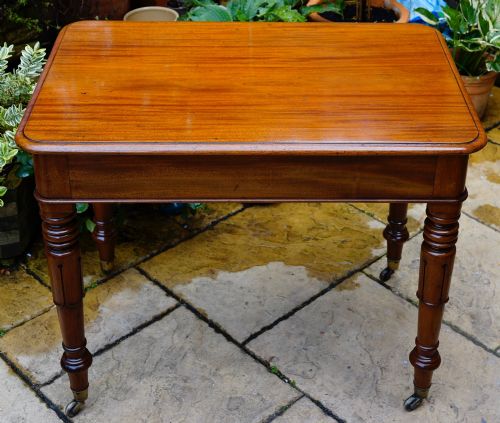
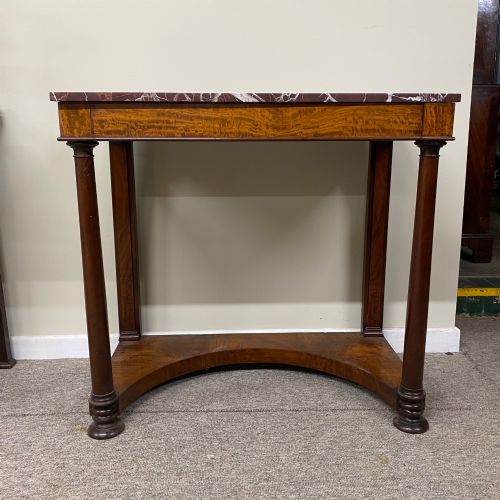
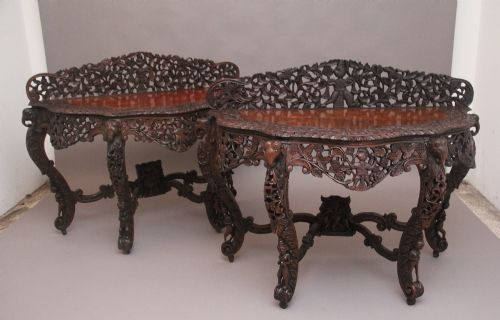
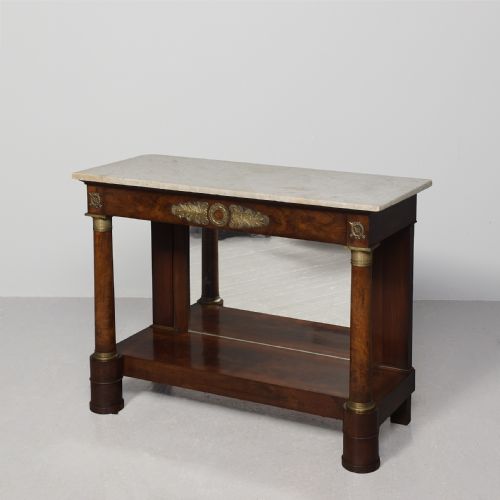
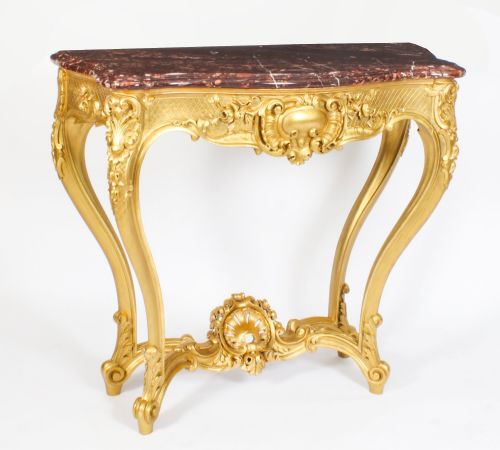
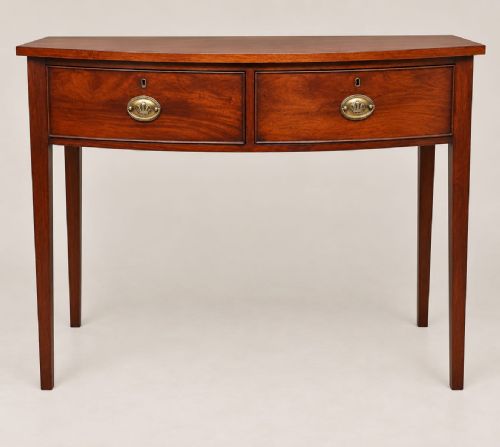
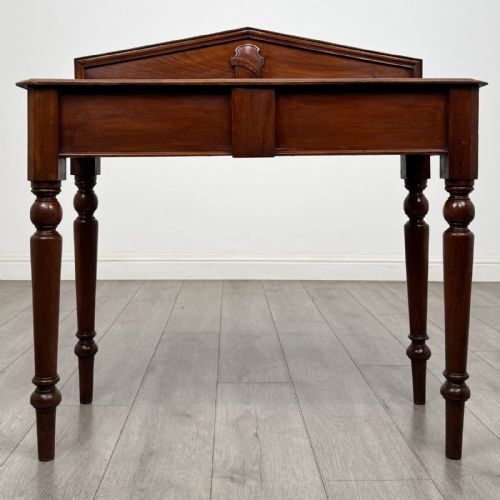
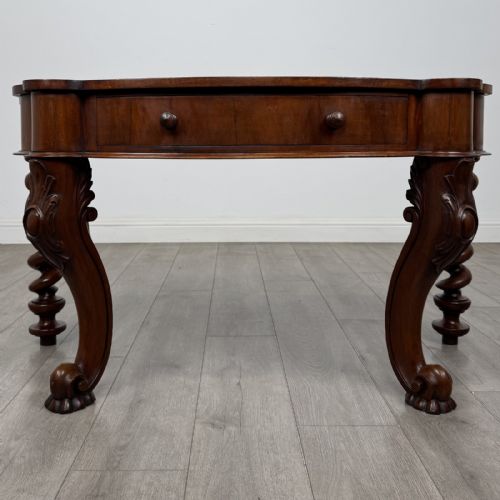
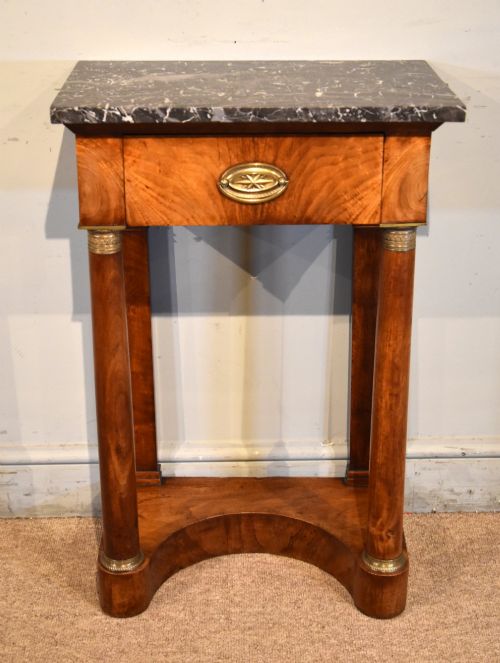
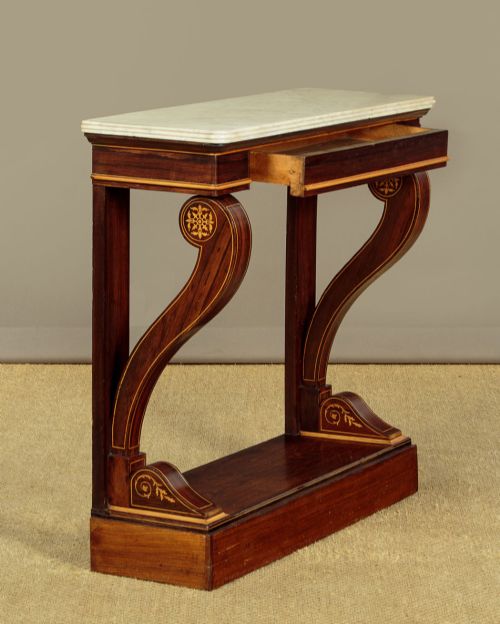
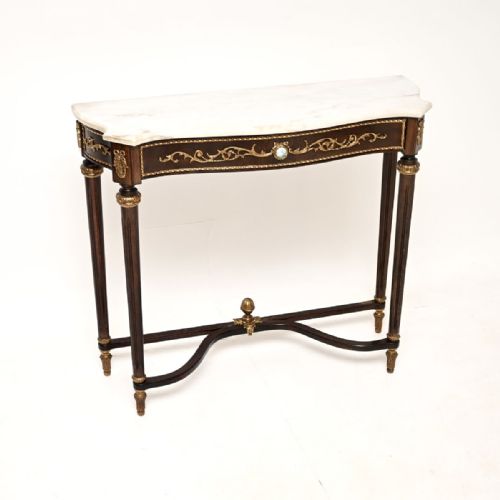
A 19th century entry table encompasses console tables, side tables, hall tables, and centre tables designed for corridors and reception spaces. The pieces span periods from Regency and William IV through to Victorian and late 19th century iterations, reflecting shifting domestic habits.
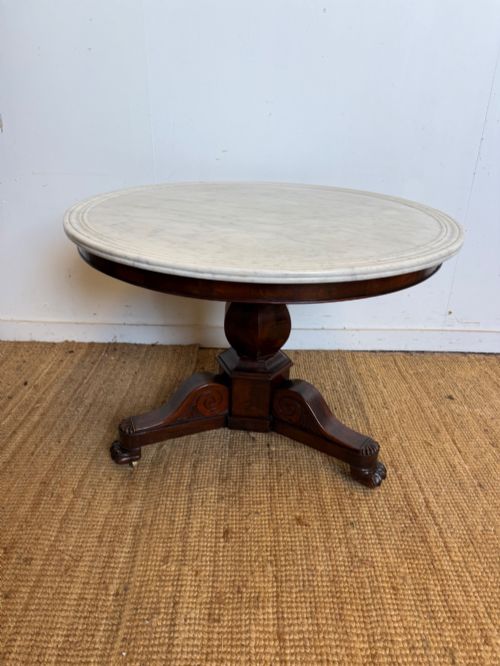
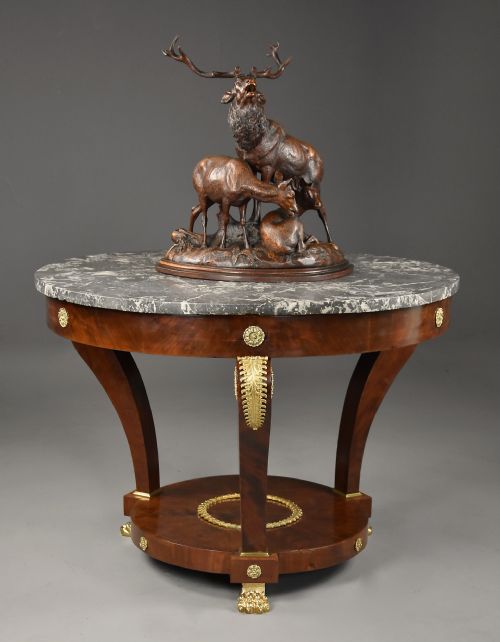
Console tables and demilune side tables dominate the selection, frequently placed flat against a wall to maximise narrow passage space. Circular centre tables and gueridon forms also appear, requiring more open floor space to function effectively as freestanding furniture.
Regional variations span British country houses, French Empire and Louis Philippe workshops, and Italian ateliers. Oak, mahogany, and walnut provide the structural foundation for the majority of these welcoming hall pieces.
Materials and construction methods
Cabinet makers utilised dense hardwoods such as mahogany, oak, walnut, rosewood, and satinwood for durability in high-traffic areas. Pine and pitch pine served structural roles or formed simpler provincial furniture.
Stone surfaces frequently crown these tables, featuring white, purple, or Siena marble slabs fitted directly to timber frames. Giltwood, brass inlay, silver gilt, and painted finishes add decorative contrast to the timber carcasses.
19th Century Entry Table Retail Price Guide 2026
Typical asking prices for 19th century entry table among the pieces listed under this phrase on Sellingantiques today, from the lower quarter to the upper quarter. They describe what is for sale here now, not the wider market.
Some tables include hidden drawers meant for stashing calling cards before guests even reached the parlour.
Assessing construction and design standards
The sophistication of the timber selection and marquetry marks the division between standard utility furniture and high-status examples. Finely figured grain, precise brass inlay, and complex carved motifs indicate skilled workshop output.
The integration of heavy marble tops and mirror backs requires robust joinery that remains stable over centuries. Superior examples maintain structural integrity without excessive timber shrinkage or displacement around the joints.
Peters of Genoa·Egan Workshop
The 19th Century Entry Table Glossary
- Console table
- A table supported by wall brackets or front legs, designed to stand flush against a wall in a hallway or reception room.
- Demilune
- A half-moon shape common in console and side tables built to fit compactly against entry walls.
- Gueridon
- A small French freestanding circular table, frequently utilised as a centre table in entrance halls.
- Marquetry
- Decorative patterns formed by inserting pieces of contrasting wood and other materials into a veneered surface.
19th Century Entry Table: Frequently Asked Questions
Where should an entry table be placed?
These tables fit naturally against flat walls in hallways, corridors, and reception spaces where visitors first enter the home. Narrow console and demilune formats work well in confined passages without obstructing movement.
Freestanding centre tables require larger entryways with sufficient clearance on all sides. They serve as central display points for decorative bowls or floral arrangements.
How do I clean a marble top?
Dust the surface regularly with a soft, dry cloth to prevent grit accumulation. Clean spills promptly using a damp cloth and mild, neutral soap.
Avoid acidic cleaners like vinegar or lemon juice, which etch polished stone surfaces. Use coasters and mats under keys, coins, and ceramic items.
What is the difference between a console and a side table?
Console tables historically fastened to the wall with brackets or relied on front legs for support, designed specifically to project a minimal depth into a room. Side tables stand independently on four or more legs and feature a finished back.
In modern usage, the terms often overlap, but console tables remain the traditional choice for narrow hallways.
How do I care for 19th-century mahogany?
Keep wooden furniture away from direct sunlight and heat sources to prevent timber splitting and fading. Maintain consistent indoor humidity levels.
Apply a quality beeswax polish occasionally to nourish the grain and protect the finish. Buff gently with a clean cloth to maintain the natural sheen.