


19th Century Dutch Mirror
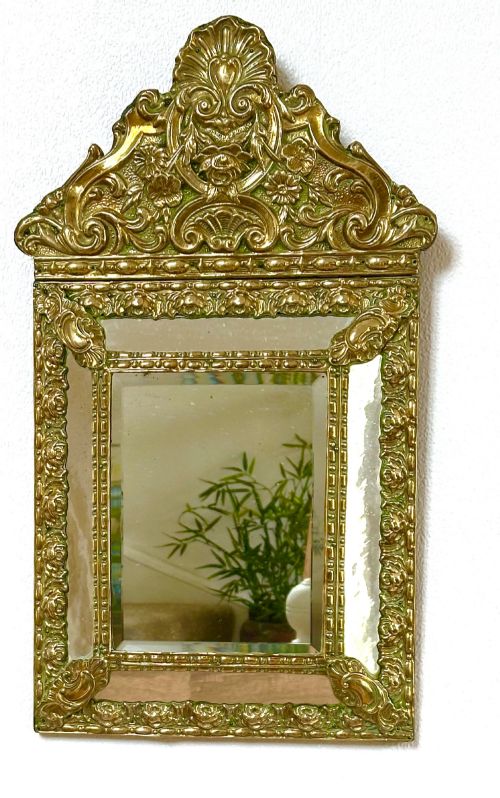
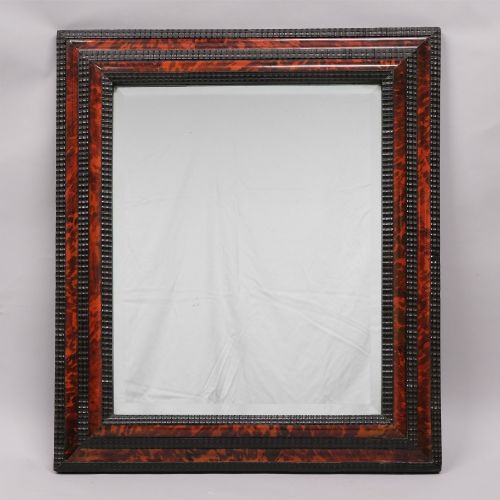
These 19th century dutch mirror examples combine elaborate floral marquetry, cushion frames, and repousse brasswork to bring deep historical character into a room.
19th Century Dutch Mirror
A 19th century dutch mirror serves primarily as a decorative and functional wall hanging, toilet swing glass, or cheval piece. The selection here leans heavily towards marquetry dressing table mirrors and cushion-framed wall styles, often drawing on earlier revival aesthetics.
Makers of the period worked within distinct regional traditions, producing items that range from intimate tabletop dressing glasses to large overmantle frames. Walnut, fruitwood marquetry, ebonised wood, and brass provide the dominant physical framework for these objects.
Buyers encountering this phrase will find pieces spanning the nineteenth century, including specific dates such as eighteen-sixty and eighteen-eighty alongside Regency and Victorian interpretations. Each form reflects a distinct approach to domestic furnishing, whether through floral inlay or reflective metal mounts.
How they were made
Woodworkers applied intricate floral marquetry using fruitwood and mahogany veneers onto carcases of walnut or ebonised timber. This meticulous inlay creates the rich surface patterns characteristic of the style.
Metalworkers shaped brass and gilt sheets using repousse techniques to produce low-relief cushion frames and decorative borders. These metallic elements are frequently paired with foxed mercury mirror plates to complete the construction.
Some marginal mirrors bridge centuries by incorporating older panels into later frames, resulting in delightful historical mashups.
What varies in quality
The refinement of the marquetry cutting and the choice of timber mark the difference between standard production and superior craftsmanship. Denser execution in the floral motifs and richer grain selection elevate certain dressing mirrors above others.
The depth and crispness of the repousse brass work or the execution of ebonised ripple mouldings dictate the visual impact of cushion frames. Higher-grade examples maintain structural integrity in the underlying timber while preserving the original reflective glass.
The 19th Century Dutch Mirror Glossary
- Marquetry
- Decorative inlay work using various coloured woods to form pictorial or floral patterns on a furniture surface. This technique defines the visual style of many dressing table mirrors.
- Repousse
- Metalworking technique where the metal is hammered into relief from the reverse side. It creates the raised ornamentation seen on brass cushion frames.
- Cushion frame
- A convex, rounded frame profile that swells outwards towards the edge. This form provides a substantial border around the central glass.
- Mercury plate
- An early type of mirror glass produced using a tin and mercury amalgam. These plates often show foxing and age spots.
- Ebonised
- Wood stained or painted to imitate ebony. This dark finish highlights contrasting brass or marquetry details.
19th Century Dutch Mirror: Frequently Asked Questions
How do I hang a heavy cushion mirror?
These frames require secure wall fixings suited to their substantial weight, often utilising heavy-duty picture wire or mirror plates screwed directly into wall studs.
Ensuring the support matches the timber and brass structure keeps the piece stable and safe.
Where should I place a dressing table mirror?
A toilet swing mirror sits best on a dedicated dressing table or chest of drawers where the adjustable glass can catch natural light.
Positioning it away from direct dampness helps preserve both the wooden marquetry and the silvering on the glass.
How do I clean repousse brass frames?
Dusting gently with a soft, dry brush removes surface dirt without disturbing the aged patina of the metal.
Harsh chemical polishes should be avoided to protect the relief work and any underlying backing materials.
Are marquetry mirrors sensitive to sunlight?
Fruitwood and walnut veneers can fade or alter in tone if subjected to prolonged direct sunlight over many years.
Placing the mirror out of harsh window glare maintains the contrast of the intricate inlaid patterns.
What is the difference between a wall and cheval mirror?
Wall mirrors mount directly onto vertical surfaces, whereas cheval mirrors stand independently on their own floor-supported frames.
Both types utilise similar 19th-century Dutch decorative motifs like floral marquetry or brass cushion mouldings.