
Antique Dressing Mirror Drawers
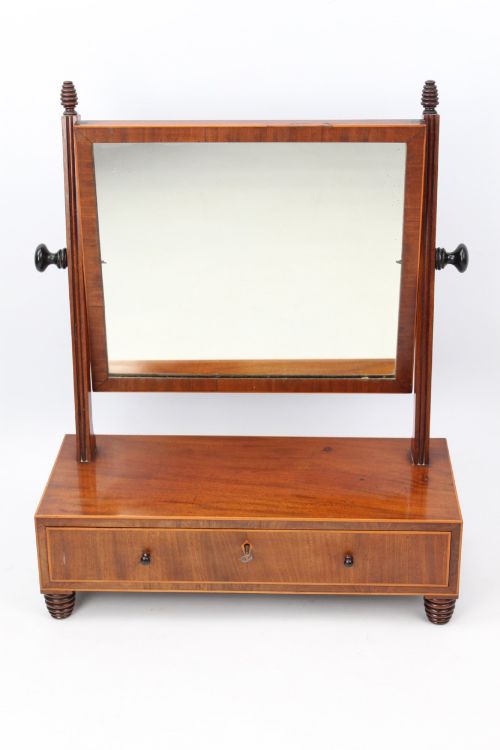
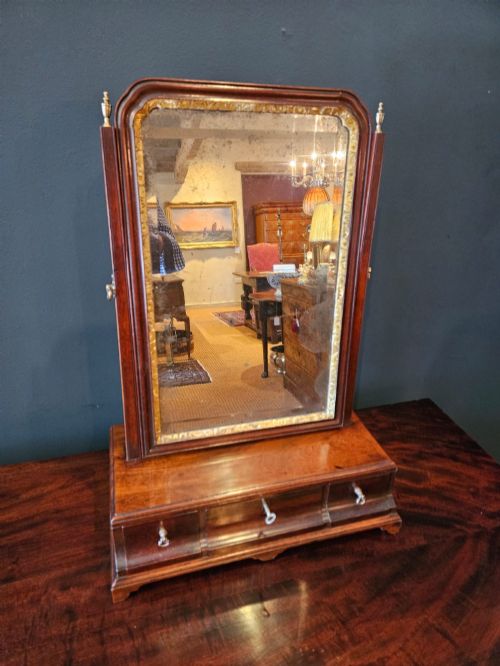
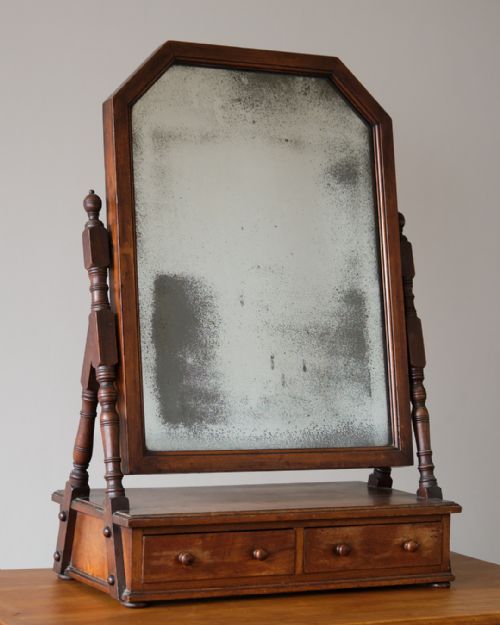
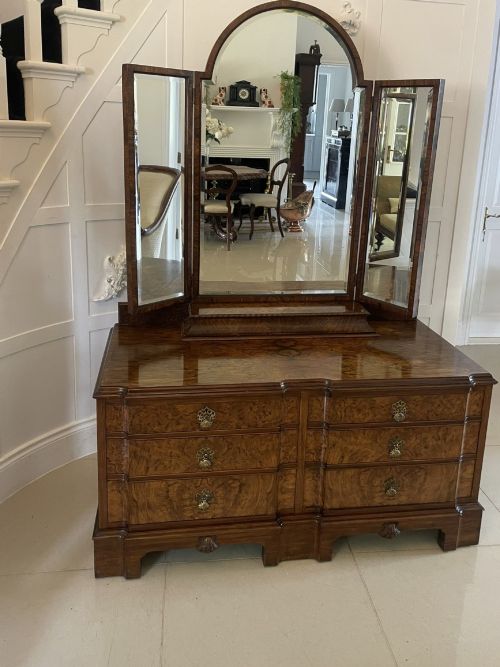
These antique dressing mirror drawers unite a functional looking glass with storage, offering the classic craftsmanship of past centuries for daily use.
Antique Dressing Mirror Drawers
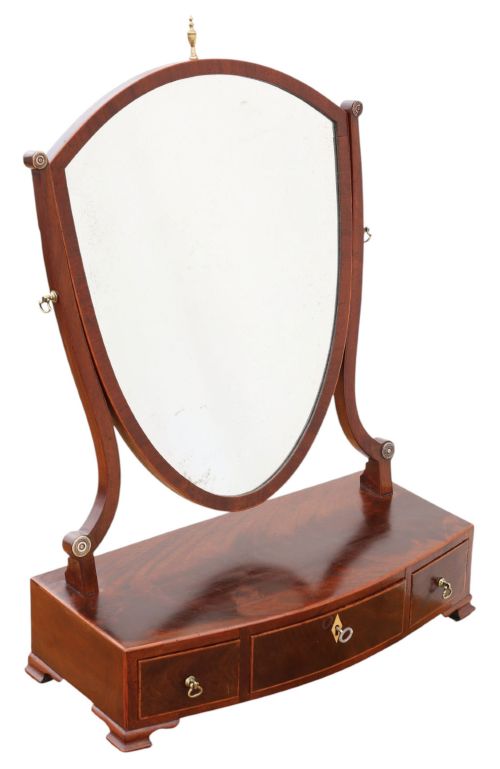
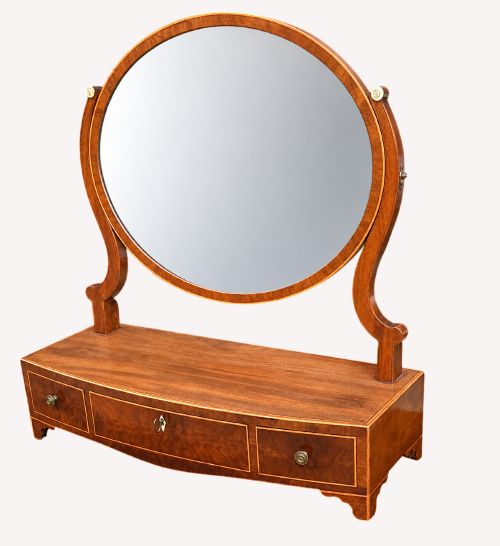
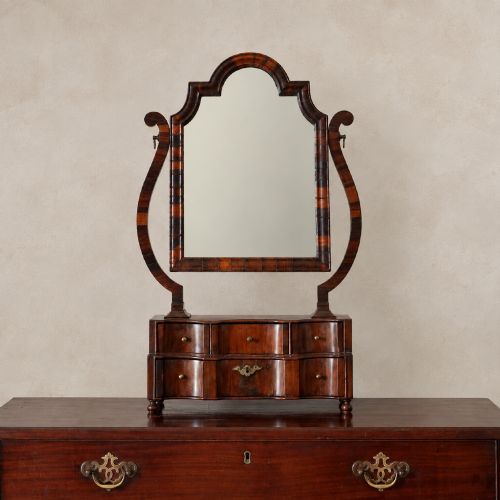
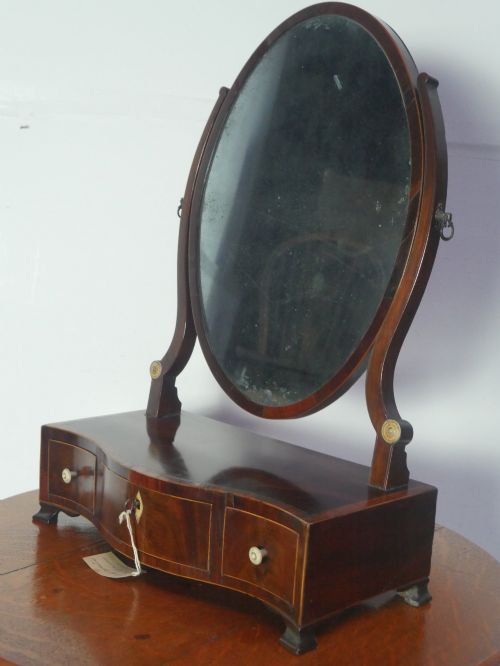
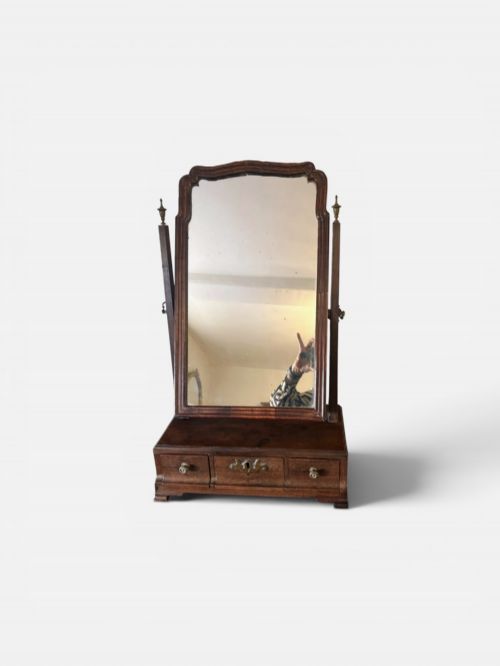
When you search for antique dressing mirror drawers, you encounter a selection of dressing table mirrors, toilet mirrors, and dressing chests designed to hold small items while reflecting the user. The pieces span the eighteenth century, nineteenth century, and early twentieth century, incorporating periods such as Georgian, Regency, Victorian, and Edwardian.
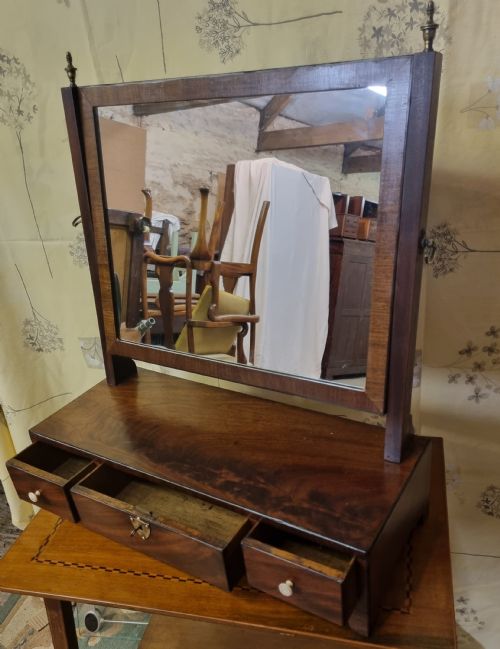
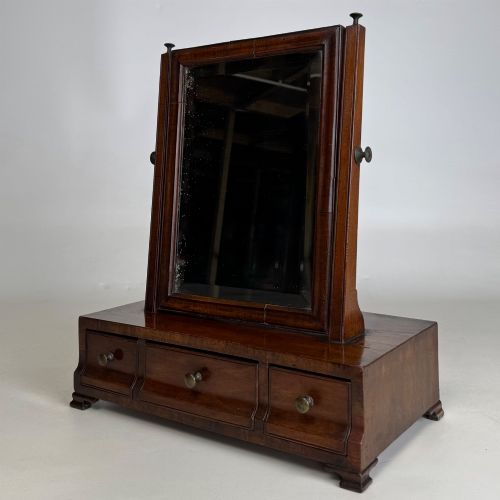
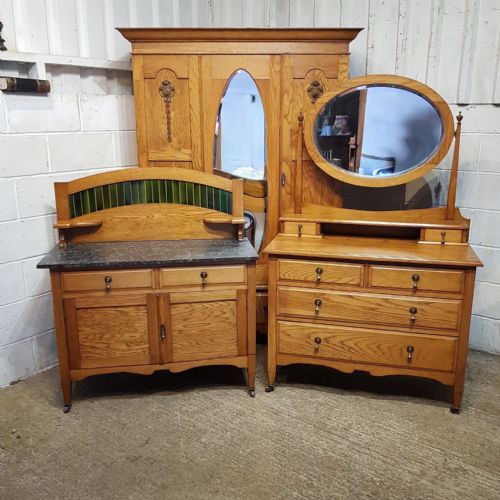
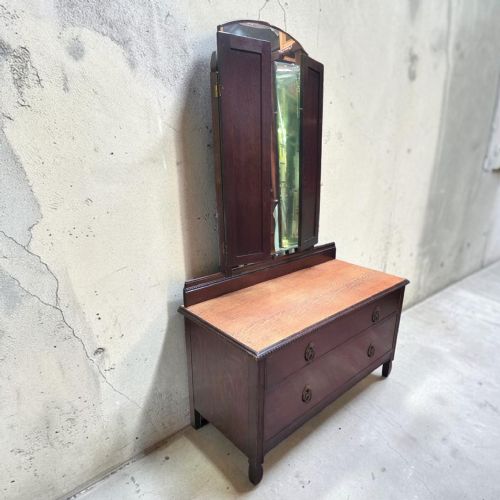
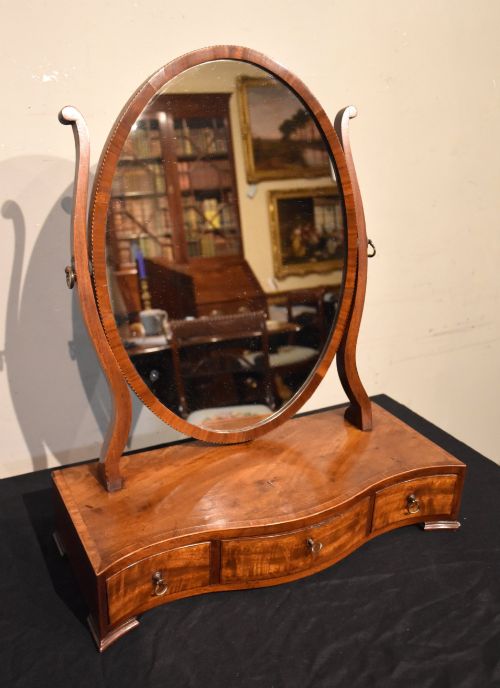
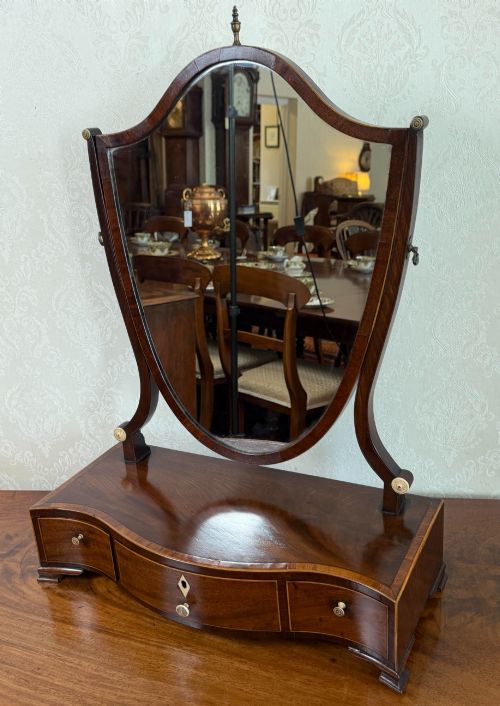
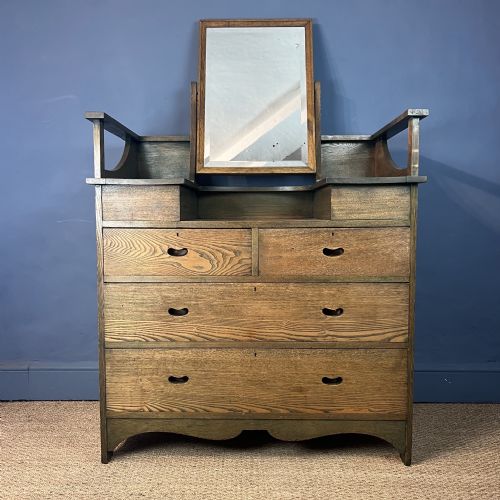
The most common formats on this page are swing mirrors mounted on small drawer bases, alongside larger dressing chests and vanity units featuring integrated drawers. These range from compact box mirrors to serpentine fronted tables and larger bedroom suite components.
Origins represented in the selection include British, Dutch, and French provincial designs, utilising forms from simple table mirrors to elaborate George II and Queen Anne walnut and mahogany constructions.
How they were made
Makers constructed these pieces primarily from solid and veneered timbers, utilising mahogany, walnut, oak, maple, olive wood, and ash. Cabinetmakers applied crossbanding and parcel-gilt details to enrich the surfaces of finer examples.
Glass plates provide the reflection, held within pivoting frames often shaped as shields or ovals. Brass hardware appears on the drawers, alongside bone escutcheons and marble tops on specific washstands and tables.
Listings feature mahogany, walnut, oak, and marble materials across Georgian, Victorian, and Edwardian periods.
What varies in quality
The distinction between ordinary and superior examples lies in the selection of timber figures, such as burr walnut or figured mahogany, and the precision of the crossbanding. Cabinetmakers who invested time in matching wood grain and forming subtle serpentine drawer fronts achieved a higher grade of finish.
Hardware selection and secondary wood choice also separate standard pieces from important ones. Hand-cut dovetails within oak-lined drawers and original brass fittings indicate a superior standard of workshop production.
Heal & Sons·George Walton·Maple & Co.
The Antique Dressing Mirror Drawers Glossary
- Toilet mirror
- A smaller mirror designed to sit on a table or chest, typically equipped with small drawers in the base.
- Swing mirror
- A looking glass hung on pivots between upright arms, allowing the user to tilt the angle of reflection.
- Crossbanding
- A strip of veneer applied across the grain of the primary wood to create a decorative border around drawer fronts or mirror frames.
- Serpentine
- A curved shape featuring a convex centre flanked by concave curves, frequently seen on Georgian drawer fronts.
- Parcel-gilt
- Woodwork decorated with partial gilding applied to carved details or mouldings.
- Escutcheon
- A small protective plate surrounding a keyhole, often fashioned from brass or bone.
Antique Dressing Mirror Drawers: Frequently Asked Questions
What is a toilet mirror?
A toilet mirror is a compact glass mounted on a small set of drawers, designed to sit atop a dressing table or chest.
Historically used for morning grooming and hairstyling, these pieces provided accessible storage for cosmetics and small valuables.
How do I date a dressing mirror?
Dating relies on timber choices, construction techniques, and prevailing furniture styles such as Georgian mahogany or Edwardian walnut.
Examining the drawer linings, backboards, and mirror glass bevelling helps confirm the period of manufacture.
Where should I place a dressing mirror?
These pieces suit bedroom dressers, console tables, or chests of drawers where they offer both reflective utility and surface storage.
Placing them near natural light enhances their primary function while displaying the grain of the wood.
Are the mirror plates original?
Many surviving pieces retain their original glass, though some have received replacements over the centuries due to wear or silvering deterioration.
Original glass often shows subtle distortion, minor foxing, or handmade characteristics typical of early production.