
19th Century Dressing Mirror
A 19th century dressing mirror provides a practical tabletop glass for grooming while introducing rich timber grain to a room.
Forms and Origins
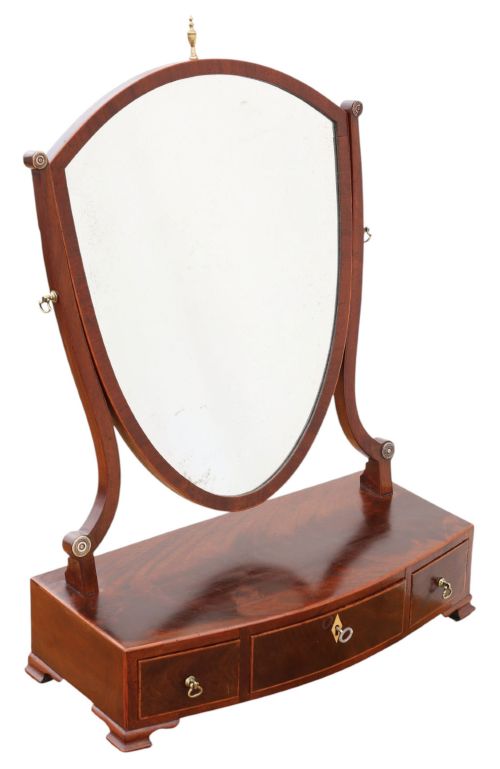
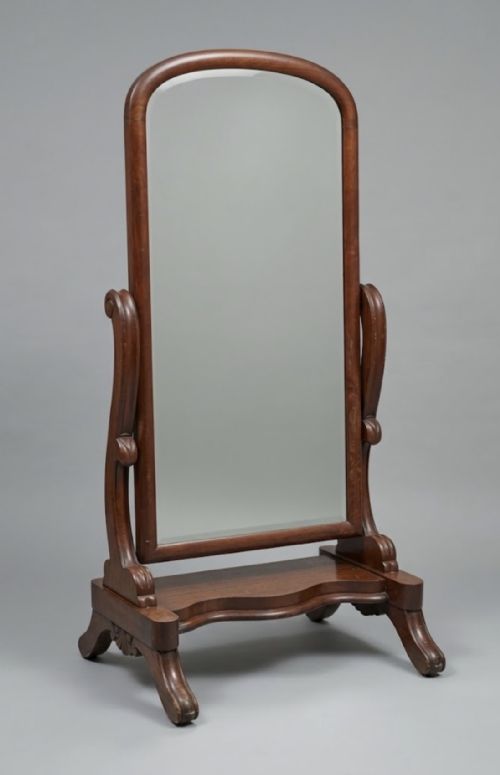
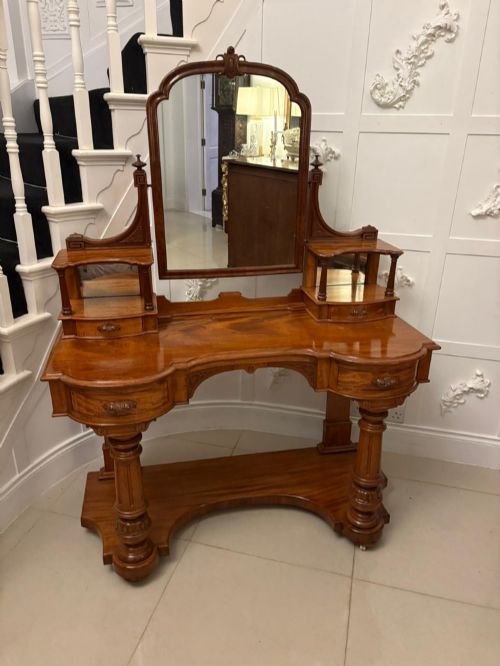
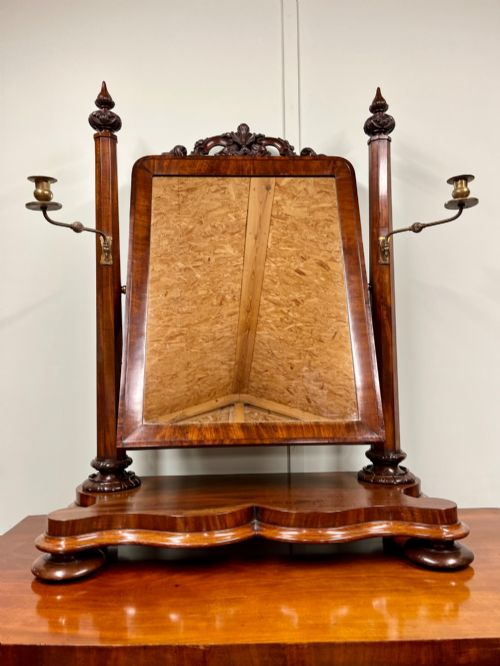
A 19th century dressing mirror typically takes the form of a swing glass mounted on a tabletop stand or box base. These pieces served practical domestic grooming needs in bedrooms and dressing rooms before the widespread availability of fitted wardrobe mirrors.
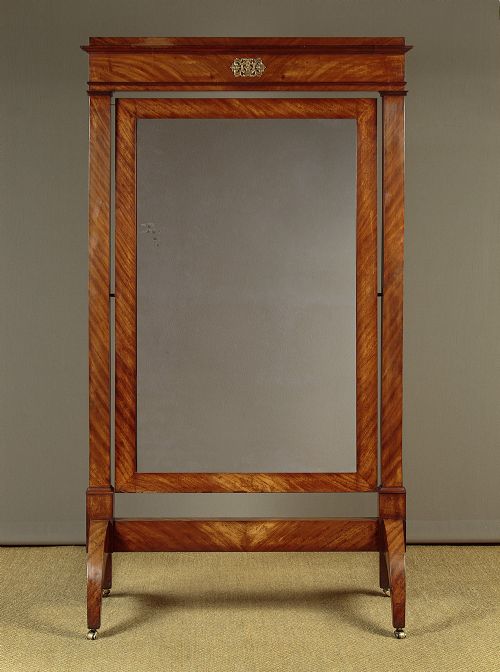
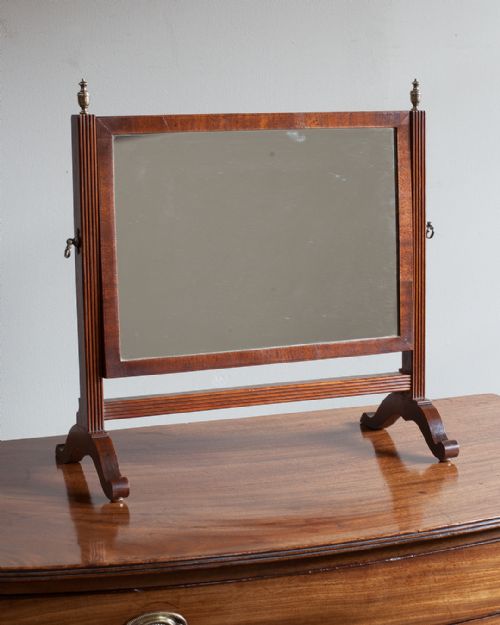
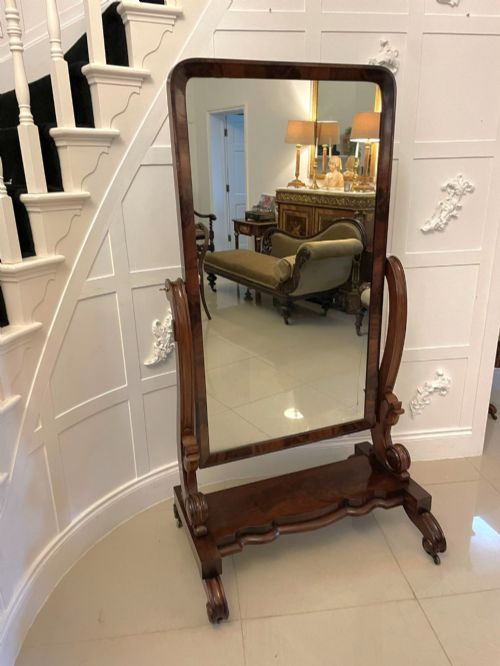
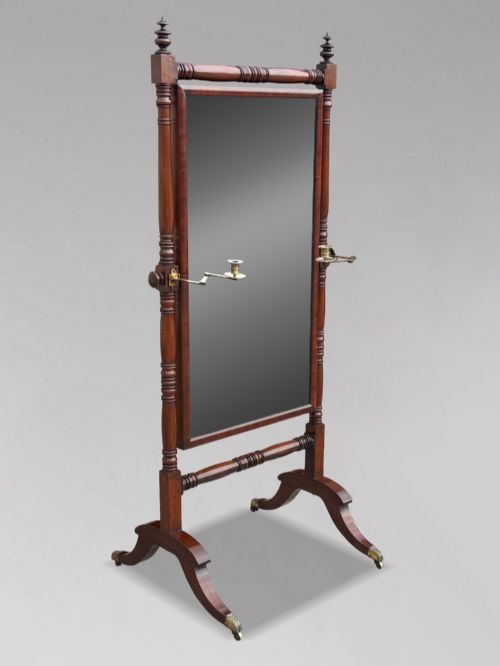
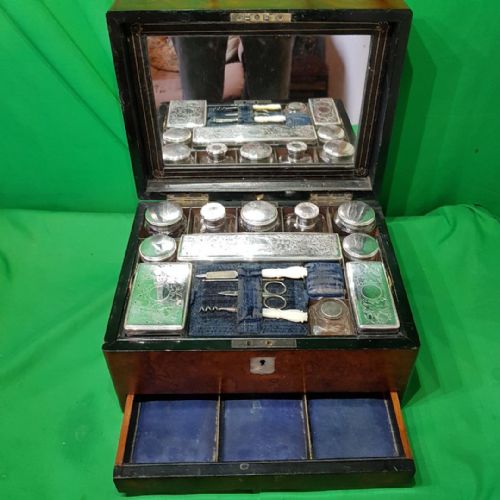
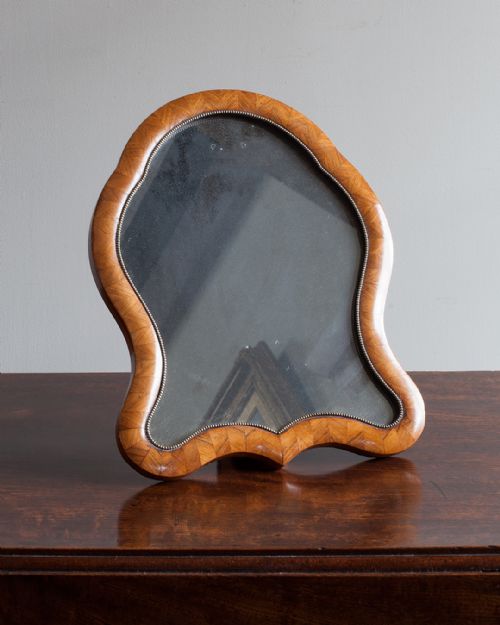
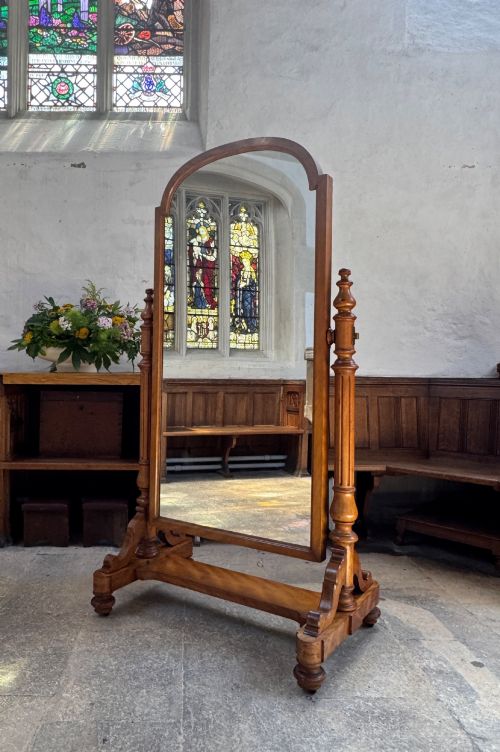
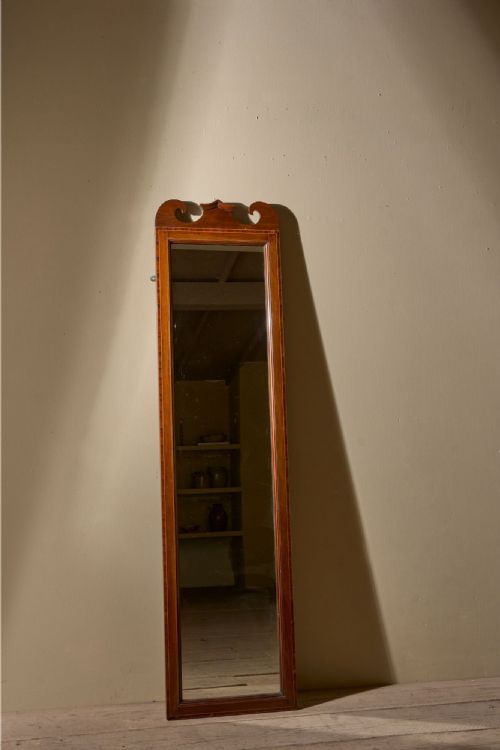
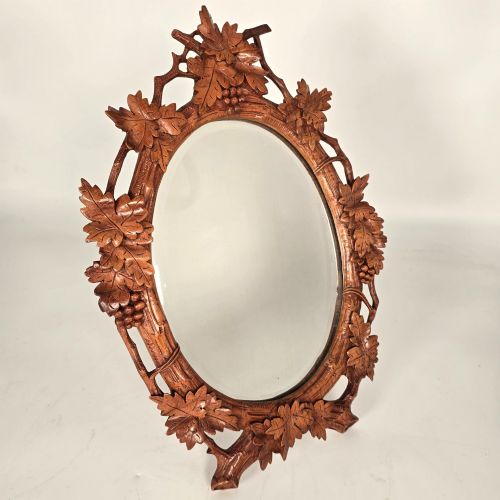
The selections span Regency, Victorian, and French 19th century periods, ranging from compact box mirrors with small drawers to large cheval glasses and architectural arched designs. Most examples encountered here are mahogany tabletop versions, often featuring rectangular or oval glass frames supported by upright arms.
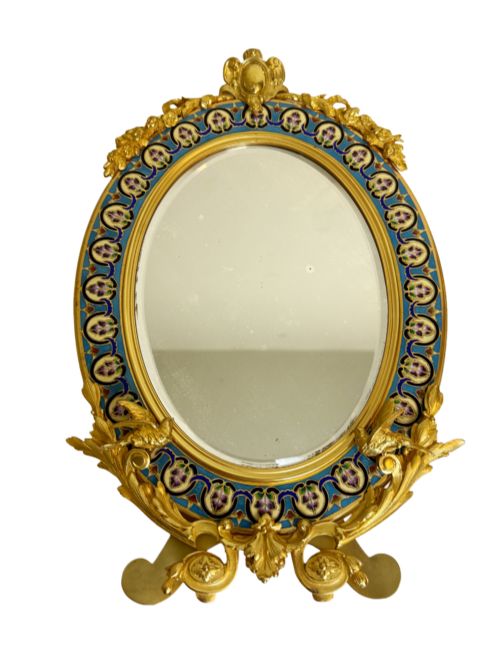
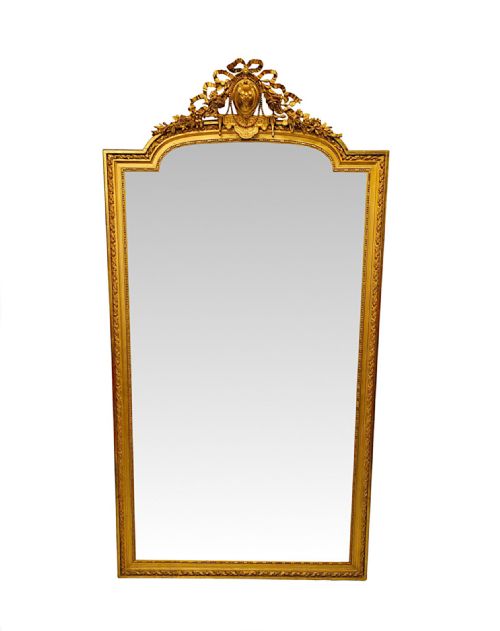
Makers adapted regional tastes across Britain and continental Europe, incorporating inlaid details, brass mounts, or gilt finishes. Buyers select these objects to anchor a dressing table or chest of drawers with period authenticity.
Materials and Construction
Makers relied heavily on mahogany as the primary timber, complemented by occasional uses of walnut, burr walnut, and fruitwoods. Artisans frequently incorporated brass for hinges, candle sconces, or decorative framing, alongside bone escutcheons and silver plating.
Construction techniques combined traditional cabinetmaking methods with movable glass frames balanced on pivot screws or swing pins. Box bases often utilised dovetailed joints to house small storage drawers, while larger cheval frames relied on sturdy standing uprights.
Retail Price Guide 2026
Typical UK retail prices for 19th century dressing mirror, calculated from the Sellingantiques database of over a million retail prices indexed since 2003. This retail price guide relies exclusively on Sellingantiques data; no external sources or auction records are used, so the figures do not describe the wider market.
Current listings feature mahogany, walnut, brass, bone, and glass across Regency and Victorian periods.
Craftsmanship and Proportion
Quality separates pieces through the selection of figured timber veneers and the precision of joinery in the box base or support arms. Superior examples display balanced proportions where the weight of the mirror plate matches the stability of the stand.
Refinement appears in secondary details such as delicate inlay work, well-turned upright supports, and original brass hardware rather than later replacements. The clarity of the glass and the smoothness of the swing mechanism further distinguish finer workshop output.
Gillows
The 19th Century Dressing Mirror Glossary
- Cheval mirror
- A full-length dressing mirror suspended on a vertical floor-standing frame that allows the glass to swing freely. This large form was designed to stand independently on the floor.
- Swing mirror
- A glass plate hung on pivots between two upright posts to tilt at various angles. This mechanism allows the user to adjust the viewing angle easily.
- Box mirror
- A tabletop dressing glass mounted above a small storage base containing one or more drawers. It combines personal grooming with enclosed space for small valuables.
- Shield mirror
- A dressing glass shaped like a heraldic shield, popular during the Regency period. The curved top profile softens the rectangular lines of typical furniture.
- Ormolu
- Gilded bronze applied as decorative mounts to furniture frames. This technique was frequently utilised in French pieces to add metallic contrast.
Frequently Asked Questions
Where were these mirrors placed?
These mirrors were traditionally positioned on top of dressing tables, chest of drawers, or washstands in bedrooms. Their elevated height allowed users a comfortable view for morning grooming and styling.
Smaller box versions could also sit independently on sideboards or writing desks depending on household layout and available furniture.
How do I date a 19th century mirror?
Dating relies on examining timber choices, hardware styles, and overall construction methods relative to known periods. Regency examples often display lighter mahogany tones and delicate inlay, whereas later Victorian pieces tend to be heavier with darker finishes.
Mirror plates can also offer clues, though many original glasses were replaced over decades of domestic use.
Are the mirror plates original?
Many 19th century dressing mirrors have had their glass plates replaced due to age-related foxing or accidental breakage. Finding a completely untouched original glass plate is uncommon for pieces of this age.
Collectors look closely at the silvering and bevel edges to determine whether the glass matches the period of the wooden frame.
How do I clean a mahogany frame?
Maintain the timber by dusting regularly with a soft, dry cloth to prevent dirt accumulation on the polished surface. Avoid modern silicone sprays or harsh chemical cleaners that can strip historic finishes.
Occasional application of appropriate wax polish helps nourish the wood and preserve the depth of the mahogany grain.