
19th Century Desk Stand
A 19th century desk stand brings orderly inkwells, pens and writing implements together on a surface for correspondence.
19th Century Desk Stand
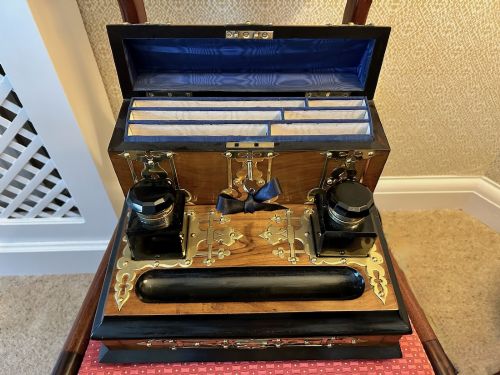
When buyers search for a 19th century desk stand, they encounter desk accessories designed to hold inkwells, sanders, and pens for traditional correspondence. These pieces range from portable wooden writing boxes and stationery holders to elaborate gilt bronze and marble inkstands destined for a library table.
The versions most frequently met on this page combine timber foundations like mahogany, walnut, or rosewood with fitted glass ink bottles and brass mountings. Others utilise cast bronze, Ashford marble, papier-mâché, or tortoiseshell inlaid with brass in the Napoleon III style to create a substantial writing station.
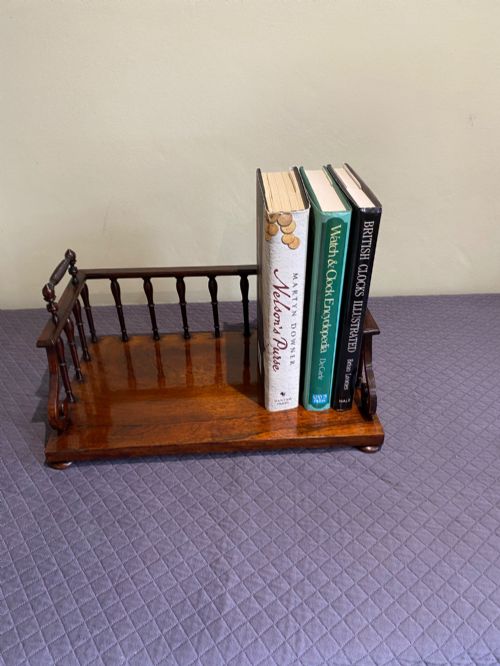
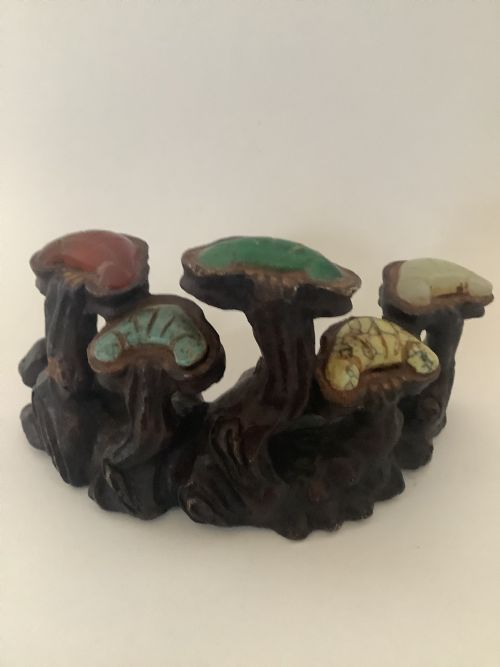
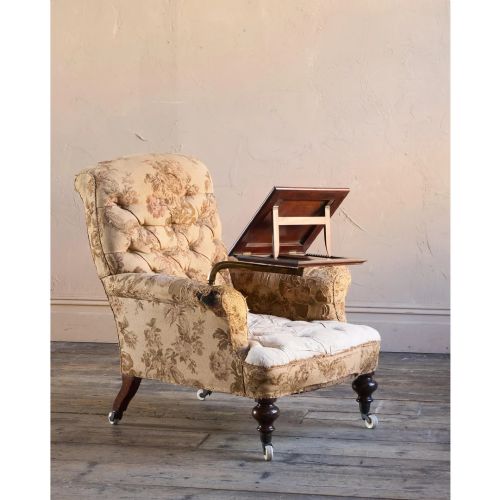
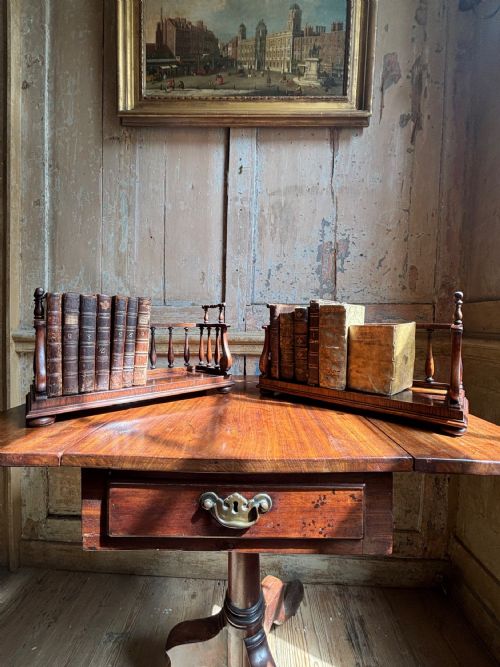
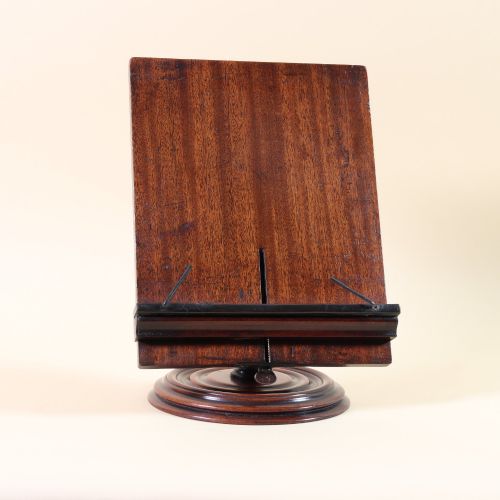
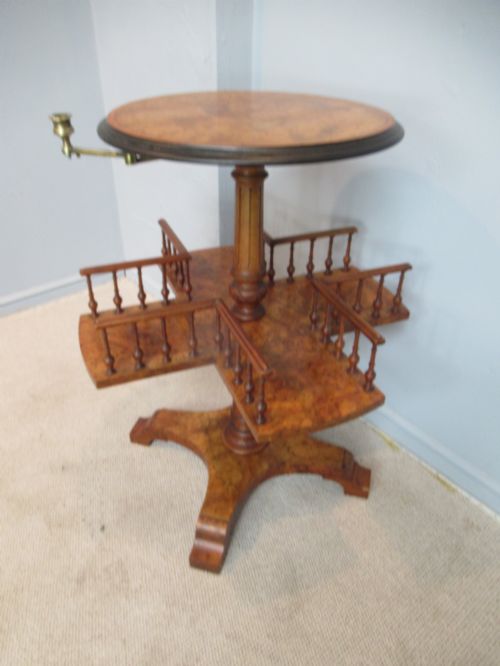
Alongside fitted inkstands, related desk accessories appear, including book stands, reading tables, and brush rests originating from English, French, and Asian workshops. These items reflect the heavy reliance on handwritten letters and documents throughout the Victorian and Regency eras.
How they were made
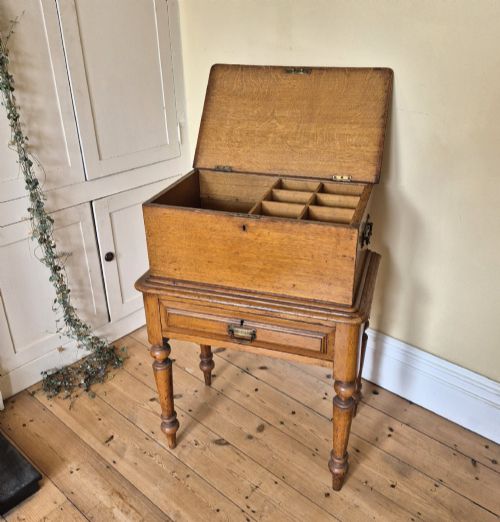
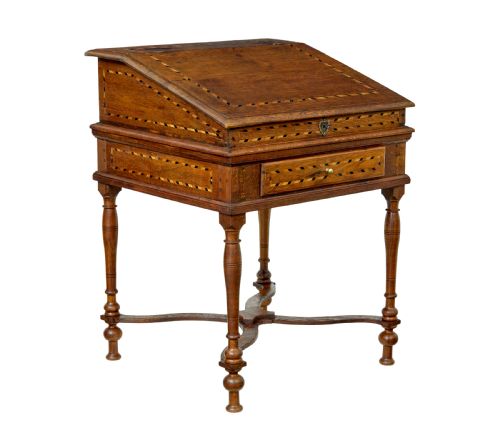
Woodworking forms the basis of many pieces, utilising mahogany, walnut, rosewood, and oak shaped into reading stands, writing slopes, and pedestal desks. Artisans employed precision joinery, turning, and occasional inlay such as brass stringing or tortoiseshell veneers to decorate the surfaces.
Cast metals play an equally significant role, with makers utilising bronze, gilt bronze, brass, and silver plating for inkstands and candlestands. These metal components often feature detailed chasing, patination, or marble bases typical of French Empire and Grand Tour productions.
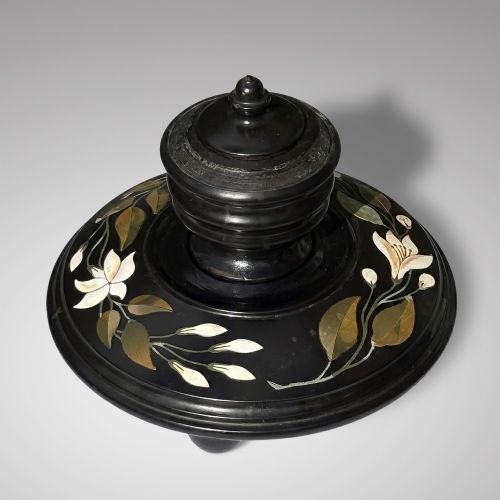
Specialised materials like Ashford marble, papier-mâché, and ceramics such as Dutch Delft blue and white faience appear across specific inkstands and desk sets. Glass is consistently integrated for the removable inkwell inserts that fit securely into the stone, wood, or metal bases.
What varies in quality
The standard of a 19th century desk stand depends heavily on the crispness of its casting or the precision of its cabinetwork. Finer examples display sharp, hand-finished bronze chasing and tightly fitted wooden compartments without gaps or warping.
Materials dictate the upper tiers of the range, where heavy marbles, rich tortoiseshell inlay, or intricate boullework replace plain timber or simple brass components. The presence of original glass inkwells and matching covers preserves the integrity of the piece.
Design ambition separates basic utility items from exceptional desk accessories. Pieces featuring multi-media construction, such as combined gilt bronze and marble mounts or elaborate figural models like lizards and lions, represent the more ambitious output of the period.
Lebegue And Cie·Gillows
The 19th Century Desk Stand Glossary
- Inkstand
- A portable tray or stand holding inkwells, pen holders, and sometimes a sander for blotting wet ink. These were essential desktop fittings before the invention of the ballpoint pen.
- Ormolu
- Gilded bronze applied to furniture mounts and decorative objects during the 18th and 19th centuries. The technique involves applying a gold amalgam to heated bronze.
- Boullework
- Marquetry made from tortoiseshell and brass inlaid in elaborate scroll patterns. It decorates high-status French furniture and desk accessories.
- Ashford marble
- A black limestone inlaid with colourful mineral specimens to form floral or geometric mosaics. It was quarried and worked in Derbyshire during the Victorian period.
- Standish
- An alternative historic term for an inkstand or ink container with compartments for writing implements. It often sat centrally on a library table.
19th Century Desk Stand: Frequently Asked Questions
What is a 19th century desk stand used for?
These pieces provided a dedicated, organised place on a writing table for ink, pens, and blotting sand. They kept essential writing tools close at hand during an era when letters were drafted daily with dip pens.
Beyond basic utility, decorative desk stands also served as status objects in studies and libraries. Wealthy households displayed finely cast bronze or inlaid wooden stands that matched the broader interior style.
How do I identify French Empire style?
French Empire pieces rely heavily on classical motifs, symmetry, and heavy gilt bronze mounts applied to dark woods or marble. Look for laurel wreaths, sphinxes, lions, and architectural lines inspired by ancient Rome.
This style flourished earlier in the century and projects an air of formal grandeur. The metalwork on these stands is typically crisply chased with a bright mercury gilt finish.
What is Napoleon III style?
The Napoleon III style revival borrows heavily from Louis XIV, Louis XV, and Louis XVI designs, particularly incorporating boullework and elaborate tortoiseshell. It represents the eclectic taste of the Second French Empire.
Desk stands from this period often feature rich brass inlay against dark tortoise grounds, curved serpentine forms, and ornate mounts. They prioritize decorative excess and technical display.
Are inkwells usually original to the stand?
Finding a desk stand with its matching original glass or ceramic inkwells is a distinct advantage. Because glass inserts were fragile, many replacements occurred over decades of use.
Inspect the fit of the inkwell inside the aperture to see if it rests naturally. Correct sizing and matching wear patterns between the insert and the base suggest original association.