



19th Century Decorative Vases
These 19th century decorative vases bring elaborate craftsmanship and rich historical character into modern rooms.
19th Century Decorative Vases
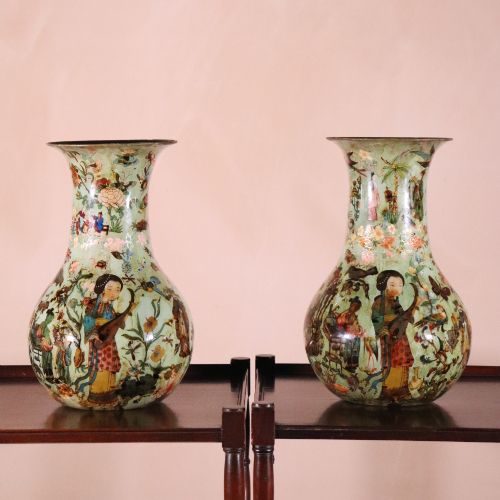
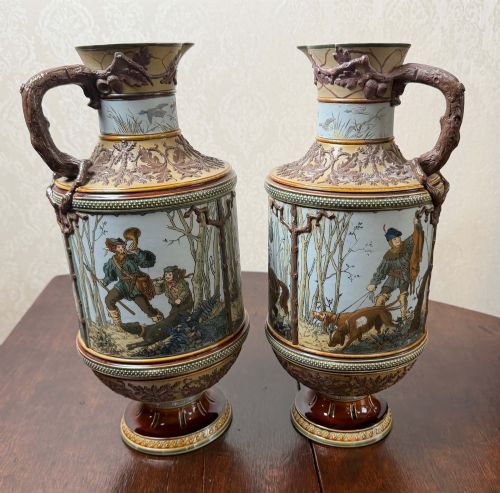
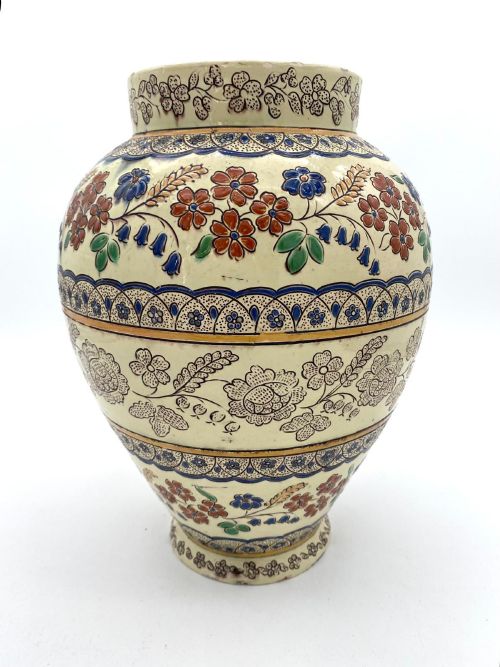
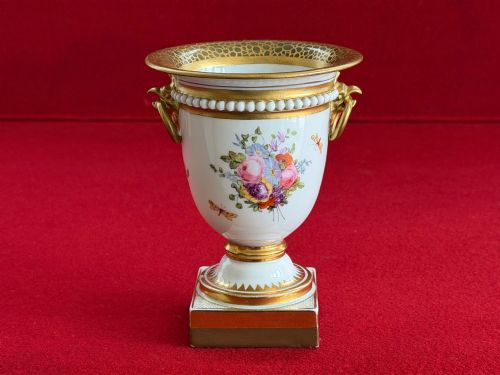
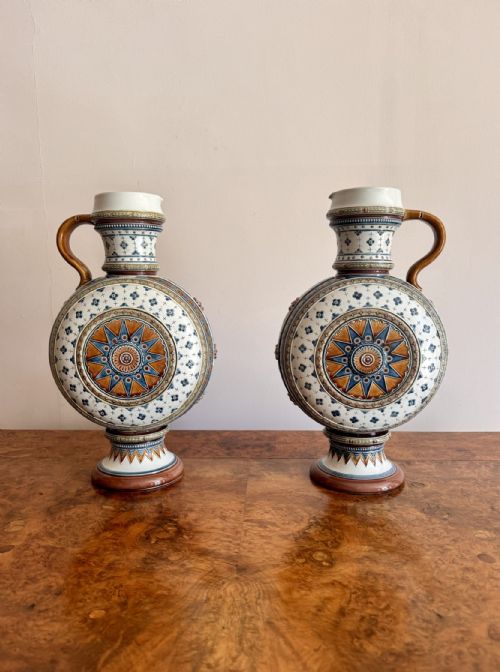
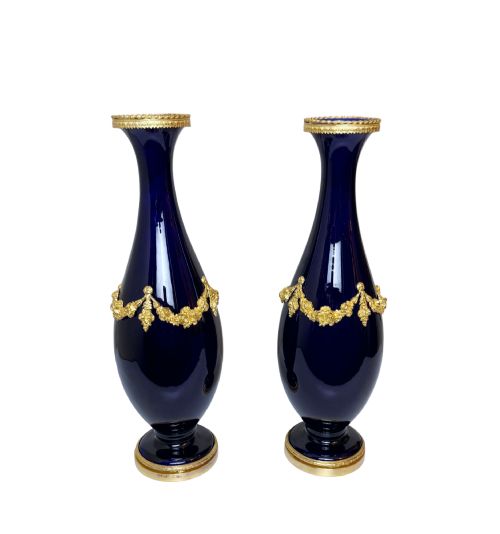
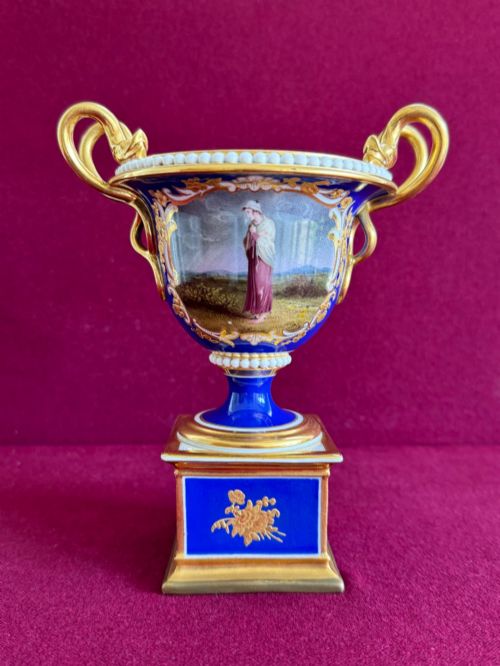
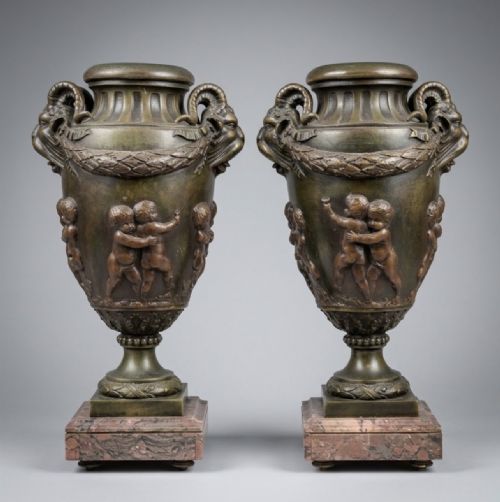
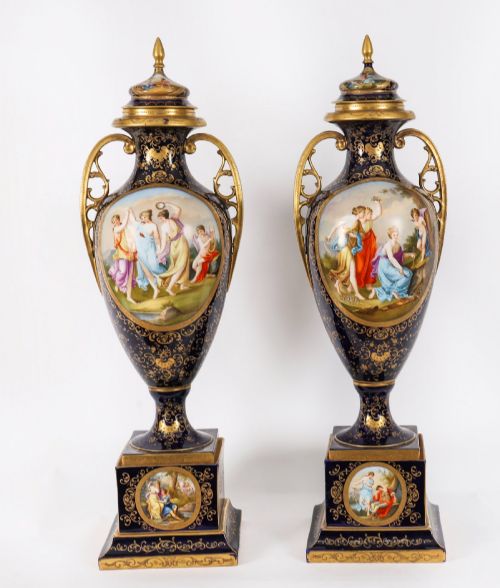
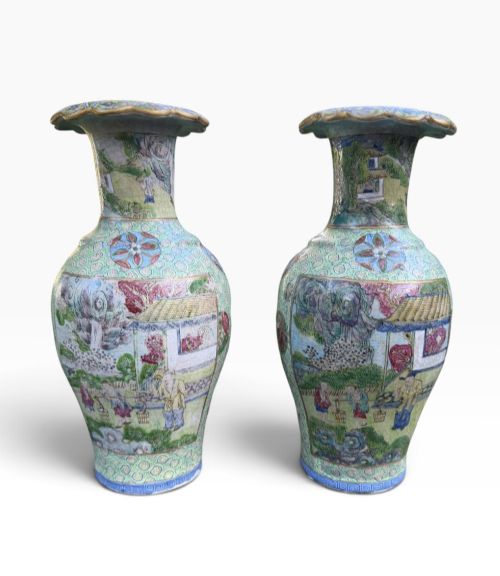
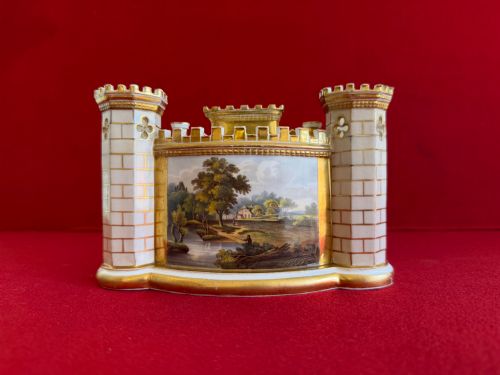
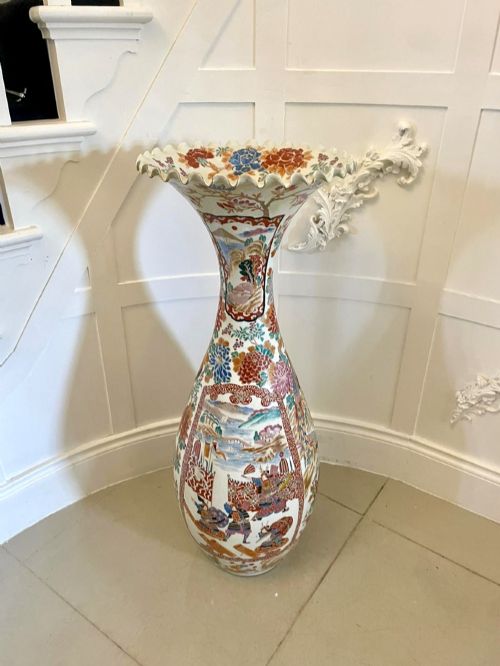
When you search for 19th century decorative vases, you encounter a diverse array of vessels produced across Europe and Asia during a period of immense stylistic revival. The pieces available range from English porcelain spill vases and French gilt bronze mounted ceramics to Japanese cloisonne enamels and grand tour bronzes. Most commonly, buyers meet pairs of matching mantel ornaments, large floor standing jars, and delicate earthenware vessels from the Victorian and Regency eras.
The functional intent of these items shifted during the century from holding flowers to serving as purely ornamental garnitures and centrepieces. Makers drew inspiration from classical antiquity, Renaissance majolica, and East Asian motifs, resulting in eclectic forms like moon flasks, ewers, and urns. These objects reflect the nineteenth century obsession with decorative display, utilising varied materials to transform domestic interiors.
How they were made
The manufacture of these vessels combined traditional potting with sophisticated surface decoration, notably through hand painting, gilding, and enamel work. Porcelain bodies were shaped by hand or in moulds before receiving intricate polychrome designs or cobalt blue underglazes. Metal elements involved casting bronze or ormolu, sometimes applying champleve or cloisonne techniques to create vibrant surface patterns.
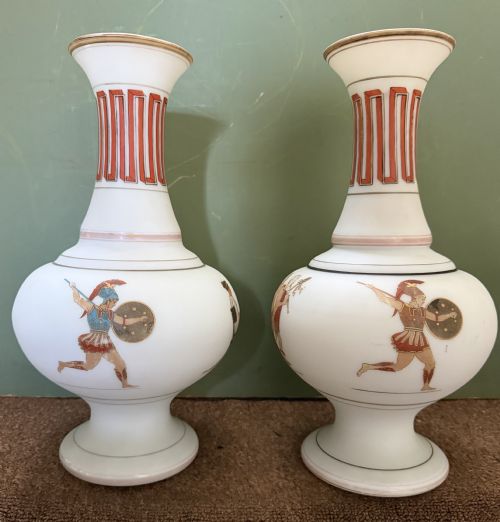
Glass pieces utilised techniques such as hand blowing and uranium infusion to achieve distinct optical properties, while earthenware and stoneware relied on specialised glazes and high temperature firings. Artisans integrated gilt bronze mounts and gold leaf accents to elevate the visual weight of ceramic and glass bodies. These combined methods required specialised workshops where painters, metalworkers, and potters collaborated on single pieces.
19th Century Decorative Vases Retail Price Guide 2026
Typical asking prices for 19th century decorative vases among the pieces listed under this phrase on Sellingantiques today, from the lower quarter to the upper quarter. They describe what is for sale here now, not the wider market.
Materials documented here range from uranium glass and bronze to stoneware, enamel, and hand beaten copper.
What varies in quality
The standard of execution in these objects depends heavily on the precision of the hand painting and the crispness of the cast metal mounts. Superior pieces exhibit finely detailed figural vignettes and hand applied gilding that retains its depth and burnish, whereas lesser examples show mechanical transfer printing or flat, uninspired brushwork. The integration between different materials, such as porcelain bodies and bronze mounts, reveals the skill of the original assembler.
Provenance and factory origin also dictate the upper tiers of the market, with marked pieces from renowned potteries and documented makers commanding greater attention. The weight, stability, and integrity of materials like cast bronze or heavy stoneware indicate whether a piece was produced for serious display or as cheaper mass market export ware. Original matched pairs hold significantly more aesthetic cohesion than assembled or single survivors.
Flight Barr and Barr·Villeroy and Boch·Royal Worcester·Minton·Cantagalli
The 19th Century Decorative Vases Glossary
- Ormolu
- Gilded bronze, where a layer of gold amalgam is applied to a bronze base through heat processing. This technique creates a rich, metallic lustre common on nineteenth century French decorative hardware.
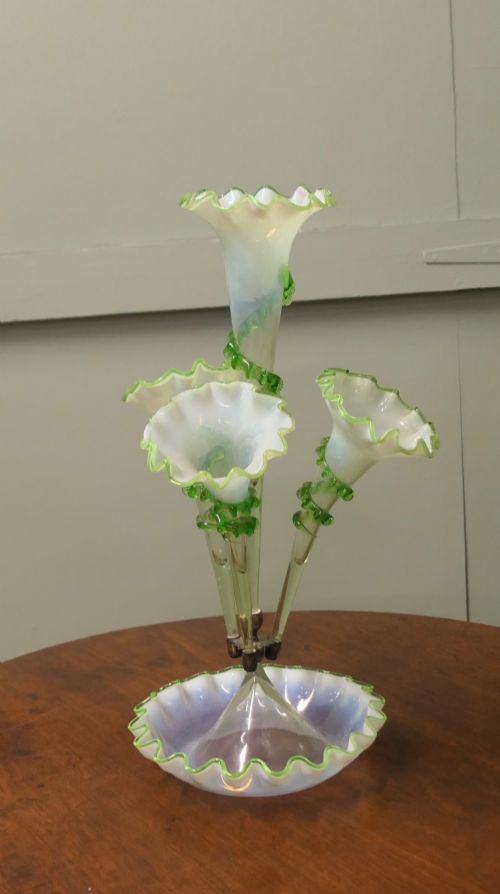
- Epergne
- A large table centrepiece featuring multiple branching dishes, baskets, or trumpets for holding fruit or flowers. Victorian versions frequently utilise hand blown coloured glass.
- Cloisonne
- An enamelling technique where metal wire is soldered to a base to form compartments, which are then filled with coloured glass paste and fired. Japanese examples from the Meiji period demonstrate exceptional mastery of this method.
- Majolica
- Tin glazed earthenware with brightly coloured opaque glazes, popular during the nineteenth century Renaissance Revival. It produces vibrant, glossy surfaces suitable for sculptural vessels.
- Garniture
- A set of three or more matching vases or vessels designed to be displayed together on a mantelpiece or sideboard. These sets typically feature a central larger urn flanked by two smaller matching pieces.
19th Century Decorative Vases: Frequently Asked Questions
How were nineteenth century vases displayed?
These vessels were primarily positioned on mantelpieces, pedestals, or large tables as standalone decorative statements. Garniture sets were arranged symmetrically to anchor a room's focal point.
Many larger examples, such as floor standing imari jars or bronzed spelter urns, stood directly on the floor in entrance halls and grand reception rooms.
Can antique vases still hold water?
While many ceramic and glass pieces remain functionally watertight, older glazes, hairline fissures, and metal mounts can be sensitive to moisture. It is generally safer to use inner glass liners or keep them dry.
Porcelain with gilt bronze mounts requires particular care, as standing water can destabilize adhesives or corrode underlying metals over time.
How do I identify Regency versus Victorian styles?
Regency pieces lean heavily into strict classical neoclassical motifs, drawing direct inspiration from ancient Greek and Roman designs. They often feature clean silhouettes, patinated bronzes, and restrained ornamentation.
Victorian items embrace a more exuberant, eclectic mix of revivals, incorporating heavy gilding, vibrant colours, and complex ornamentation inspired by diverse global traditions.
What is the difference between porcelain and earthenware?
Porcelain is fired at extremely high temperatures using refined kaolin clay, resulting in a dense, vitrified body that is non porous and often translucent. It allows for delicate forms and fine, sharp painted details.
Earthenware is fired at lower temperatures, producing a porous, heavier body that requires an opaque glaze, such as tin glaze, to hold liquids. It typically presents a thicker, more tactile profile.