

19th Century Copper Pot
The 19th century copper pot is a utilitarian vessel prized for its warmth of metal and honest construction, serving well in modern interiors as both display and storage.

19th Century Copper Pot
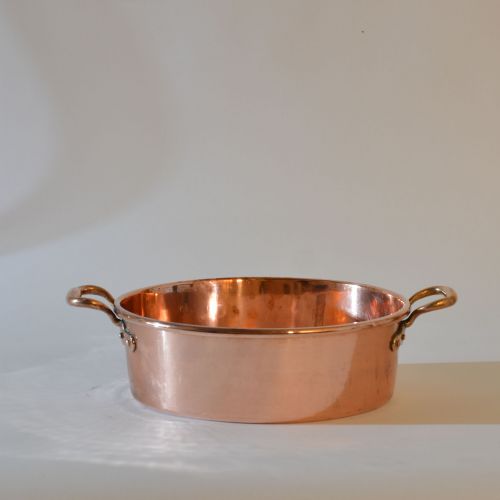
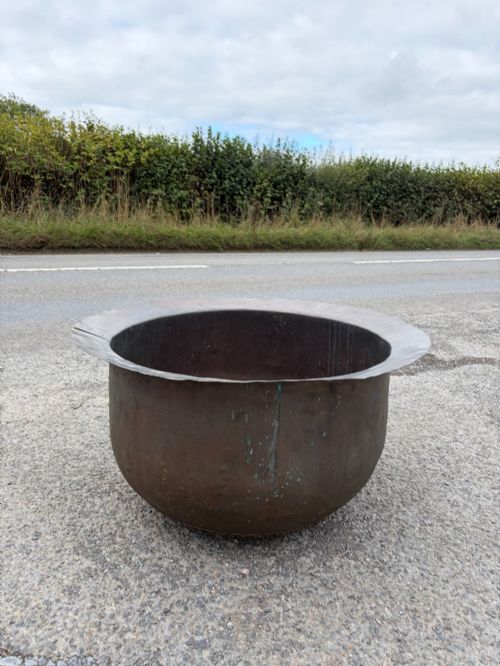
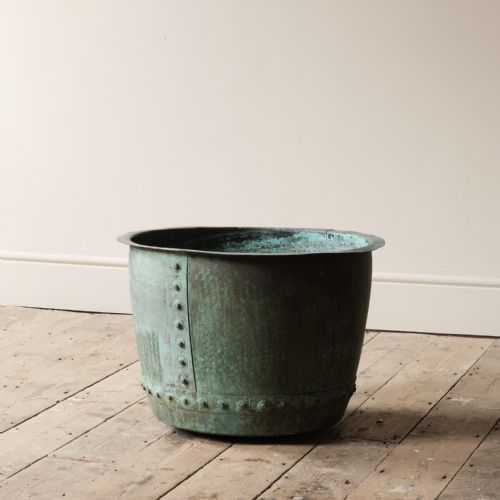
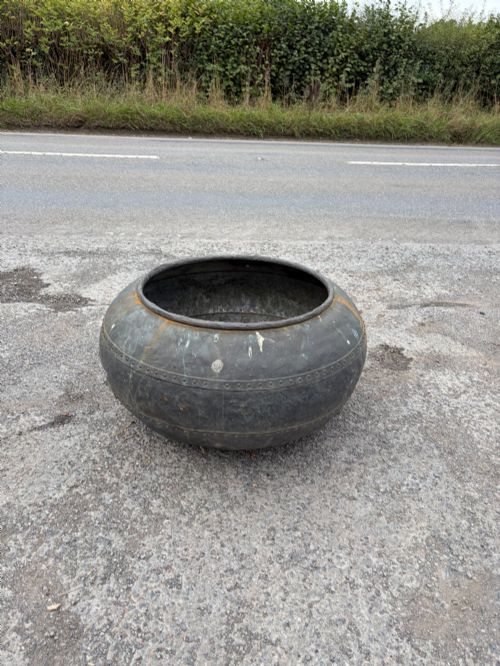
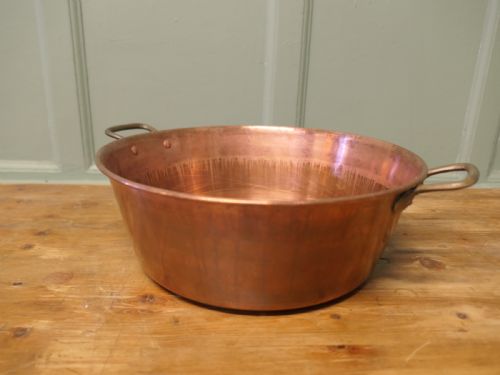
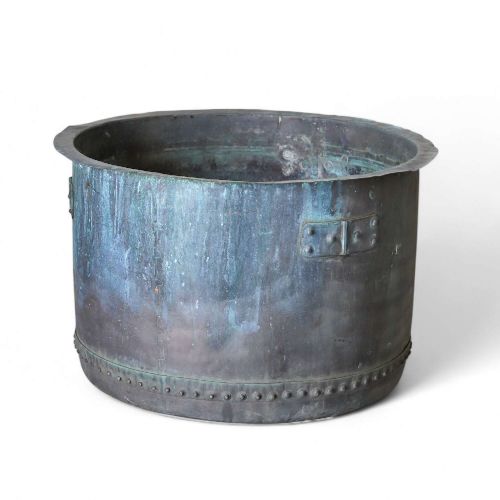
A 19th century copper pot encompasses a wide range of practical domestic containers, from heavy preserving pans and jam pots to large cauldrons and log bins designed for hearth use. The version most commonly met on this page is the large English or French cooking vessel, frequently adapted over time for use as a garden planter or fireside receptacle.
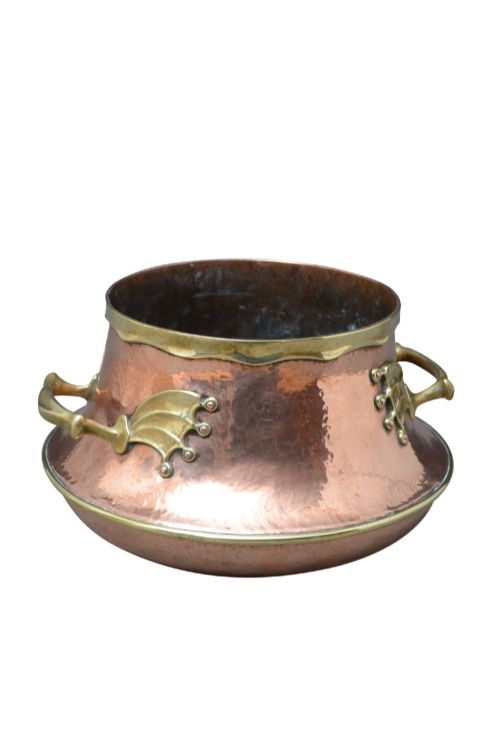
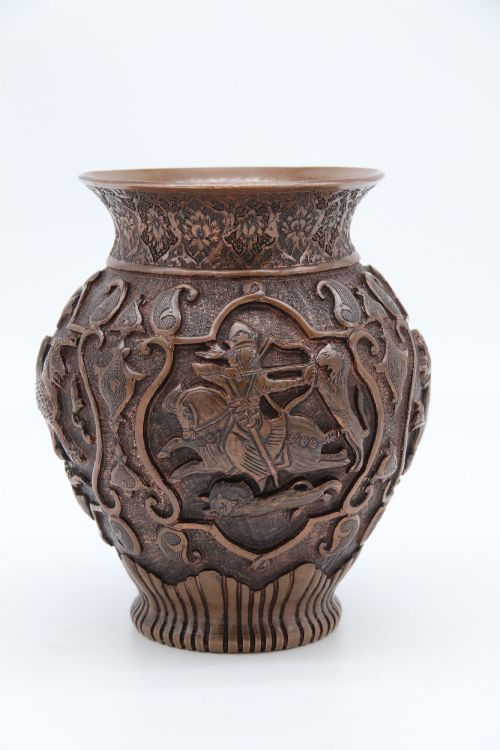
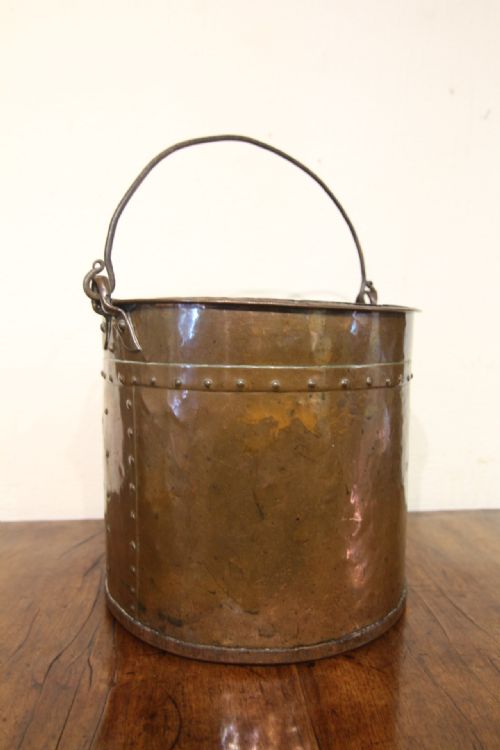
Beyond domestic kitchenware, the selection includes international forms such as Middle Eastern coffee pots, Indian repoussé vases and ceremonial bowls, alongside Victorian jardinières and Arts and Crafts buckets. These pieces reflect diverse regional traditions, utilising the malleability of the metal for both utilitarian cooking and decorative display.
Materials and Construction
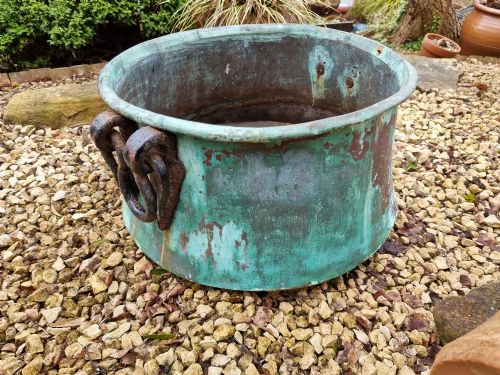
These vessels rely fundamentally on heavy gauge sheet copper, often joined by hand-riveting or dovetailed seams that demonstrate the physical labour required to shape the metal. Handles and reinforcements frequently incorporate wrought iron, cast iron or brass, secured firmly to withstand the heavy lifting associated with large cooking and preserving pans.
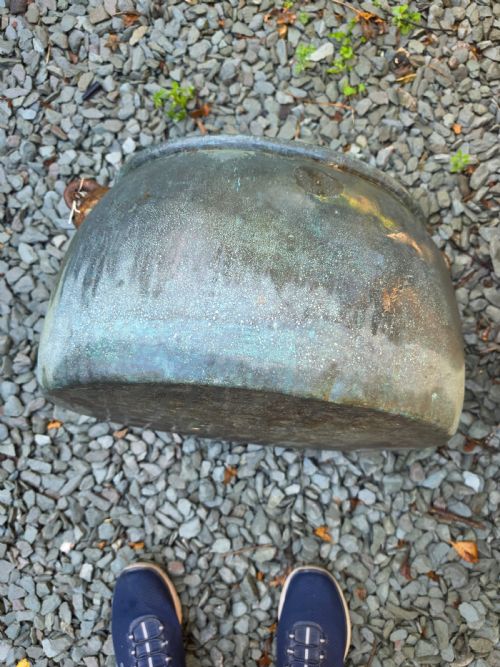
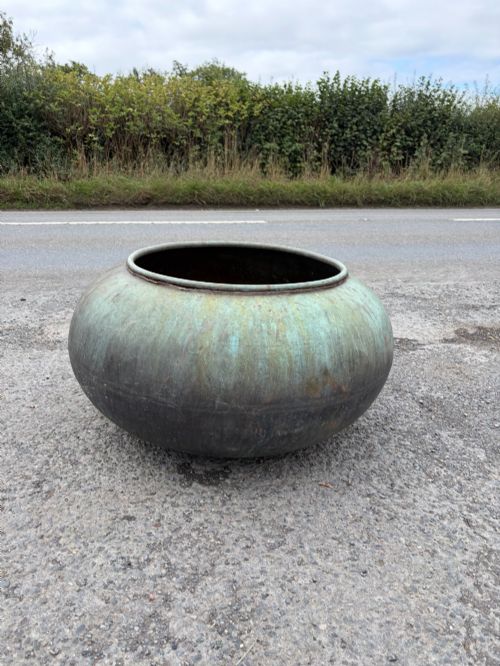
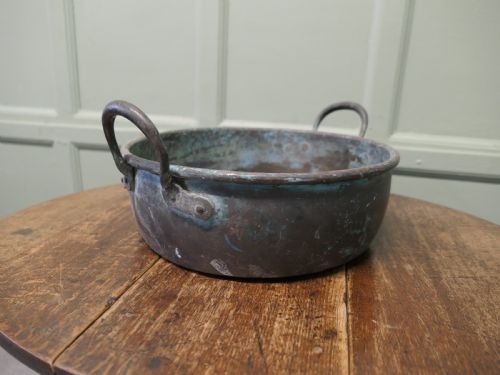
Surface treatments vary according to origin and function, ranging from smooth beaten finishes to rich natural patinas and verdigris effects. Middle Eastern and Indian examples frequently employ chased or repoussé techniques to create detailed surface patterns on the copper body.
19th Century Copper Pot Retail Price Guide 2026
Typical asking prices for 19th century copper pot among the pieces listed under this phrase on Sellingantiques today, from the lower quarter to the upper quarter. They describe what is for sale here now, not the wider market.
One set of ice cream moulds once supplied by Harrods proves that even frozen treats required serious heavy metal in the nineteenth century.
Assessing Quality
Quality in these vessels rests upon the original gauge of the metal and the integrity of its construction, particularly the neatness of hand-riveted seams and dovetailed joints. Heavier walls indicate vessels intended for rigorous kitchen service, whereas thinner plates point towards decorative domestic items.
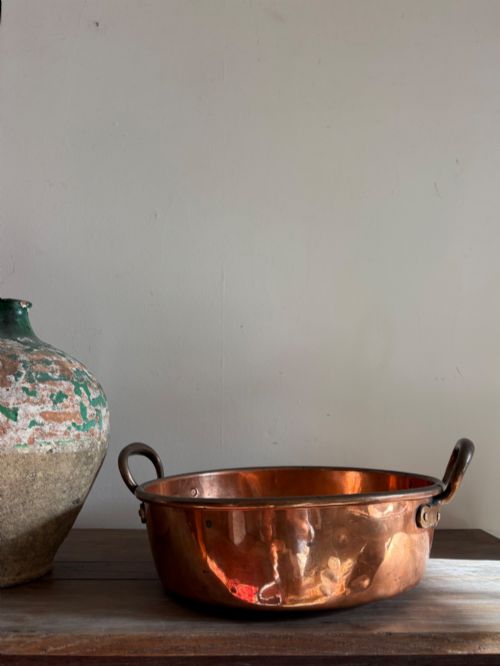
The survival of original handles, whether wrought iron swing bails or brass mounts, significantly affects the character of a piece. Well-balanced proportions and honest wear from decades of use separate standard utility items from more substantial domestic pieces.
The 19th Century Copper Pot Glossary
- Jardiniere
- An ornamental pot or stand for holding plants or flowers. These vessels often feature decorative brass handles or repoussé work.
- Repousse
- A metalworking technique where the metal is hammered from the reverse side to create a raised design in relief. This is frequently seen on Middle Eastern and Indian vessels.
- Verdigris
- A green patina formed naturally on copper, brass or bronze surfaces through atmospheric weathering over long periods. Many collectors prize this aged surface layer for its visual depth.
- Jam pan
- A wide, open preserving pan typically used for fruit production, characterised by sturdy side handles and heavy gauge construction. They were essential to nineteenth-century domestic economy.
- Ferrat
- A traditional French term encountered in regional cookware contexts. It describes specific utilitarian forms designed for heavy kitchen duties.
19th Century Copper Pot: Frequently Asked Questions
How were these large pots originally used?
Nineteenth-century copper pots served primarily as heavy-duty kitchenware for boiling preserves, heating water, or preparing large quantities of food over open hearths and ranges. Their high thermal conductivity made them efficient for tasks requiring precise temperature control.
In addition to cooking, larger vessels functioned as laundry boilers, brewing coppers, or domestic storage containers. Over generations, many transitioned from working kitchens to decorative roles in grander rooms.
Can I use an antique copper pot for cooking today?
While the heavy copper construction remains structurally sound, historical vessels often require professional tinning on the interior surface before food preparation. Unlined copper can react adversely with acidic ingredients during modern cooking.
Most buyers today utilise these pieces for dry storage, log retention, or as planters rather than active culinary vessels. Displaying them dry preserves the existing patina and historical surface finish.
How do I clean and care for antique copper?
Maintenance depends entirely on the finish you prefer to keep on the metal. Regular dusting and gentle wiping with a dry cloth will protect natural patinas and verdigris accumulations.
If a bright metallic shine is desired, a proprietary copper cleaner applied sparingly will remove tarnish. Avoid abrasive scouring pads that can scratch the hand-beaten surface and diminish the age of the piece.
How do I distinguish French and English pots?
English pots frequently display robust iron handles and straightforward, heavy-gauge construction geared toward practical kitchen utility. French examples often incorporate distinctive rim treatments, set matched groupings, or refined brass mounts.
Regional differences also appear in the hand-riveting patterns and the specific weight of the copper sheet used. Consulting the construction details usually reveals the likely country of origin.