
19th Century Chinoiserie Tables
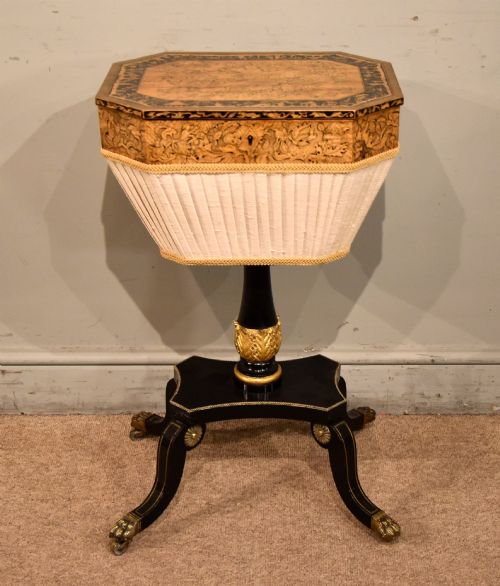
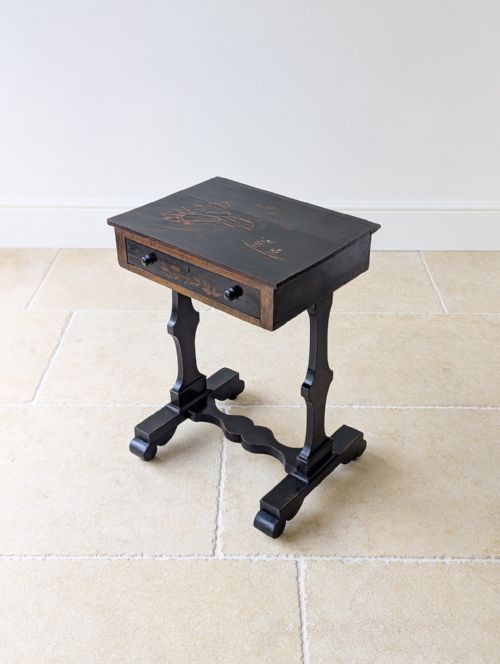
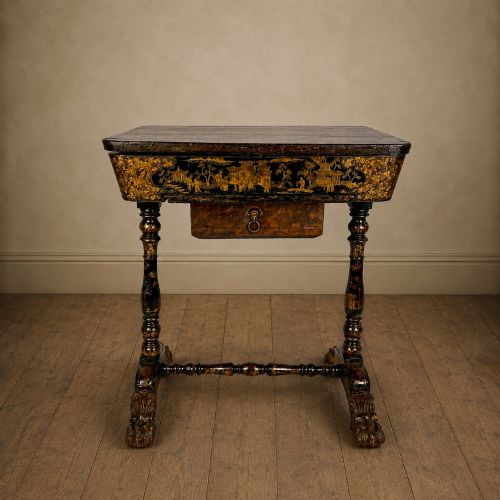
These 19th century chinoiserie tables bring decorated lacquer, painted motifs and bamboo forms into a room.
19th Century Chinoiserie Tables
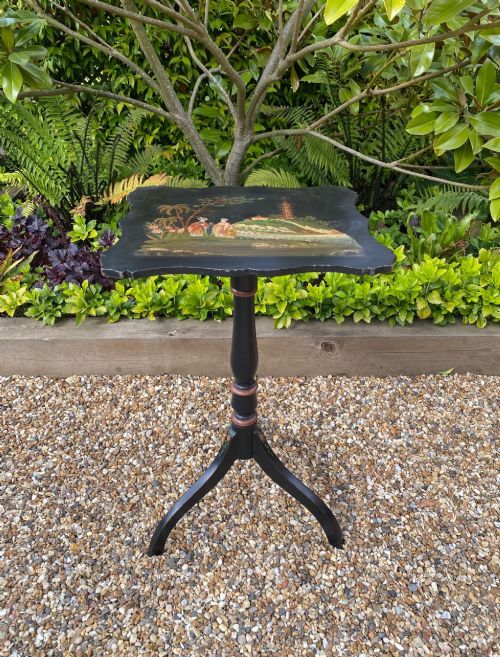
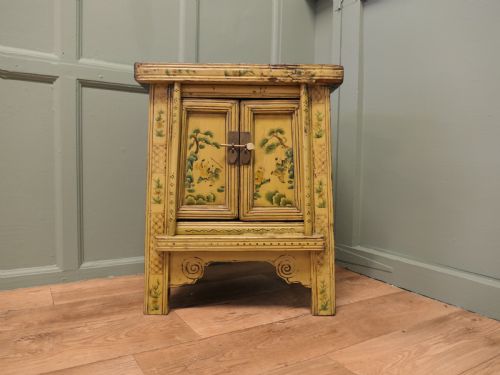
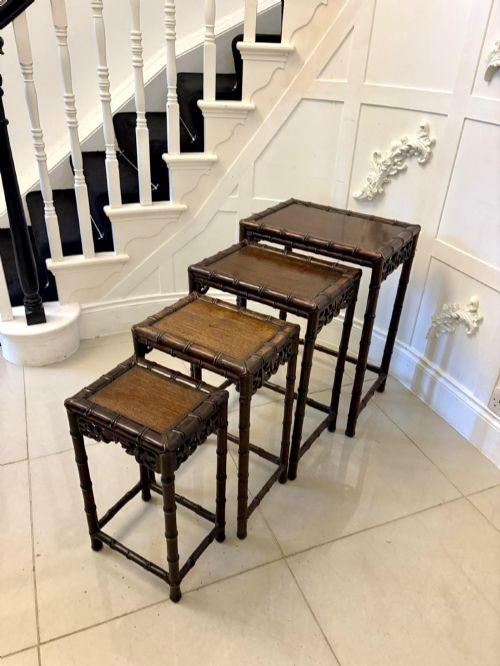
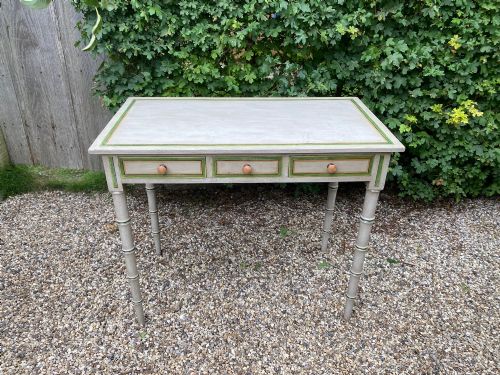
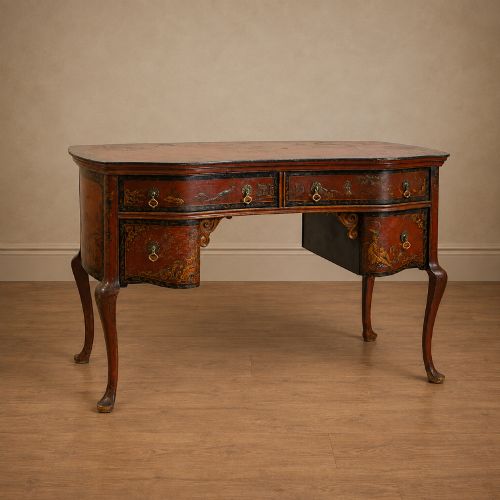
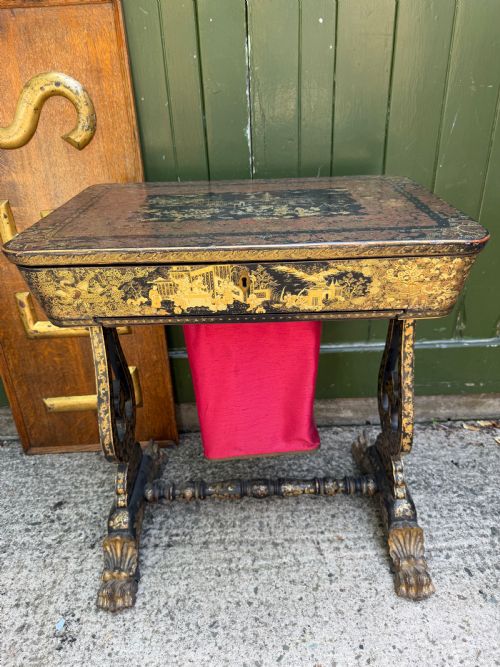
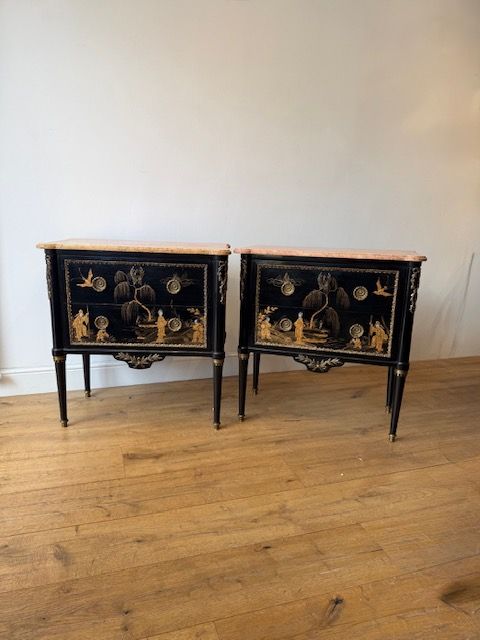
When searching for 19th century chinoiserie tables, buyers encounter side tables, nests of tables, writing desks, and work tables spanning the Regency and Victorian periods. Lacquered surfaces and painted decoration define these pieces, which originate from English workshops, French makers, and Chinese export trade. Side tables and nests appear frequently alongside cabinets and sewing tables.
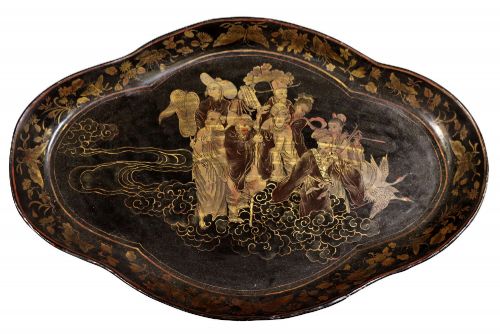
The selection ranges from early Regency faux bamboo pieces to late 19th century Aesthetic Movement and Japonisme designs. Black and gilt lacquer finishes sit alongside cream decorated grounds and painted papier-mâché tray tables. These functional items served domestic interiors as writing desks, tea surfaces, and occasional tables.
Materials and technique
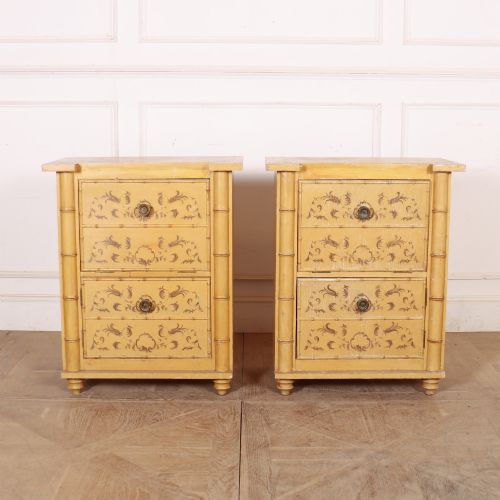
Maker construction relies on wood, lacquer, and bamboo, often shaped into faux bamboo frames or supported by brass and ormolu mounts. Surfaces receive layers of black or coloured lacquer decorated with gilt motifs in Chinese taste. Papier-mâché serves as a stable base for painted tray tables.
Craftsmen applied intricate penwork and hand-painted details depicting figures, foliage, and landscapes onto wood and lacquer. Gilding highlights architectural mouldings and turned supports, while porcelain and gilt bronze elements integrate into specific forms.
Nineteenth-century craftsmen cleverly turned ordinary timber into convincing bamboo to satisfy an endless appetite for exotic forms.
Assessing quality
The sophistication of the painted or gilt decoration separates standard production from finer work. Crisp execution in lacquer and penwork denotes skilled handcrafting, whereas softer lines indicate simpler execution.
Integrity of materials, such as original bamboo framing, authentic lacquering, and period mounts, dictates the standing of a piece within its type.
Gabriel Viardot·Miles Mason
The 19th Century Chinoiserie Tables Glossary
- Chinoiserie
- European artistic interpretation of Chinese and East Asian styles, prominent in furniture and decorative arts. This aesthetic employs motifs of figures, pavilions, and natural scenes.
- Japanning
- European imitation of Japanese lacquerwork built up in layers of varnish and heat-cured. Artisans then decorated the hardened surface with gilt or painted designs.
- Faux bamboo
- Wood turned and carved to imitate natural bamboo stems, popular in Regency and Victorian furniture. This technique provided an exotic appearance using domestic timbers.
- Penwork
- Detailed decorative technique using India ink on a prepared surface to create fine line drawings. It often adorned small tables and sewing boxes.
- Ormolu
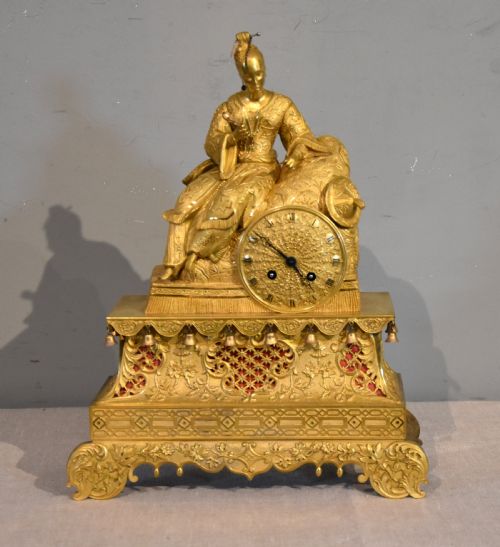
- Gilded bronze mounts applied to furniture and decorative objects for reinforcement and ornamentation. The technique involves mercury amalgamation on cast bronze.
19th Century Chinoiserie Tables: Frequently Asked Questions
What are 19th century chinoiserie tables?
These pieces comprise small domestic furniture items such as side tables, nests, and writing desks decorated in East Asian inspired styles. Makers utilised lacquer, paint, and faux bamboo to create decorative surfaces for Victorian and Regency interiors.
Export trade and European workshops produced these works using wood, papier-mâché, and gilt detailing. They functioned as versatile tables for sewing, writing, and display.
How were work tables used?
Work tables served domestic spaces as dedicated surfaces for needlework, sewing, and small writing tasks. Fitted interiors within these pieces accommodated threads, fabrics, and writing implements.
Placed beside seating areas, they provided a convenient surface while concealing materials inside compartments or fabric bags.
How to tell Regency from Victorian pieces?
Regency examples often feature crisp faux bamboo frames, ebonised surfaces, and delicate penwork dating from around eighteen thirty. These pieces lean towards classical proportions and restrained neoclassical or Chinese export motifs.
Victorian and later nineteenth century items introduce broader colour palettes, including cream grounds and kidney-shaped tops. Aesthetic Movement and Japonisme influences emerge strongly in the later decades.
How to live with lacquer furniture?
Lacquered surfaces require placement away from direct sunlight and heat sources to prevent cracking or fading. Gentle dusting with a dry cloth maintains the finish without abrasive cleaners.
Using coasters and mats protects the decorative lacquer and gilt work from moisture and heat damage during daily use.