



19th Century Chinese China
These 19th century chinese china pieces range from delicate Cantonese porcelain to robust hardwood display cabinets, offering a tangible link to global trade history.
19th Century Chinese China
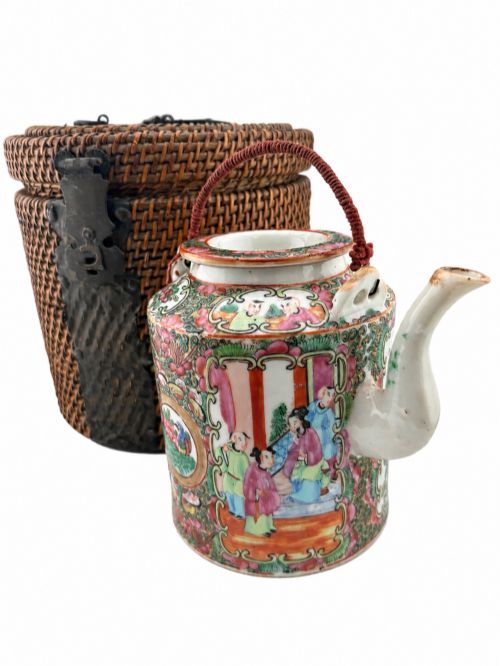
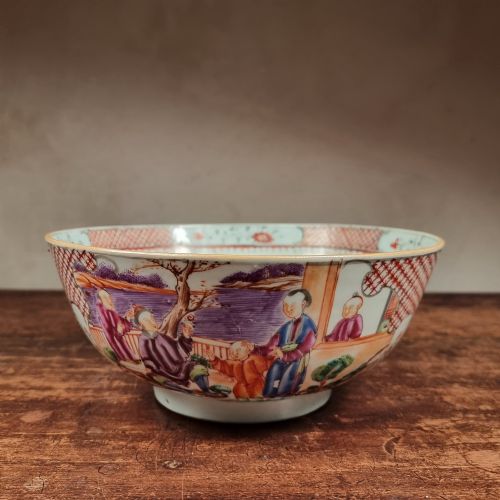
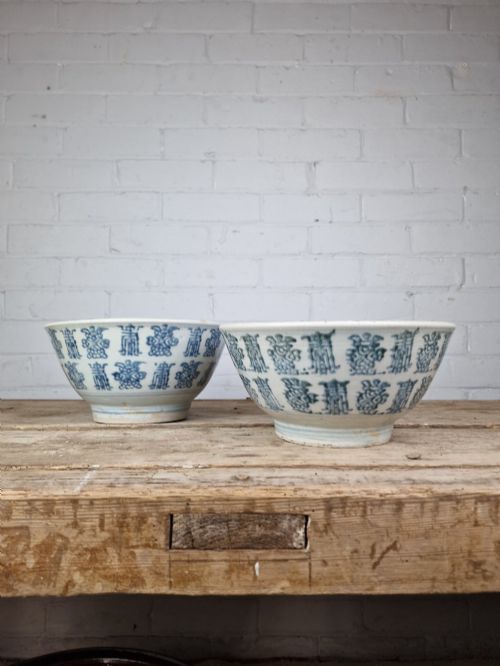
When buyers search for 19th century chinese china, they encounter a diverse array of objects spanning porcelain vessels, furniture, and decorative items. These selections typically include punch bowls, teacups and saucers, and Rose Medallion wares alongside hardwood display cabinets and trade trunks.
The objects stem from various periods, notably the Qing Dynasty and late 19th century eras, with many pieces reflecting Chinese Export and Cantonese Famille Rose traditions. Buyers are most likely to meet Cantonese porcelain vessels and carved hardwood furniture items within this selection.
Beyond ceramics, the category embraces items made for the China trade, such as painted leather trunks and Anglo-Chinese oil paintings. This mix demonstrates the cross-cultural exchange between British and Chinese makers and markets during the period.
Materials and construction methods
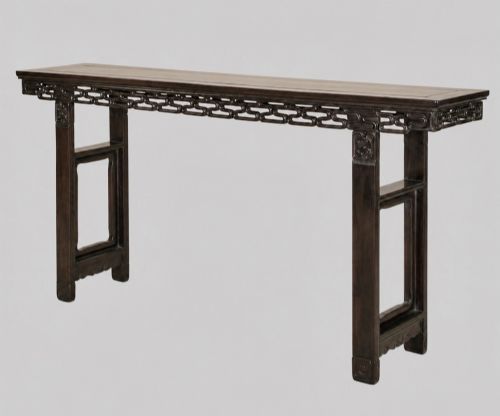
Porcelain forms the backbone of the ceramic pieces, often finished with detailed enamel painting and gold leaf highlights. Artisans also utilised hard woods like mahogany and unspecified tropical hardwoods to construct sturdy display cabinets, altar tables, and trunks.
Surface ornamentation relies heavily on hand-painted techniques, particularly seen in Cantonese Famille Rose and Rose Medallion designs. Other works incorporate carved wood details, brass fittings, and painted leather over timber frames.
19th Century Chinese China Retail Price Guide 2026
Typical asking prices for 19th century chinese china among the pieces listed under this phrase on Sellingantiques today, from the lower quarter to the upper quarter. They describe what is for sale here now, not the wider market.
Listings feature porcelain, enamel, gold leaf, brass, glass, hardwood, leather, and gilt across the nineteenth century.
Distinctions in quality and execution
Quality in 19th century chinese china is determined by the precision of hand-painted enamel work and the complexity of the ceramic glazing. Superior porcelain pieces display crisp detail in multi-figure scenes and vibrant, well-preserved colour palettes.
For furniture and wooden items, craftsmanship is evident in the depth of the wood carving and the structural integrity of joints in cabinets and tables. Finer pieces demonstrate careful selection of hardwood grains and harmonious integration of decorative glass panels.
The 19th Century Chinese China Glossary
- Qing Dynasty
- The final imperial dynasty of China, lasting from 1644 until 1912. Many ceramic and hardwood items on this page originate from its later decades.
- Chinese Export
- Goods manufactured in China specifically for western markets. These items often blend eastern materials with shapes or subjects requested by European and American buyers.
- Famille Rose
- A prominent palette of opaque enamel colours introduced in Chinese ceramics during the Qing dynasty. Pink enamel is its defining characteristic.
- Rose Medallion
- A distinct style of Cantonese porcelain decoration featuring panels filled with birds, flowers, and figures arranged around a central medallion. It became hugely popular in the west during the nineteenth century.
- Chinoiserie
- European artistic style reflecting Chinese artistic influences. This aesthetic appears in furniture and decorative objects produced in the west during the period.
19th Century Chinese China: Frequently Asked Questions
What is Rose Medallion china?
Rose Medallion is a distinct style of Cantonese porcelain decorated with segmented panels of figures, birds, and flowers. These colourful motifs are arranged around a central medallion.
Such wares were produced in large quantities during the nineteenth century for export to western markets. Their vibrant hand-painted enamels make them instantly recognizable.
How do I care for antique porcelain?
Antique porcelain requires gentle handling and should be washed by hand in lukewarm water using mild soap. Avoid abrasive sponges or harsh chemicals that can damage old enamels and gold leaf.
Keep delicate ceramic pieces away from areas prone to sudden temperature changes or direct sunlight. Display them on stable surfaces where they will not be knocked.
What is China trade furniture?
China trade furniture refers to pieces made in China specifically for export to western buyers during the nineteenth century. These often combined traditional Chinese craftsmanship with European furniture forms.
Examples include hardwood display cabinets, altar tables, and leather-covered trunks designed for long voyages. They reflect the commercial exchange of the era.
Are Samson porcelain pieces authentic?
Samson of Paris was a nineteenth-century French manufacturer known for creating high-quality reproductions and interpretations of earlier ceramics. Their work includes pieces styled after Chinese export porcelain.
Rather than attempting to deceive, Samson pieces usually bear the maker's own distinctive mark. They are collected today as skilled artistic tributes to historical styles.