



Gilded Chinese Porcelain
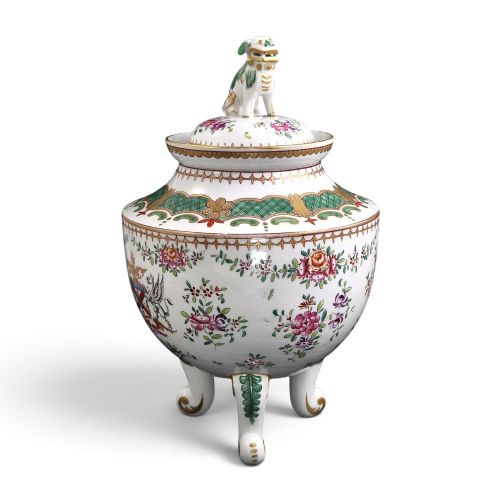
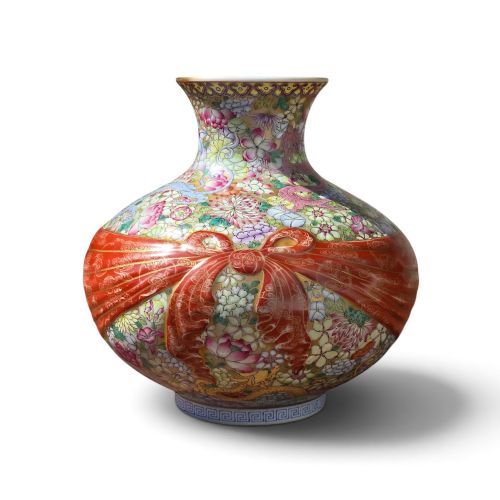
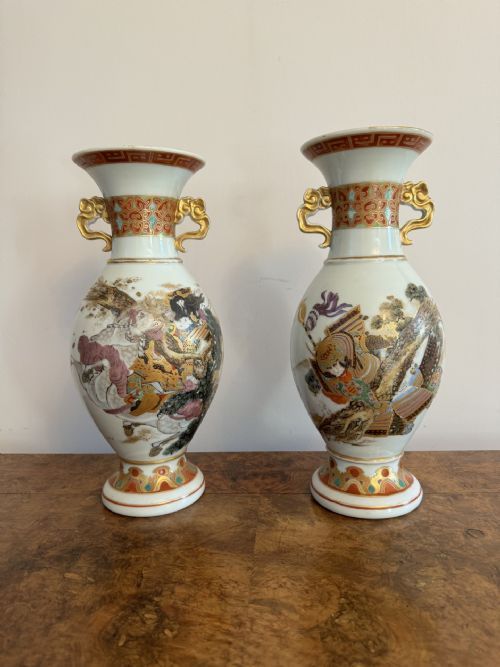
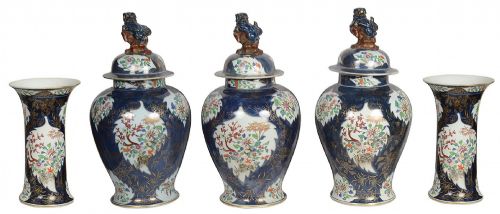
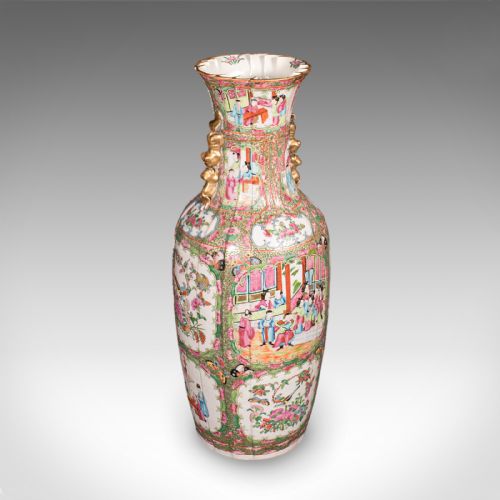
These pieces of gilded chinese porcelain combine intricate ceramic painting with metallic leaf and gilt accents, offering striking decorative presence for any interior.
Gilded Chinese Porcelain
When searching for gilded chinese porcelain, a buyer encounters a diverse range of objects created for both export and domestic markets. The selection spans utilitarian vessels like punch bowls, ginger jars, and tea sets alongside purely ornamental items such as garden seats and tall vases.
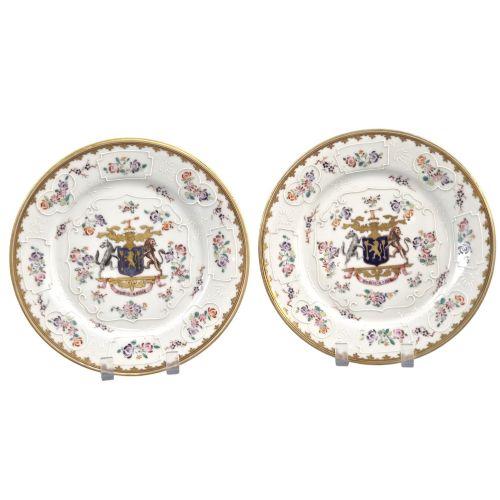
Most examples originate from the Qing Dynasty, particularly the 19th century, with notable representation from the Kangxi and Qianlong periods. European interpretations, notably French armorial wares produced by Samson of Paris, also appear within this category.
Forms vary from robust rose medallion dishes to delicate blue and white tea cups accented with gold. Buyers frequently encounter Canton vases and matching lamp conversions that adapt traditional ceramic bodies for modern domestic illumination.
How They Were Made
The foundation of these works is a hard-paste porcelain body, shaped by hand or on a wheel before initial firing. Artisans then applied detailed overglaze enamels, including famille rose, famille verte, and iron-red palettes, to build intricate pictorial scenes.
Gilding and gold leaf were applied as a final decorative layer over the fired glaze, often fixed with a subsequent low-temperature firing. Additional mounts of brass, ormolu, and silk components were sometimes added during later European conversions or original manufacture.
Listings feature porcelain forms spanning the 18th century to the 1930s, incorporating materials such as silk, brass, and enamel alongside gold leaf.
What Varies in Quality
Quality rests upon the precision of the hand-painted brushwork and the complexity of the enamel palette. Superior examples display crisp definition in the figural and floral motifs, while lesser pieces exhibit hurried execution and muddy pigment application.
The preservation of the applied gold leaf and overglaze details dictates the overall desirability of the piece. Intact, unrubbed gilding and well-preserved armorial or dragon designs elevate a ceramic vessel from a standard domestic object to a refined collector's piece.
Edmé Samson & Cie·Daisy Makeig-Jones
The Gilded Chinese Porcelain Glossary
- Famille Rose
- A palette of opaque overglaze enamels dominated by pink or rose colours, introduced during the Qing Dynasty. This technique allowed for nuanced shading in floral and figural depictions.
- Canton
- A style of Chinese export porcelain characterised by dense, colourful panels of figures, birds, and butterflies. These wares were heavily produced in the 19th century for Western markets.
- Gilding
- The application of gold leaf or powdered gold to the surface of the porcelain. It highlights specific design elements or frames painted panels.
- Armorial
- Ceramic decoration featuring a specific European family crest or coat of arms. These pieces were custom-ordered by wealthy families through trading companies.
- Imari
- A style of decoration utilising underglaze blue combined with iron-red and gold overglaze. The aesthetic originated in Japan but was widely adopted by Chinese kilns for export.
Gilded Chinese Porcelain: Frequently Asked Questions
What is gilded chinese porcelain?
Gilded chinese porcelain encompasses ceramic vessels and decorative objects adorned with painted enamels and metallic gold accents. These pieces were produced across several centuries for both domestic Chinese use and international export.
Craftsmen utilised techniques developed during dynasties such as the Qing to create intricate surfaces featuring floral patterns, figures, and armorial crests. The category includes everything from large punch bowls to ginger jars and lamps.
How are periods told apart?
Distinguishing between periods relies on examining the enamel colours, potting styles, and reign marks stamped or painted on the base. Earlier pieces from the Kangxi or Qianlong eras exhibit refined potting and specific cobalt blue tones.
Nineteenth-century items, such as Canton or rose medallion wares, often display denser, more vibrant palettes and heavier gilding. European imitations, including French pieces from the 19th century, show distinct paste compositions and stylistic adaptations.
Where were these pieces used?
Historically, these ceramics served practical dining and display functions in wealthy Chinese households and European courts alike. Large punch bowls and tea sets facilitated social gatherings, while garden seats and vases decorated interior reception rooms.
In later decades, many larger vessels like ginger jars and vases were converted into table lamps for domestic lighting. Today, collectors utilise them as decorative focal points within traditional and contemporary interior schemes.
How do I care for these objects?
Preserving gilded chinese porcelain requires gentle handling and careful cleaning away from abrasive materials. The delicate overglaze enamels and surface gilding can wear away if scrubbed with harsh detergents or stiff brushes.
Dusting with a soft, dry cloth is usually sufficient for regular maintenance. Items converted into lamps should be kept away from excessive heat and inspected periodically by a qualified professional for electrical safety.