



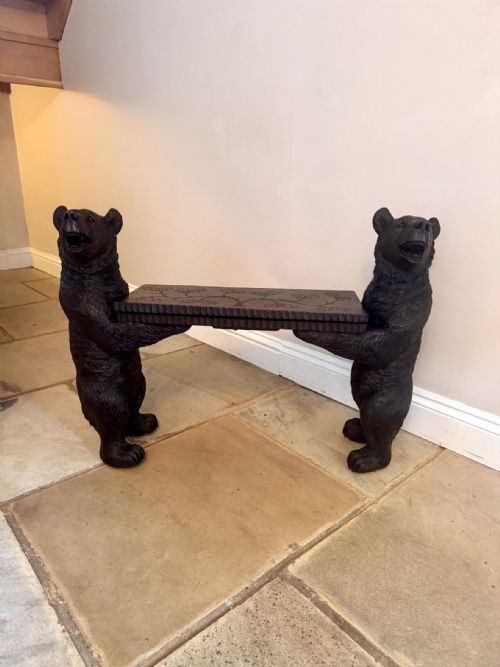
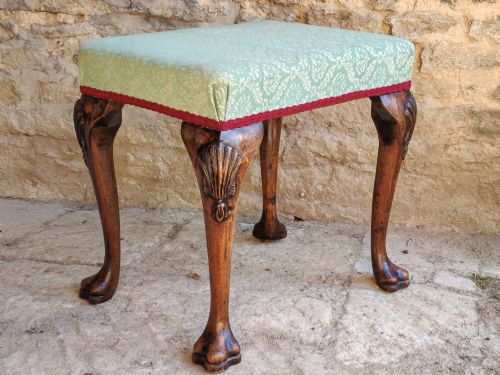
19th Century Carved Stool
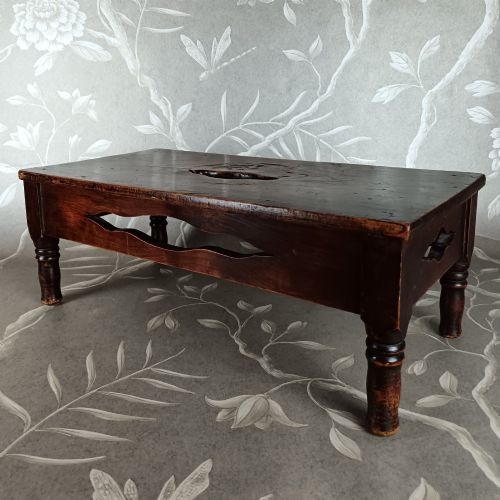
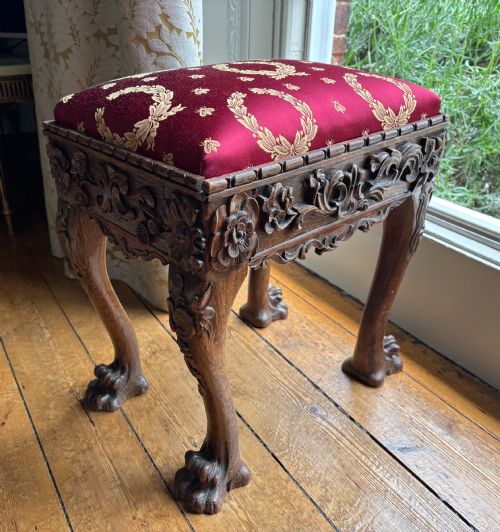
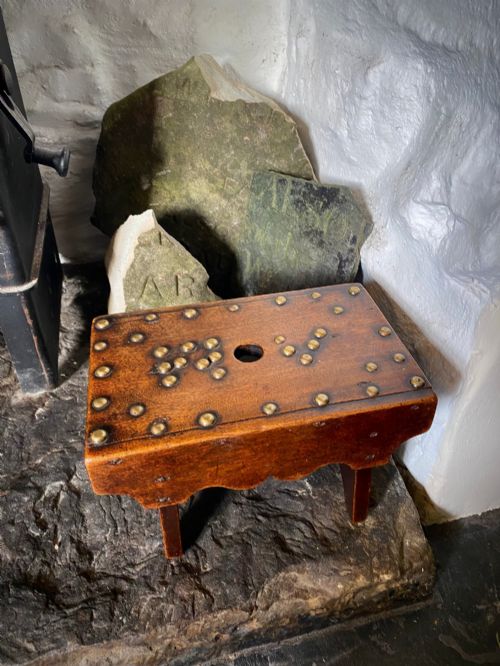
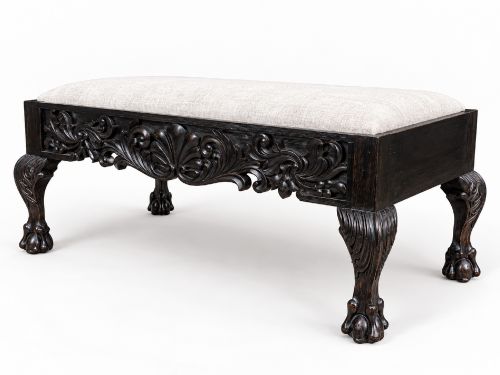
When you search for a 19th century carved stool, you encounter solid timber seating shaped by revivalist hands for parlour, bedroom, and hearth.
19th Century Carved Stool
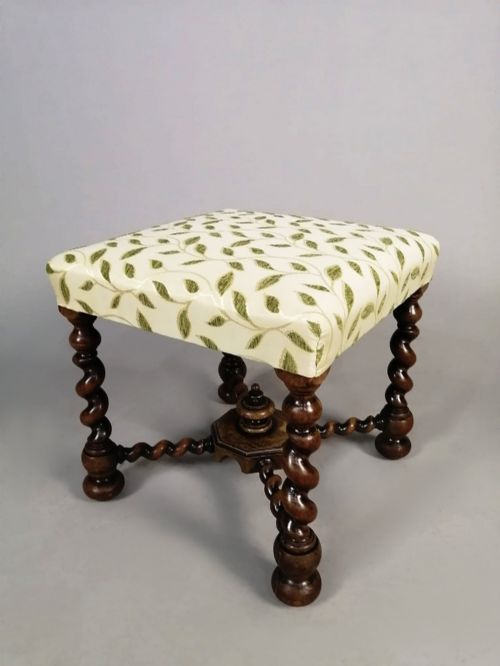
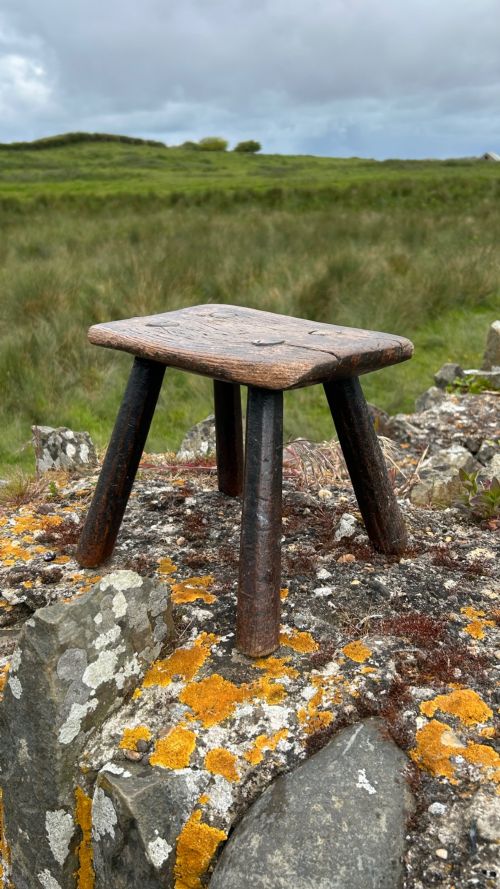
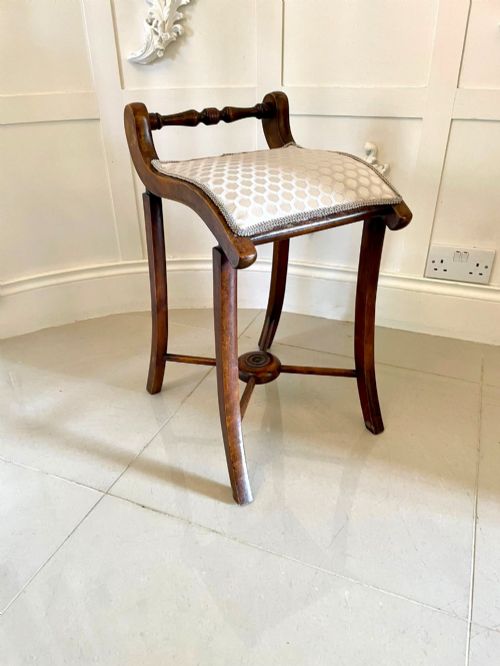
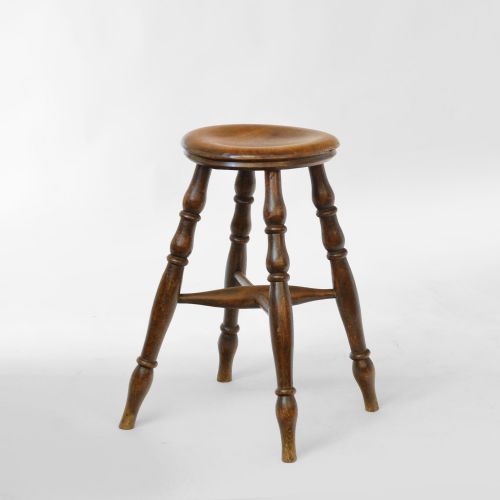
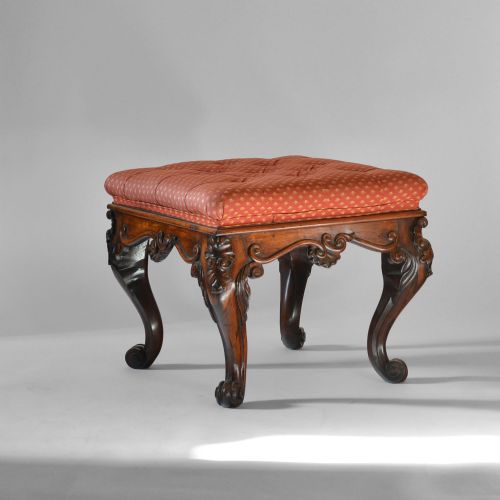
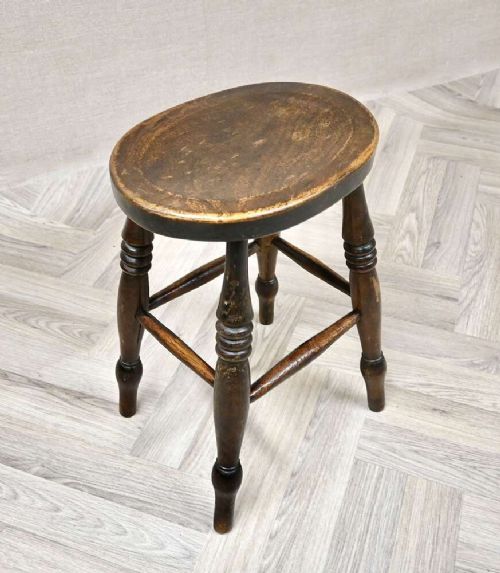
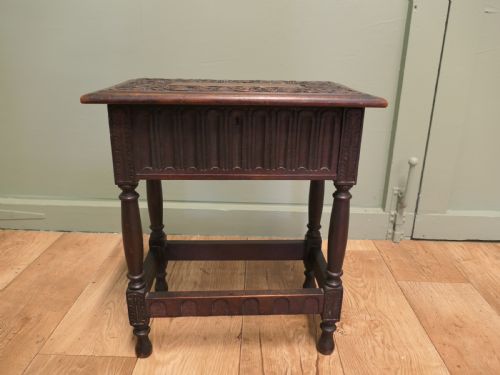
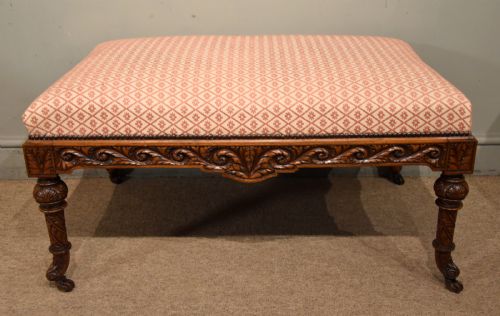
A 19th century carved stool encompasses a diverse array of domestic seating, from modest country milking stools and vernacular pine benches to elegant walnut dressing seats and rosewood piano stools. You frequently meet pieces designed for specific rooms, including piano stools, music stools, long hearth stools, and dressing stools.
The aesthetic vocabulary draws heavily on historical revivals, yielding pieces fashioned in the Queen Anne, Chippendale, Rococo, and William and Mary styles. Alongside these English interpretations appear continental European examples, French Empire designs, and Anglo-Indian rosewood or padouk pieces reflecting global trade.
Makers utilised resilient hardwoods and decorative techniques to construct everything from revolving swivel seats on tripod bases to jointed oak stands and small footstools with claw-and-ball feet. The survivor ranges from rustic primitive items to highly ornate giltwood and lacquered Chinoiserie creations.
Materials and Technique
Cabinetmakers and rural joiners constructed these seats primarily from dense timbers such as walnut, mahogany, oak, and rosewood, alongside regional fruitwoods, sycamore, and pine. Artisans shaped these woods using traditional turning, jointing, and hand-carving methods to articulate cabriole legs, spiral columns, and elaborate apron motifs.
Upholstery formed an integral part of the manufacturing process for dressing and piano seats, incorporating fabrics like velvet and textiles padded over webbing and stuffing. Giltwood and papier-mâché examples required specialised preparation, applying gold leaf, paint, or lacquered finishes over carved wood or composite bases.
19th Century Carved Stool Retail Price Guide 2026
Typical asking prices for 19th century carved stool among the pieces listed under this phrase on Sellingantiques today, from the lower quarter to the upper quarter. They describe what is for sale here now, not the wider market.
Scottish chapel organists once sat on walnut music risers while playing hymns.
Evaluating Craftsmanship
Quality rests upon the crispness and depth of the hand-carving, distinguishing sharp acanthus leaves, heraldic motifs, and masked faces from soft or mechanical machine work. The selection of timber grain, the weight of the solid mahogany or walnut, and the integrity of traditional joinery dictate structural endurance.
Refinement shows in the proportion of the turning, the symmetry of cabriole legs, and the quality of secondary materials such as original brass adjustment mechanisms or fine upholstery textiles. Greater consideration is given to pieces retaining their original finish, surface patination, and structural coherence without modern intervention.
Jennens and Bettridge
The 19th Century Carved Stool Glossary
- Cabriole leg
- A furniture leg that curves outward at the knee and tapers inward toward the ankle, frequently ending in a pad, claw-and-ball, or lion paw foot. This design originates from ancient Chinese motifs and became prominent in European revival styles.
- Claw-and-ball foot
- A carved foot depicting a bird's talon grasping a spherical ball, commonly seen on walnut and mahogany seating from revival periods. It draws inspiration from earlier 18th-century cabinetmaking.
- Giltwood
- Timber that has been coated with a thin layer of gold leaf or gold paint over a prepared gesso surface. This finish appears on decorative French and English salon seating.
- Vernacular
- Everyday utilitarian items made by local rural craftsmen using regionally available woods like pine or fruitwood without grand stylistic pretension. These pieces prioritise robust construction over academic design accuracy.
- Swivel mechanism
- The internal iron or brass hardware allowing piano and music stools to rotate and adjust in height. Surviving original movement adds functional interest for collectors.
19th Century Carved Stool: Frequently Asked Questions
What is a piano stool used for?
These adjustable seats provided musicians with stable, rotatable seating at the keyboard during practice or performance.
Many examples incorporated swivel mechanisms or rising screws to alter the height for different players.
How do I tell Victorian from Regency?
Regency pieces often display cleaner classical restraint with mahogany and rosewood veneers, reflecting earlier architectural influences.
Victorian items tend toward heavier carved walnut or oak with deep cabriole legs and exuberant revival ornamentation.
Were footstools common in the 19th century?
Footstools served a practical domestic purpose in keeping feet elevated away from cold draughty floors near the hearth.
They ranged from simple oak blocks to lavishly upholstered needlework and beadwork creations placed before armchairs.
Can I use an antique stool daily?
Solid hardwood construction in oak, walnut, and mahogany allows most antique stools to withstand regular everyday weight.
Checking the underlying joinery ensures the piece remains stable before putting it into active use in a modern room.