





Antique Chinese Bench
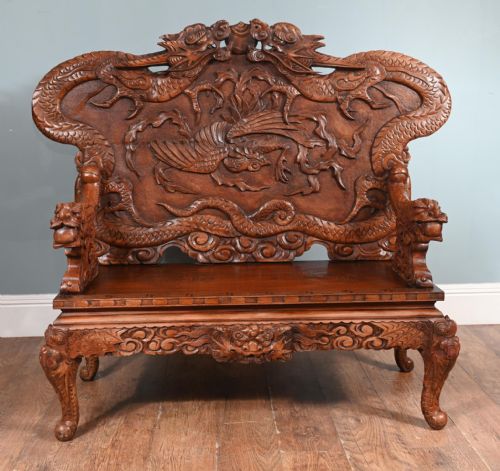
An antique chinese bench brings solid timber and carved detail into a room, offering low seating or surface space shaped by provincial and dynastic traditions.
Antique Chinese Bench
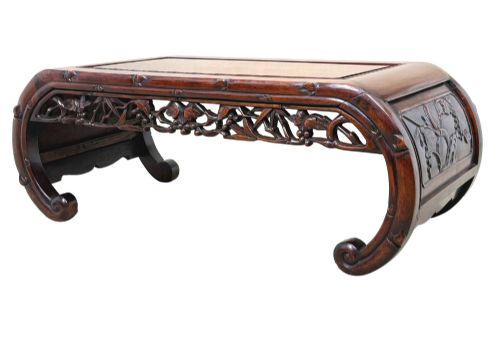
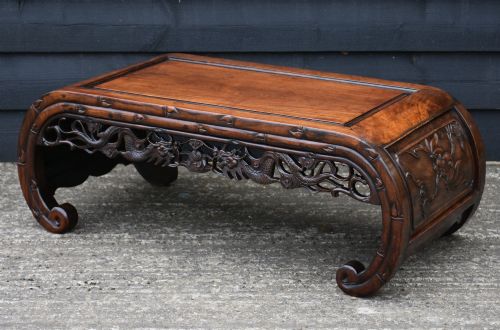
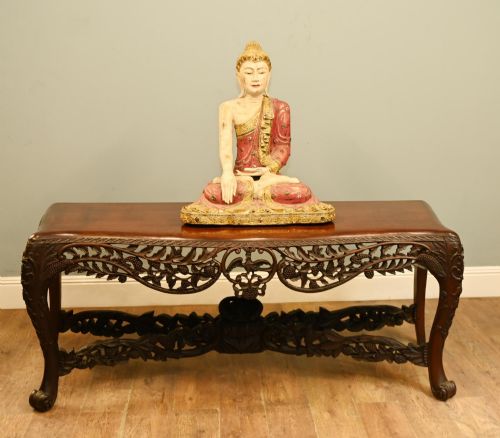
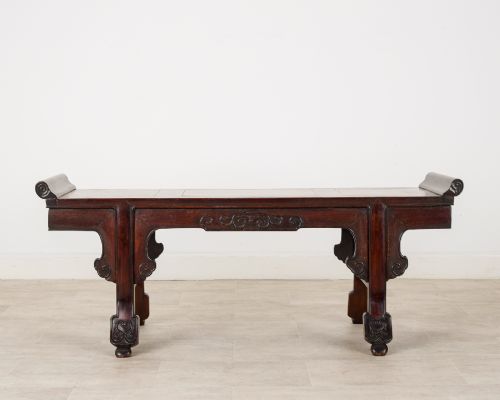
An antique chinese bench covers a range of practical forms built for sitting, resting, or supporting objects within traditional interiors. You will frequently encounter low kang tables, altar benches, and hall benches spanning the nineteenth century and the early decades of the twentieth century.
The styles appearing across these selections stretch from Qing Dynasty items and Chinese provincial pieces to export items. Makers utilised dense timbers and structural joinery suited to domestic daily life.
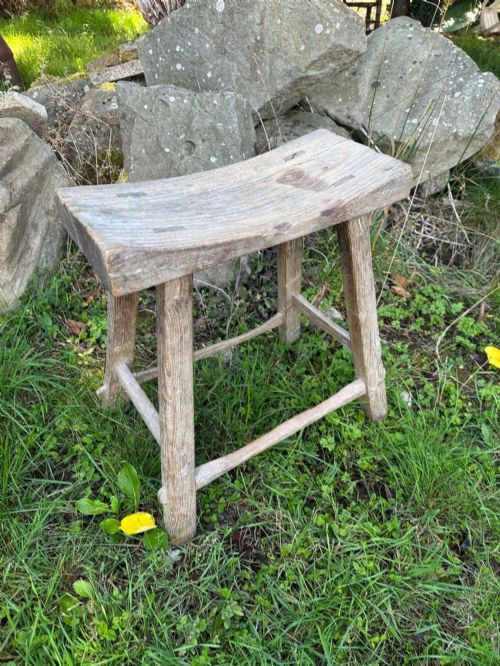
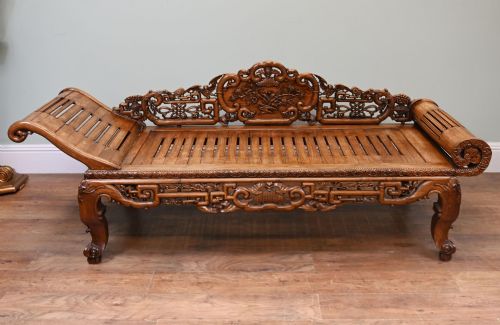
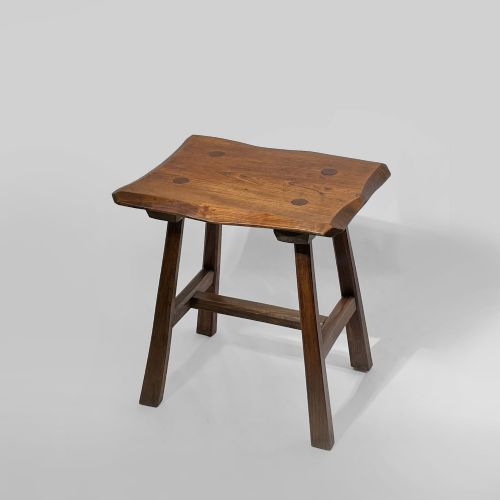
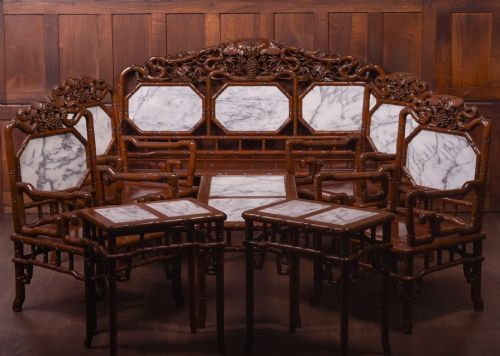
Makers shaped these utilitarian seats in various regional workshops, producing everything from rustic country elm forms to heavily carved rosewood and hongmu hall settles.
Materials and construction
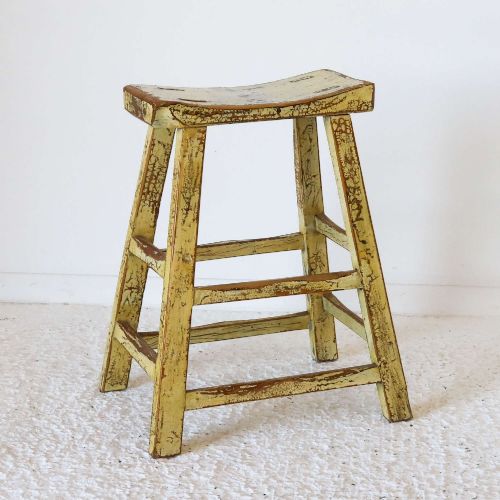
Carpenters constructed these seats using regional timbers such as elm, rosewood, hongmu, and huanghuali, often leaving the grain visible or applying layers of lacquer. Dense hardwoods provided the structural strength needed for longevity without relying on metal fasteners.
Surface ornamentation involved intricate hand carving depicting dragons, scroll ends, and floral motifs, alongside occasional mother of pearl inlay. Red lacquer and cinnabar finishes appear on specific seating types, sealing the wood and adding colour.
Antique Chinese Bench Retail Price Guide 2026
Typical asking prices for chinese bench among the pieces listed under this phrase on Sellingantiques today, from the lower quarter to the upper quarter. They describe what is for sale here now, not the wider market.
Listings feature woods such as elm, rosewood, hongmu, and huanghuali alongside decorative applications of mother of pearl inlay and red lacquer.
Assessing craftsmanship
Quality separates pieces by the crispness of the hand carving and the selection of timber used in the frame. Dense rosewood and hongmu support sharper, deeper relief work than softer provincial elm.
Original finishes and intact lacquer surfaces elevate an example above stripped or heavily restored timber. The precision of the traditional joinery dictates the structural integrity and longevity of the seating.
The Antique Chinese Bench Glossary
- Kang
- A heated brick sleeping platform in northern Chinese homes, which inspired the low tables and small benches designed to sit upon it. These low surfaces held tea sets and writing materials.
- Hongmu
- A translation meaning red wood, used to describe dense, heavy tropical hardwoods prized by traditional cabinetmakers. This material develops a deep patina over decades of handling.
- Cinnabar lacquer
- A technique involving multiple coats of pigmented resin carved into relief designs. It requires significant time to build up the layers before carving.
- Altar bench
- A long, narrow table or bench form originating from temple and domestic ancestral halls. They feature clean lines and often terminate in upturned scroll ends.
Antique Chinese Bench: Frequently Asked Questions
How do I use an antique chinese bench today?
These benches fit easily into modern hallways as seating or serve as low coffee tables in living spaces. Their sturdy construction handles daily domestic use.
Shorter stool variants work well as side tables for lamps or plants, while longer examples accommodate seating along a dining table or wall.
What is the difference between an opium table and a bench?
Opium tables and low kang benches are built lower to the ground than standard European seating, originally designed for sitting cross-legged on platforms or beds. They function primarily as low display surfaces.
Benches intended for halls or windows stand taller, offering conventional seat heights for everyday sitting or resting.
Are these pieces made from solid wood?
Traditional joiners built these items using dense native timbers like elm, rosewood, and hongmu. Construction relies on interlocking joinery rather than modern adhesives or nails.
Plank tops and structural frames consist of solid timber, which contributes to the substantial weight characteristic of these items.
How do I care for lacquered wood surfaces?
Lacquered surfaces require protection from direct sunlight and excessive moisture to prevent cracking or fading. Dusting with a dry, soft cloth preserves the original finish.
Avoid chemical polishes and abrasive cleaners, as they can permanently damage the delicate layers of historical lacquer.