




Qing Dynasty Bench
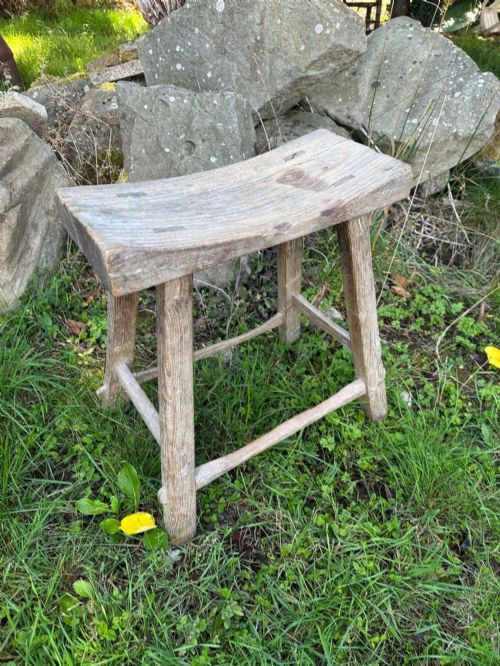
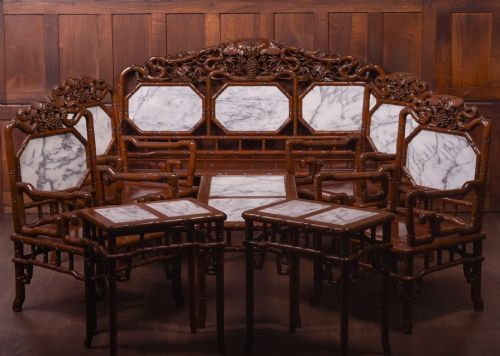
A qing dynasty bench brings solid timber craftsmanship and carved detail into a room, offering both seating and historical presence.
Qing Dynasty Bench
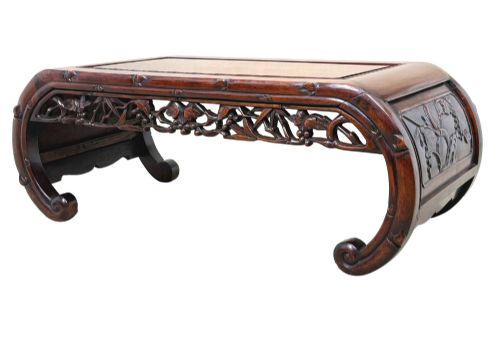
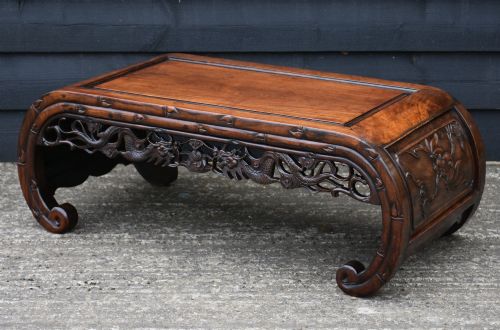
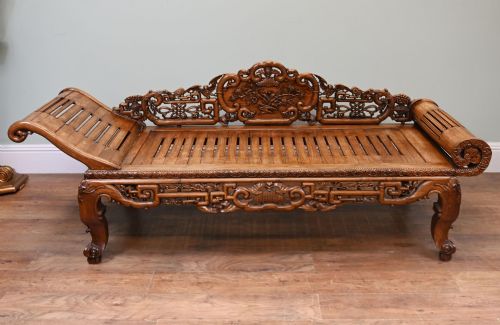
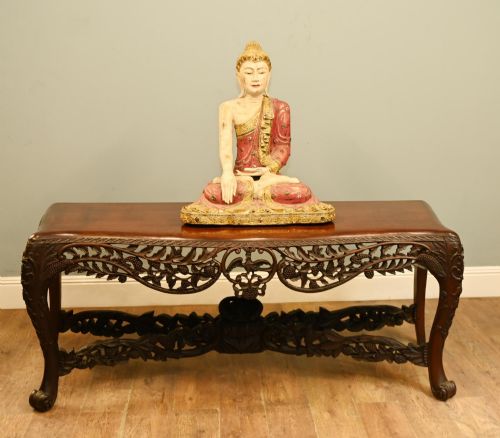
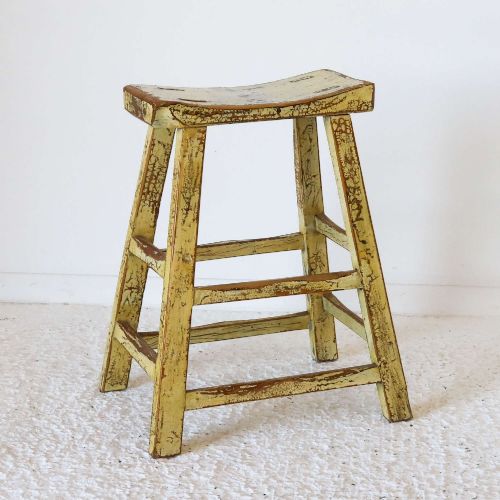
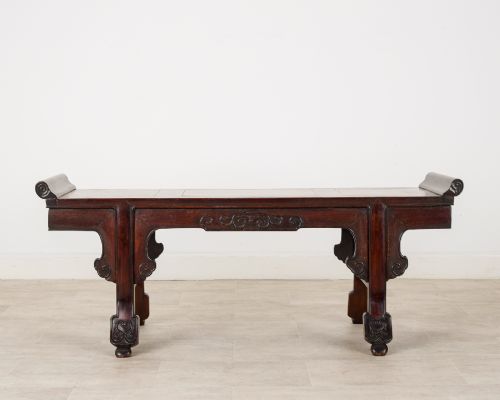
When searching for a qing dynasty bench, collectors encounter a variety of forms including long hall seats, window seats, low altar benches, and low tables spanning the nineteenth century and the early twentieth century. These pieces reflect traditional Chinese provincial and export designs, often categorised alongside related items such as settles, sofas, and stools.
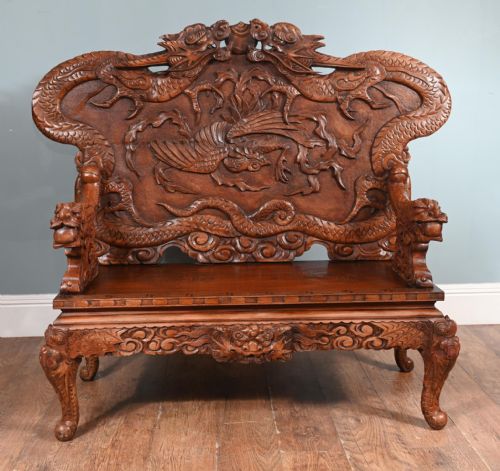
The version most commonly met on this page is the carved hardwood bench or window seat originating from the late nineteenth century or around nineteen hundred. These examples frequently incorporate decorative motifs like dragons and utilise dense timbers shaped for domestic use.
How they were made
These items rely on heavy timbers such as elm, rosewood, hongmu, huanghuali, and blonde wood, providing the structural integrity required for traditional joinery. Artisans shaped these woods into plank-top surfaces and sturdy frames using precise woodworking techniques.
Surface decoration frequently involves intricate carving, particularly around dragon motifs, alongside the application of lacquer, cinnabar, mother of pearl inlay, and marble inserts. These materials are combined to create contrasting textures and visually rich finishes across the seating and table forms.
Qing Dynasty Bench Retail Price Guide 2026
Typical asking prices for qing dynasty bench among the pieces listed under this phrase on Sellingantiques today, from the lower quarter to the upper quarter. They describe what is for sale here now, not the wider market.
Listings span periods from eighteen sixty through to nineteen thirty, showcasing materials including elm, rosewood, marble, and mother of pearl inlay.
What varies in quality
The refinement of the carving separates standard provincial examples from more exceptional pieces, with deeply undercut dragon details and crisp relief work indicating superior craftsmanship. The choice of timber also dictates the tier of the piece, as dense exotic hardwoods like rosewood and hongmu carry greater inherent prestige than standard elm or blonde wood.
Original finishes and intact surface treatments, such as preserved lacquering or mother of pearl inlay, distinguish well-preserved examples from those with heavily altered surfaces. The structural harmony of the joinery and the retention of original components further define the standing of each individual bench or seat.
The Qing Dynasty Bench Glossary
- Hongmu
- A dense, dark tropical hardwood traditionally utilised in fine Chinese furniture construction. It is prized for its weight and ability to take a sharp carved edge.
- Kang
- A low platform or table designed for sitting, sleeping, or socialising within a traditional interior. These low forms often feature scroll ends or detailed apron carvings.
- Cinnabar
- A bright red mineral pigment applied in layers of lacquer and subsequently carved with intricate designs. This technique creates durable and decorative surfaces on panels and seating.
- Cinnabar lacquer
- A layered red coating derived from the sap of the lacquer tree mixed with mercuric sulphide. It provides a smooth, resilient finish suited to detailed relief carving.
Qing Dynasty Bench: Frequently Asked Questions
Where were these benches placed in a home?
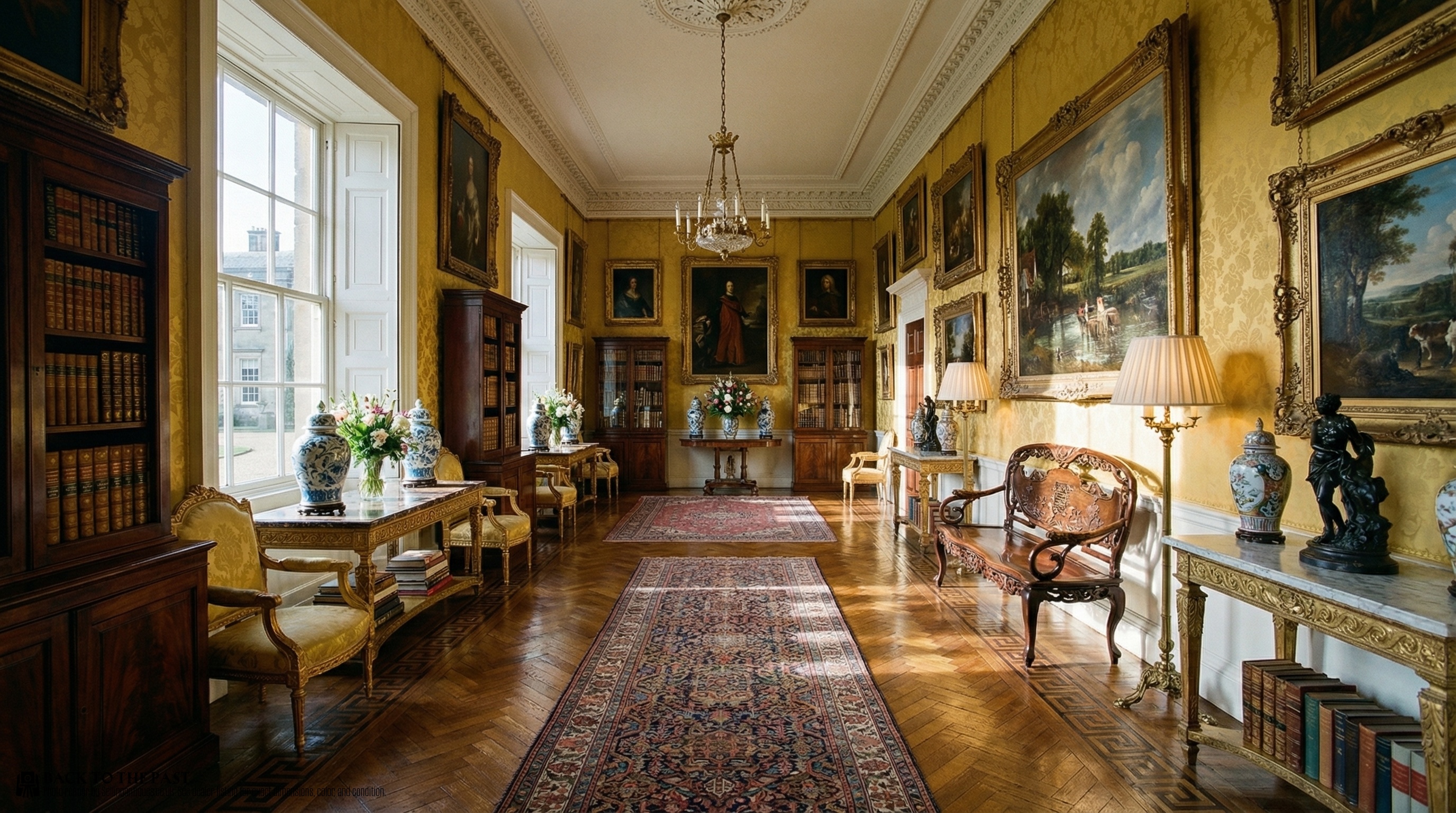
These benches were typically positioned in hallways, reception rooms, or alongside windows as dedicated seating and resting areas.
Larger settles and hall benches served formal entryways, while smaller variations functioned as window seats or low resting platforms within domestic living spaces.
How do I care for a hardwood bench?
Maintaining these pieces involves keeping them away from direct heat sources and sudden humidity changes to protect the timber.
Regular dusting with a soft, dry cloth preserves the original finish and prevents surface accumulation without risking the aged patina.
What is the difference between a bench and a settle?
A bench generally provides an open seating plank supported by trestle ends or legs, designed for versatile placement.
A settle incorporates high backs or enclosed sides to shield against drafts, offering a more substantial structure suited to formal hall use.
How can I tell the period of a bench?
Dating relies on observing the density of the hardwood, the style of the carved motifs, and the presence of original lacquer or polish.
Items from the nineteenth century often display deeper hand-carved detailing and heavier timber construction compared to later twentieth-century iterations.