



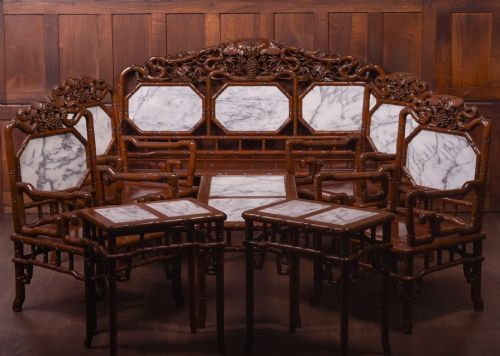
Antique Oriental Bench
An antique oriental bench brings historic timber and carved detail to a room, offering practical seating with distinct cultural character.
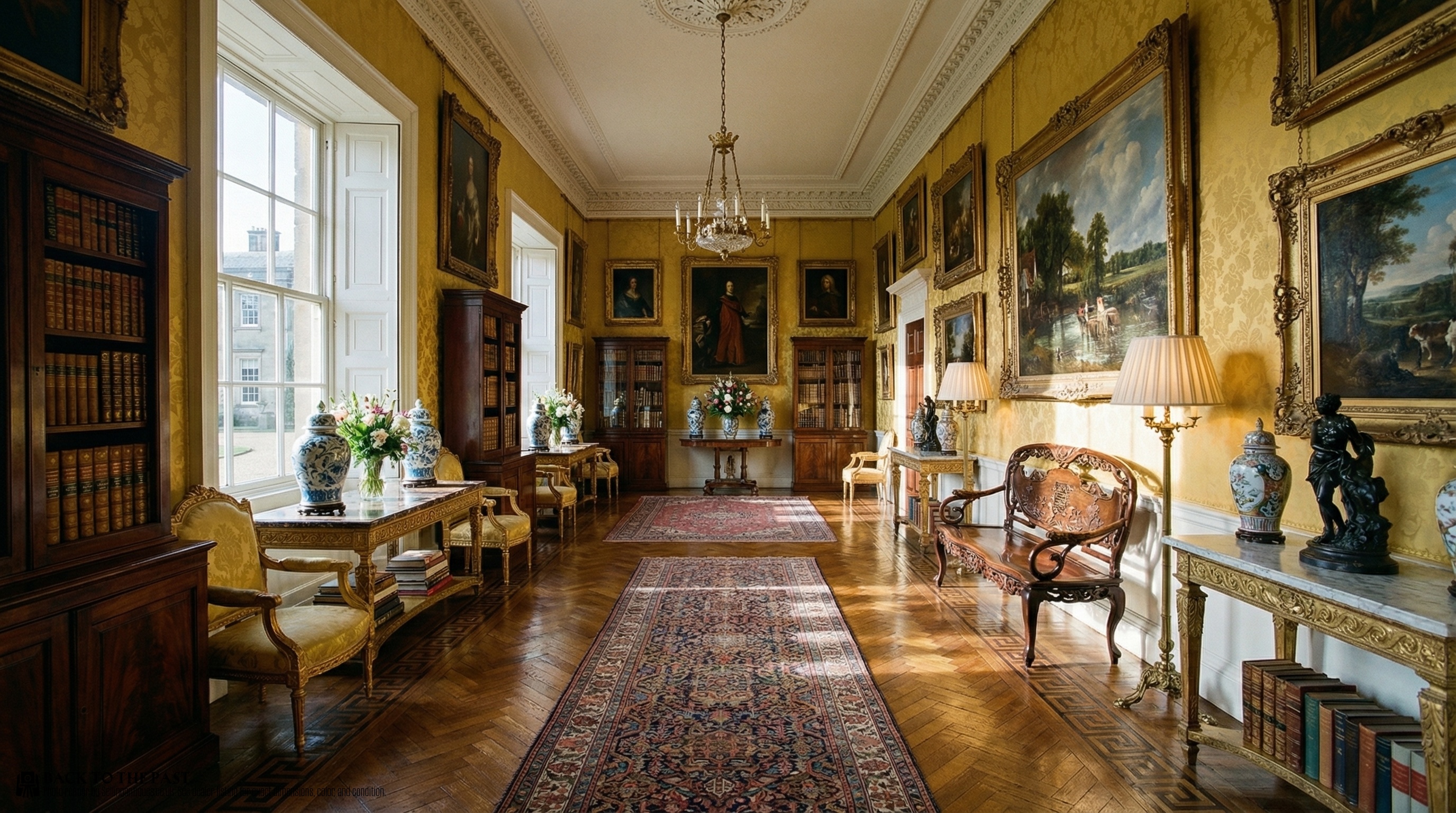
Antique Oriental Bench
An antique oriental bench encompasses various seating forms designed across Asia, particularly featuring Chinese traditions such as Qing Dynasty styles and provincial carpentry. Buyers encounter substantial hardwood hall benches, narrow window seats, and low resting surfaces intended for domestic interiors.
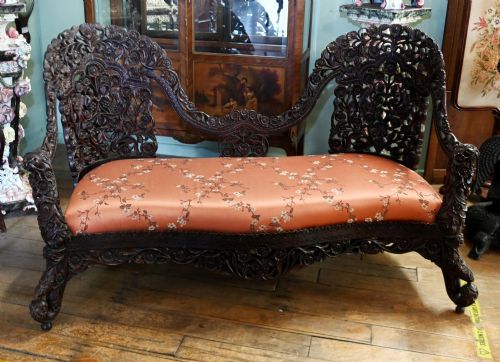
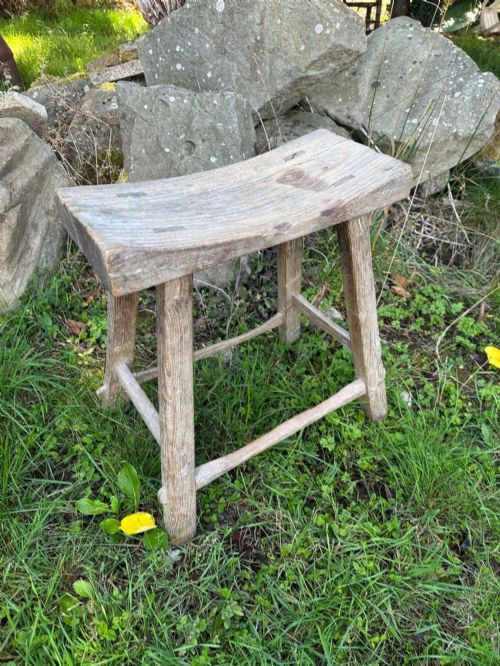
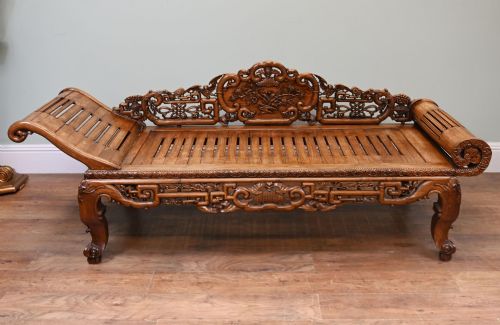
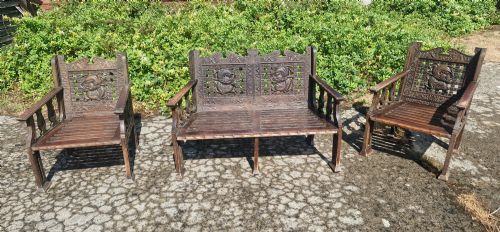
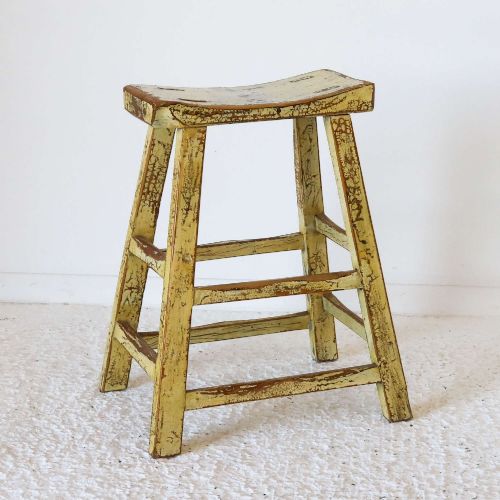
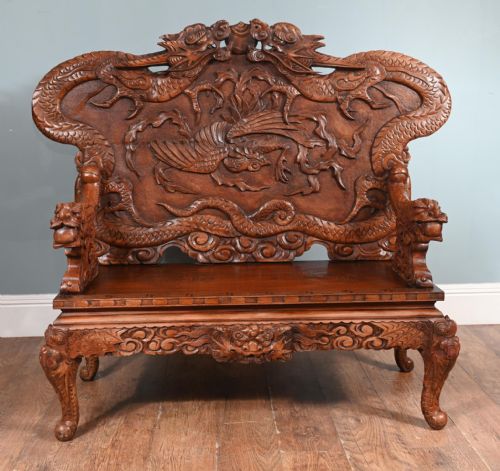
The selection ranges from large carved settees with dragon details to simpler plank-top trestle benches and day beds in blonde wood or elm. Many examples reflect traditional craftsmanship intended for specific domestic tasks like resting near windows or along hallways.
Regional variations extend to Burmese conservatory suites and Anglo-Indian designs, bringing diverse decorative approaches into a single category. The most common survivals on this page date from the nineteenth century through the early twentieth century.
How They Were Made
Carpenters utilised dense timbers including rosewood, huanghuali, hongmu, and local elm to build sturdy frames that survive centuries of use. Joinery typically relied on traditional interlocking joints rather than metal fasteners, allowing the timber to expand and contract naturally.
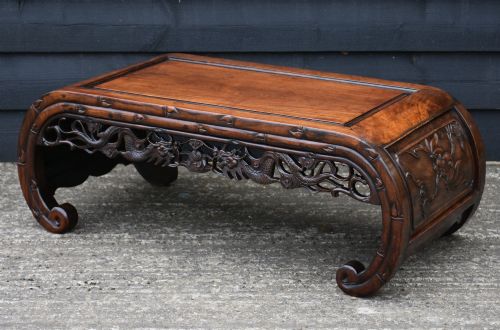
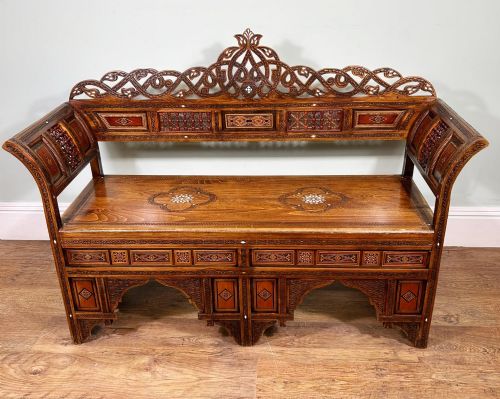
Surface ornamentation involved deep relief carving depicting dragons, floral motifs, or scroll ends, alongside contrasting inlays of mother of pearl. Artisans applied layers of lacquer and pigment to seal the wood and provide rich colour and protection.
Antique Oriental Bench Retail Price Guide 2026
Typical asking prices for oriental bench among the pieces listed under this phrase on Sellingantiques today, from the lower quarter to the upper quarter. They describe what is for sale here now, not the wider market.
Some dragon benches stare so fiercely they make you wonder who was supposed to sit bravely in front of them.
What Varies in Quality
Quality rests significantly on the choice of timber and the precision of the joinery, with denser hardwoods holding crisp carving far better over time than softer woods. Pieces retaining their original lacquer and finish demonstrate superior preservation compared to those stripped or heavily restored.
The depth and fluidity of the carved details separate standard production items from masterworks executed during periods like the Qing Dynasty. Proportions and structural integrity also dictate distinction, as well-balanced proportions indicate thoughtful workshop design.
Whytock and Reid
The Antique Oriental Bench Glossary
- Kang table
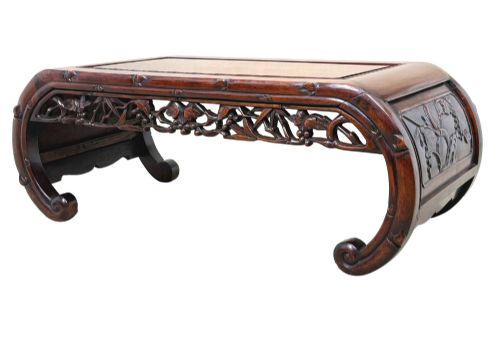
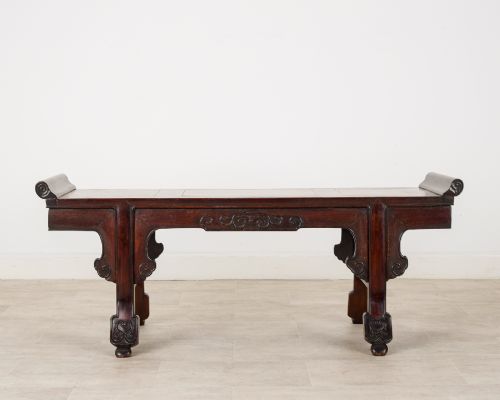
- A low platform table traditionally used on a heated brick bed in northern China for dining or writing. These scale down neatly for modern coffee table use.
- Opium table
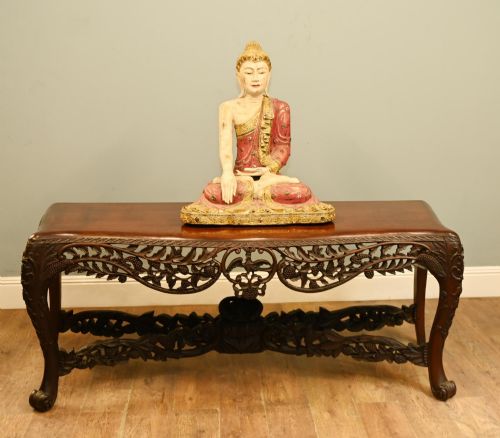
- A low rectangular or square table associated with leisure and social gatherings. They often feature carved aprons and scroll feet.
- Huali
- A fragrant and durable Asian hardwood prized for its rich grain and stability in furniture making. Craftsmen utilised it for fine Qing Dynasty seating.
- Settle
- A wooden bench with high back and solid arms designed to block draughts in older rooms. Oriental examples often incorporate intricate panel carving.
- Cinnabar lacquer
- A traditional technique of applying multiple coats of red mercuric sulphide lacquer to a carved base. It creates a deeply textured surface.
Antique Oriental Bench: Frequently Asked Questions
How were antique oriental benches used originally?
These benches served versatile functions in traditional households, placed along walls for formal seating or positioned near windows to catch natural light. Lower variants functioned as resting platforms or surfaces for serving tea.
Over time, different rooms required specific forms, ranging from narrow hall seats to broader day beds designed for daytime relaxation.
What is the difference between an opium table and a bench?
An opium table is built low to the ground for use while sitting on cushions or a platform, whereas a bench provides elevated seating at standard chair height. Both share similar carved hardwood construction and regional decorative motifs.
Proportions separate the two forms, with benches offering backrests or longer spans suited for multiple occupants.
How do I care for lacquered wood furniture?
Lacquered surfaces require gentle cleaning with a dry or barely damp microfiber cloth to remove dust without damaging the finish. Avoid direct sunlight and excessive humidity to prevent the lacquer from cracking or lifting.
Regular polishing is unnecessary, as traditional finishes benefit from minimal intervention and stable indoor temperatures.