




Chinese Carved Hall Bench
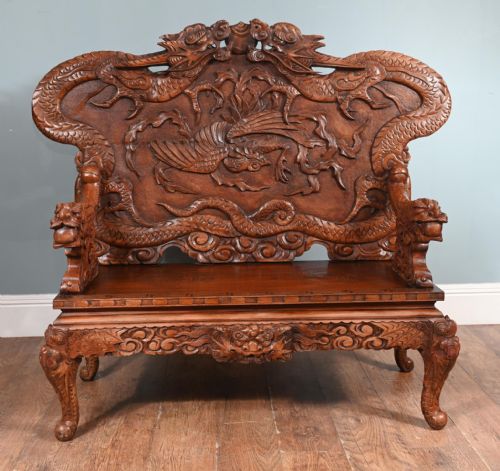
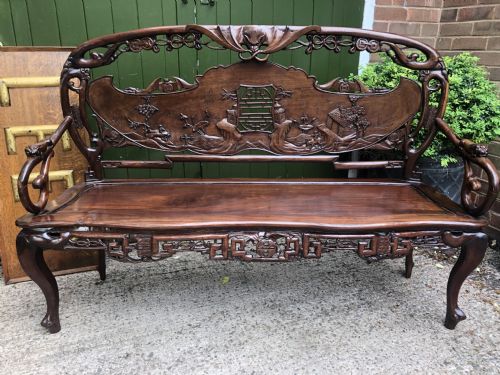
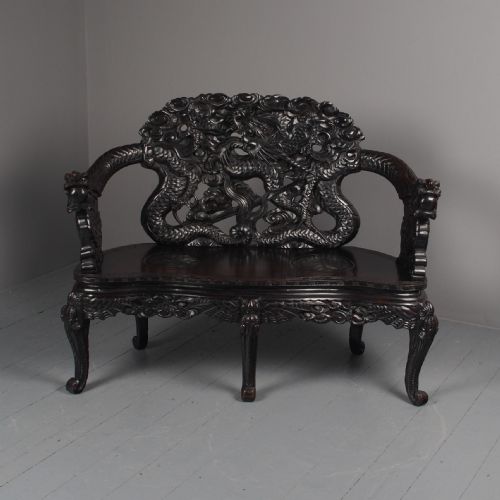
These pieces of chinese carved hall bench seating bring sculptural presence to an entrance, combining dense woods with intricate figurative carving.
Chinese Carved Hall Bench
When you search for a chinese carved hall bench, you encounter substantial seating forms designed primarily for hallway or entryway use. The evidence shows pieces spanning the nineteenth century through the early twentieth century, taking the shape of benches, settles, corner benches, and seating sets.
You are most likely to meet hardwood examples from the nineteenth century or the nineteen hundreds on this page. These items often incorporate traditional Chinese stylistic elements alongside specific regional object types such as settles and armchairs.
The historical scope ranges from the mid-nineteenth century, including dated examples from eighteen sixty, up to nineteen thirty. The forms vary from straightforward rectangular hardwood benches to more elaborate corner seating and matching dining suites.
How they were made
Makers utilised dense timbers including rosewood, elm, blonde wood, and ebonised hardwood to construct these heavy frames. These hardwoods provided the structural stability required for deep relief carving and long-term use.
Surface treatments recorded in the evidence include cinnabar lacquer and marble insets. Some pieces also feature bone inlay work set into the polished wood surfaces.
The listings show materials spanning rosewood, elm, and ebonised hardwood alongside marble insets and cinnabar lacquer.
What varies in quality
The depth and definition of the carved ornamentation separate standard examples from finer works. Pieces featuring detailed dragon motifs or horse shoe designs reflect greater hand-carving skill than simpler linear forms.
Material selection significantly impacts the character of each piece, with dense rosewood and inset marble representing a higher grade of manufacture than basic elm or standard hardwood.
The Chinese Carved Hall Bench Glossary
- Hardwood
- Dense timber derived from broad-leaved trees, utilised for structural integrity and fine carving detail. Rosewood and elm are typical examples found in these listings.
- Cinnabar lacquer
- A traditional decorative coating made from multiple layers of coloured resin derived from the lacquer tree. It allows artisans to carve intricate patterns directly into the hardened surface.
- Bone inlay
- A decorative technique where small pieces of animal bone are embedded into recesses within the wood surface. This creates contrasting patterns against the dark timber.
- Settle
- A wooden bench featuring a high back to block draughts and solid arms. These forms were adapted within Chinese workshops to create grand hallway seating.
- Qing Dynasty
- The final imperial dynasty of China, lasting from sixteen forty-four until nineteen twelve. Furniture from this period is defined by traditional craftsmanship and formal regional styles.
Chinese Carved Hall Bench: Frequently Asked Questions
Where should a hall bench be placed?
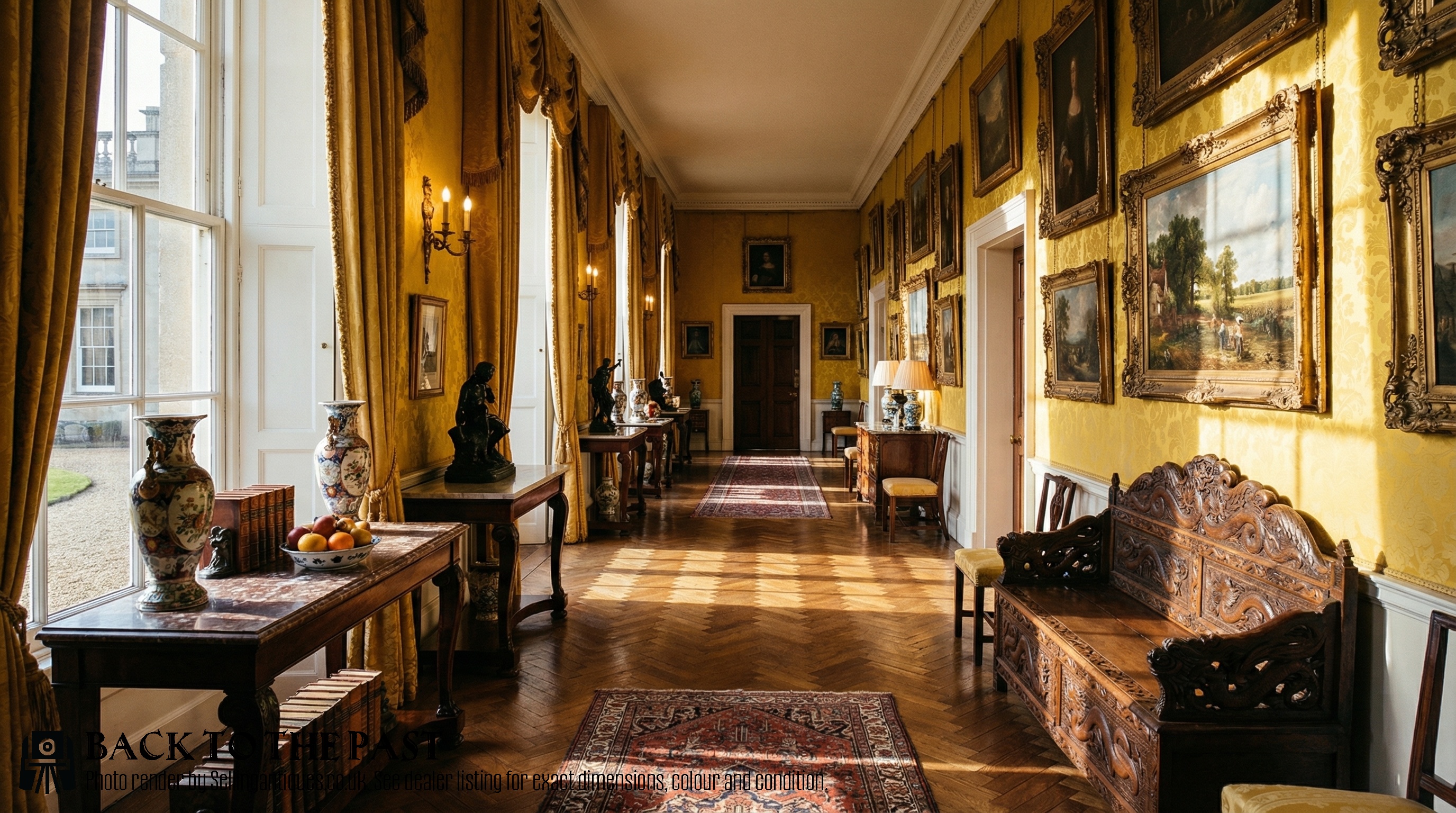
These pieces suit large entryways, hallways, or spacious reception rooms where their substantial depth and decorative backs can be appreciated. They function well against plain walls that allow the carved details to stand out.
Ensure the floor space accommodates the heavy timber frame without obstructing doorways or passage routes through the home.
How do I clean carved wood?
Dust the intricate carved crevices regularly using a soft, dry brush to prevent dirt accumulation. Avoid harsh chemical cleaners that can strip the polished hardwood or damage lacquer surfaces.
Apply a neutral beeswax polish sparingly if the timber appears dry, buffing gently with a clean cloth.
Are these benches comfortable for sitting?
Most historic examples feature rigid wooden seats designed primarily for brief periods of rest in an entrance hall. Adding custom cushions can soften the seating surface for daily use.
The high backs and supportive arms provide an upright posture typical of traditional seating design.
How do I identify a Qing Dynasty piece?
Look for traditional construction methods, dense hardwoods like rosewood, and stylistic motifs associated with imperial Chinese design. The evidence shows these pieces often date from the nineteenth century or early nineteen hundreds.
Check for characteristic joinery and the presence of hand-carved dragons or classical ornamentation.