


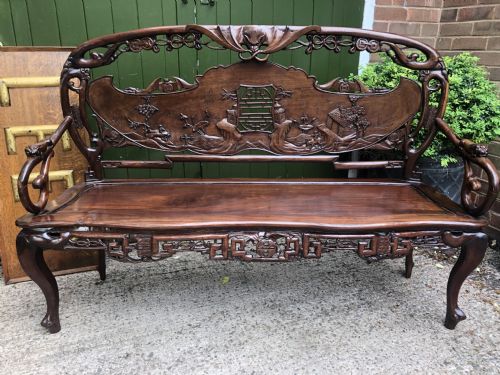

Asian Carved Wood Bench
An asian carved wood bench brings substantial carved timber and historic regional design into a room, offering both seating and strong sculptural presence.
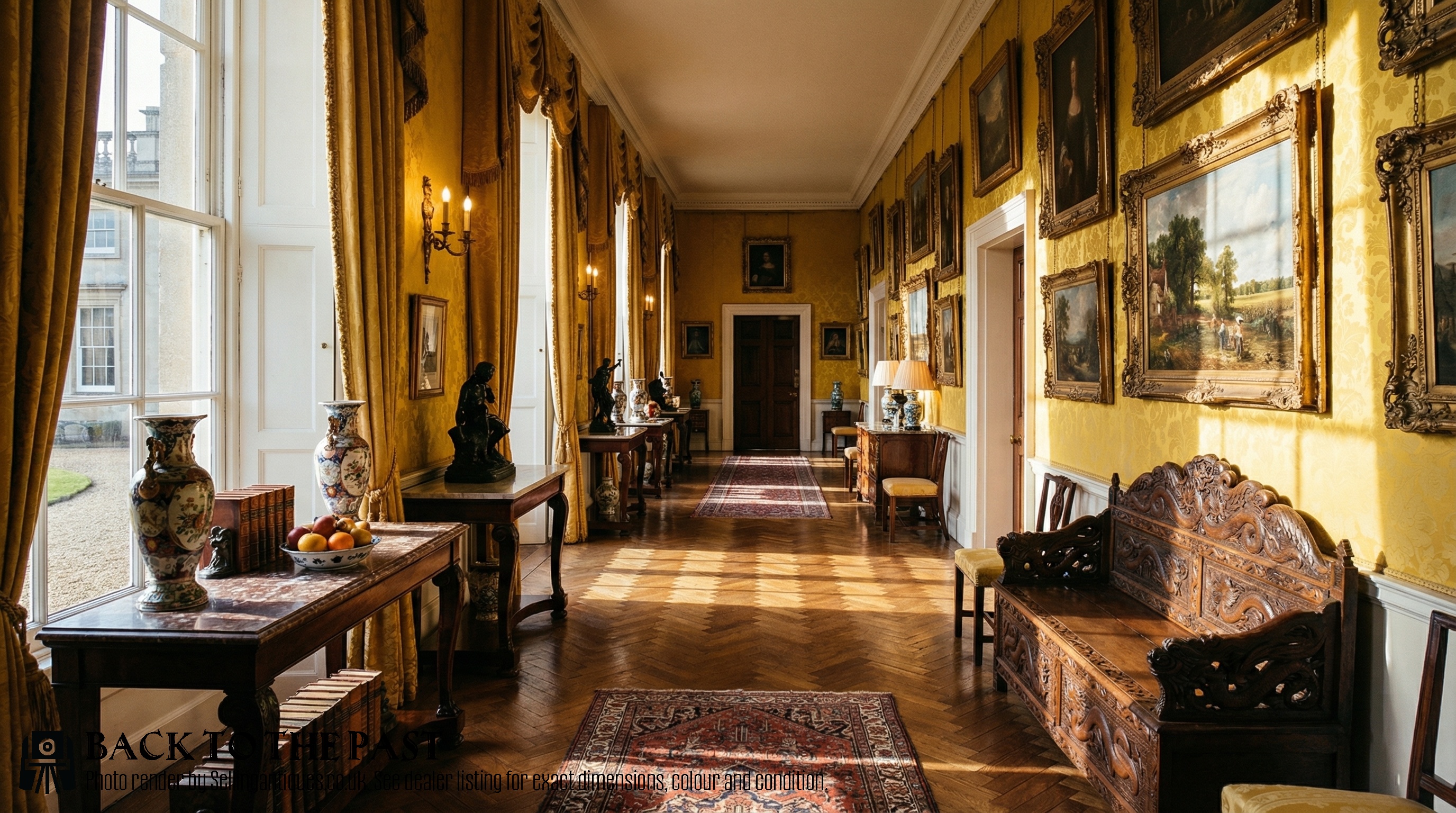
Asian Carved Wood Bench
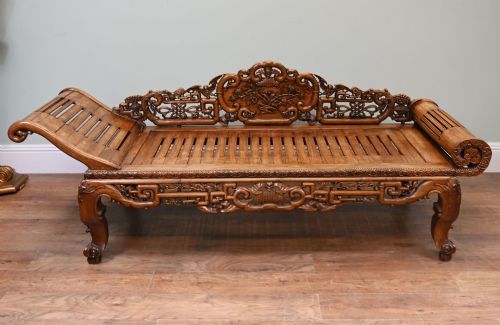
When searching for an asian carved wood bench, buyers encounter a variety of forms including hall benches, window seats, day beds, and corner seats originating from the nineteenth century up to around nineteen hundred. These pieces span Chinese regional styles, folk art traditions, and Qing Dynasty aesthetics.
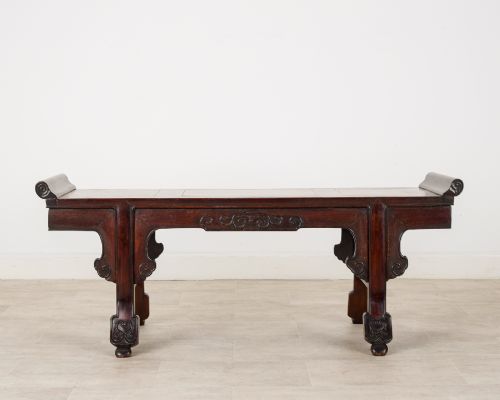
The selections most frequently met on this page include hardwood altar benches, low tables utilised as seating, and carved hall seats constructed from dense timbers such as rosewood, elm, and hongmu.
How they were made
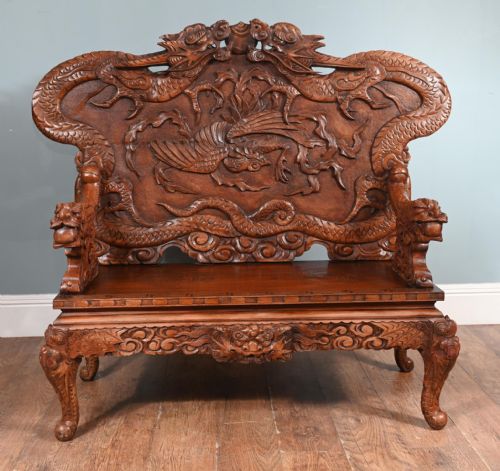
Craftsmen built these pieces primarily using dense hardwoods like rosewood, hongmu, and huanghuali, alongside regional elm and blonde wood, joined with traditional framing techniques. Surfaces were frequently carved with deep relief dragon motifs or finished with cinnabar lacquer and gold leaf.
Structural elements rely on heavy timber framing adapted for benches, day beds, and low seating platforms, often integrating sculpted animal forms and intricate pierced panels directly into the wood.
Listings feature items dated across the nineteenth century and around nineteen hundred, utilising hardwoods, elm, rosewood, and lacquer.
What varies in quality
Quality rests in the crispness of the wood carving, the density and choice of timber such as hongmu or rosewood versus simpler elm, and the preservation of original lacquer or surface finishes. Pieces featuring deeply articulated dragon details or complex joinery display higher levels of workshop execution.
Proportion and structural integrity also separate standard regional items from more ambitious Qing Dynasty commissions, where the balance of the carved seat and framing remains entirely solid over time.
The Asian Carved Wood Bench Glossary
- Hongmu
- A dense tropical hardwood prized in Chinese furniture making for its deep colour and heavy weight. It is capable of taking extremely sharp carved details.
- Cinnabar lacquer
- A traditional layered red coating made from the mineral cinnabar that is built up on a wooden base before being carved with intricate motifs. This technique demands considerable time and skill from the artisan.
- Qing Dynasty
- The final imperial dynasty of China, lasting from sixteen forty-four to nineteen twelve, which produced distinctive heavily carved hardwood and lacquered furnishings. Pieces from this era often incorporate traditional dragon and symbolic motifs.
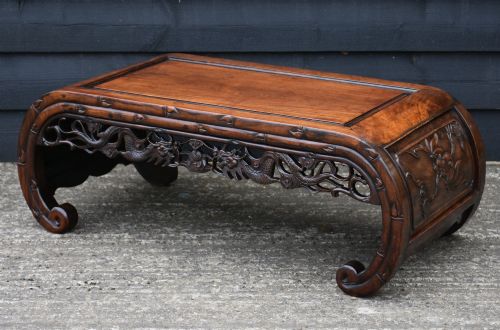
- Opium low table
- A low platform table originally used for resting or reclining, frequently adapted in modern interiors as a coffee table or low bench. These pieces are typically fashioned from dense hardwoods with carved edges.
Asian Carved Wood Bench: Frequently Asked Questions
How do I clean an antique carved bench?
Dust the carved crevices gently with a soft, dry brush to prevent dirt accumulation without disturbing the wood grain or lacquer surfaces. Avoid using modern chemical polishes or water, which can damage historic finishes.
Apply a microcrystalline wax sparingly if the timber appears dry, buffing it gently with a soft cloth to maintain a natural lustre over time.
Where should I place a low bench?
These pieces function effectively beneath windows as low seating, in hallways as narrow resting points, or paired with living room upholstery as coffee tables. Their low profile keeps sightlines open in smaller rooms.
Ensure the bench sits away from direct heat sources and strong sunlight to protect the aged hardwood and any delicate lacquer work from drying out.
How do I identify Qing Dynasty pieces?
Look for dense tropical hardwoods like rosewood or hongmu combined with deep relief carving depicting dragons or traditional symbols. Construction methods typically rely on traditional mortise and tenon joinery without modern metal fasteners.
Examine the patina of the wood and the wear patterns around the seat edges, which develop naturally through decades of use in historic Chinese interiors.
What is the difference between elm and hongmu?
Elm is a domestic timber with a prominent grain pattern, often found in regional folk pieces and lighter provincial furniture. It offers durability with a more rustic appearance.
Hongmu is an imported dense tropical hardwood valued for its exceptional weight, dark colour, and capacity to hold extremely sharp, intricate carved details associated with formal Qing Dynasty workshops.