
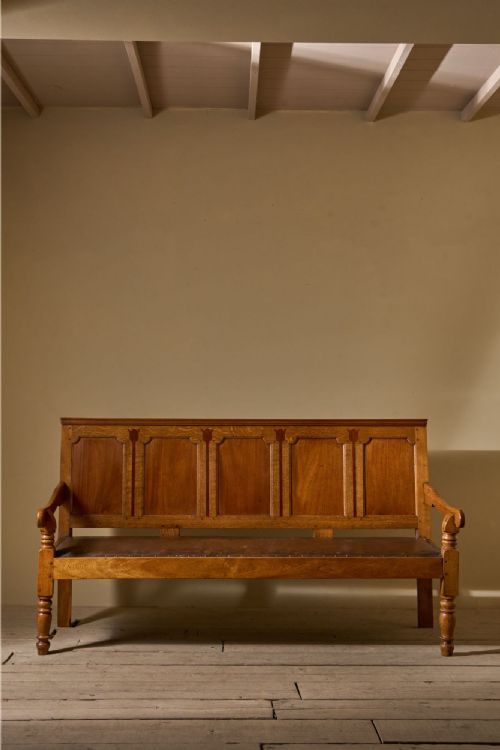
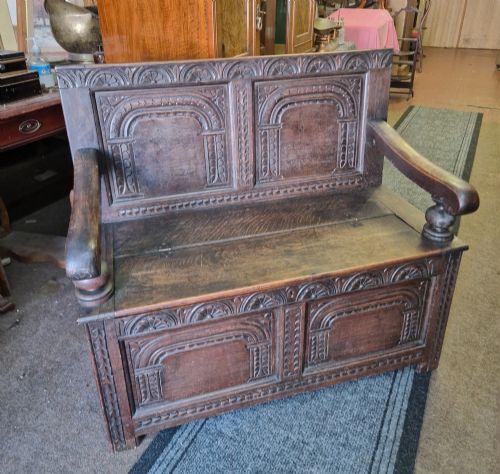
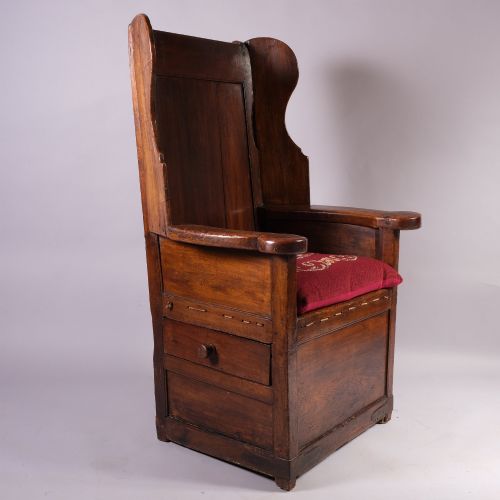
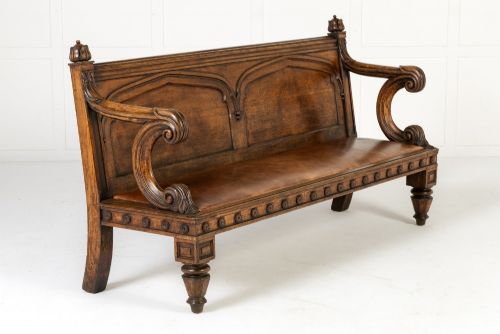
Carved Brown Settle
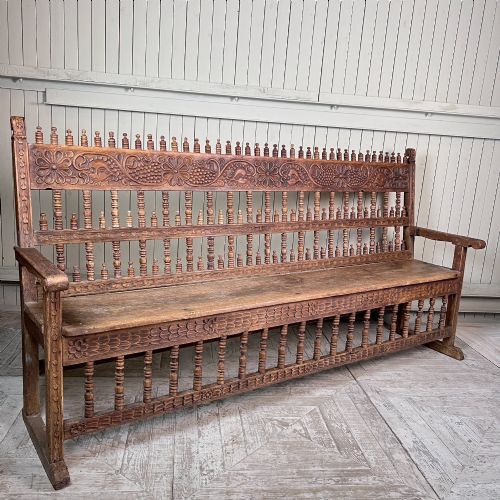
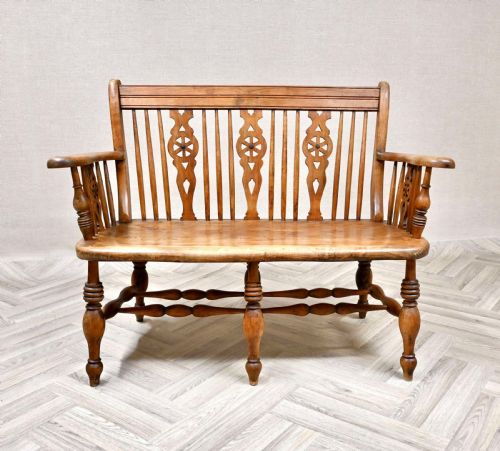
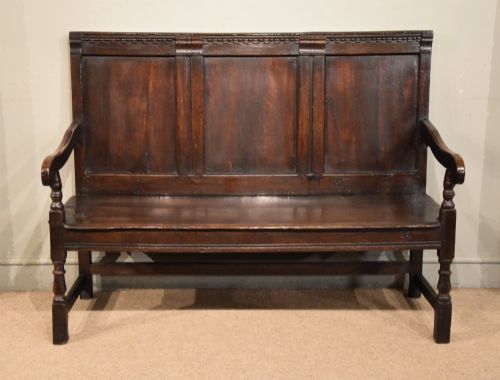
A carved brown settle provides solid seating with panelled backs, emerging most often in oak from the seventeenth to the nineteenth centuries.
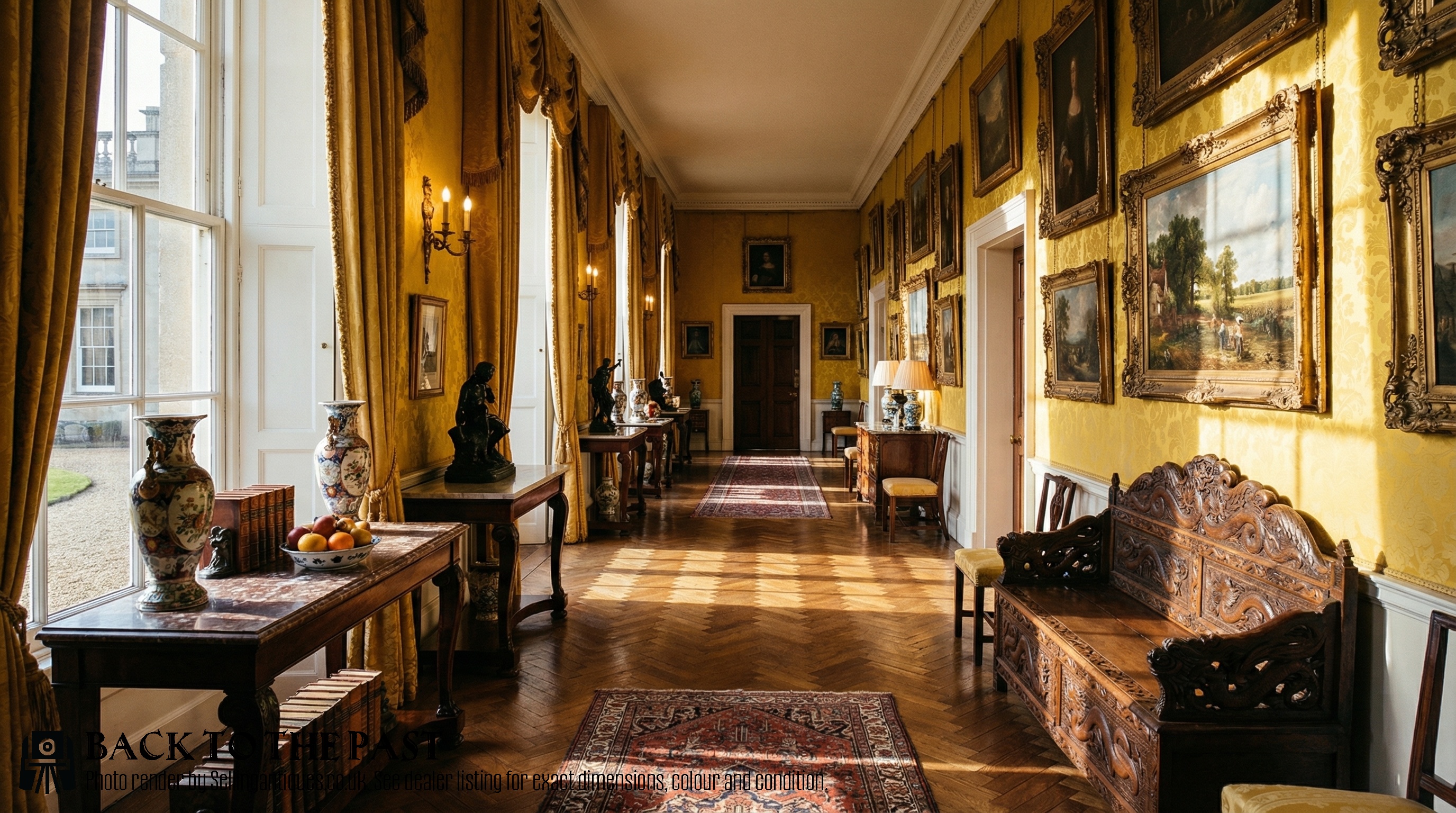
Carved Brown Settle
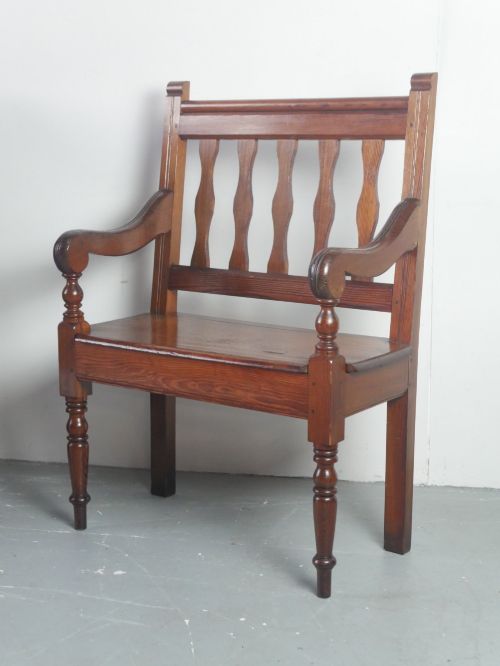
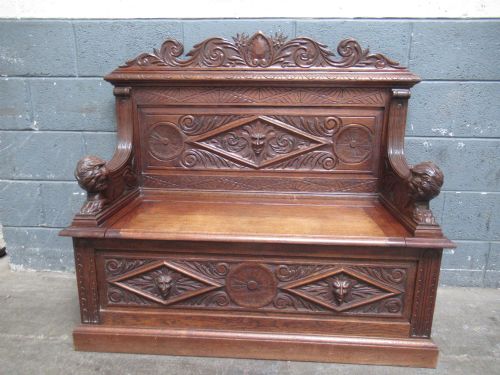
When you search for a carved brown settle, you encounter heavy wooden seating designed originally to keep draughts from cold halls and rooms. These pieces appear in forms ranging from high-back box settles with storage beneath the seat to open benches and monk's benches.
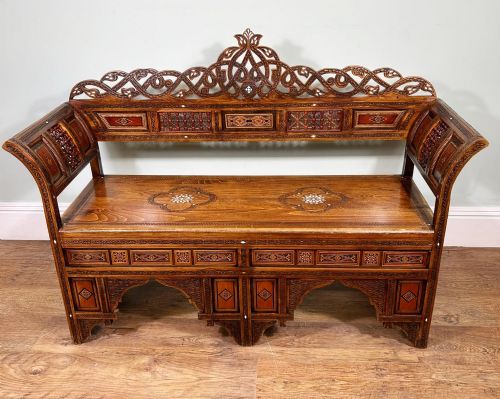
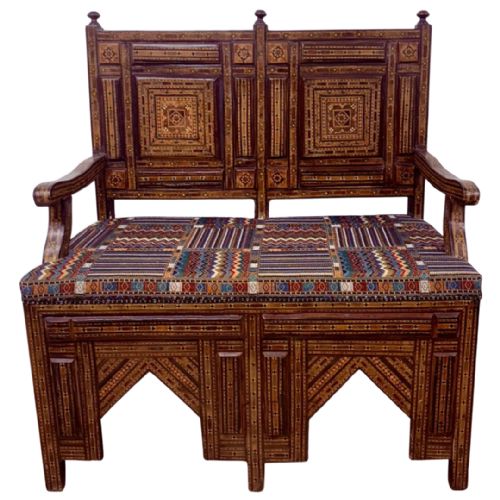
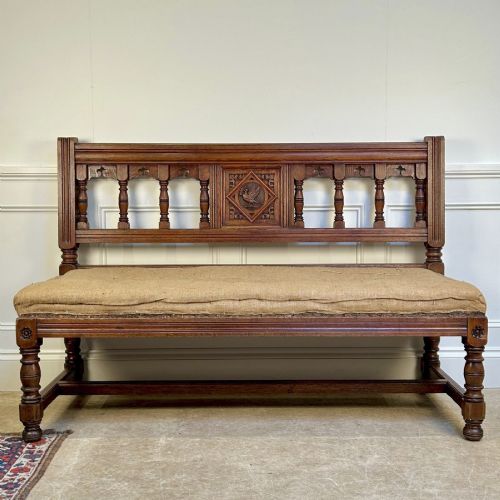
The versions most common on this page date from the Victorian era and the seventeenth or eighteenth centuries, constructed predominantly in dark oak with panelled backs and arms. Alongside British regional pieces, you find occasional examples incorporating Spanish Colonial, Chinese or Moorish influences.
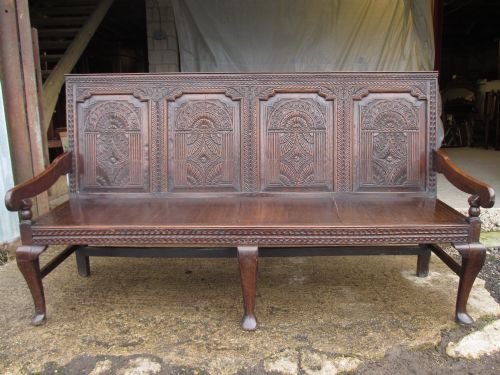
Builders shaped these seats as sturdy architectural furniture for hallways, reception rooms and large kitchens. Their proportions vary from compact hall benches to wide multi-panel settles meant to seat several people by a hearth.
How they were made
Cabinet makers relied primarily on solid oak, supplemented by elm, pine and other hardwoods, joining boards with traditional pegged mortise and tenon joints. Carving was executed by hand using gouges and chisels directly into the timber, displaying motifs from Jacobean, Gothic Revival and Arts and Crafts styles.
Iron fittings, brass mounts and occasional fabric or leather pads appear on specific examples to reinforce structure or add comfort. Surfaces received finishing through wax or polish applied over decades of handling, deepening the natural brown tone of the wood.
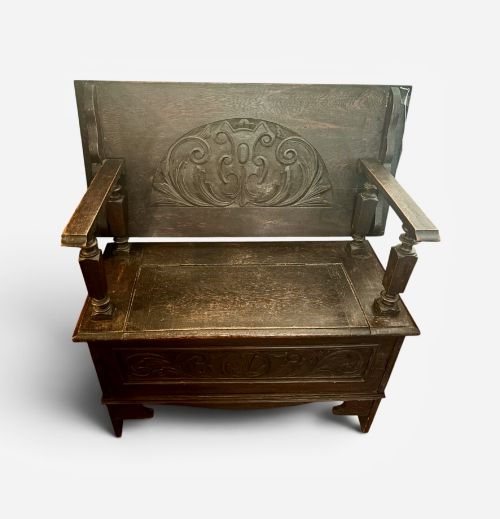
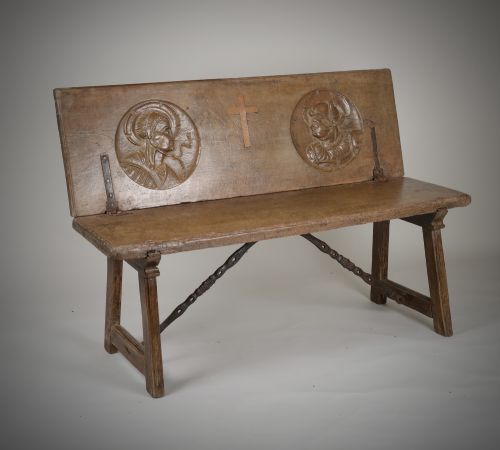
Some settles double as tables when the back folds down, proving that domestic multitasking is centuries old.
What varies in quality
The distinction between ordinary and exceptional pieces lies in the depth and crispness of the hand carving and the integrity of the original timber. Superior settles retain their original panelled construction, untouched patination and sturdy proportions without excessive replacement wood.
Makers who supplied named firms or specific regional workshops often integrated refined joinery and balanced proportions that elevate the object beyond utilitarian farmhouse seating. The presence of integrated storage boxes, high panelled wings and documented cabinet maker signatures further separates standard regional items from high-status commissions.
GIllows·Wylie Lockhead Manufacturers·James Shoolbred & Co.
The Carved Brown Settle Glossary
- Box settle
- A high-backed wooden bench featuring a compartment beneath the seat for storage. This enclosed design helped block cold draughts in older domestic interiors.
- Monk's bench
- A multi-functional item of furniture featuring a hinged back that folds down to convert the seat into a table. These appear frequently in later revival styles.
- Jacobean Revival
- A nineteenth-century stylistic movement copying seventeenth-century English design. It uses heavy geometric panelling, strapwork and deep relief carving.
- Lambing chair
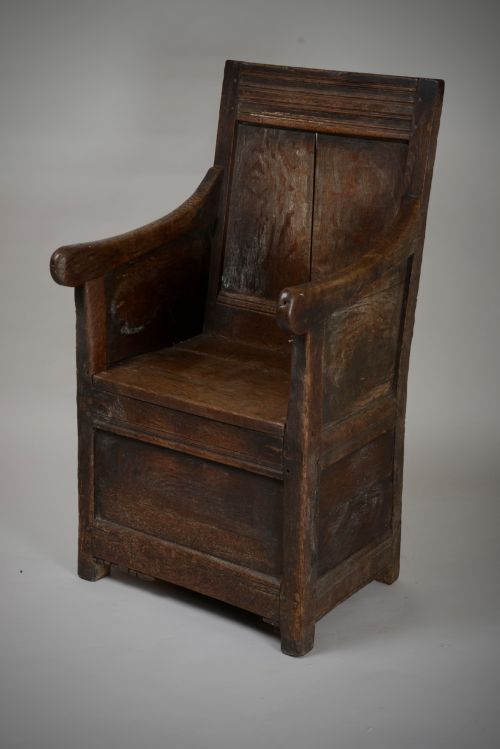
- An enclosed regional armchair with solid wooden wings and a low seat, originally used by shepherds tending newborn lambs. They share the draught-excluding properties of larger settles.
- Tracery
- Architectural ornamentation carved into wood panels, mimicking stone window patterns found in Gothic buildings. It appears on Victorian and medieval revival seating.
Carved Brown Settle: Frequently Asked Questions
What is a settle used for?
A settle served as a principal seat in the communal rooms of older houses, offering space for multiple people.
The high back and solid wings protected sitters from cold draughts coming across flagstone floors.
How do I date an oak settle?
Dating relies on examining the construction methods, tool marks and the style of the wood carving.
Early seventeenth-century examples show hand-riven timber and pegged joinery, whereas nineteenth-century revival pieces often display machine-sawn elements and softer patination.
Are monk's benches old?
Many monk's benches date from the late nineteenth and early twentieth centuries during periods of historical revival.
While the form draws inspiration from earlier centuries, the majority encountered today were built during the Victorian or Edwardian eras.
Where should I place a settle?
A settle fits well in a spacious hallway, against a large living room wall or paired with a dining table.
Its high panelled back creates a distinct architectural backdrop while providing practical seating and occasional hidden storage.