

Carved Wooden Window Seat
A carved wooden window seat brings architectural presence to a deep bay, offering a perch for light and a foundation for the room.
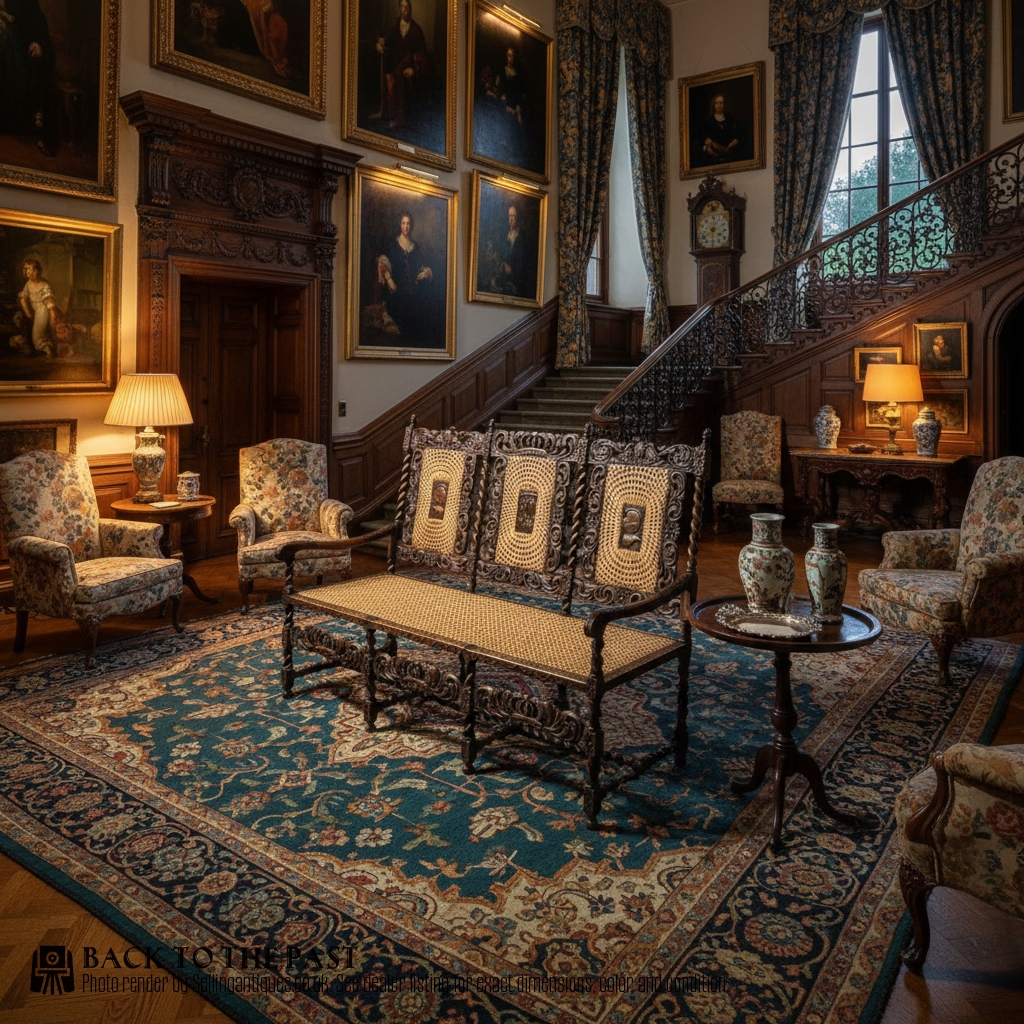
Carved Wooden Window Seat
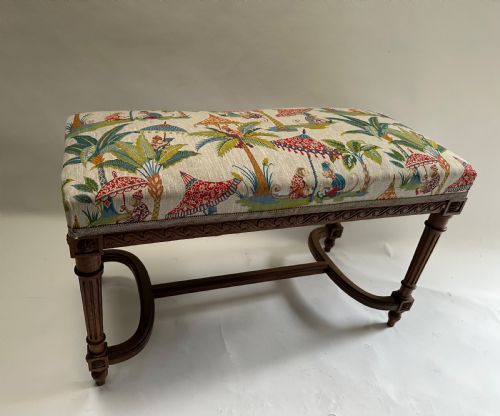
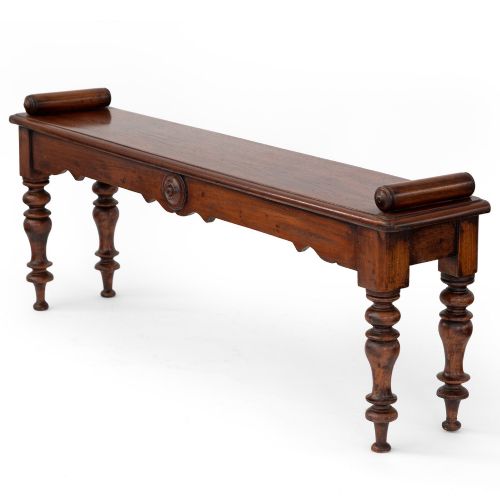
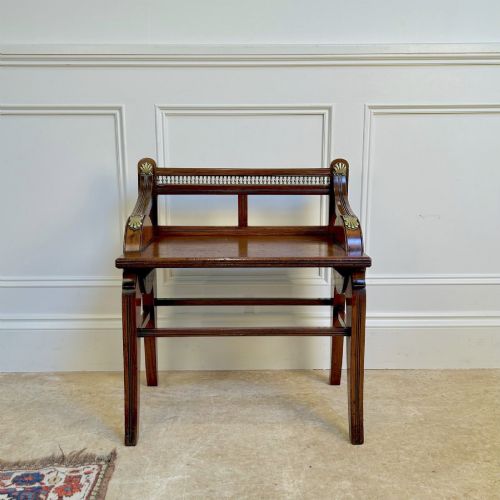
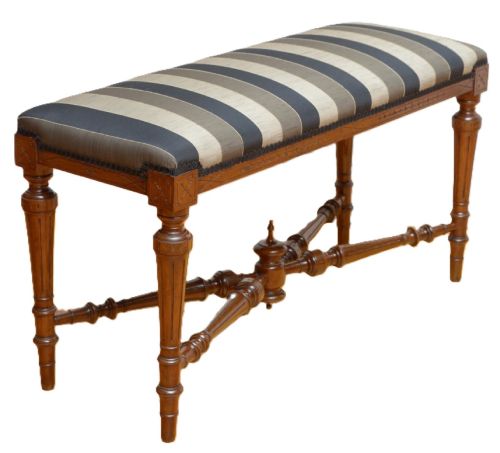
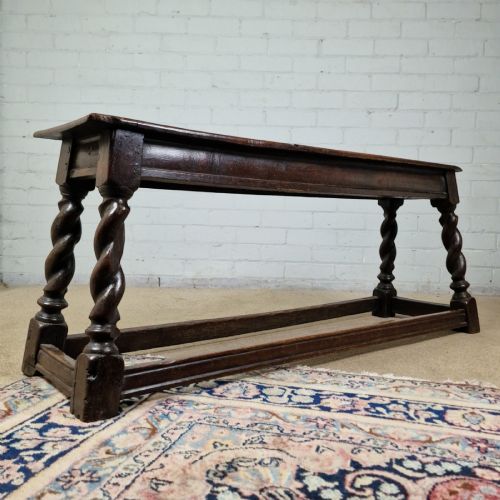
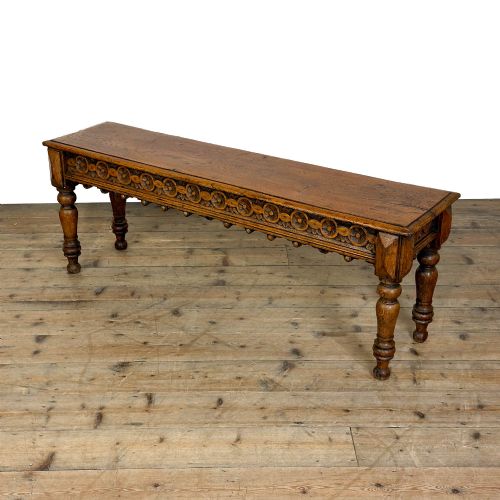
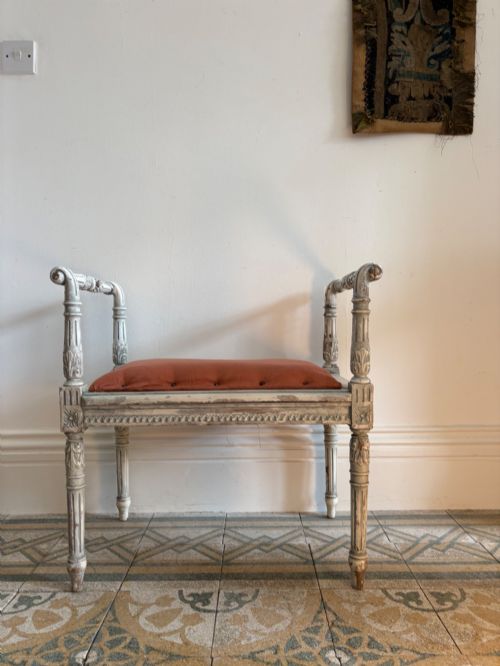
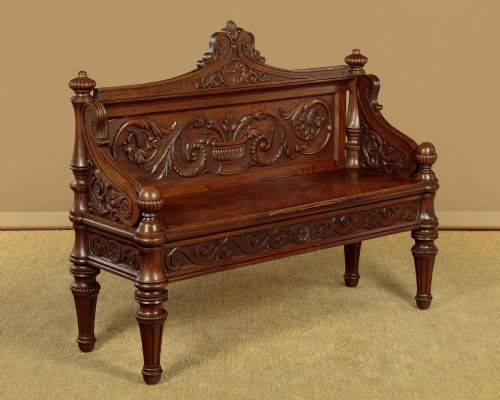
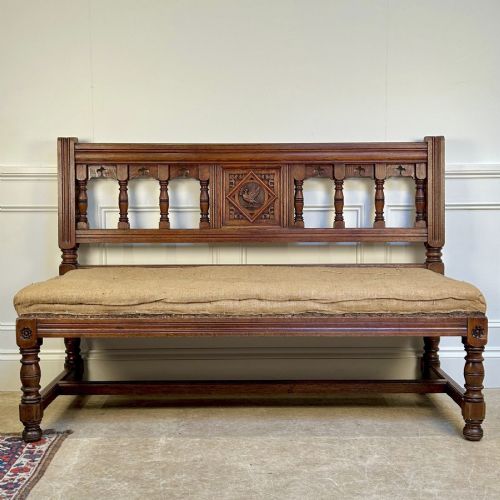
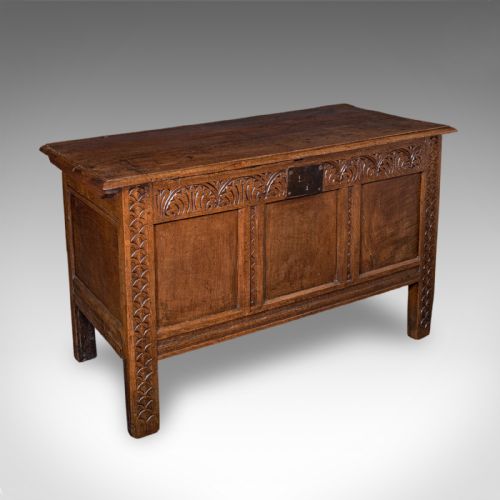
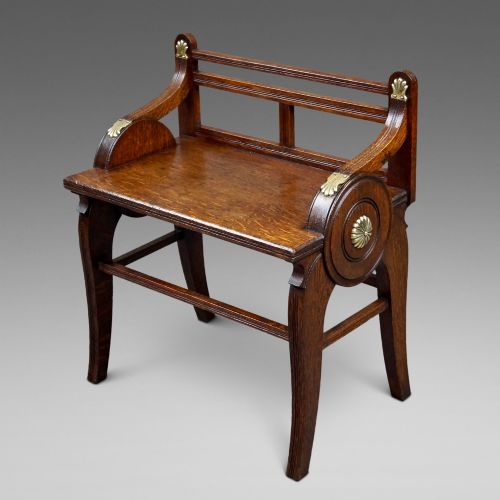
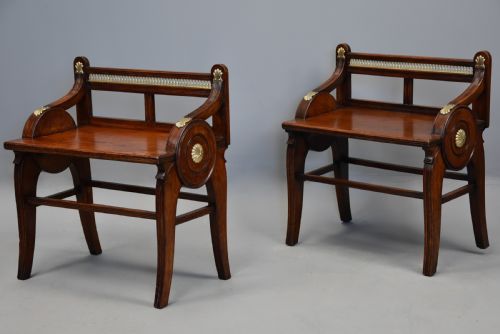
A carved wooden window seat sits low to the floor, shaped specifically to fit the proportions of a sill or bay. The form crosses paths with hall benches, long stools, and settees, carrying carved ornament from simple geometric strapwork to elaborate floral motifs.
Examples span from the Georgian period through the Victorian era and into the early twentieth century. Makers worked in solid timbers like oak, mahogany, and walnut, frequently adapting styles from Gothic Revival to French Neoclassical.
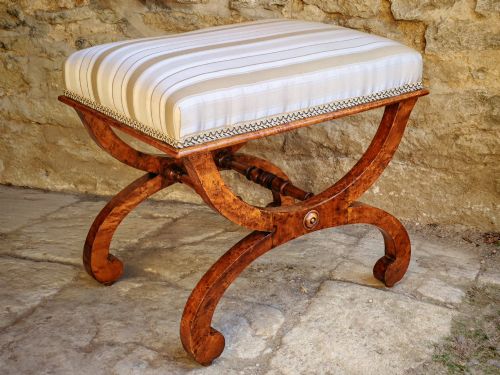
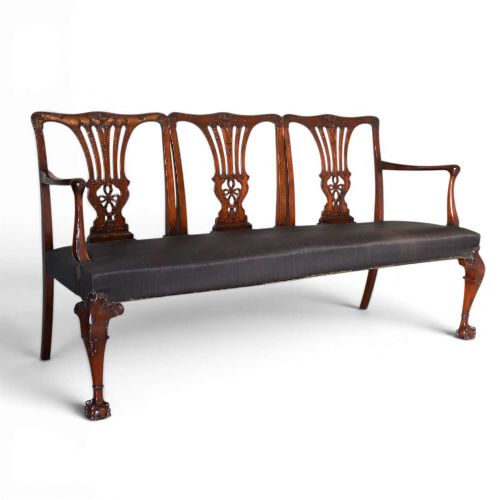
The layout ranges from backless X-frame stools to three-seater settees with carved Chippendale-style backs. Some versions double as storage chests or boot stores, bridging the gap between seating and utility.
Materials and construction
Makers relied on sturdy hardwoods, primarily oak and mahogany, supplemented by walnut, pine, and exotic Chinese hardwoods. These timbers provided the structural integrity needed for long spans and heavy relief carving.
Upholstery materials played an essential role in completion, utilising silk, linen, and fabric pads secured over webbing or cane bases. Brass mounts, pearl inlay, and painted finishes added decorative contrast to the exposed wood structures.
Carved Wooden Window Seat Retail Price Guide 2026
Typical asking prices for carved wooden window seat among the pieces listed under this phrase on Sellingantiques today, from the lower quarter to the upper quarter. They describe what is for sale here now, not the wider market.
Carved wooden elephants occasionally support the framework, proving that Victorian makers appreciated a touch of unexpected fauna.
Judging the standard of execution
Quality rests in the crispness and depth of the timber carving, separating mechanical work from hand-chiselled execution. The connection points of the frame reveal whether the maker prioritised longevity alongside surface decoration.
The integration of secondary materials, such as tight cane work or precise brass mounting, dictates the overall integrity of the piece. Proportion remains vital, as pieces tailored specifically for windows demand balanced dimensions to sit correctly beneath glazing.
Gillows·James Shoolbred & Co.
The Carved Wooden Window Seat Glossary
- X-frame
- A structural support formed by two intersecting diagonal members resembling the letter X. This design provides robust lateral stability without heavy side rails.
- Gothic Revival
- An architectural and decorative style drawing on medieval ecclesiastical motifs. Pieces often incorporate pointed arches, tracery, and heavy chamfered oak.
- Cane
- Strips of woven rattan material utilised for seats and panels. It offers a resilient, flexible surface that allows airflow through the frame.
- Chippendale-style
- A mid-eighteenth-century design vocabulary characterised by carved ribbon backs, cabriole legs, and elaborate scrolling. Later Edwardian makers frequently revived these patterns.
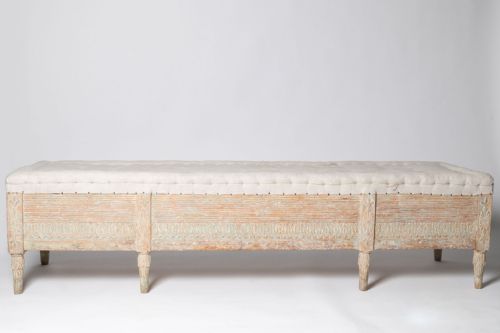
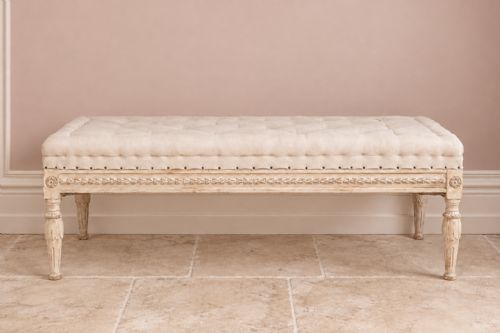
- Gustavian Neoclassical
- A Swedish interpretation of French classical design marked by pale painted finishes and restrained fluted detailing.
Carved Wooden Window Seat: Frequently Asked Questions
Where should I place a window seat?
These pieces suit deep bay windows, hallways, and the foot of a bed. Their low profiles ensure they do not obstruct natural light.
Position them where the carved details remain visible rather than hidden beneath heavy drapery.
How do I care for the wooden frame?
Protect the timber from direct sunlight and sudden temperature shifts to prevent splitting. Regular dusting keeps the carved recesses clear.
Apply a microcrystalline wax periodically to nourish the surface without building up excessive residue.
Can I recover the upholstered seat?
Many examples feature drop-in pads or webbed bases that accept new fabric easily. Choosing appropriate period textiles maintains the historical balance of the frame.
Consult a professional upholsterer if the internal stuffing requires complete replacement.
How do I date a carved wooden window seat?
Examine the timber species, tool marks, and stylistic motifs such as Gothic tracery or Regency proportions. Secondary woods inside the frame often clarify the period of origin.
Comparing construction joints against known timeline markers confirms the era of manufacture.