


19th Century Captains Chair
A 19th century captains chair offers sturdy seating built for the study or office, combining practical comfort with traditional timber framing.
19th Century Captains Chair
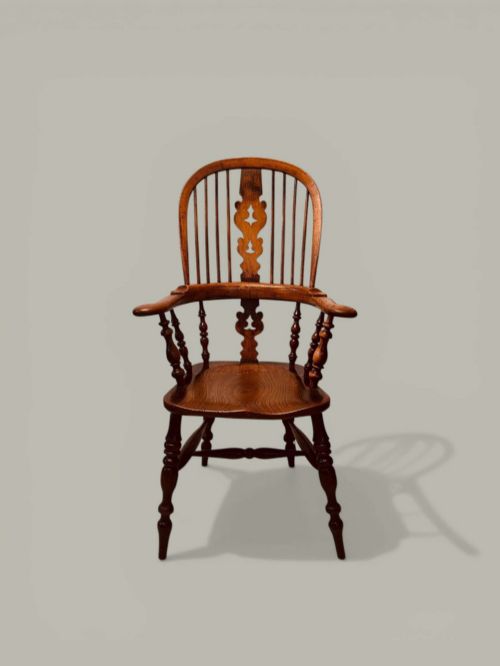
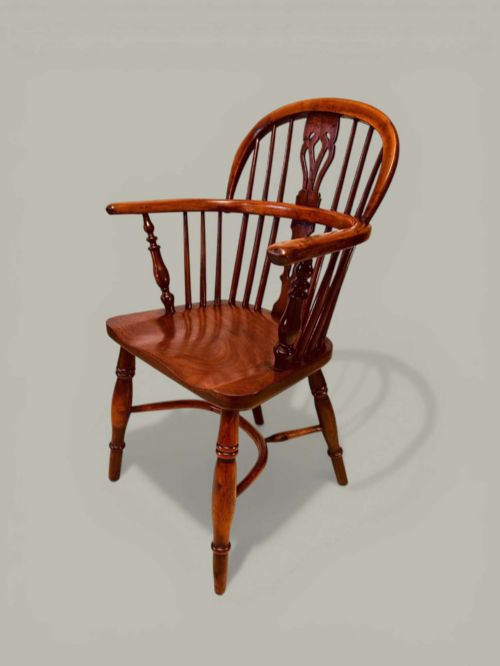
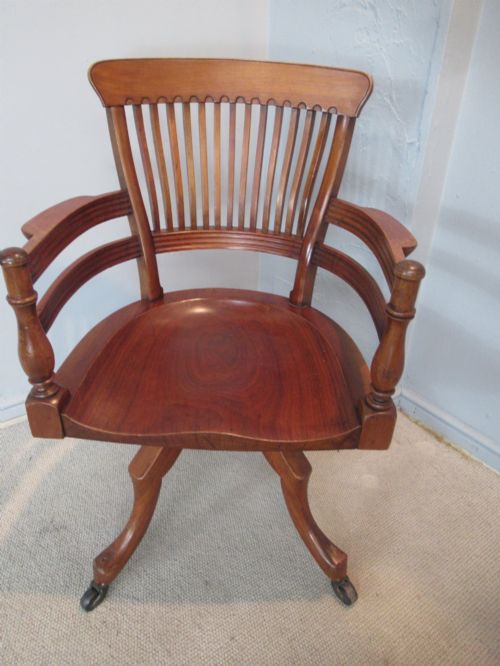
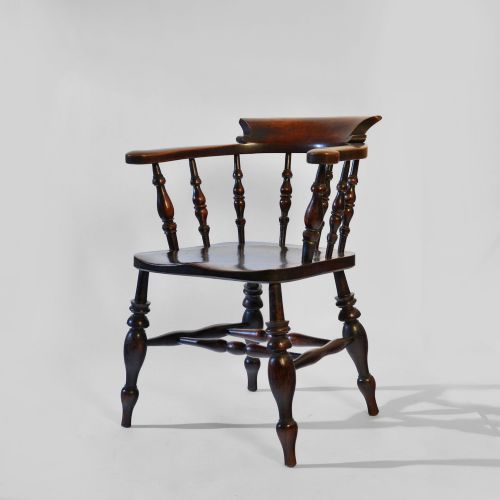
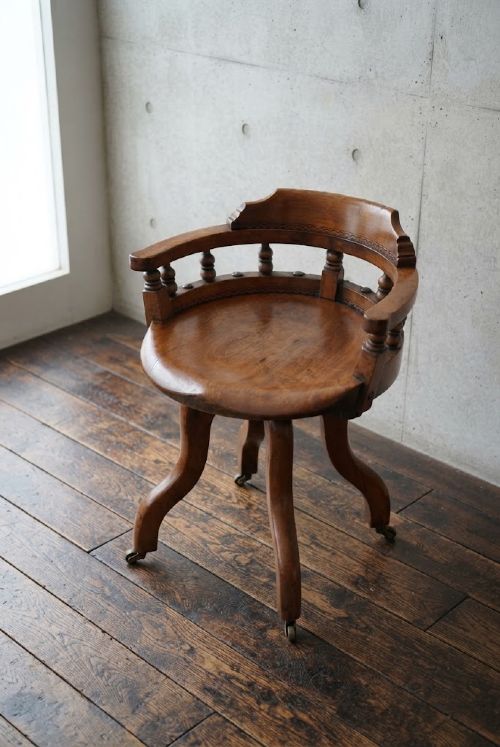
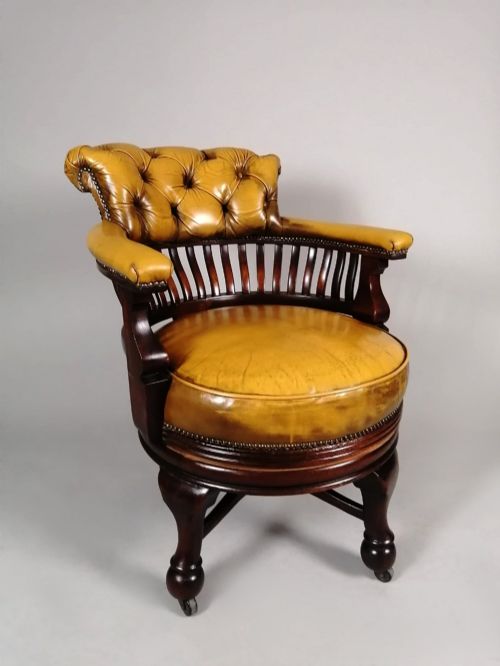
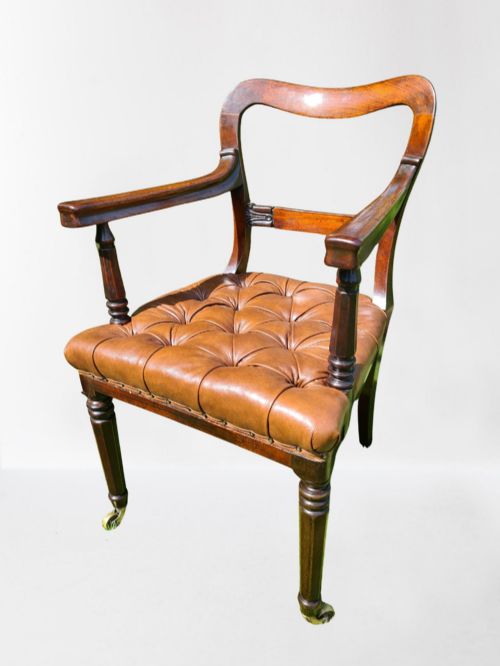
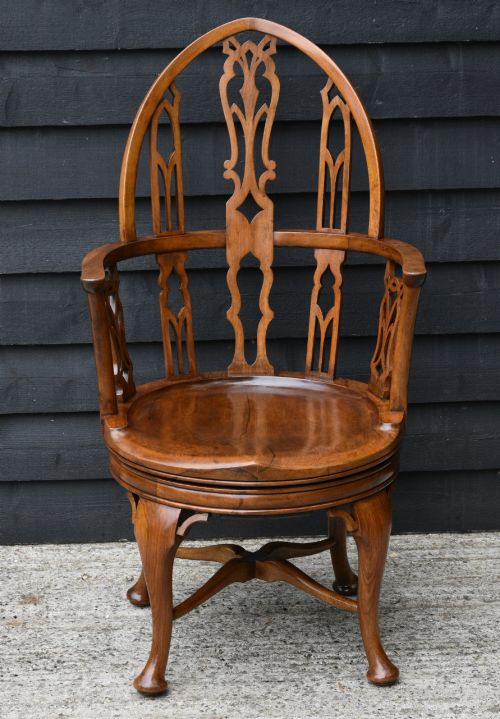
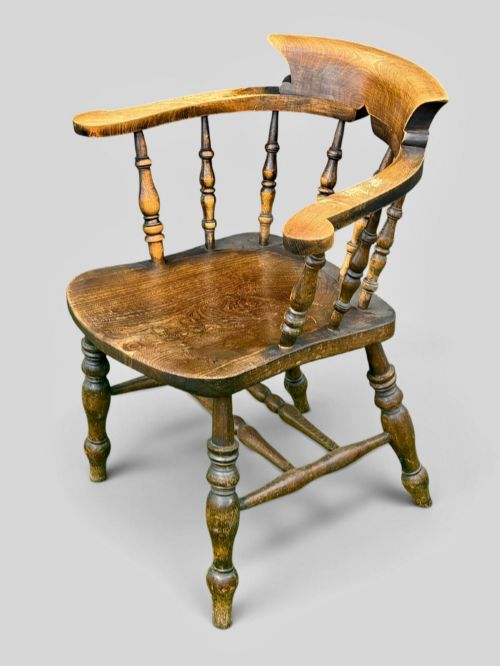
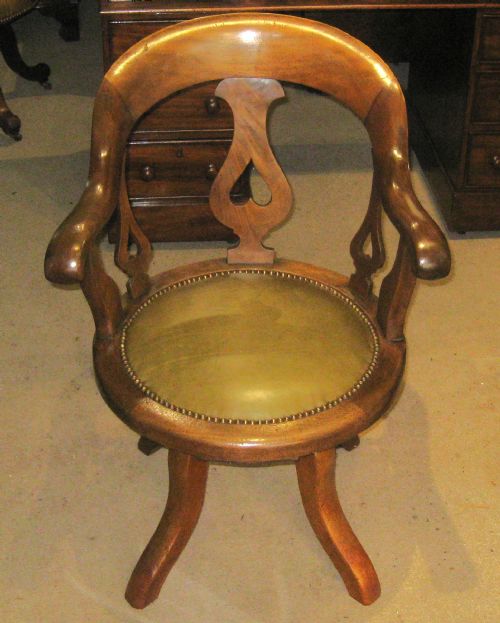
When you search for a 19th century captains chair, you encounter robust seating designed for long hours at a desk or library table. These pieces emerge in various forms, including low back Windsor chairs, smokers bows, and revolving desk chairs.
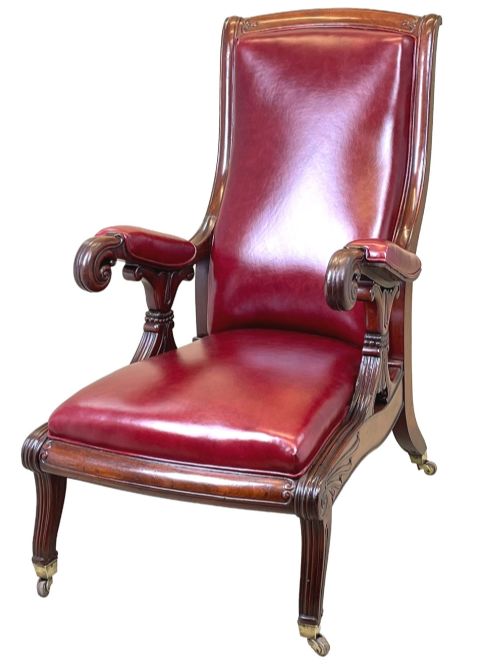
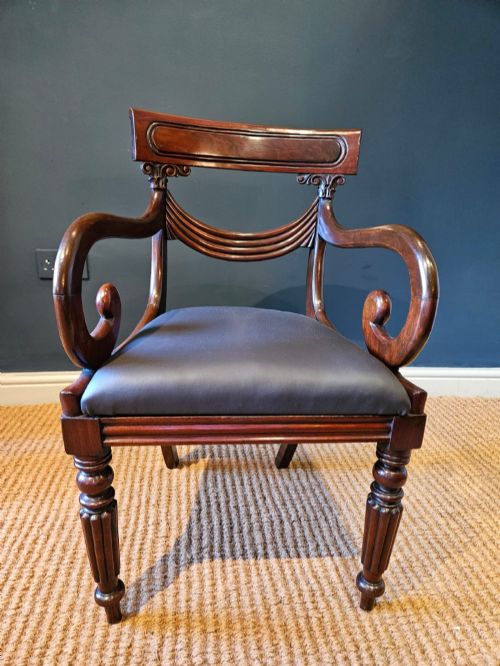
The versions most commonly met on this page span the Victorian era and the Regency period, often constructed as sturdy armchairs. Regional variations such as English provincial vernacular types appear alongside more formal library armchairs in mahogany and walnut.
Materials and Construction
Timbers selected for these chairs rely heavily on local hardwoods, pairing ash, elm, and beech for Windsor and smokers bow frames. More formal library and desk armchairs utilise mahogany, walnut, and oak.
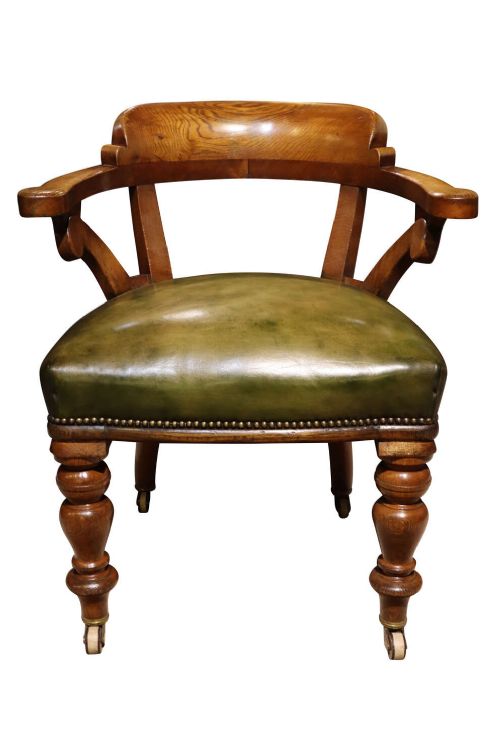
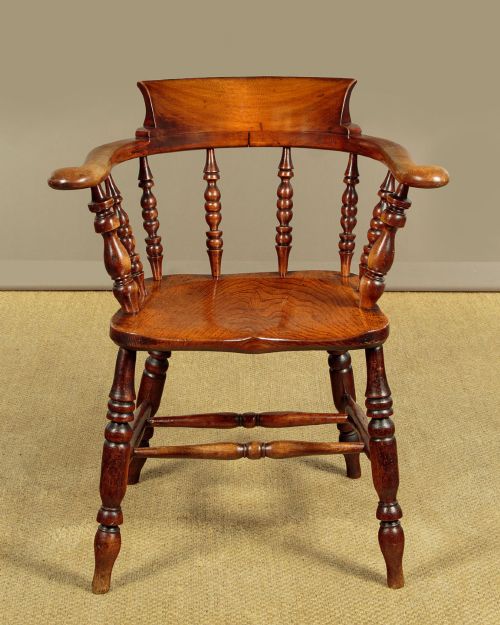
Construction techniques combine traditional Windsor spindle work and bentwood armrests with upholstered leather pads, brass castors, and revolving swivel mechanisms on later office variants.
19th Century Captains Chair Retail Price Guide 2026
Typical asking prices for 19th century captains chair among the pieces listed under this phrase on Sellingantiques today, from the lower quarter to the upper quarter. They describe what is for sale here now, not the wider market.
Some chairs retain the deep scuffs of nineteenth-century boots resting on the stretcher rails during long hours of office work.
Timber and Proportion
Quality separates examples by the selection of figured timber, such as burr elm or golden mahogany, against plain secondary woods. Finely turned spindles and well-proportioned horseshoe armrests distinguish superior regional seating.
The integrity of the frame, the preservation of original leather upholstery, and the smooth operation of swivel mechanisms separate standard utility seating from refined library examples.
The 19th Century Captains Chair Glossary
- Smokers bow
- A robust wooden armchair with a low rounded back and thick turned spindles, closely related to the traditional Windsor form.
- Windsor chair
- A wooden chair constructed with seating plank bases into which pierced legs and spindle backs are wedged directly.
- Revolving desk chair
- An office seat mounted on a central swivel pivot, frequently incorporating leather upholstery and adjustable height mechanisms.
- Library armchair
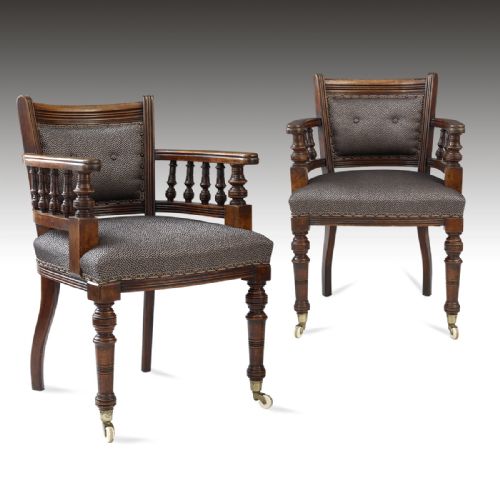
- A comfortable upholstered seat designed for reading rooms, typically finished with padded armrests and leather panels.
19th Century Captains Chair: Frequently Asked Questions
What defines a captains chair?
A captains chair typically refers to a sturdy wooden armchair with a low, rounded back rail supported by turned spindles. These seats were built for practical use in studies, offices, and libraries.
They bridge the gap between heavy Windsor seating and upholstered library armchairs, offering durable support for daily desk work.
How do I date these chairs?
Dating relies on identifying timber choices, turning styles, and structural mechanisms. Regency examples often display brass inlay and scroll arms, while later Victorian versions introduce swivel actions and cast iron pivots.
Secondary woods and surface patination further indicate whether a piece belongs to the early nineteenth century or the later Victorian decades.
Were these chairs used at desks?
Many examples function as desk or library chairs, particularly those fitted with revolving mechanisms or leather upholstery. Sturdier wooden versions served multiple purposes in domestic and commercial settings.
Their low backs allowed them to slide easily beneath writing tables and partner desks.
What woods were commonly used?
Makers utilised native hardwoods suited to steam bending and structural strength. Elm, ash, and beech appear frequently in country vernacular and Windsor variations.
Formal library and office variants turn to imported or high-status timbers including mahogany, walnut, oak, and yew.