


19th Century Brass Mirror
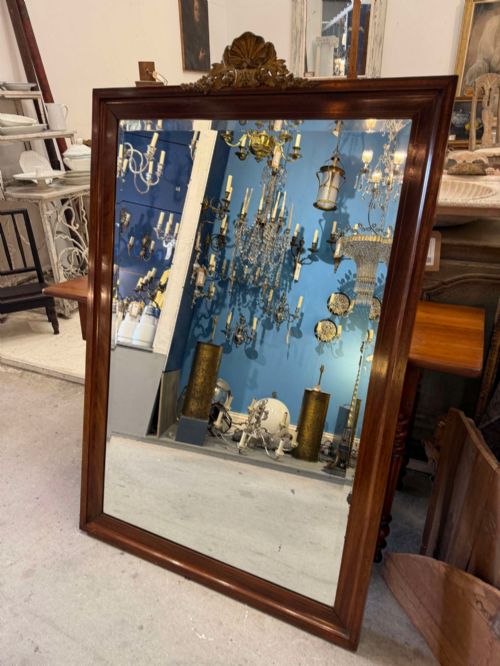
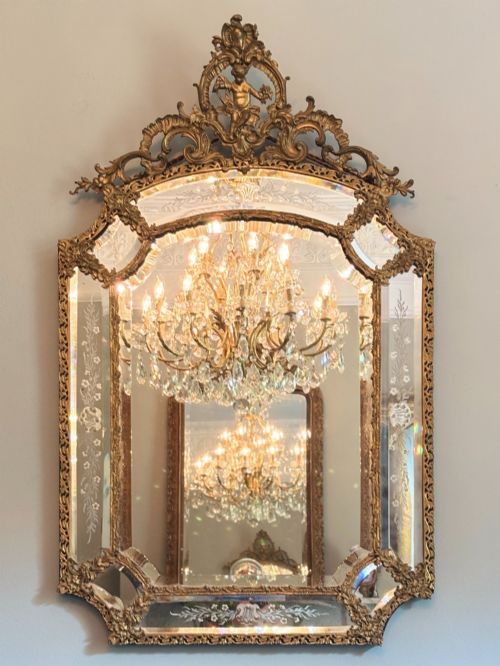
A 19th century brass mirror brings warmth and reflection into a room through heavy metalwork and period hand-beaten detail.
19th Century Brass Mirror
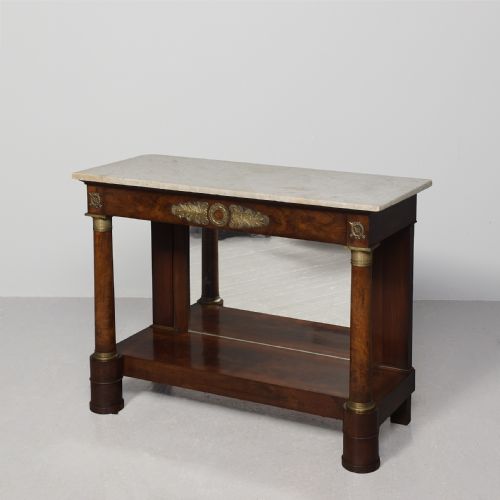
A 19th century brass mirror encompasses everything from small dressing table swing glasses to large wall-mounted pieces framed in metal. When exploring this selection, buyers encounter domestic items shaped by Victorian, Regency, and continental European traditions.
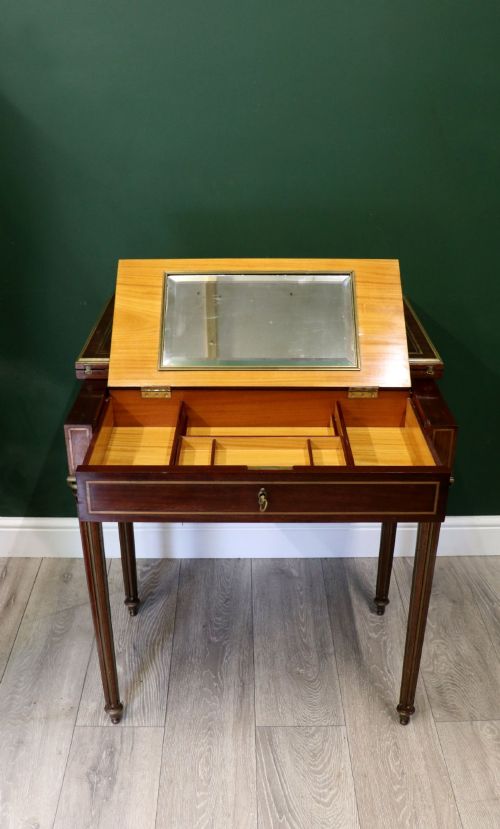
The common forms include French bistro mirrors, repousse cushion frames, and adjustable dressing glasses intended for bedrooms and reception rooms. These objects reflect both everyday utility and decorative ambition across the nineteenth century.
Makers utilised various base metals and timber backings to support the heavy reflective plates, incorporating brass through cast mounts, repousse panels, and simple rolled frames. The surviving pieces show diverse origins, from English campaign shaving stands to ornate French wall sconces.
How they were made
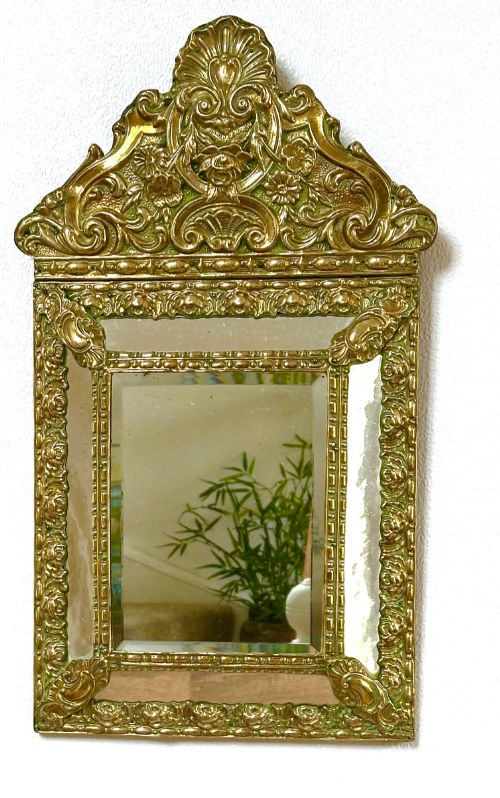
The construction of a 19th century brass mirror relies on the combination of beaten sheet metal, cast bronze or brass mounts, and timber carcases. Artisans worked brass through repousse techniques, hammering patterns from the reverse to create raised motifs of flowers, cherubs, and scrolling foliage.
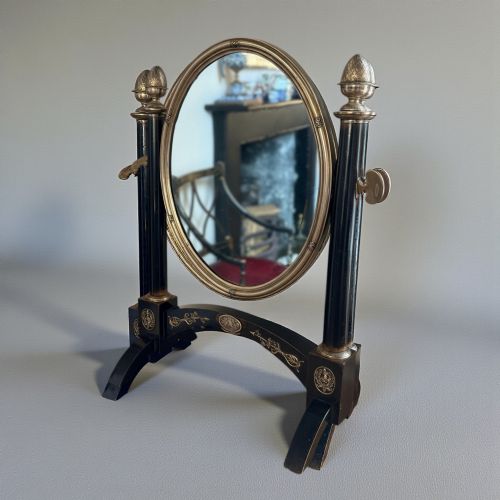
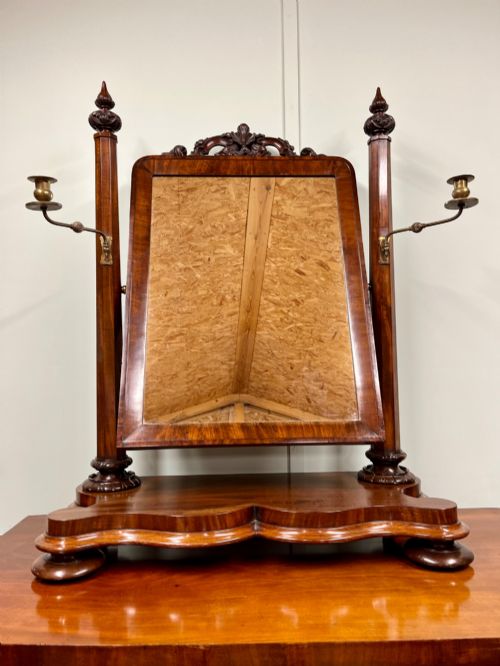
Mirror plates in this period are typically held within wooden frames lined with brass channels, secured by metal pins and backed with pine or mahogany panels. Heavy wall mirrors utilise cast brass frames fixed to structural timber, while smaller table mirrors depend on pivoted brass arms and weighted stands.
19th Century Brass Mirror Retail Price Guide 2026
Typical asking prices for 19th century brass mirror among the pieces listed under this phrase on Sellingantiques today, from the lower quarter to the upper quarter. They describe what is for sale here now, not the wider market.
Listings feature periods from the Georgian and Regency eras through to the late Victorian and Edwardian decades.
What varies in quality
The quality of a 19th century brass mirror rests in the crispness of the cast or repousse metalwork and the retention of the original mercury or silvered glass plate. Finer examples display deeply chased ornamentation and hand-beaten relief that retains sharp contours rather than shallow, stamped impressions.
Structural integrity also separates standard pieces from exceptional ones, particularly in the joining of the brass frame to the internal wooden backing. Original mirror plates showing natural ageing or foxing alongside secure, unspotted silvering indicate a well-preserved object.
Holland & Sons
The 19th Century Brass Mirror Glossary
- Repousse
- Metalworking technique where the design is hammered into relief from the reverse side. This method defines the ornamented borders of many continental wall mirrors.
- Champleve
- Enamelling technique where recessed areas in the metal surface are filled with coloured vitreous paste. It appears on decorative French table mirrors from the later nineteenth century.
- Girandole
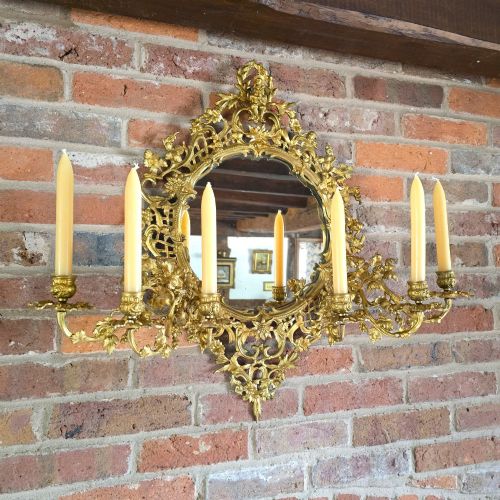
- A branched wall fixture featuring a mirror combined with candle holders. These pieces direct and multiply candlelight within a nineteenth-century interior.
- Chevall mirror
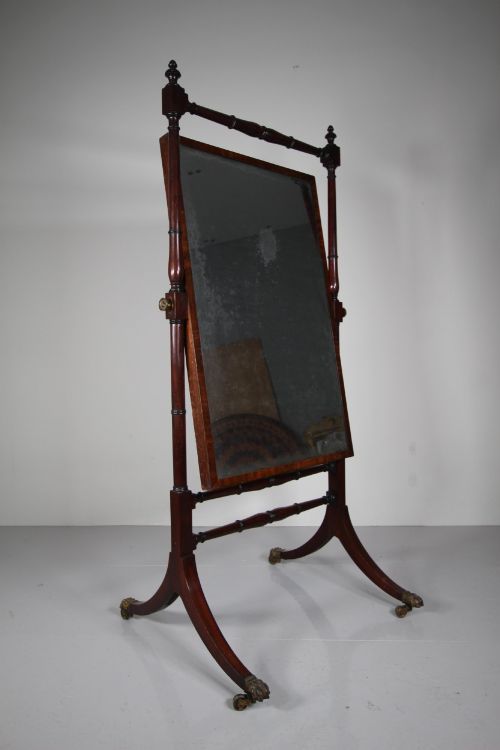
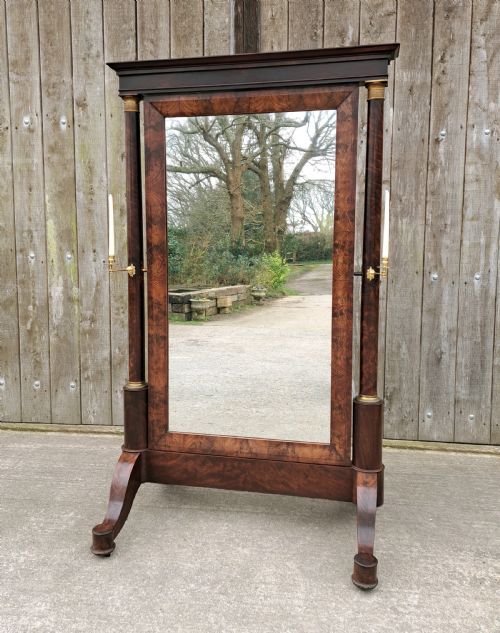
- A full-length swing mirror suspended in a standing frame. They allow adjustment of the glass angle through pivoted side supports.
19th Century Brass Mirror: Frequently Asked Questions
How do I hang a heavy brass wall mirror?
Heavy wall mirrors require secure fixings anchored directly into structural masonry or timber wall studs to support the combined weight of the metal frame and glass plate.
Utilising heavy-duty picture hooks or metal brackets rated for substantial loads ensures the piece remains safely mounted.
Can I clean the brass frame safely?
Dust the metal gently with a soft dry cloth to remove surface particles without disturbing the protective historical patina. Avoid harsh chemical polishes that strip away age-related toning and damage surrounding wooden elements.
Why do some mirror plates look speckled?
Speckling or foxing occurs as moisture gradually penetrates behind the silvered glass backing over many decades of use. This natural chemical ageing process is accepted by collectors as a sign of authenticity.
Were table mirrors used in bedrooms?
Table and dressing mirrors served domestic grooming routines in bedrooms, often placed atop matching chests of drawers or dressing tables. Pivoting frames allowed users to adjust the angle of reflection.