

19th Century Animalier
19th century animalier pieces capture the natural movement and muscular detail of wildlife and domestic animals, prized for their expressive realism.
19th Century Animalier
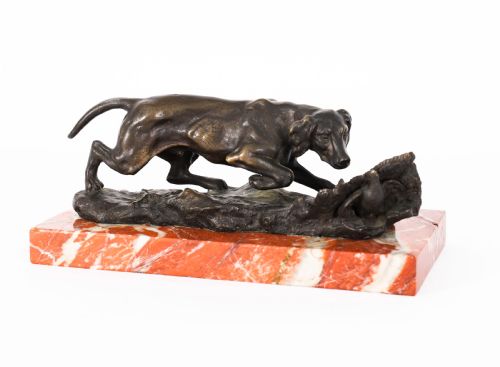
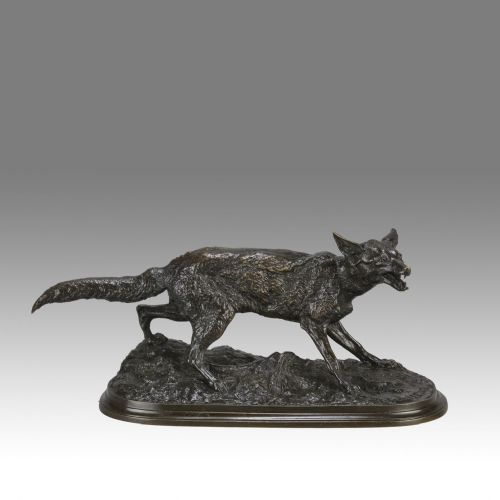
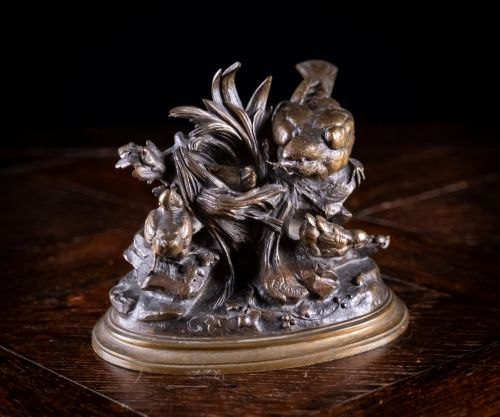
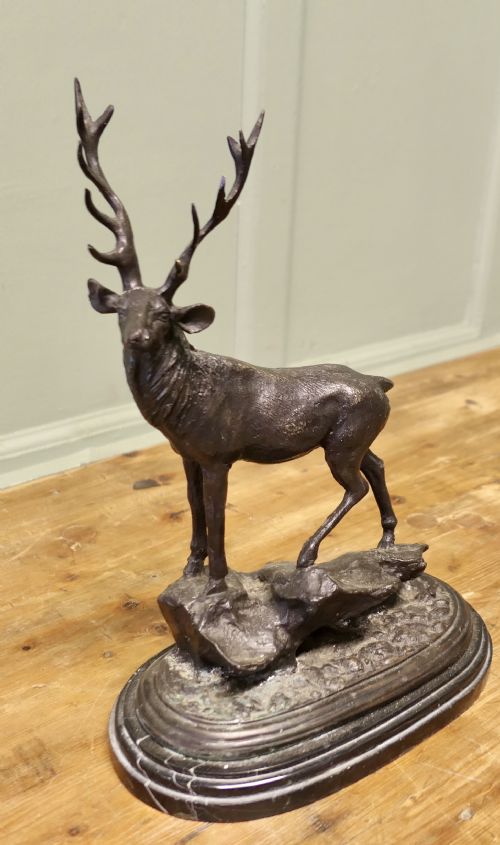
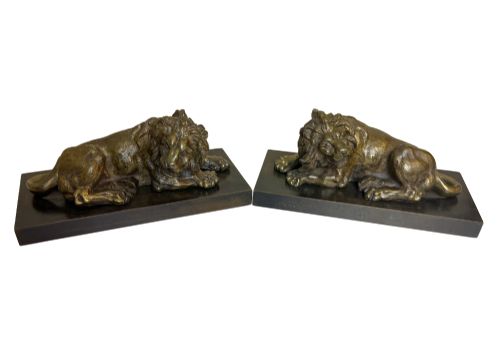
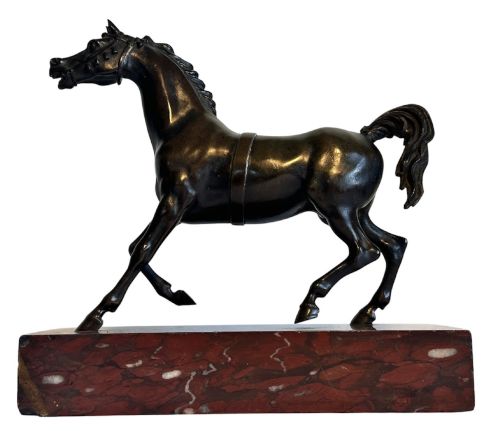
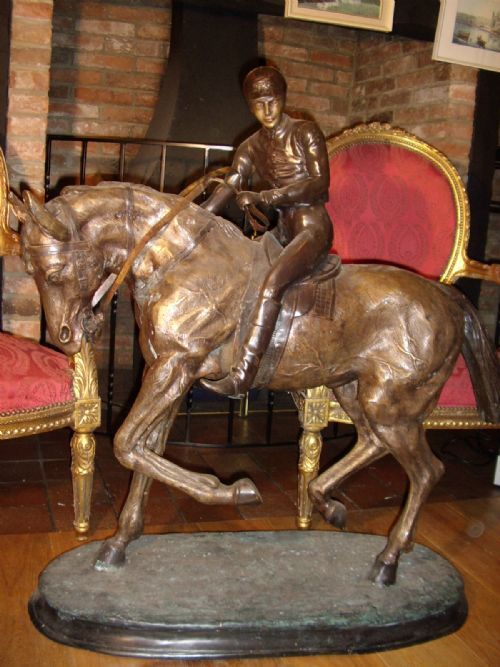
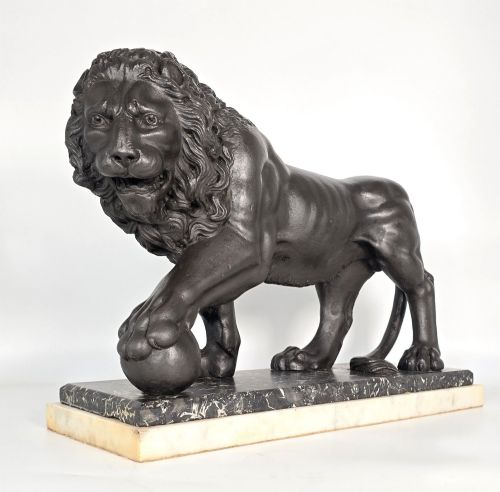
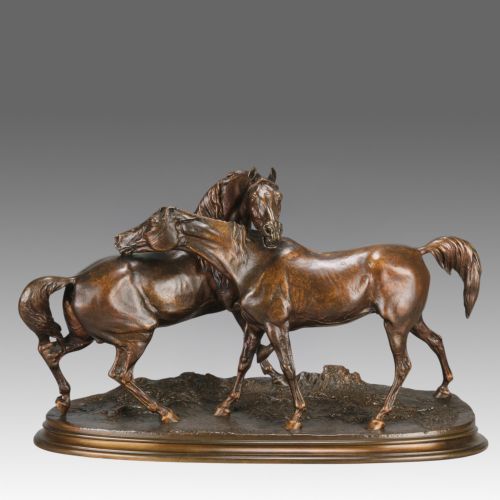
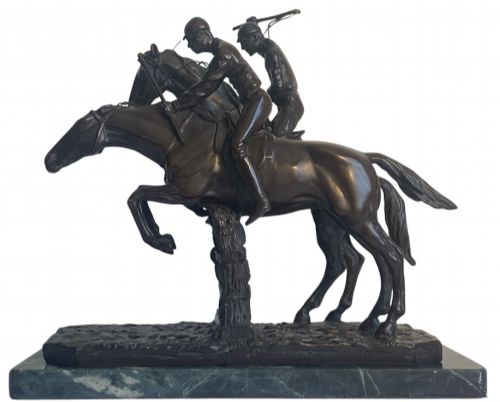
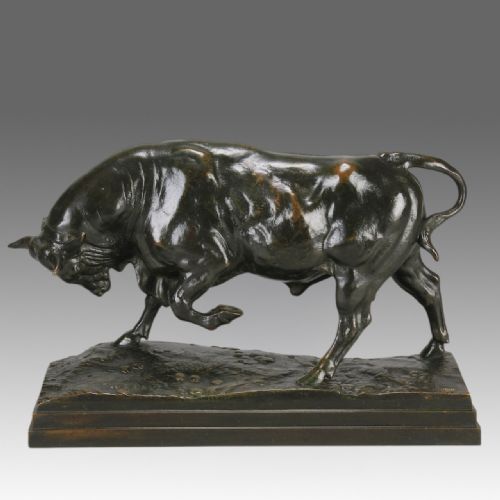
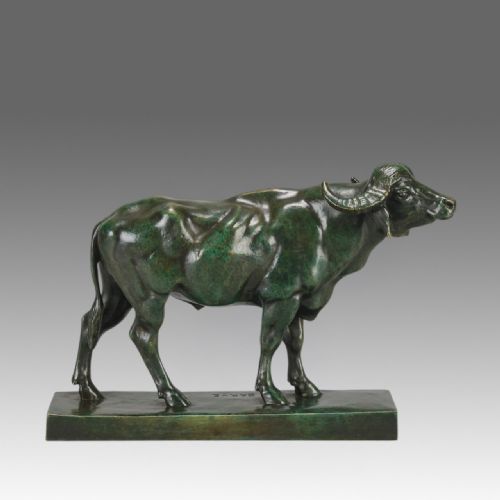
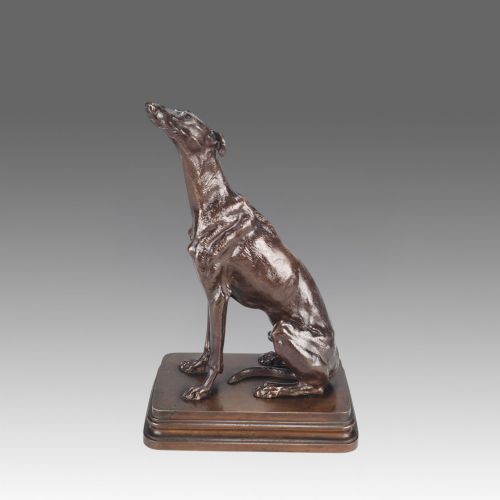
When you search for 19th century animalier, you encounter sculptural works that focus predominantly on the anatomy and behaviour of animals. These items range from small desk ornaments to substantial tabletop bronzes depicting dogs, horses, stags, and big cats. The most common version met on this page is the French bronze sculpture, capturing subjects from racing horses to hunting hounds in lifelike poses.
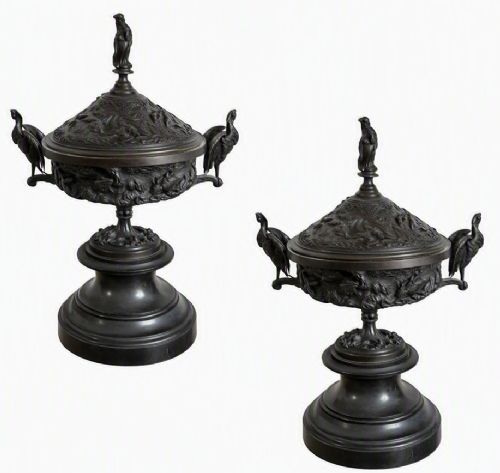
The category also embraces oil paintings and works on paper depicting sheep, cattle, and domestic pets within landscape settings. Produced across the Victorian period and the mid to late 19th century, these pieces reflect a broad European fascination with the natural world. Many incorporate functional elements such as marble inkstands or decorative urns alongside the animal figures.
Materials and production methods
Most sculptural pieces rely on the lost-wax casting method for bronze, allowing makers to render fine textures such as fur, feathers, and harnesses with precision. Metal surfaces frequently receive a chemical patination to produce deep brown, black, or greenish tones that accentuate the musculature of the subject.
Many bronzes are set upon heavy bases of veined Carrara or black marble, sometimes enhanced with gilt bronze or ormolu mounts. Painted works utilise oil on canvas to render domestic animals and livestock within pastoral or rural landscapes.
19th Century Animalier Retail Price Guide 2026
Typical asking prices for 19th century animalier among the pieces listed under this phrase on Sellingantiques today, from the lower quarter to the upper quarter. They describe what is for sale here now, not the wider market.
Listings feature 19th century animalier works cast in bronze, patinated bronze, and gilt bronze, frequently mounted on marble bases.
Markers of quality and execution
Quality rests in the anatomical accuracy of the animal and the crispness of the casting cleanup. Superior examples retain fine chisel work on the fur and realistic tension in the limbs, whereas weaker pieces show softened details and blurred textures.
The integration of the figure with its base also distinguishes the work. Well-executed pieces mount seamlessly onto substantial marble plinths, maintaining balance and proportion between the animal subject and its supporting foundation.
Jules Moigniez·Carl Kauba·P J Mêne·Antoine Louis Barye·Alfred Dubucand·Prosper Lecourtier·Genryusai Seiya
The 19th Century Animalier Glossary
- Animalier
- A genre dedicated to the realistic depiction of animals, particularly prevalent in 19th-century sculpture and painting. Practitioners studied live subjects extensively in menageries.
- Patinated Bronze
- Bronze treated with chemical solutions to alter its surface colour, yielding rich brown, black, or greenish tones. This process protects the metal while enhancing visual depth.
- Lost-wax casting
- A traditional technique where a wax model is melted out of a mould and replaced with molten bronze. This method permits intricate undercuts and delicate surface details.
- Ormolu
- Finely ground high-carat gold mercury-gilded to a bronze object, creating a bright golden finish. It appears frequently on mounts and decorative bases.
- Grand Tour
- A traditional trip through Europe undertaken by upper-class young men, often resulting in the acquisition of small-scale classical bronzes and souvenirs.
19th Century Animalier: Frequently Asked Questions
What is animalier art?
Animalier art refers to the realistic and dynamic portrayal of animals in sculpture and painting, which gained immense popularity during the 19th century across Europe. Artists focused closely on naturalism, capturing the movement, anatomy, and characteristic behaviour of both wild and domestic creatures.
Rather than placing animals in purely allegorical roles, makers observed them directly in settings like Parisian menageries. This approach produced lifelike studies of dogs, horses, big cats, and livestock that appealed to contemporary collectors.
How were bronze animalier sculptures displayed?
These bronzes were typically displayed on tabletops, desks, and mantelpieces as decorative focal points within nineteenth-century interiors. Many featured integral marble bases or served practical functions such as inkstands and paperweights.
Larger versions stood on dedicated pedestals or sideboards, while smaller desk models were positioned where their detailed patination and textures could be appreciated up close.
How do I care for bronze sculptures?
Bronze sculptures require minimal maintenance, needing only occasional dusting with a soft, dry cloth to prevent particulate buildup on the surface. Avoid using chemical cleaners, polishes, or water, as these can strip or damage the original patination.
Keeping the pieces away from direct sunlight and excessive humidity helps preserve both the metal patina and any associated marble or wood bases over time.
How do I identify a 19th-century casting?
Nineteenth-century casts often feature artist signatures, foundry marks, or title stamps directly into the bronze base during the casting process. The weight, colour of the patination, and the crispness of surface chisel work also offer clues to the period of production.
Examining the underside can reveal casting seams, construction pins, and the type of material used for the plinth, helping to distinguish 19th-century originals from later reproductions.