

1930s Vanity Table
These pieces give a 1930s vanity table its distinct character, offering fitted mirrors and polished woods to organise daily routines.
1930s Vanity Table
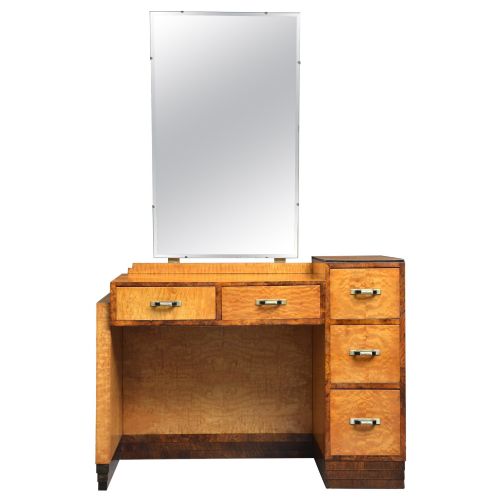
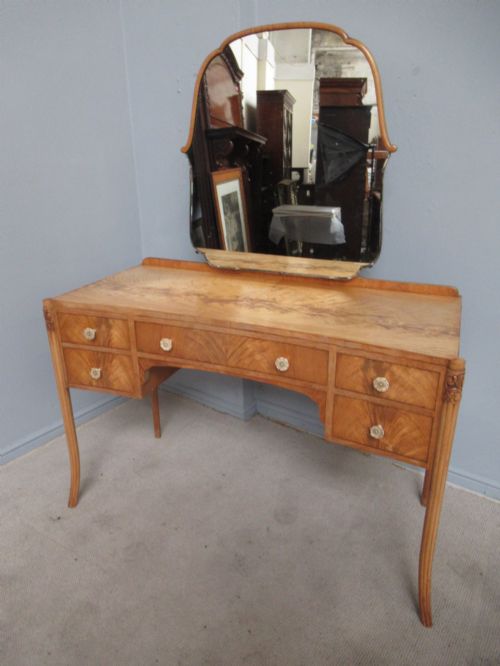
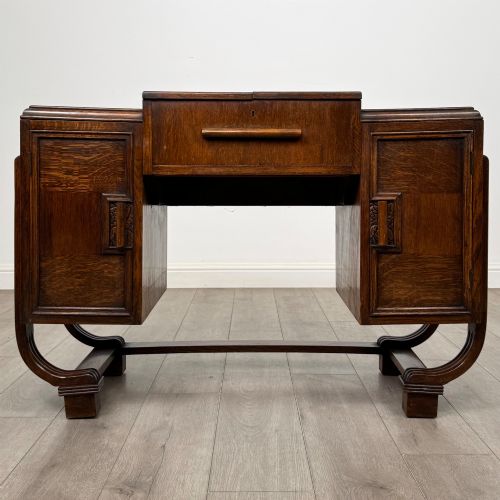
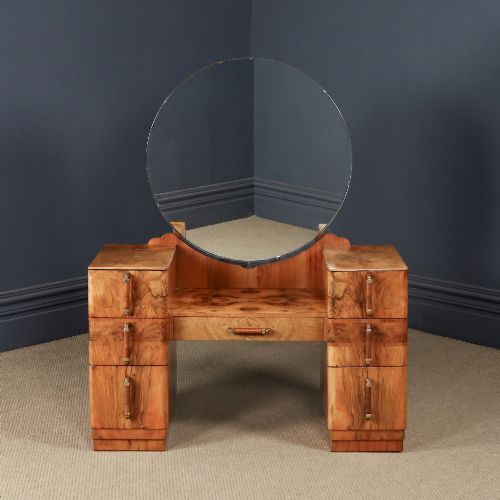
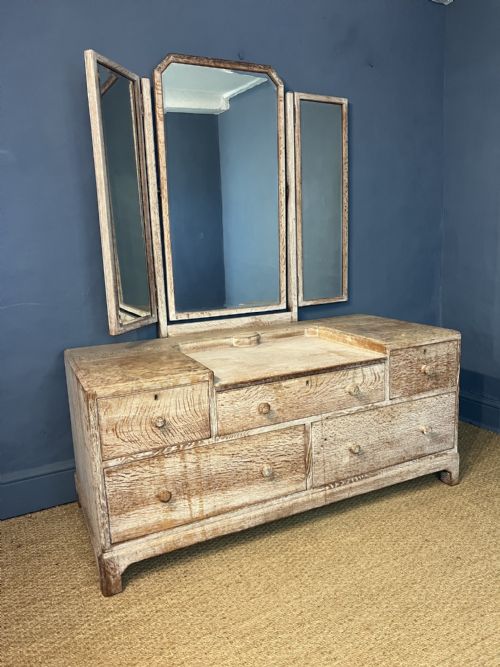
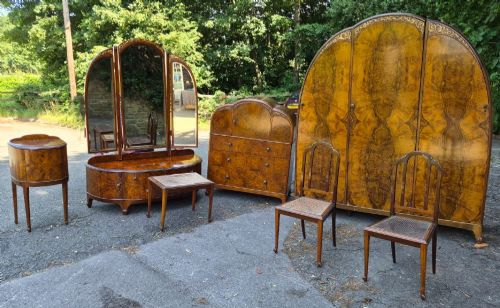
A 1930s vanity table brings together dressing tables, chests, and matching stools designed with the geometric lines characteristic of the period. Buyers searching this phrase encounter pedestal forms and compact designs intended for bedroom use.
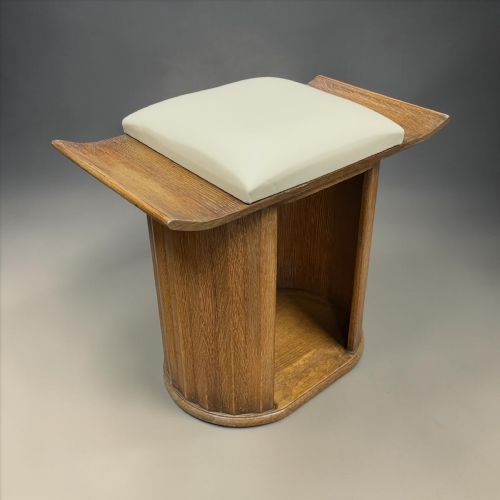
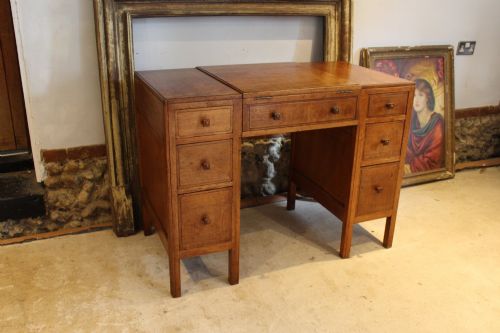
The selection extends to dressing table mirrors, small desks, and matching upholstered stools in woods like walnut and oak. These items capture the domestic functionalism of the interwar period.
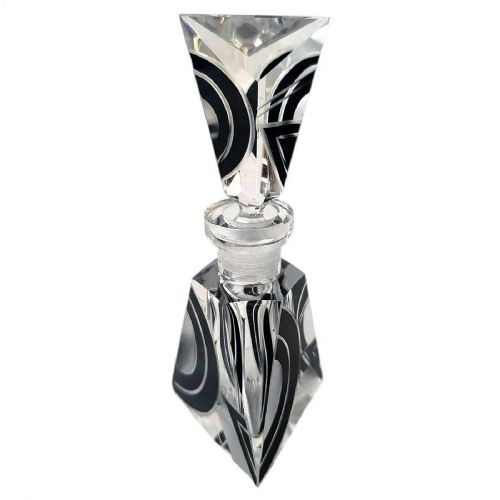
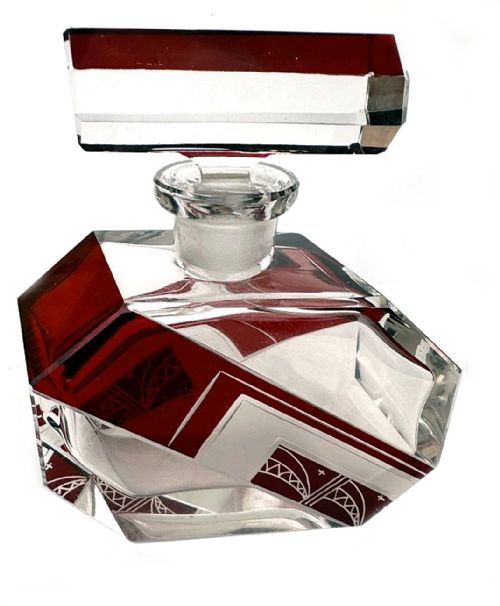
Smaller accessories such as cut glass perfume bottles, enamel jars, and mirrored trays frequently accompany the larger furniture pieces. Together, they form complete sets intended for grooming and personal organisation.
Materials and construction methods
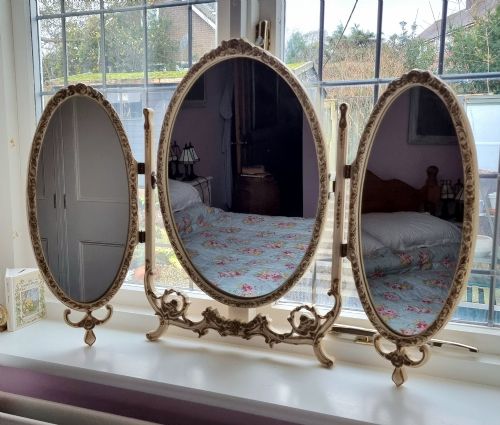
Cabinet makers utilised figured and burr walnut, birdseye maple, and pale mahogany veneers over solid carcases to create striking surface patterns. Glass and mirrored panels were integrated into table tops and triple-folding mirrors.
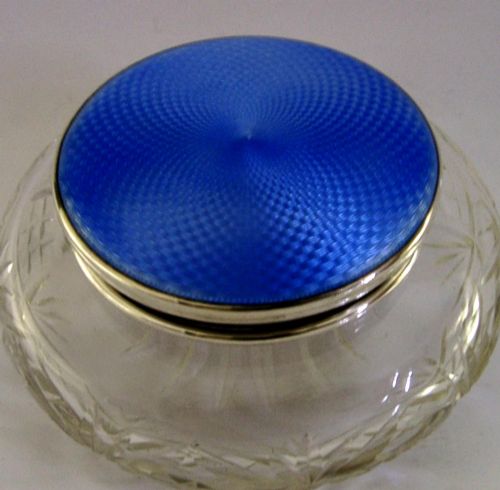
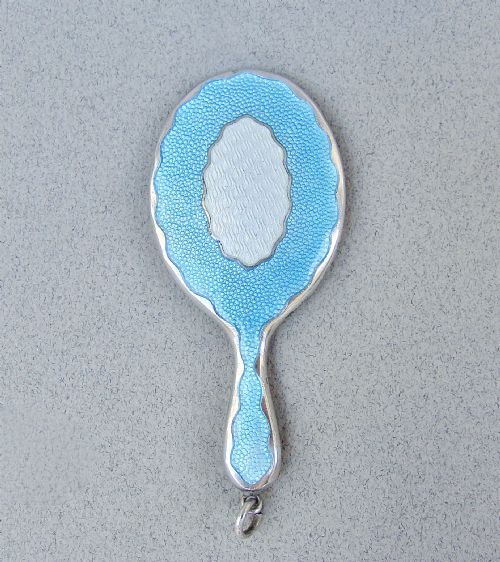
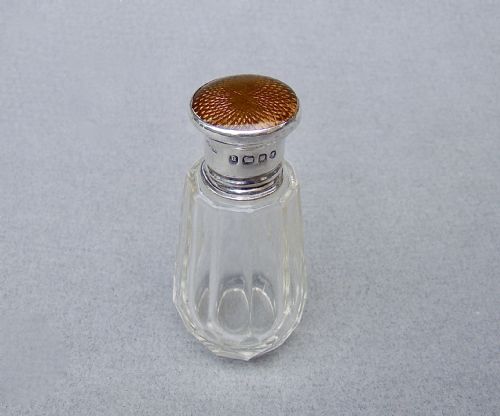
Metalwork played a key role through sterling silver, guilloche enamel, and chrome applied to perfume bottles, atomisers, and jars. Upholstered stools combined wood frames with fabric, leather, or new decorative covers.
Bathing belle powder boxes add a cheerful touch of porcelain whimsy to the serious geometry of interwar bedrooms.
Distinctions in construction and finish
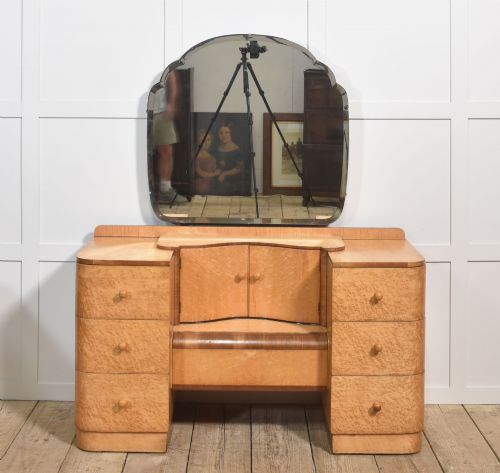
Quality rests upon the selection of veneer grains, such as matched burr walnut or birdseye maple, which demand precise alignment across drawer fronts and top surfaces. The integration of original hardware and matching mirrors elevates certain examples.
Maker attribution and specific workshop execution separate standard production from superior pieces. Fine craftsmanship is evident in the stability of pedestal joints and the clarity of bevelled mirror glass.
Frank Taylor & Co.·Karl Palda·Henry Williamson·Henry Perkins·Heal & Sons·Maurice Adams·Harry and Lou Epstein
The 1930s Vanity Table Glossary
- Art Deco
- A design style spanning the 1920s and 1930s characterised by clean geometric lines, stylised motifs, and modern industrial materials. It dominates the aesthetic of interwar furniture and vanity accessories.
- Burr Walnut
- A wood harvested from the wart-like growths on walnut trees, yielding complex swirling grain patterns. Cabinet makers prized it for decorative veneer panels on dressing tables.
- Guilloche Enamel
- A decorative technique where a precise geometric pattern is engraved beneath a translucent enamel coating. It appears frequently on silver vanity jars and perfume atomisers.
- Pedestal Dressing Table
- A dressing table constructed with two banks of drawers supporting the main writing or grooming surface. This form provides substantial storage beneath the mirror.
1930s Vanity Table: Frequently Asked Questions
What woods were used for a 1930s vanity table?
Makers of the period primarily employed walnut, burr walnut, birdseye maple, oak, and pale mahogany. These timbers were selected for their pronounced grain patterns and ability to take a high polish.
Veneers were carefully matched across drawer fronts to create symmetrical geometric designs typical of the era's aesthetic.
How do I identify an original 1930s mirror?
Original mirrors often feature heavy bevelling and are integrated into triple-folding frames or attached via wooden supports. The glass may show minor age spotting behind the silvered backing.
Frames typically match the primary wood of the dressing table, utilising walnut, maple, or oak veneers consistent with the rest of the piece.
Were stools usually sold with these tables?
Matching stools formed an integral part of bedroom suites from this decade. They shared the woods and geometric styles of the main dressing tables.
Many examples feature upholstered seats covered in leather, fabric, or decorative patterned textiles designed to fit beneath the kneehole space.
What accessories belong on these tables?
Dressing tables were routinely populated with matching sets of cut glass perfume bottles, atomisers, silver-lidded jars, and enamel powder boxes. Mirrored trays often held these items together on the surface.
These smaller pieces frequently incorporated sterling silver and coloured guilloche enamel matching the room's decorative scheme.