






Glass Top Vanity
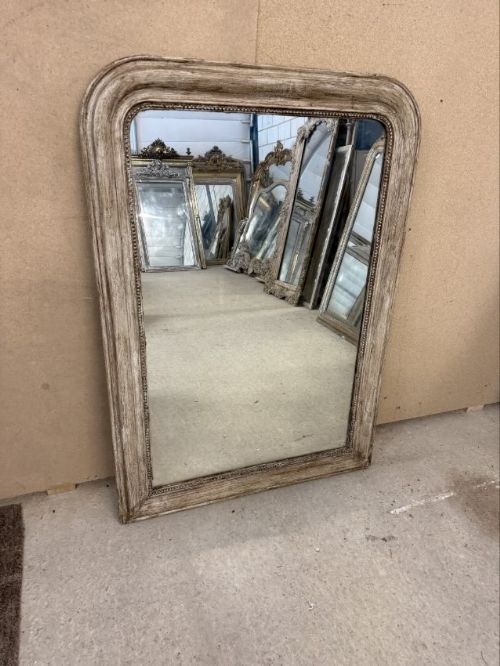
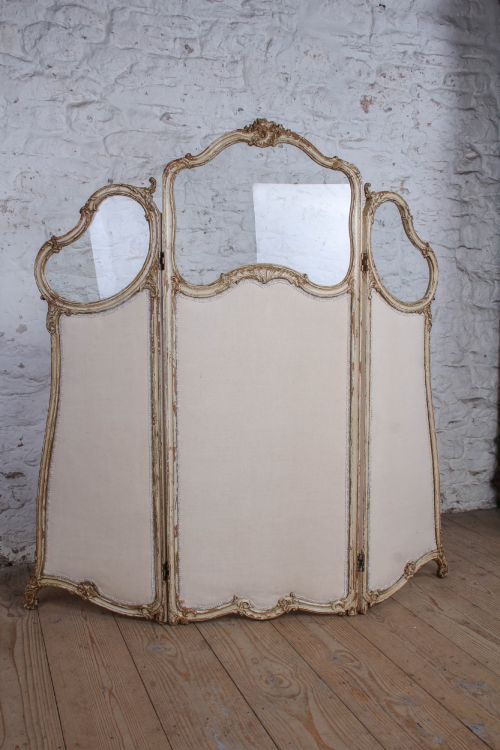
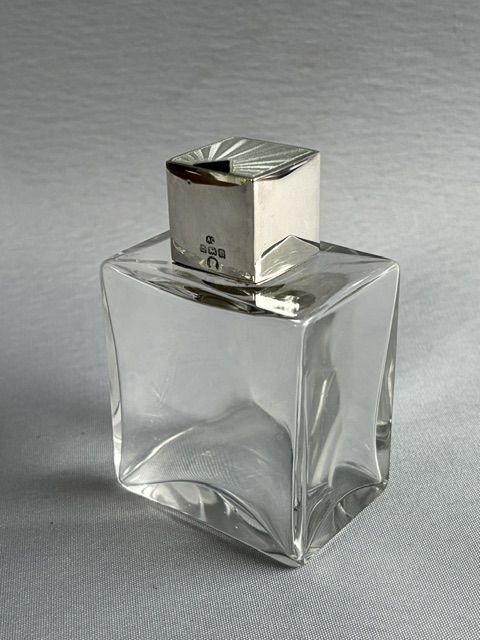
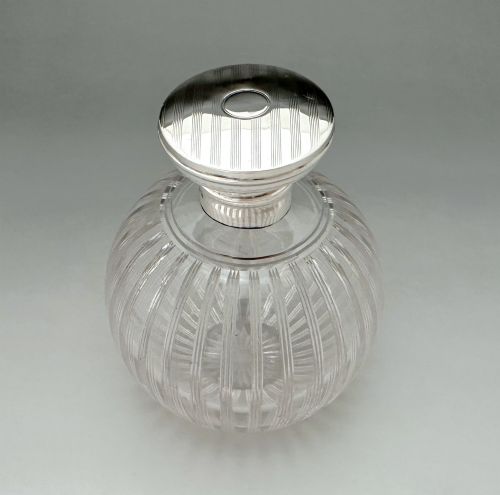
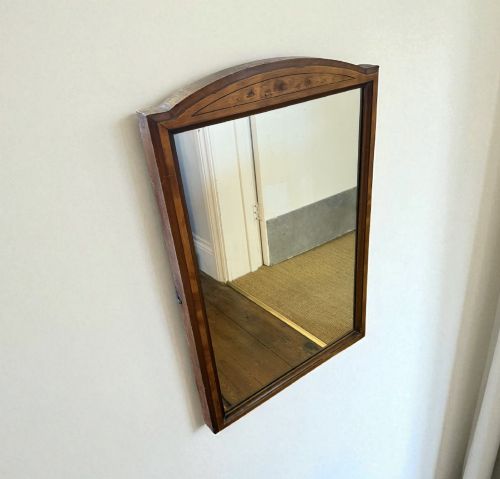
When you seek a glass top vanity, you discover dressing furniture, mirrors, and fitted glass vessels mounted in sterling silver.
Glass Top Vanity
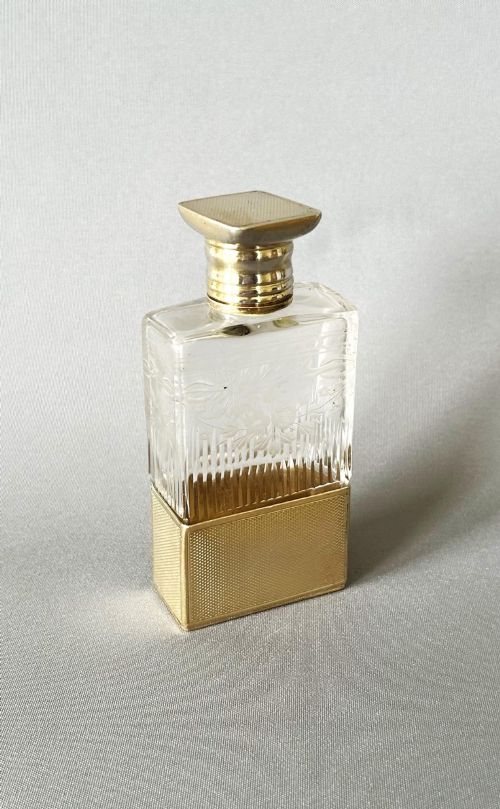
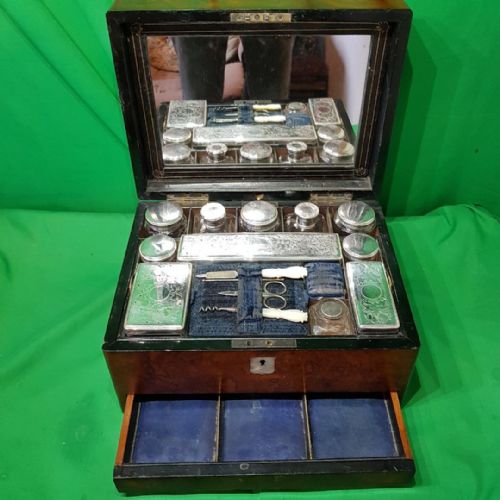
A glass top vanity encompasses dressing tables, desks with glass surfaces, and desktop scent bottles or vanity jars made to sit upon them. The selection draws together pieces from the Victorian, Edwardian, and Art Deco periods, alongside earlier nineteenth-century examples.
Most items you encounter combine heavy glass bodies with sterling silver mounts, enamel lids, or polished wood frames. Dressing tables and desks provide the primary surface forms, while scent bottles, perfume bottles, and trinket boxes supply the tabletop accessories.
Origin points range across English workshops in Birmingham and London alongside continental centres such as France, Bohemia, and Venice. Pieces span from simple nineteenth-century utilitarian items to elaborate Art Nouveau and Art Deco designs.
Materials and construction methods
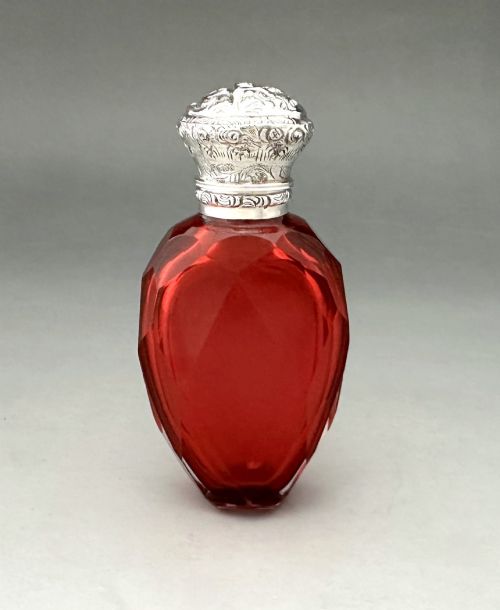
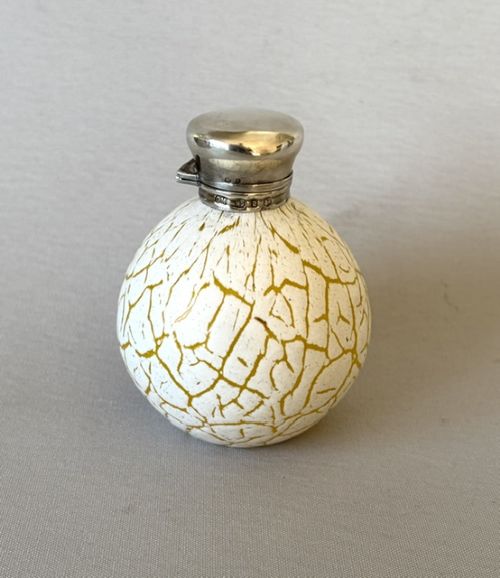
Makers utilised clear cut crystal, opaline glass, cranberry glass, Bristol blue, and crackle glass, often pairing them with sterling silver lids, collars, and overlay. Wood versions incorporate walnut, mahogany, and yew in desks and mirror frames.
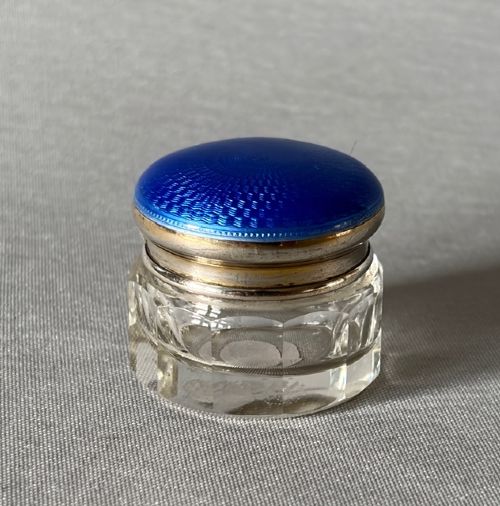
Techniques combine glass blowing, wheel-cutting, and moulding with silver smithing, engine-turning for guilloché enamel, and hand-painted porcelain plaques set into metal mounts.
Glass Top Vanity Retail Price Guide 2026
Typical asking prices for glass top vanity among the pieces listed under this phrase on Sellingantiques today, from the lower quarter to the upper quarter. They describe what is for sale here now, not the wider market.
Some Victorian scent bottles are shaped like eggs, ready to roll away from clumsy fingers during morning routines.
Distinguishing quality across the range
Quality rests upon the depth of the glass cutting, the clarity of coloured glass bodies, and the crispness of hallmarks on the sterling silver mounts. Intricate hand-painted enamel work and complex overlay designs elevate standard items into finer pieces.
Structural integrity in wooden dressing tables and desks, alongside the retention of original glass tops and matching silver lids, separates exceptional survivals from assembled or altered pieces.
A. J. Pepper & Co·Henry Clifford Davis·Gorham·Harold Bushell & Co·Henry Perkins·Franchini & Bigaglia
The Glass Top Vanity Glossary
- Guilloché enamel
- A decorative technique where a precise geometric pattern is mechanically engraved beneath translucent enamel. This method was widely used on Edwardian and Art Deco vanity jar lids.
- Cranberry glass
- A rich red glass produced by adding gold chloride to the molten batch. It appears frequently in Victorian scent bottles and trinket boxes.
- Sterling silver mount
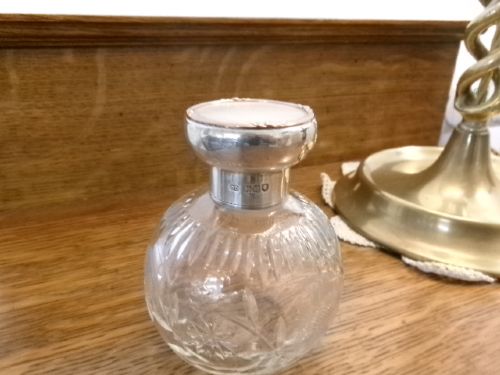
- A collar or lid formed from silver meeting official fineness standards, attached to the neck of a glass bottle or box. Hallmarks stamped upon the metal reveal the assay office and year.
- Opaline glass
- An opaque, pale glass that transmits a soft light, often tinted in pastel shades. It forms the body of distinct Victorian dressing table jars.
- Murrine
- Glass canes layered with colours and sliced to reveal patterns, seen in Venetian scent bottles. This technique creates intricate mosaics within the glass body.
Glass Top Vanity: Frequently Asked Questions
What periods do these vanity pieces cover?
The collection spans from the nineteenth century through the Victorian and Edwardian eras into the 1920s and 1930s Art Deco period. Pieces reflect the shifting stylistic tastes of these decades.
Earlier items tend towards deep-coloured glass and ornate silver mounts, while later twentieth-century examples favour geometric lines and guilloché enamel.
How were glass vanity jars used?
Dressing table jars and scent bottles held perfumes, powders, and cosmetics for daily grooming rituals. They sat atop dressing tables and desks as both functional containers and decorative objects.
Trinket boxes safeguarded small jewellery pieces and hairpins, keeping the dressing surface orderly.
How do I identify silver mounts?
Sterling silver mounts carry small stamped hallmarks indicating the maker, assay office such as Birmingham or London, and the year of manufacture. These stamps help date the item precisely.
Matching hallmarks on lids and collars confirm that the parts remain original to one another.
What makes coloured glass different?
Coloured glass varieties like cranberry, Bristol blue, and opaline owe their hues to specific mineral oxides or gold added during the melting process. Each colour marks distinct regional traditions and production eras.
These rich tones provided a contrast to the polished sterling silver lids.