

1930s Side Table
A 1930s side table brings geometric clarity and rich timber figures into a room, offering practical surface space with distinct period character.
1930s Side Table
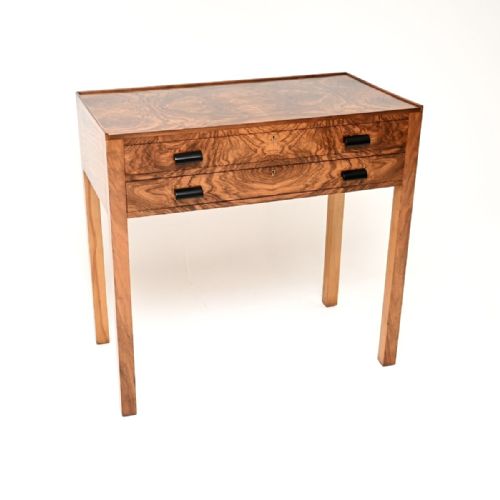
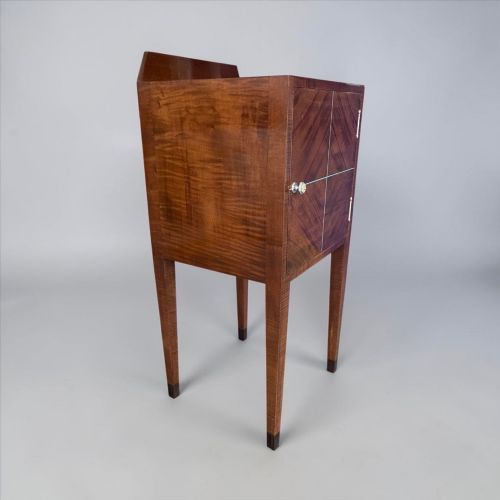
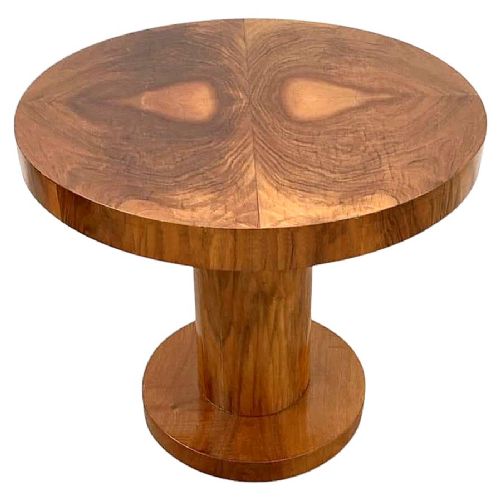
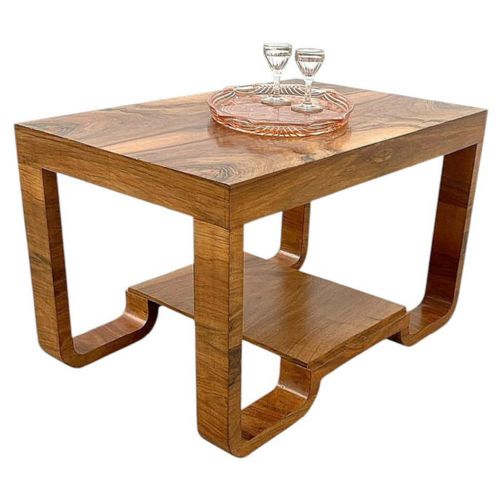
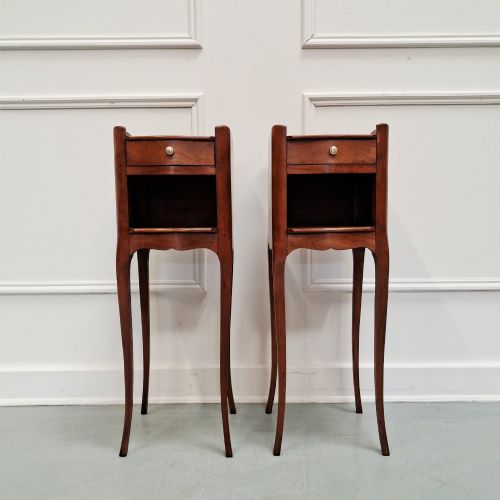
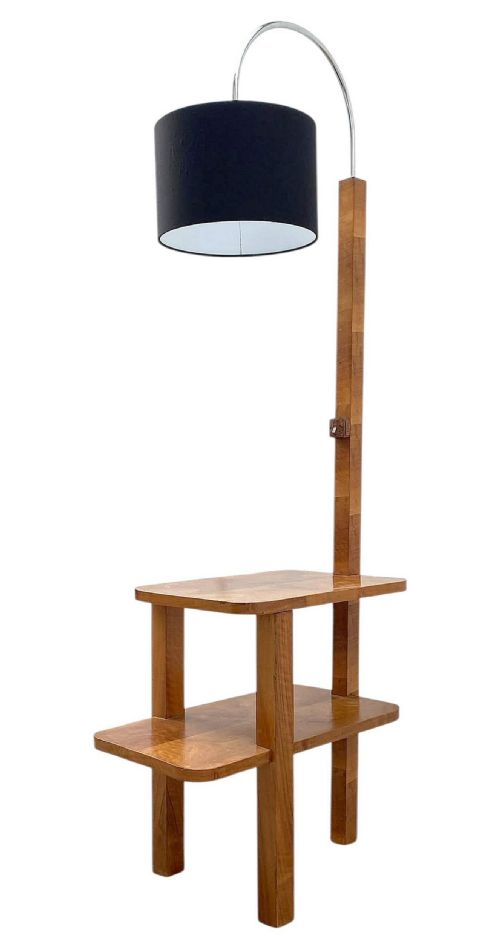
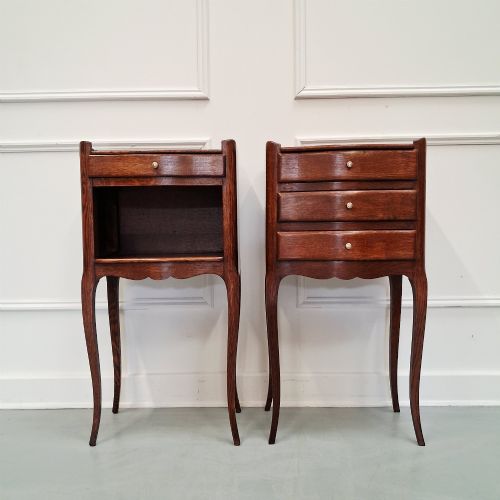
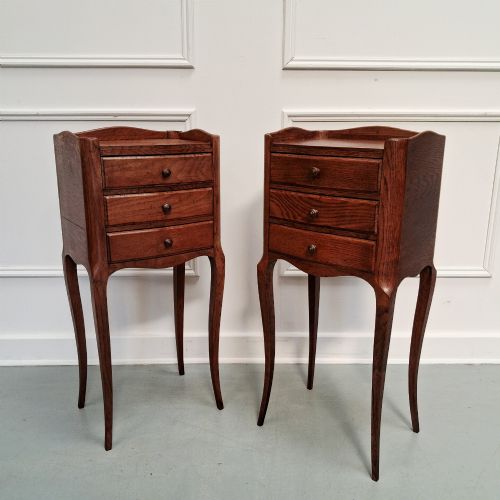
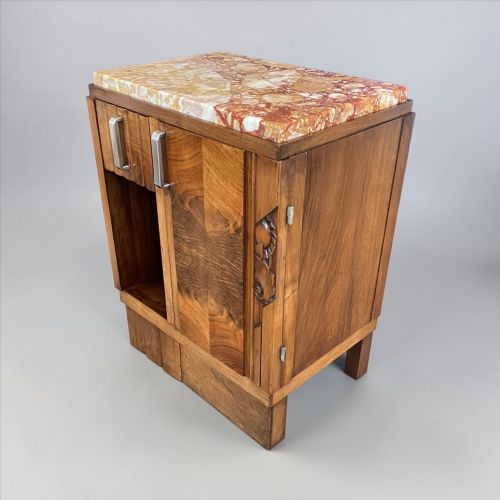
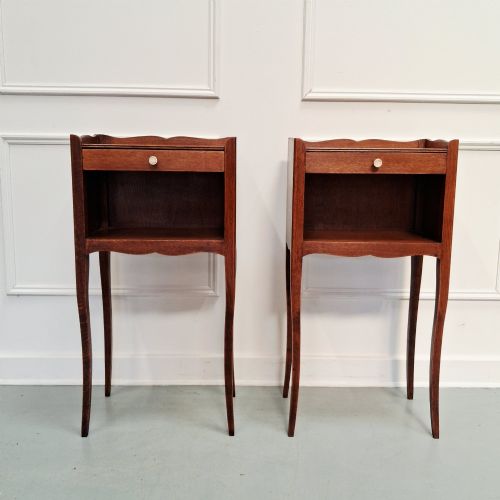
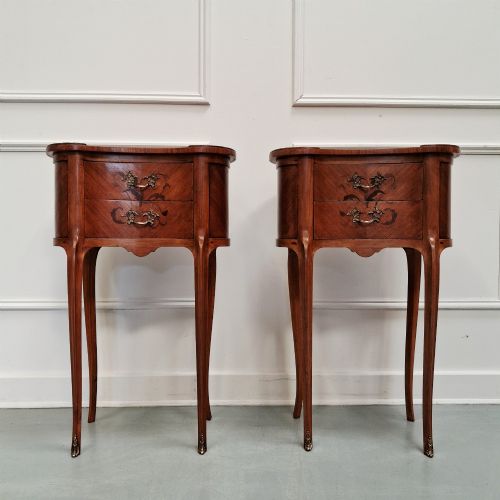
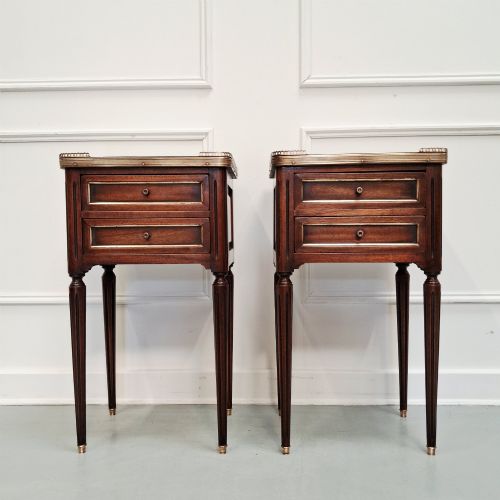
A 1930s side table typically takes the form of an occasional, coffee, or console table designed to anchor a seating area or complement a bedside. The examples found here draw heavily on Art Deco and modernist idioms, alongside vernacular oak pieces from the same decade.
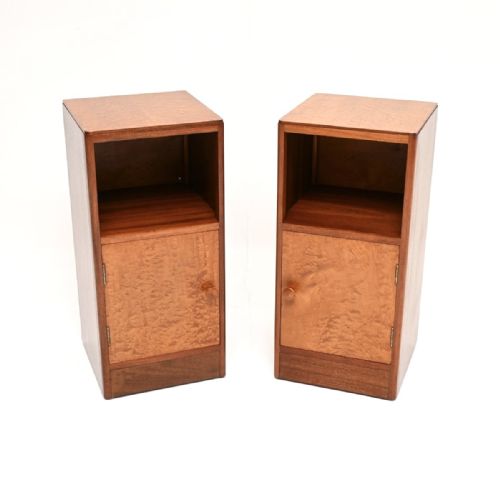
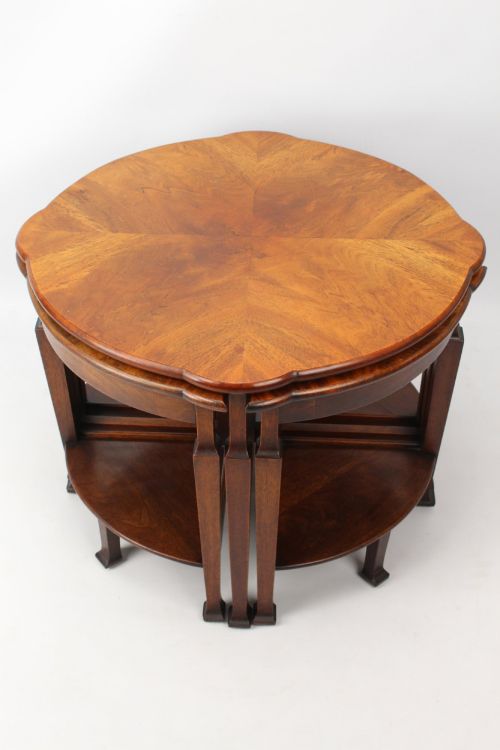
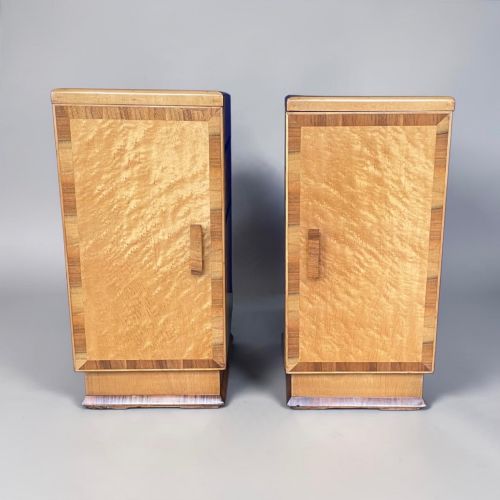
Buyers encounter numerous variations ranging from tiered walnut coffee tables and nested sets to compact bedside cabinets and brass demi-lune consoles. These pieces reflect the interwar shift towards functional domestic furniture that did not sacrifice visual impact.
Origins span English workshops, French studios, and regional makers, introducing diverse stylistic interpretations from streamlined modernist chrome to rustic farmhouse pine.
Materials and construction
Makers of the period relied heavily on walnut, burr walnut, and oak, often applying figured veneers over solid secondary timbers to achieve dramatic grain patterns. These wooden surfaces were typically polished to a high sheen that highlighted the natural movement within the burl or grain.
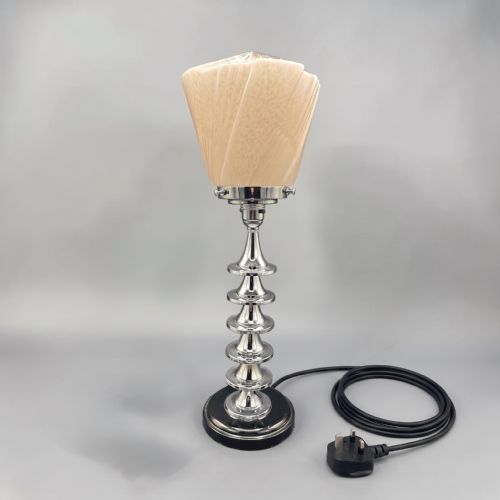
Metal elements such as brass and chrome appeared with increasing frequency, particularly in modernist designs that incorporated tubular frames or decorative mounts. Glass tops and mottled lamp components added further textural contrast to the timber and metal structures.
1930s Side Table Retail Price Guide 2026
Typical asking prices for 1930s side table among the pieces listed under this phrase on Sellingantiques today, from the lower quarter to the upper quarter. They describe what is for sale here now, not the wider market.
Listings feature walnut, oak, and exotic veneers alongside chrome and brass, reflecting the material breadth of 1930s furniture production.
Markers of distinction
Quality in a 1930s side table rests primarily on the selection of timber veneers and the precision of the joinery. Tables utilising book-matched burr walnut or birds eye maple demonstrate a deliberate visual symmetry that elevates the piece beyond standard production.
Structural integrity and the retention of original surface finishes separate standard utility items from works by notable makers or specialised design houses. The harmony between secondary materials like chrome or brass and the primary wood body dictates the overall success of the piece.
Walter Carter Harrods·Gomme·Oliver Percy Bernard·PEL·Hille
The 1930s Side Table Glossary
- Art Deco
- A design style spanning the 1920s and 1930s characterised by sleek geometric shapes, stylised motifs, and modern industrial materials. It dominated urban furniture production during this period.
- Veneer
- A thin slice of figured wood applied over a stable core timber to create decorative patterns without excessive weight or cost. Burr walnut and maple veneers are common examples.
- Demi-lune
- A half-moon shape used for console and side tables designed to sit flush against a wall. This format saved floor space in smaller interwar rooms.
- Nesting tables
- A set of graduated tables designed to slide neatly beneath one another when not in use. They provided flexible surface area for entertaining.
- Two tier
- A table construction featuring an additional lower shelf supported by legs or uprights. This design offered extra display or storage capacity.
1930s Side Table: Frequently Asked Questions
How do I identify a 1930s side table?
Look for characteristic geometric lines, waterfall edges, and the extensive use of figured walnut or limed oak veneers. Material combinations involving chrome or brass also point directly to this interwar decade.
Construction methods often include layered tiers or nesting configurations designed for modern compact living of that era.
Where should I place a bedside cabinet?
These compact cabinets suit bedrooms requiring enclosed storage alongside the bed for lamps and personal items. Their modest footprints allow them to fit tightly against headboards and walls.
Matching pairs provide a symmetrical arrangement flanking the bed, while single cabinets work well in guest rooms.
Are nested tables practical for daily use?
Nested sets offer versatile surface space that expands when entertaining and retracts to save floor space during quiet times. The smaller tables pull out easily to hold drinks or books.
Ensure the sliding surfaces do not bind against the legs of the main table during extraction.
How do Art Deco and modernist styles differ?
Art Deco pieces often emphasise luxurious veneers, rich grain patterns, and decorative brass details. Modernist designs lean towards functional austerity using chrome, tubular metal, and limed oak.
Both movements share a rejection of heavy Victorian ornamentation in favour of clean, purposeful silhouettes.