
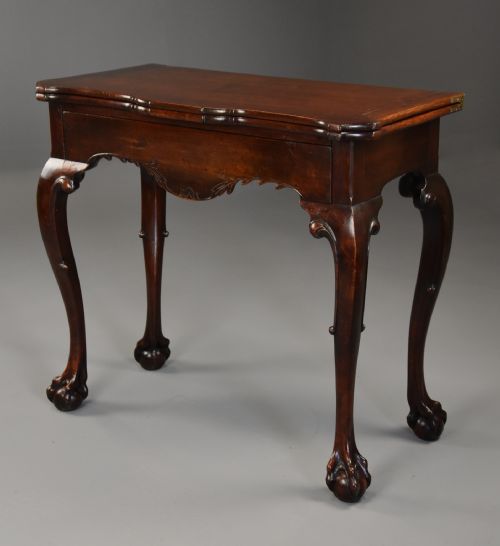


Black and Walnut Table
A black and walnut table combines dark ebonised or black lacquer elements with rich brown grain, offering a striking contrast for interiors.
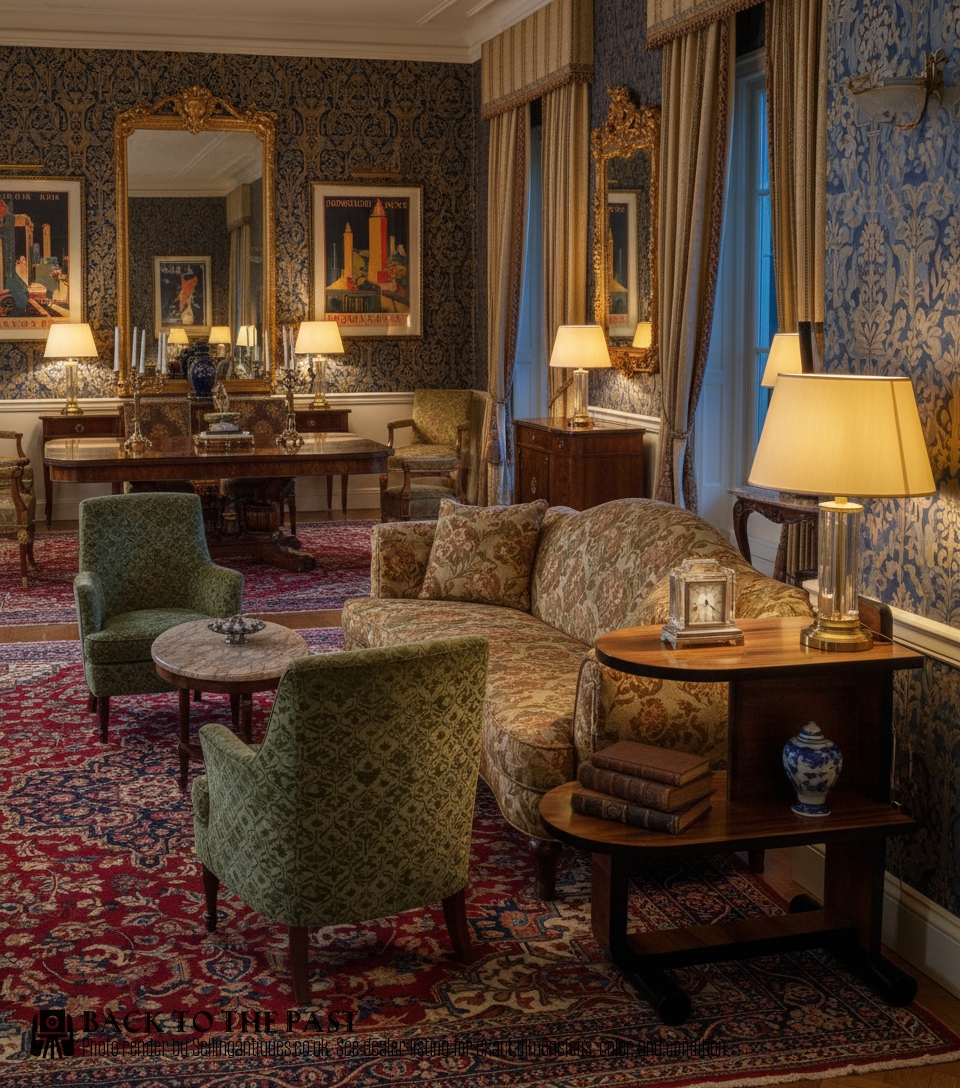
Black and Walnut Table
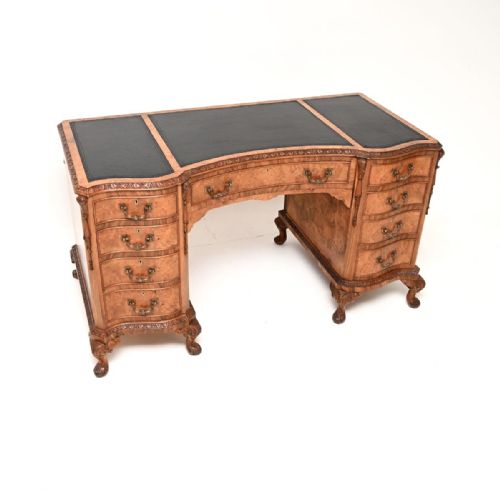
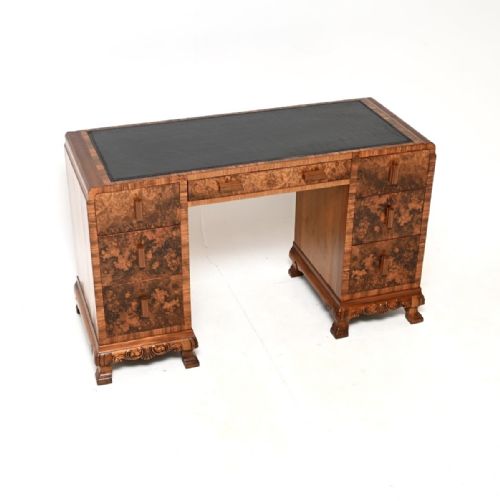
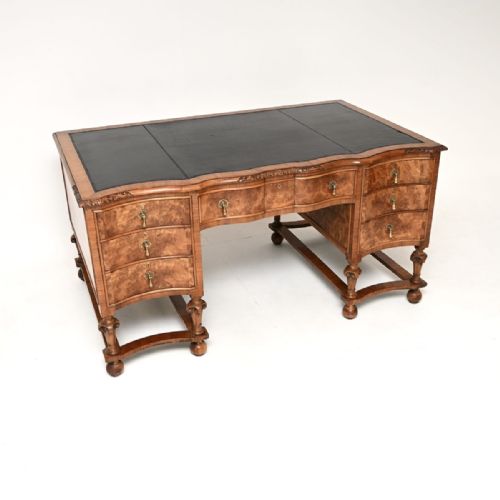
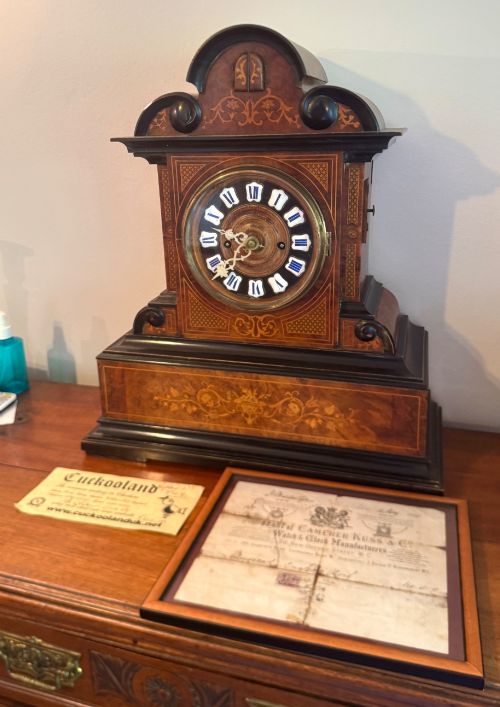
When you search for a black and walnut table, you encounter pieces spanning the nineteenth century and the art deco era, featuring forms such as occasional tables, side tables, tea tables, and desks. These pieces merge dark ebonised or lacquered surfaces with walnut timber, frequently incorporating marquetry, inlaid details, or pietra dura panels.
The most common versions on this page are Victorian occasional tables and Black Forest carved tables, alongside later art deco designs in figured or burr walnut. You will also find specialised items like gaming tables, flap tables, and silver tables that utilise this dual-tone palette.
Origins stretch across Britain, France, Germany, and Switzerland, reflecting diverse stylistic movements from the aesthetic movement to french rococo. The juxtaposition of deep black finishes against warm walnut creates a visually balanced focal point suitable for sitting rooms, halls, and studies.
What varies in quality
The standard of a black and walnut table rests on the depth of the timber figuring and the precision of the contrasting ebonised details. Finely chosen burr walnut veneers and crisp, deep hand-carving distinguish superior examples from plain production pieces.
Construction methods determine durability, visible in the tightness of marquetry joints, the stability of pedestals and casters, and the preservation of original polished surfaces. Superior pieces display harmonious proportions where the black finish complements rather than overwhelms the natural walnut grain.
Listings feature pieces spanning the nineteenth century through the nineteen thirties, encompassing styles from Black Forest carving to art deco modernism.
Maple and Co·Howard and Sons·Lenzkirch
The Black and Walnut Table Glossary
- Ebonised
- Wood treated with a stain or finish to imitate expensive ebony. This technique defines many nineteenth century aesthetic movement and Victorian pieces.
- Burr walnut
- Timber taken from a tree growth, producing swirling, highly decorative grain patterns. Cabinet makers prized this wood for table tops and desk surfaces.
- Marquetry
- The art of applying pieces of veneer to a structure to form decorative patterns. Artisans used contrasting woods to create floral or geometric designs.
- Pietra dura
- Inlay work using cut and fitted polished coloured stones to create pictures. This technique appears on decorative table tops from the nineteenth century.
- Occasional table
- A small, versatile table designed for specific, intermittent use rather than central dining. These forms dominate Victorian and art deco selections.
Black and Walnut Table: Frequently Asked Questions
How do I date a walnut table?
Dating relies on stylistic clues, construction methods, and materials recorded across nineteenth and twentieth century pieces. Victorian and aesthetic movement items often feature ebonised turning and elaborate inlay.
Art deco examples from the nineteen thirties lean towards streamlined tiers, geometric forms, and figured walnut veneers without heavy ornamentation.
Where should I place an occasional table?
Occasional tables fit easily beside seating areas, in hallways, or as accent pieces in reception rooms. Their compact size allows them to function as lamp stands or display surfaces.
The dark contrast of black and walnut anchors neutral room schemes while adding textural depth through wood grain and carved details.
What maintenance do these tables need?
Maintenance involves regular dusting with a soft, dry cloth and avoiding placement near direct heat sources or strong sunlight. These precautions protect fragile veneers and aged finishes.
Applying appropriate furniture wax occasionally helps preserve the sheen of walnut and ebonised woodwork without building up residue.