

1930s Nightstands
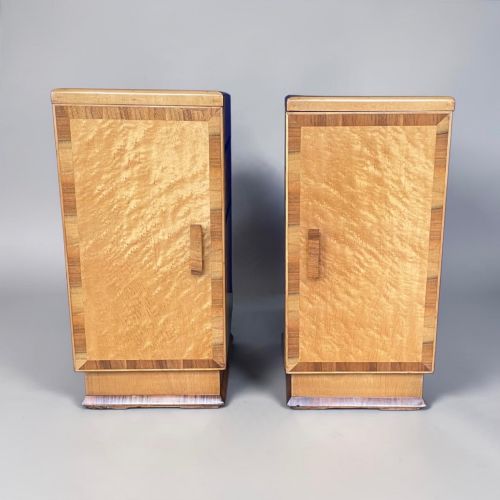
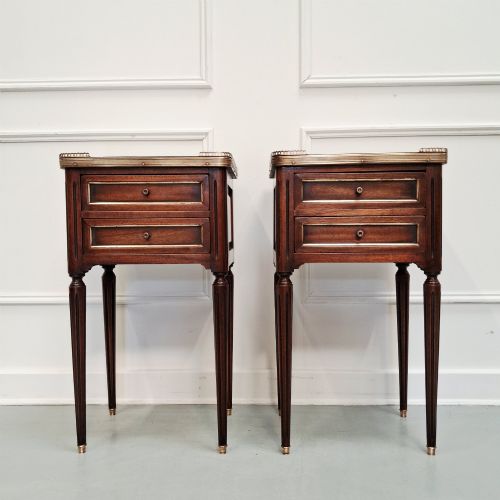
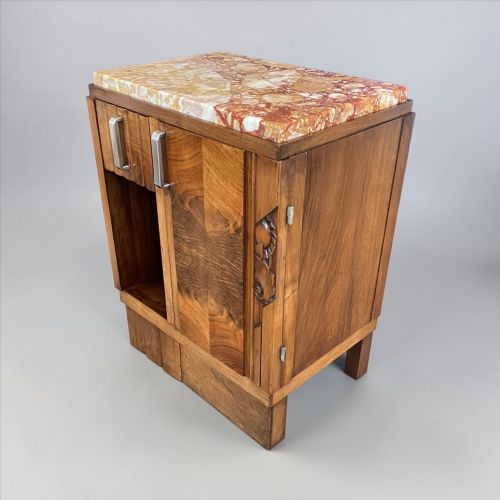
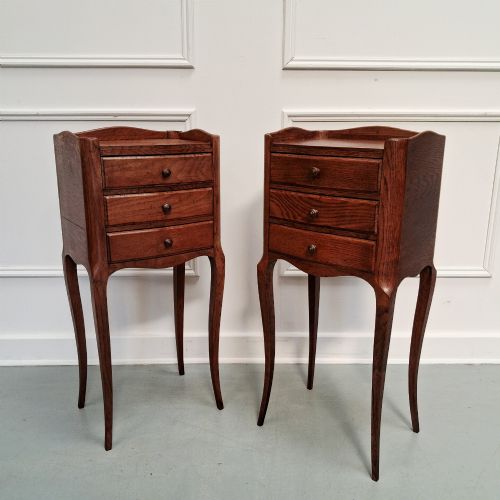
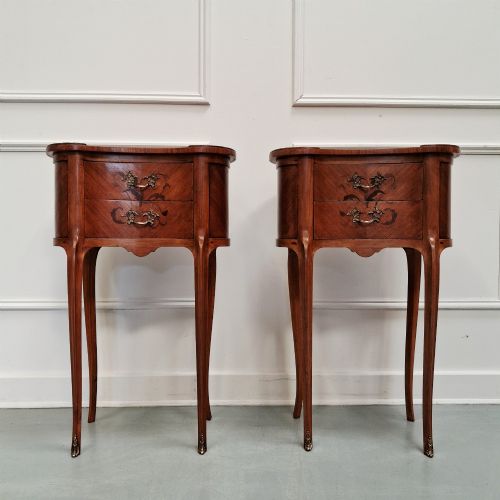
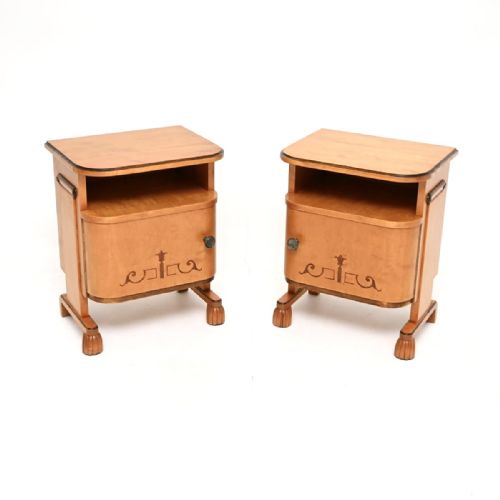
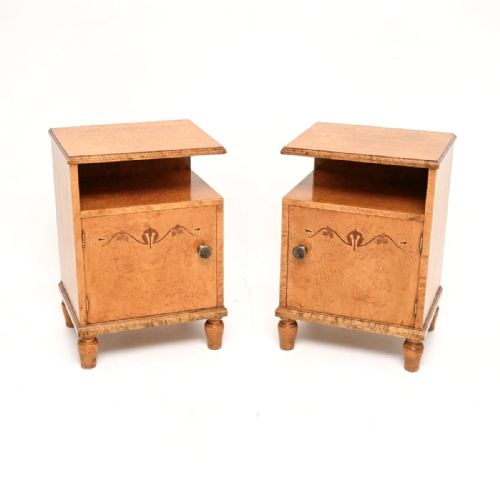
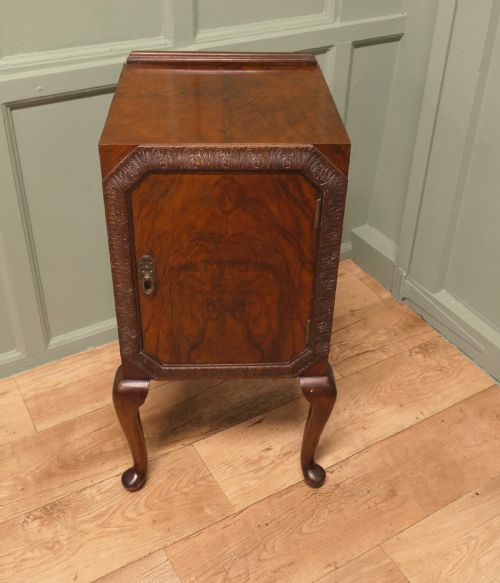
These 1930s nightstands bring striking grain patterns and practical bedside storage, dominated by Art Deco designs in rich walnut and oak.
1930s Nightstands
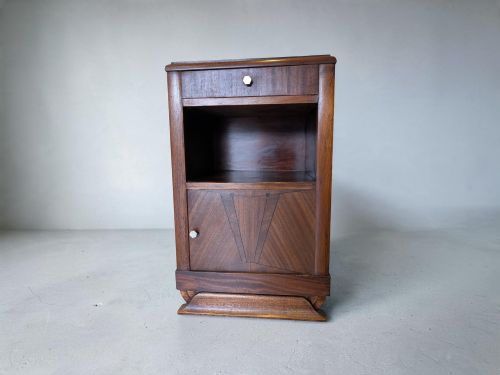
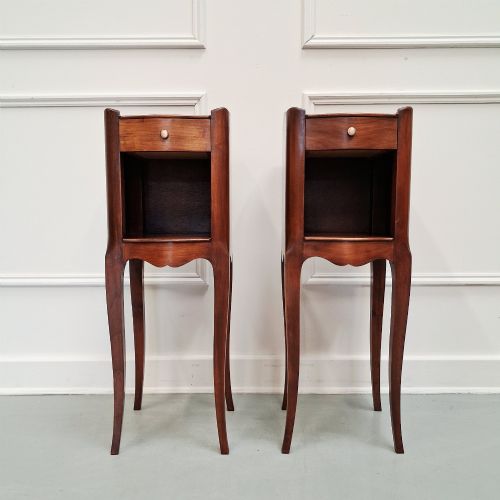
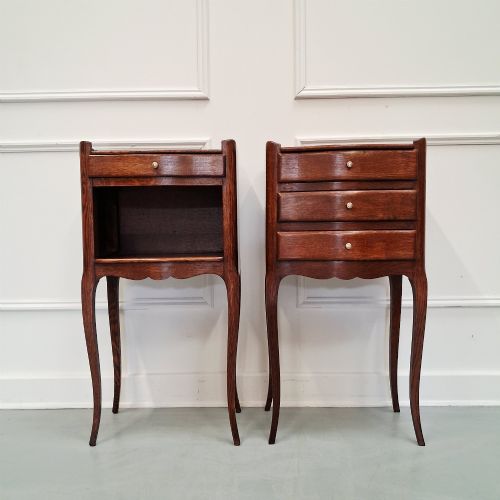
When searching for 1930s nightstands, you encounter a variety of compact bedside furniture primarily designed as enclosed cabinets or open tables. Most examples on this page date from the 1930 period, featuring characteristic forms developed during the Art Deco era alongside occasional revival styles.
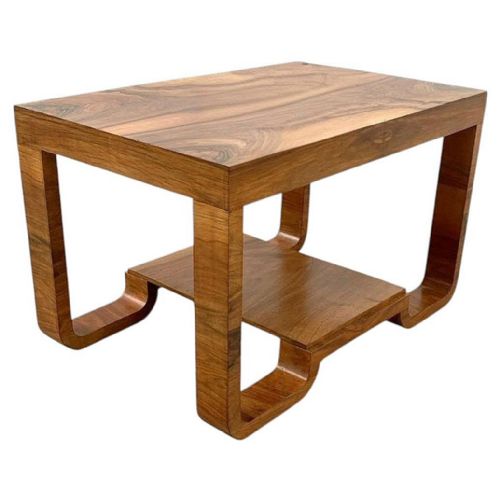
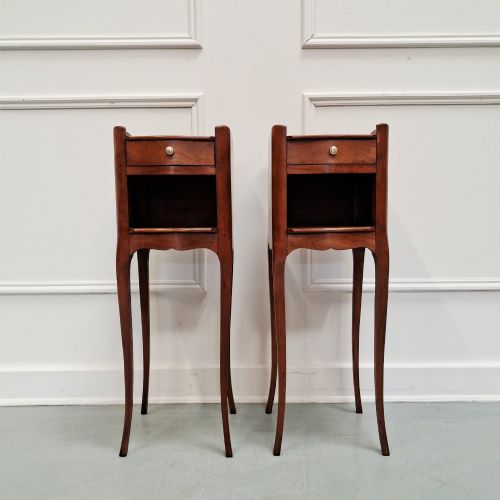
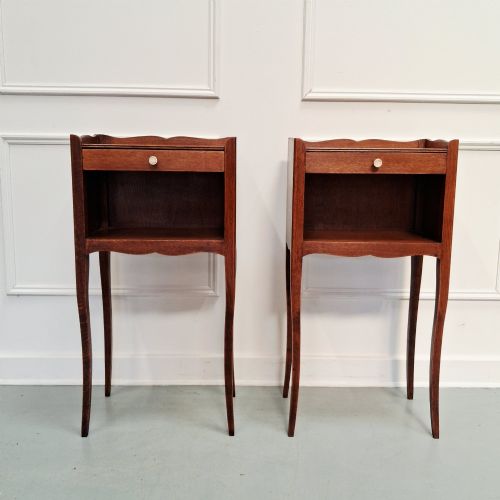
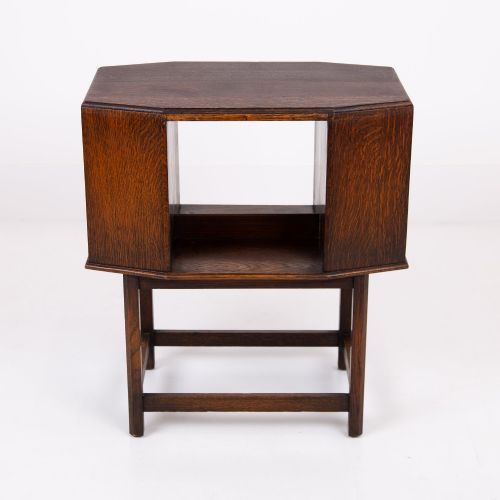
The dominant format is the bedside cabinet, often found in matched pairs, offering convenient storage beside the bed. Alongside dedicated bedside tables, related forms such as side tables, occasional tables and small bookcases appear frequently across the listings.
Geographic origins vary widely among these pieces, encompassing English, French and Scandinavian craftsmanship. French and Swedish interpretations frequently showcase lighter timbers and streamlined silhouettes, whereas English pieces often rely on deeper figured walnut.
Materials and construction
Makers of this era utilised a diverse palette of fine timbers, heavily favouring walnut, oak and exotic veneers like burr walnut, kingwood and satin birch. These decorative wood veneers were carefully applied to carcass structures to create symmetrical grain patterns across door fronts and tabletops.
Metal and stone elements frequently complement the woodwork, with brass accents, chrome details and occasional marble surfaces appearing on specific forms. Lamps from the period further incorporate materials such as alabaster and spelter to complete the aesthetic.
1930s Nightstands Retail Price Guide 2026
Typical asking prices for 1930s nightstands among the pieces listed under this phrase on Sellingantiques today, from the lower quarter to the upper quarter. They describe what is for sale here now, not the wider market.
Materials documented across the inventory include brass, chrome, marble, and spelter alongside various woods.
Judging the quality
Quality in these bedside pieces rests largely upon the selection and matching of wood veneers. Grain that flows naturally across a cabinet front indicates superior cabinet-making compared to random patching.
Proportion and the integration of hardware also dictate the tier of a piece. Clean lines, well-fitted doors and the presence of matching pairs elevate certain cabinets well above standard utility items from the same decades.
Walter Carter Harrods·Heals
The 1930s Nightstands Glossary
- Art Deco
- A design style characterised by sleek geometric shapes, streamlined forms and rich materials popular during the interwar period. It remains the defining aesthetic for furniture of this decade.
- Burr walnut
- A prized timber veneer obtained from walnut tree growths, displaying intricate, swirling grain patterns. It adds distinct visual texture to cabinet doors and tabletops.
- Bedside cabinet
- A small enclosed piece of furniture designed to sit beside a bed, typically featuring a cupboard door and sometimes an open shelf.
- Veneer
- A thin slice of decorative wood glued over a sturdier secondary timber base. This technique allows makers to display striking grain figures efficiently.
- Serpentine
- A furniture contour that curves outward at the centre and inward at the sides. This undulating shape demands advanced woodworking skill.
1930s Nightstands: Frequently Asked Questions
Are 1930s nightstands usually sold in pairs?
Many bedside cabinets and tables from this era survive as matched pairs, though single items also appear regularly. Pairs are particularly sought after for balancing twin beds or larger modern bed frames.
Matching pairs often command greater interest among collectors who prefer symmetry in bedroom interior arrangements.
What woods were used for 1930s nightstands?
Makers utilised a wide array of timbers, with walnut, oak and kingwood being among the most common. Exotic veneers like burr walnut, satin birch and birdseye maple also feature prominently on decorative surfaces.
Lighter woods often point toward Swedish or French workshops, while darker figured walnut frequently indicates English origin.
How do I identify Art Deco nightstands?
Art Deco pieces typically display clean geometric lines, symmetrical wood veneers and a lack of excessive ornamentation. They embrace functional forms with rounded corners or stepped details.
Many examples abandon traditional legs in favor of solid plinth bases or subtle cabriole supports reflecting earlier revival influences.
Can I use a side table as a nightstand?
Open side tables and small bookcases from the period function effectively as alternative bedside surfaces. These forms provide accessible space for reading materials and lamps rather than enclosed storage.
Selecting an open table helps maintain an airy feel in smaller bedrooms where a heavy cabinet might overwhelm the floor space.