


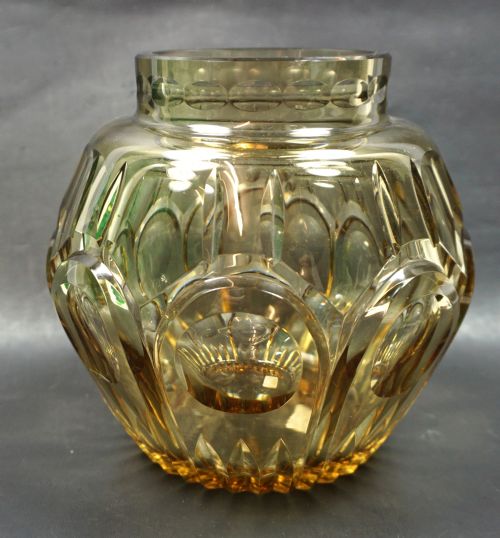


1930s Glass Vessel
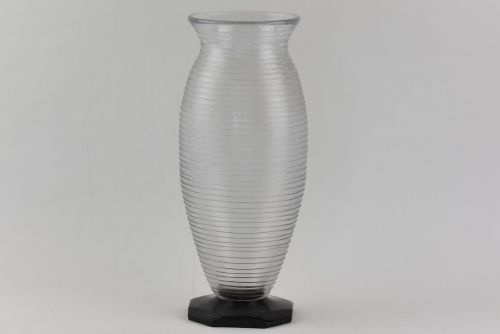
A 1930s glass vessel brings the bold geometric lines and rich colours of the interwar period directly into a room.
1930s Glass Vessel
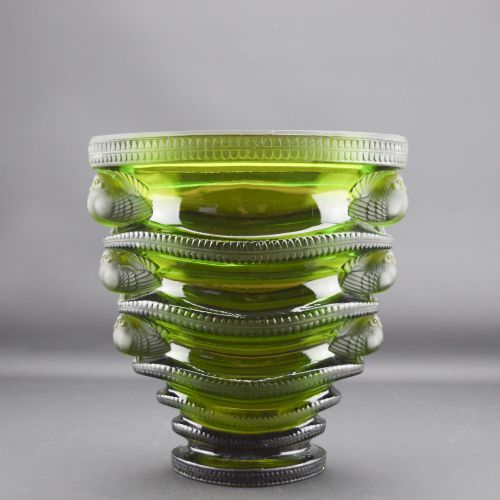
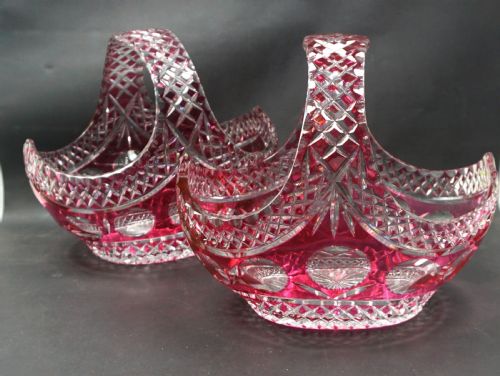
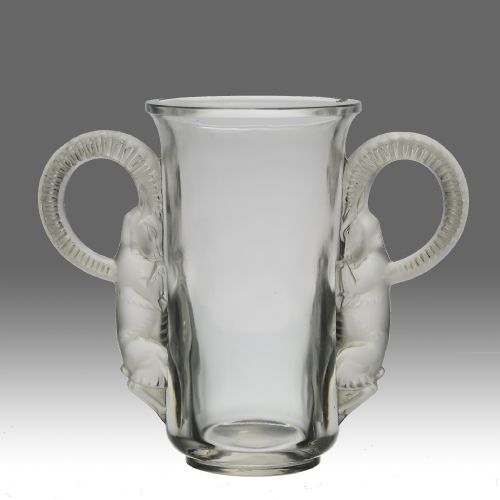
A 1930s glass vessel encompasses decorative vases, bowls, baskets, cigarette holders, and vanity jars created during the Art Deco period and the early decades of the twentieth century. These objects reflect the prevailing design movements of the era, ranging from clean modernist forms to folk art interpretations.
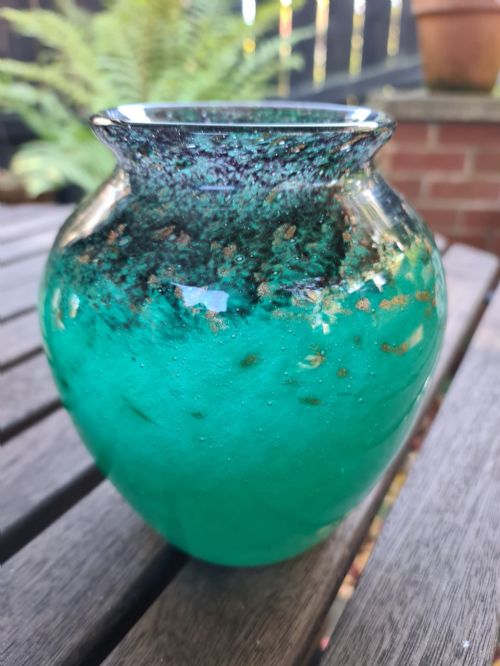
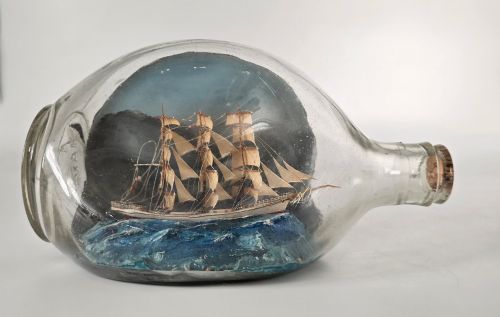
Vases and decorative bowls dominate the selection, often produced in striking colourways such as sapphire blue, topaz, amethyst, and rich green over crystal. Many examples originate from continental European makers and Scottish glassworks, alongside specific maritime folk art pieces incorporating glass bottles.
How they were made
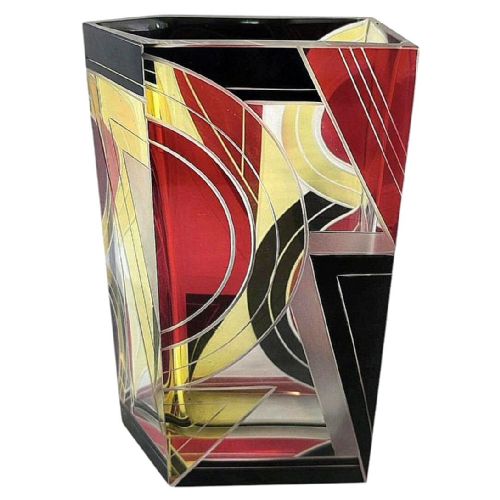
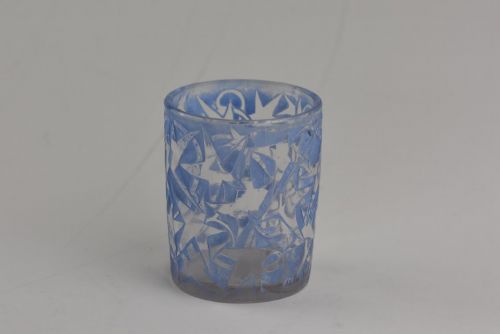
Makers utilised techniques such as mould-blowing, deep etching, and casing layers of coloured glass over clear crystal to achieve depth and contrast. Enamel decoration was frequently applied in geometric patterns across the surface of the vessel.
Specialised treatments like frosting, staining, and the inclusion of aventurine or opalescent qualities gave these glass vessels their characteristic tactile finish and play of light.
Several makers hid tiny glass bubbles inside their vessels just to prove the melt was breathing.
What varies in quality
Quality rests in the precision of the surface execution, whether through deeply etched geometric motifs or the controlled distribution of aventurine inclusions within the body of the glass. Superior pieces display a crisp harmony between form and surface ornamentation.
The sophistication of the colour palette and the weight of the lead crystal or opalescent medium distinguish standard production items from masterworks designed by leading figures of the period.
Rene Lalique·Val St Lambert·Karl Palda·Monart Glass·Graystan·Jean Luce
The 1930s Glass Vessel Glossary
- Opalescent glass
- Glass that diffuses light to display milky, iridescent blue or amber tones. This effect was heavily utilised by French makers to highlight moulded reliefs.
- Aventurine
- Metallic mineral inclusions suspended within the glass body to create a shimmering, spangled effect. It appears frequently in Scottish studio production.
- Over crystal
- A manufacturing technique where a layer of coloured glass is cased over a clear crystal base. Etching or cutting through the outer layer reveals the contrasting clear glass beneath.
- Frosted glass
- A matte finish achieved by acid-etching or sandblasting the surface. This technique softens the transparency and accentuates sculptural details.
- Lead crystal
- Glass containing lead oxide to increase weight, brilliance, and clarity. It allows for deeper, sharper cuts in decorative vessels.
1930s Glass Vessel: Frequently Asked Questions
How do I identify Art Deco glass?
Art Deco glass typically displays strong geometric patterns, stylised motifs, and bold use of colour or frosted finishes. The forms often lean towards clean architectural lines rather than organic curves.
Looking closely at the surface reveals whether the design relies on deep etching, enamel work, or overlaid coloured glass to achieve its modernist aesthetic.
What is Vasart glass?
Vasart is a Scottish glass produced by the Moncrieff family, known for mottled colour effects and the use of aventurine inclusions. These pieces often take the form of heavy baluster vases and decorative bowls.
The distinctive swirling patterns and rich colourways separate Scottish studio glass of this era from continental factory output.
How should I clean my glass vessel?
Clean vintage glass gently using lukewarm water and mild detergent with a soft cloth. Avoid abrasive sponges or harsh chemicals that might damage surface enamels or frosted areas.
Dry the piece immediately with a lint-free cloth to prevent water spots, particularly on deeply etched or cased surfaces.
Are these vessels signed?
Some pieces bear acid-etched, engraved, or moulded signatures from the designer or studio, while others rely on characteristic shapes, colourways, and manufacturing techniques for attribution.
Signatures are often found near the base rim, though many unmarked works remain recognisable through their distinct form and decorative style.