




Yellow Glass Flower Vase
A yellow glass flower vase brings a burst of warm colour to a room, catching the light in ways clear glass never manages.
Yellow Glass Flower Vase
A yellow glass flower vase encompasses a range of decorative vessels designed to hold stems whilst adding vibrant colour to an interior. The selection spans the ornate floral motifs of the Victorian period and Art Nouveau through to the geometric lines of Art Deco.
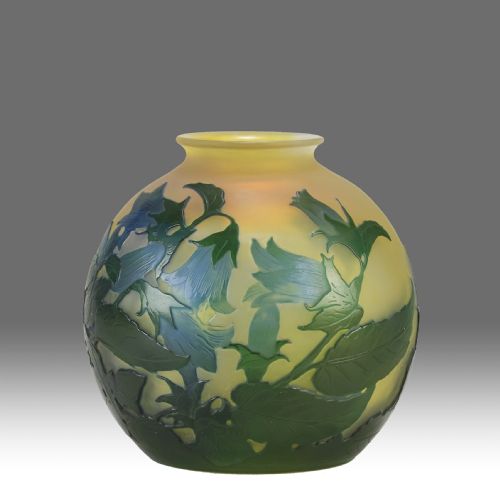
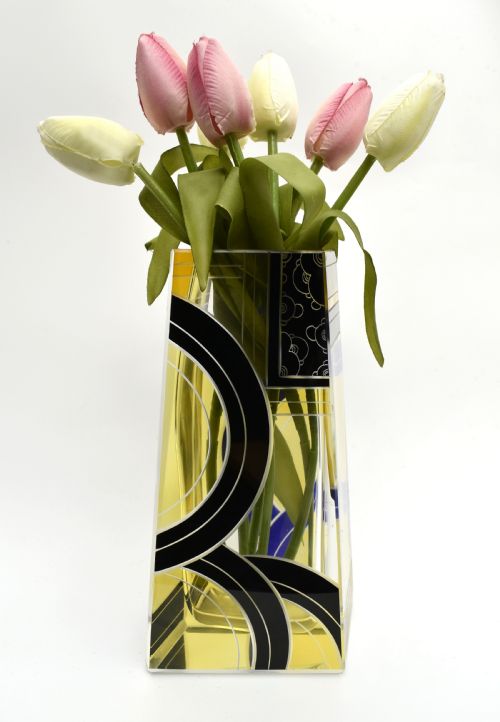
Most examples found here fall into distinct stylistic camps, from the layered botanical designs of French cameo glass to the striking enamelled geometry of Czech production. Alongside three-dimensional vessels, the offerings occasionally include period oil paintings depicting floral still life studies.
The materials and techniques reflect shifting tastes across several decades, moving from iridescent and vaseline glass towards acid-etched and uranium pieces. Collectors encounter both signed French studio works and robust central European designs from the interwar years.
Methods and materials in production
Makers utilised various glass-making techniques, notably cameo carving where multiple layers of coloured glass are acid-etched to reveal contrasting floral designs. Blown glass forms provided the foundational shape for many vessels before artisans applied hand-painted enamel or further etching.
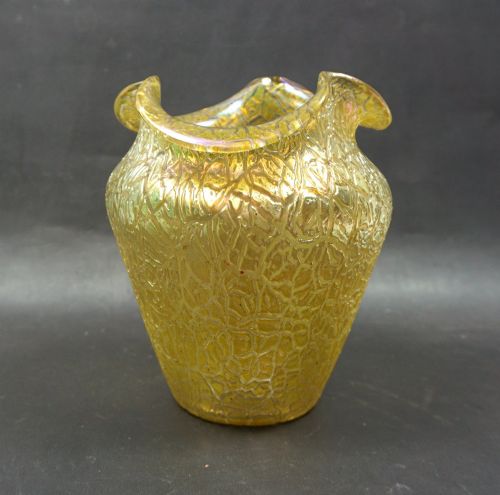
Specialised glass formulations defined specific periods, such as vaseline and uranium glass which incorporated minerals to achieve a distinctive luminous yellow glow under certain light. Other pieces relied on iridescent finishes or cased glass layers to create depth within the body of the vase.
Materials documented across the selection include cameo glass, enamel, vaseline glass, and oil on board.
Distinctions in quality and execution
Quality rests upon the crispness of the execution, whether in the precision of the acid-etched cameo layers or the steady hand behind geometric enamel work. Finer examples display a considered balance between the silhouette of the vessel and its surface decoration.
The reputation of the workshop and the presence of a signature often distinguish standard production wares from pieces of notable artistic ambition. Depth of colour, weight of the glass body, and the complexity of the manufacturing process separate simpler vessels from ambitious studio output.
Emile Gallé·Daum Nancy·Daum Frères·Karl Palda·Thomas Webb·Legras
The Yellow Glass Flower Vase Glossary
- Cameo glass
- A method of creating raised designs by carving or acid-etching through fused layers of different coloured glass. This technique demands immense skill from the artisan to maintain consistent depth and colour across the design.
- Vaseline glass
- Pressed or blown glass containing uranium dioxide, which imparts a characteristic yellow-green colour and a strong fluorescent glow under ultraviolet light. The uranium content was typically kept low, serving purely as a colouring agent.
- Acid-etched glass
- A process where hydrofluoric acid is applied to the surface of a vessel to eat away unprotected areas and create textured or frosted patterns. It allowed workshops to achieve intricate designs efficiently.
- Iridescent glass
- Glass treated with metallic salts while hot to produce a shimmering, rainbow-like sheen across the surface. This finish was particularly popular during the Art Nouveau period to mimic natural phenomena.
- Enamel
- Opaque glass paint applied to the surface of a vessel and fired in a kiln to fuse it permanently. It added vibrant blocks of colour and raised line work to otherwise plain glass bodies.
Yellow Glass Flower Vase: Frequently Asked Questions
Are these vases safe to hold water?
Most of these vessels were created to function as flower holders and will safely hold water for fresh stems.
It remains wise to check older pieces for internal mineral deposits or hairline fractures before filling them to prevent leaks or further damage.
How can I identify Art Nouveau pieces?
Art Nouveau works typically feature fluid, organic lines inspired by natural forms, often incorporating motifs such as flowers, stems, and seed pods.
Look for signature cameo carving and layered glass techniques that mimic the asymmetries and growth patterns found in nature.
What defines Art Deco glass design?
Art Deco pieces favour strict geometry, symmetry, and stylised motifs over the flowing curves of the preceding decades.
Such vessels frequently utilise sharp angles, acid-etched patterns, and bold enamel contrasting against clear or coloured glass bodies.