




Art Deco Enamel Vessel
These art deco enamel vessel pieces combine crisp geometric ornament with vibrant colour, bringing genuine period style to any room.
Art Deco Enamel Vessel
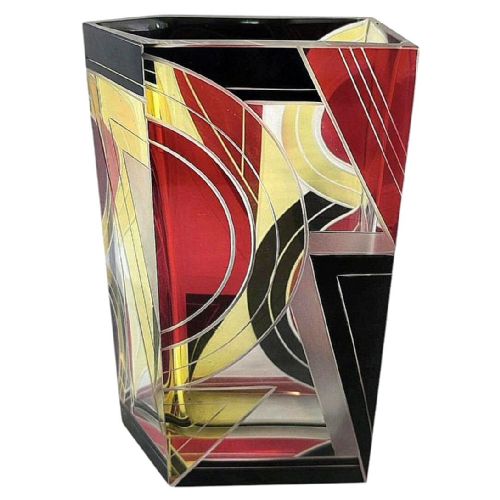
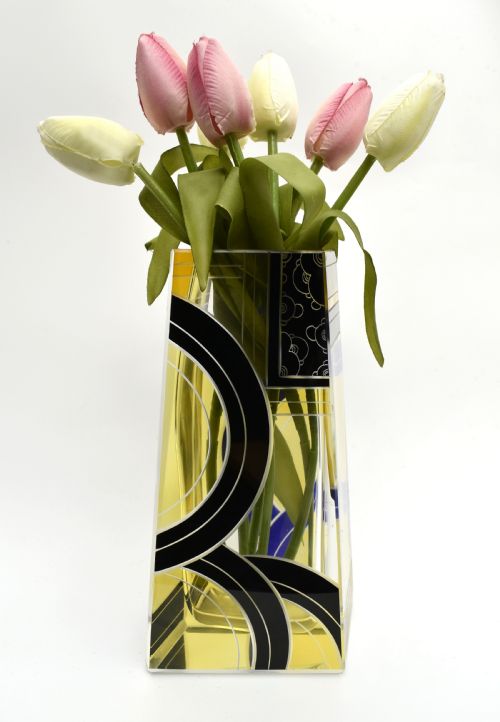
When you search for an art deco enamel vessel, you encounter striking decorative items spanning the 1910 to 1930 period. The selection on this page centres primarily on glass vases, scent bottles, and decorative bowls from the 1930s.
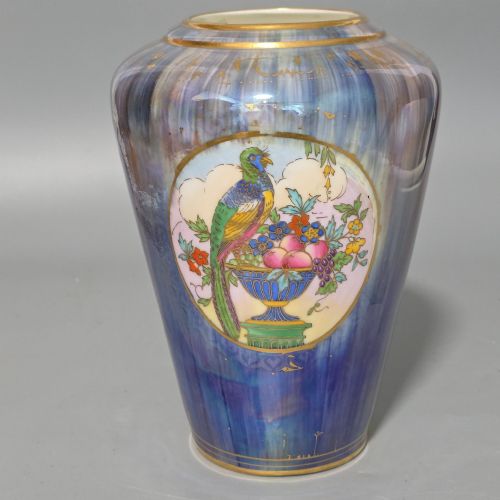
Most examples originate from the Czech Republic, often featuring distinct etched geometric patterns applied to hand-blown glass. Alongside these glassware pieces, you also discover earthenware pottery and sterling silver items adorned with hand enamelling.
Materials and construction
Makers utilised hand-blown glass, earthenware, and sterling silver as the primary foundations for these vessels. Artisans then applied enamel, glaze, and gold leaf to create vibrant surface decoration.
Etching and enamelling techniques defined the visual finish, particularly on the geometric glassware produced in the Czech Republic during the nineteen thirties.
Certain vessels glow with radioactive enthusiasm under ultraviolet light thanks to their uranium glass composition.
Judging quality and execution
Quality rests upon the precision of the geometric etching and the vibrancy of the enamel application. Pieces bearing specific attributed designs show superior artistic intent compared to unmarked production ware.
The integration of materials, such as the combination of gold leaf with uranium glass or sterling silver with enamel, determines the overall refinement of the piece.
Karl Palda·Minton
The Art Deco Enamel Vessel Glossary
- Art Deco
- A design style characterised by sleek geometric shapes, streamlined forms, and bold ornamentation. It dominated decorative arts during the nineteen twenties and nineteen thirties.
- Enamel
- A glassy substance fused to metal, glass, or pottery through firing to provide smooth, coloured decoration. It creates durable surfaces with intense hues.
- Uranium Glass
- Glass containing uranium oxide added to impart a distinct green or yellow colour that glows under ultraviolet light. It gained popularity during the art deco period.
- Sterling Silver
- An alloy of silver containing ninety-two point five percent silver and seven point five percent other metals, valued for durability in small vessels and scent bottles.
Art Deco Enamel Vessel: Frequently Asked Questions
How do I date an art deco enamel vessel?
You date these pieces by examining the stylistic markers of the nineteen tens, twenties, and thirties. The combination of geometric etching and specific glass formulations points directly to this era.
Maker attribution and national origin, such as Czech production, also help narrow down the decade of manufacture.
What materials are used in these vessels?
Makers relied on hand-blown glass, earthenware, and sterling silver as the base materials. These surfaces received hand enamelling, glaze, enamel inclusions, and gold leaf decoration.
Glass types range from standard clear forms to opaque and uranium varieties.
Where were these pieces made?
The selection includes significant output from the Czech Republic, known for geometric glass vases. Other pieces originate from British potteries and silversmiths.
Geographic origin often dictates the specific pairing of glass techniques and enamel styles.
How should I display a glass vessel?
Position glass and enamel vessels where light can pass through the body to highlight the etched geometric patterns. Uranium glass pieces benefit from specialised lighting that accentuates their natural glow.
Keep them away from direct edges to protect delicate rims and applied enamels.