


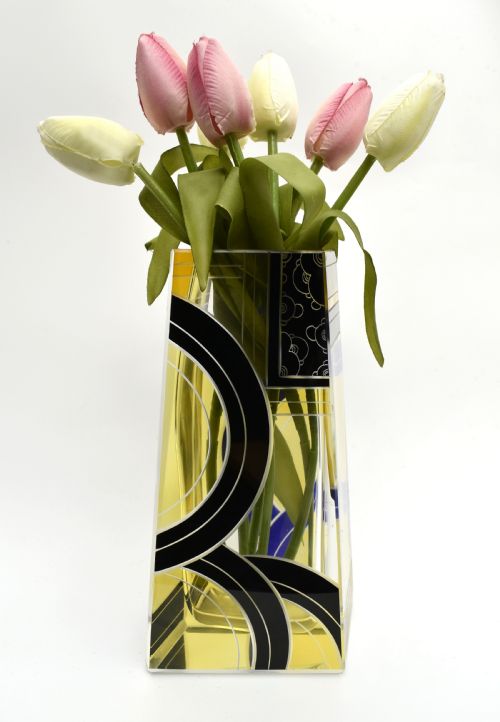


Vintage Czech Vase
A vintage czech vase brings striking coloured glass and geometric design to a room, offering genuine period character for any collector.
Vintage Czech Vase
When you search for a vintage czech vase, you enter a field dominated by striking glass from the early twentieth century. The examples on this page span several distinct periods, reaching from Victorian and nineteen-hundreds pieces through to the nineteen-twenties and thirties.
You are most likely to meet Art Deco glass objects when exploring this category. These include tall geometric vessels and square forms created by prominent designers of the era.
The selection also encompasses Bohemian centrepiece bowls and figural vessels alongside standard vases. Origins stretch across traditional workshops and factories operating within the Czech region.
Materials and construction methods
Maker techniques rely heavily on pressed and coloured glass, often incorporating uranium or cobalt for vibrant hues. Artisans also utilised opaque glass as a base for subsequent ornamentation.
Surface decoration frequently involves intricate enamel work and acid etching to build up geometric patterns. Certain luxury examples feature sterling silver overlay or delicate applications of gold leaf.
Current listings feature glass materials spanning the Victorian era through to nineteen-thirty, including sterling silver and gold leaf.
Distinguishing finer examples
Quality rests upon the crispness of the etchings and the precision of the enamel application. Pieces bearing attribution to known makers display superior control over colour saturation and glass opacity.
The integration of precious metals like sterling silver overlay or gold leaf elevates a piece above standard production. Condition of the delicate surface decoration remains paramount in defining the upper tier of these vessels.
Karl Palda·Libochovice
The Vintage Czech Vase Glossary
- Uranium glass
- Glass containing trace amounts of uranium oxide, which glows brightly under ultraviolet light. This material appears frequently in mid-century and earlier decorative pieces.
- Silver overlay
- A decorative technique where sterling silver is bonded directly onto the glass surface in intricate patterns. It creates a striking contrast between metal and translucent material.
- Art Deco
- A design style characterised by sleek geometric shapes, stylised motifs and bold colours. It dominated decorative arts throughout the nineteen-twenties and thirties.
- Pressed glass
- Molten glass shaped by being forced into a metal mould using a plunger. This method allowed for consistent patterns and rapid production.
- Enamel
- A durable coloured glass paste applied to the surface of a vessel and fired to fuse permanently. It provides rich, opaque decoration on transparent or coloured backgrounds.
Vintage Czech Vase: Frequently Asked Questions
How do I identify a vintage czech vase?
Look closely at the manufacturing materials, such as heavy pressed glass or distinct uranium and cobalt colourations. Stylistic markers like geometric Art Deco etching also point directly to Czech and Bohemian workshops.
Attributions are sometimes supported by specific maker signatures or documented forms from the nineteen-thirties. Comparing the weight and surface decoration against known period pieces helps confirm authenticity.
What styles are most common?
Art Deco designs dominate the selection, featuring clean geometric lines, square profiles and stylised enamel motifs. These vessels capture the modernist spirit of the interwar period.
Earlier Victorian and nineteen-hundreds examples also appear, showcasing traditional Bohemian craftsmanship and elaborate silver overlay work. Each style reflects the evolving aesthetic of its specific decade.
How were these vases used originally?
These decorative objects served primarily as ornamental display pieces in middle and upper-class homes. Centrepiece bowls and large vases held floral arrangements for formal dining and parlour display.
Many pieces were created purely as works of decorative art rather than utilitarian vessels. Their bold colours and metallic overlays were designed to catch the ambient light of a room.
How should I display them at home?
Place coloured and uranium glass vessels near natural light sources to accentuate their vibrant hues and transparent qualities. Tall geometric shapes work well on mantelpieces or sturdy sideboards.
Keep pieces away from direct heat and high-traffic edges to protect delicate enamel and silver overlay. Grouping contrasting forms creates a strong visual focal point in a room.