

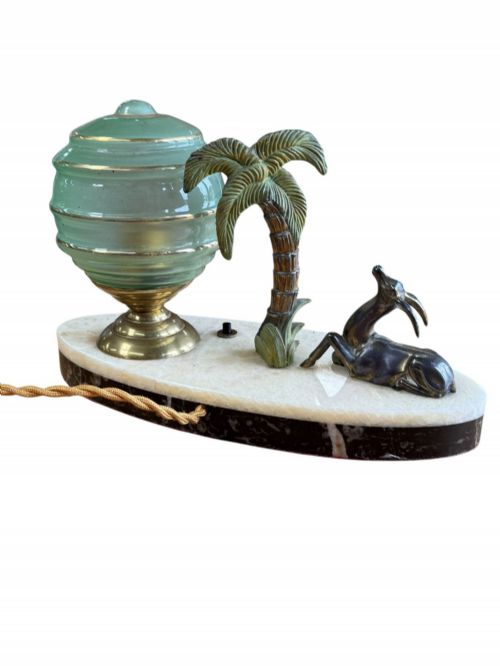


1930s French Table Lamp
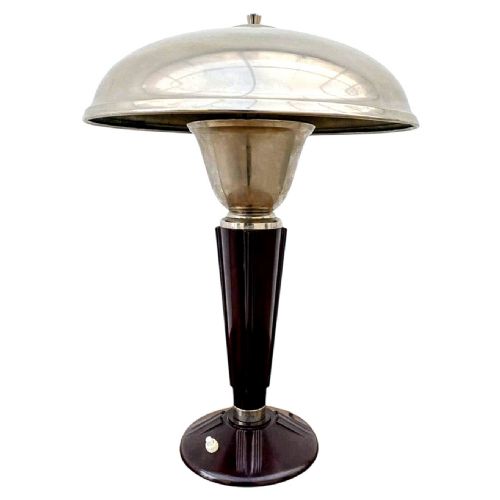
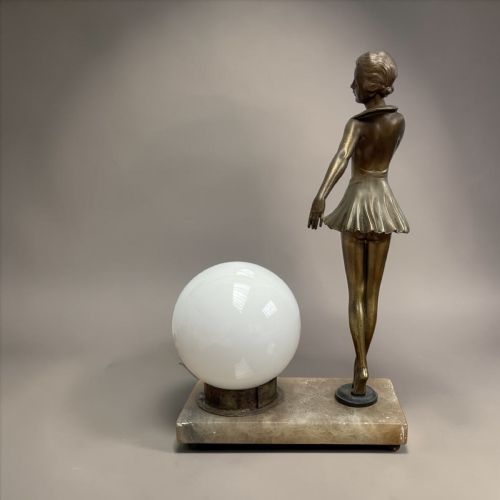
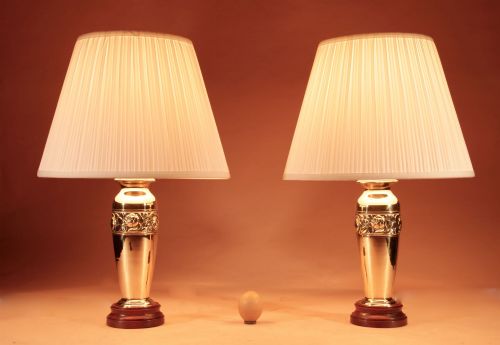
These 1930s French table lamps combine modernist geometry with decorative flair, offering a striking focal point for any room.
1930s French Table Lamp
When you search for a 1930s French table lamp, you encounter pieces defined primarily by the Art Deco style and the preceding design movements of the 1920s. These objects range from functional desk lighting to decorative figural night lights designed for domestic interiors.
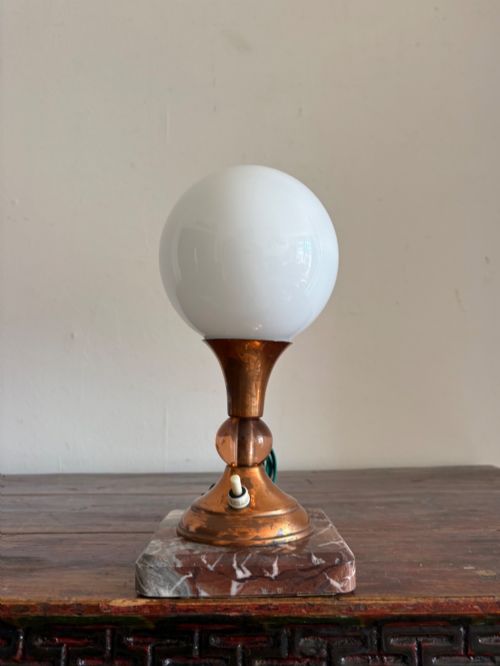
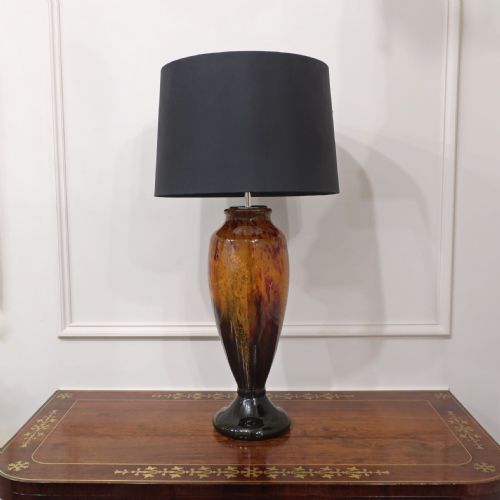
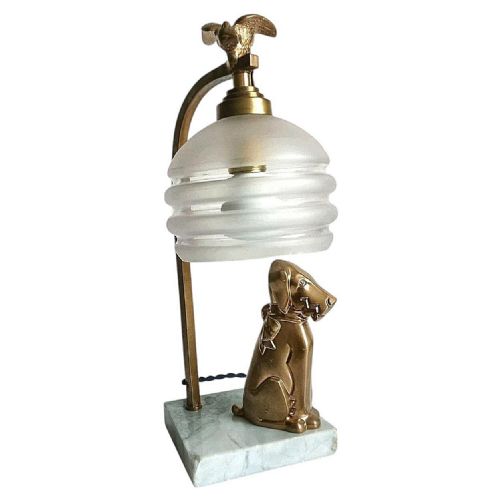
The selections on this page centre heavily on table lamps, desk lamps, and smaller companion pieces such as bedside lamps. Many pieces integrate sculptural elements like birds, dogs, and human figures alongside geometric shades.
Originating predominantly from France, these items capture the industrial and artistic experimentation of the interwar period. The most common survivals combine heavy stone bases with moulded glass or metal fittings.
Materials and construction methods
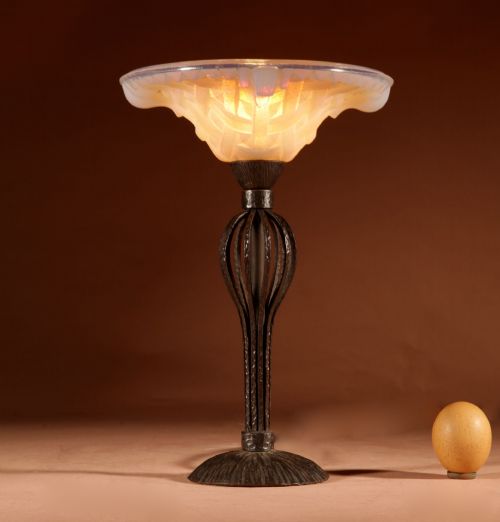
Makers utilised a deliberate contrast of heavy bases and luminous shades, frequently pairing marble, granite, or wrought iron with moulded glass, opaline, and frosted glass. Metals such as brass, chrome, and nickel provided structural integrity and polished surfaces.
Glass production during this era relied on advanced moulding and acid-etching techniques to create mottled, opalescent, and textured shades. Metalwork involved both forged wrought iron and cast spelter or bronze components assembled to support heavy glass elements.
Listings feature prominent use of moulded glass, marble, and bakelite across desk lamps and night lights.
Factors of quality and execution
The distinction between ordinary production and superior execution lies in the integration of materials and the crispness of sculptural detail. Pieces carrying recognised studio or maker attributions demonstrate finer finishing in both the metalwork and the glass shading.
Weight distribution and material selection dictate the physical presence of the object, where dense marble bases and thick moulded glass signify higher grade manufacturing. The harmony between the base material and the shade dictates the visual success of the composition.
Eileen Grey·Charles Schneider·Daum·Muller Bros·Degue·Pirouette·Jumo·Muller Freres
The 1930s French Table Lamp Glossary
- Spelter
- A zinc alloy frequently used as a cost-effective substitute for bronze in decorative figures. It accepts patination and metallic paint finishes readily.
- Opaline glass
- A semi-translucent glass type that diffuses light softly, commonly utilised for interwar lamp shades.
- Bakelite
- An early synthetic thermosetting plastic applied extensively to electrical components, switches, and lamp bodies during the 1930s.
- Figural lamp
- A lighting object incorporating a sculpted human or animal subject as part of the structural composition.
- Up-lighter
- A lighting configuration directed upwards to illuminate ceilings or walls rather than casting light directly downwards.
1930s French Table Lamp: Frequently Asked Questions
How do I identify a genuine 1930s French table lamp?
Look for authentic material combinations typical of the interwar period, such as heavy marble bases paired with moulded opaline glass or original bakelite switches.
Examine the construction methods and check for signature etchings on the glass shades which often indicate the workshop of origin.
Were these lamps used for desks or decoration?
The pieces serve both functional and decorative purposes, ranging from adjustable desk lights designed for reading to low-wattage night lights meant for ambient illumination.
Figural and mood lamps were primarily placed on side tables or mantelpieces to provide soft accent lighting in domestic interiors.
What maintenance do vintage electrical lamps require?
Vintage lighting typically requires rewiring to meet contemporary safety standards before regular daily use in a modern home.
Preserve the original patina on metal and stone components by avoiding harsh chemical cleaners and dusting gently with a dry cloth.
How do Art Deco and 1920s styles differ in these lamps?
Pieces from the early 1920s often retain ornate wrought iron details and softer floral influences stemming from earlier decorative traditions.
By contrast, 1930s designs lean towards streamlined geometry, industrial chrome finishes, and simplified bakelite components.