

Antique Wrought Iron Lighting
These antique wrought iron lighting pieces bring heavy, forged character and functional candlelight or early electricity into a room.

Antique Wrought Iron Lighting
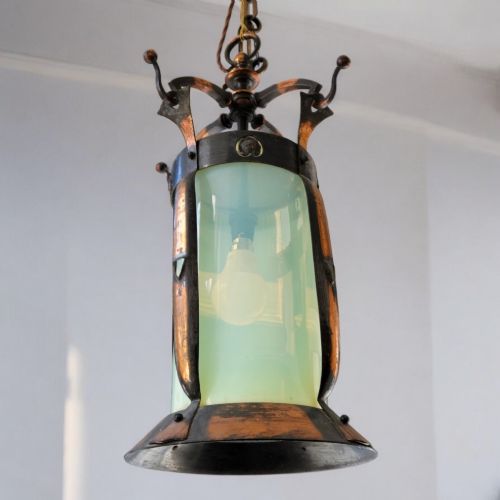
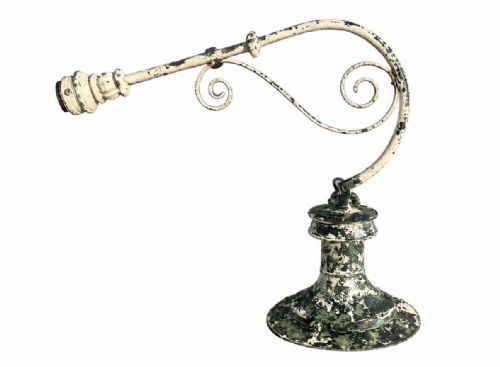
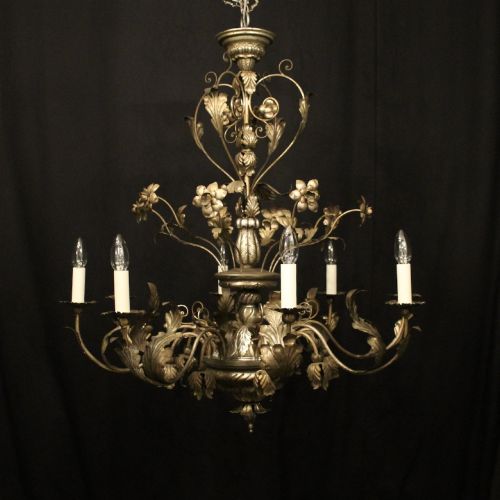
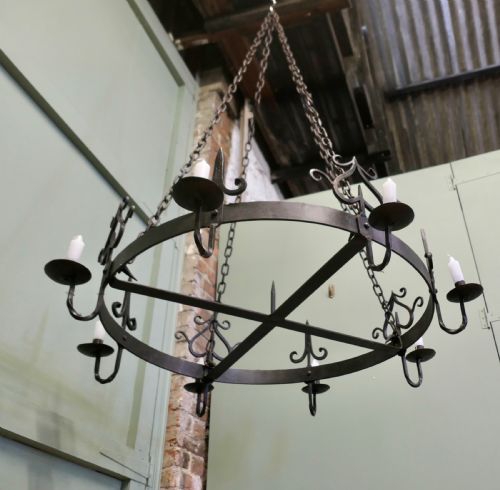
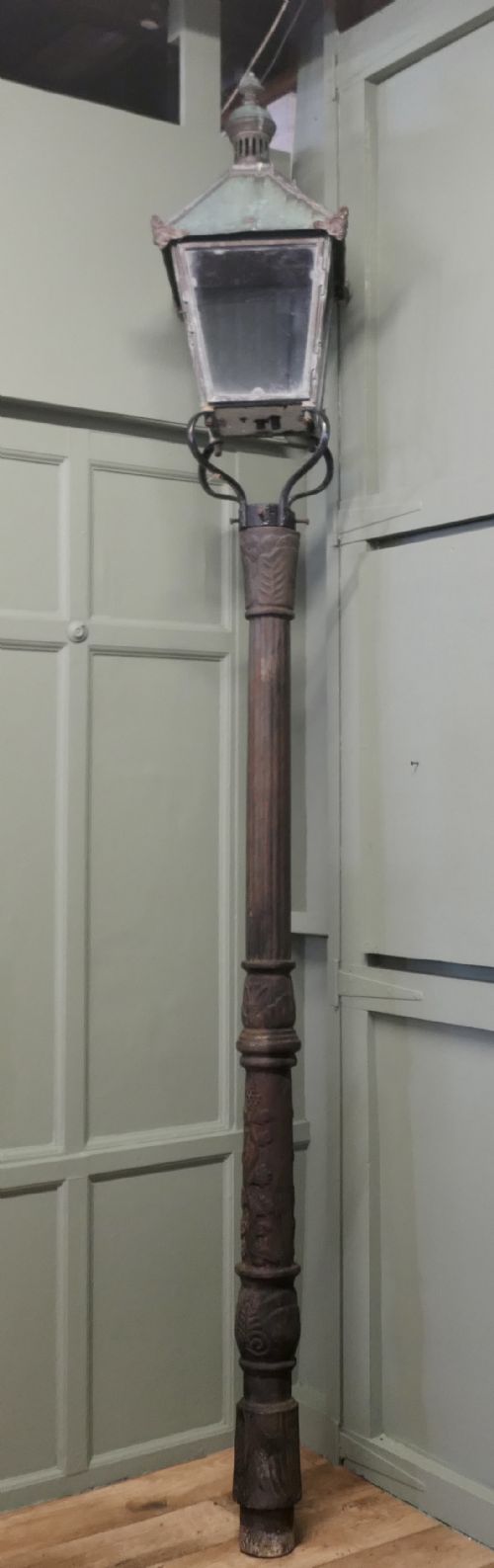
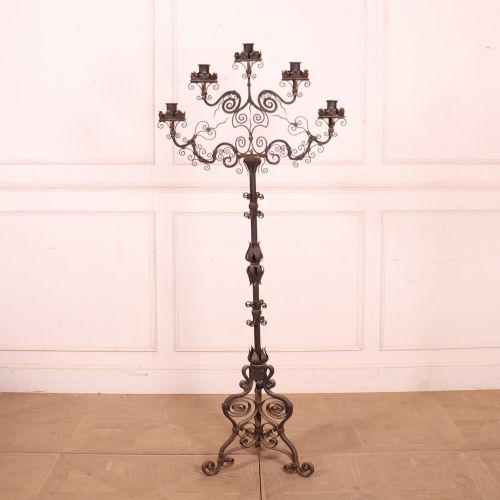
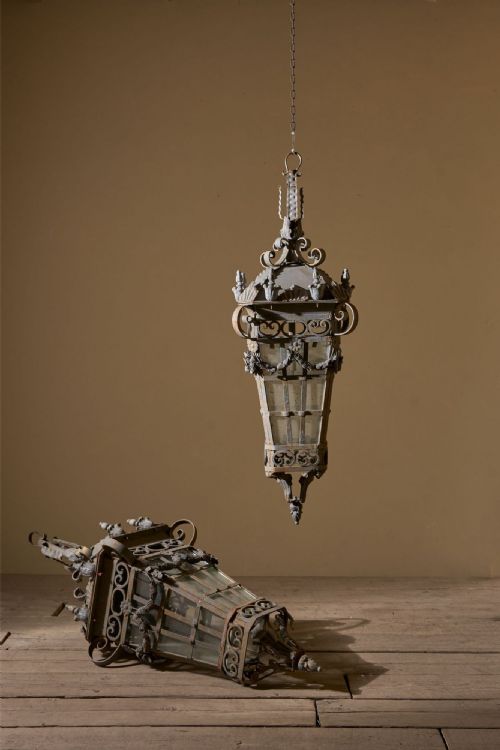
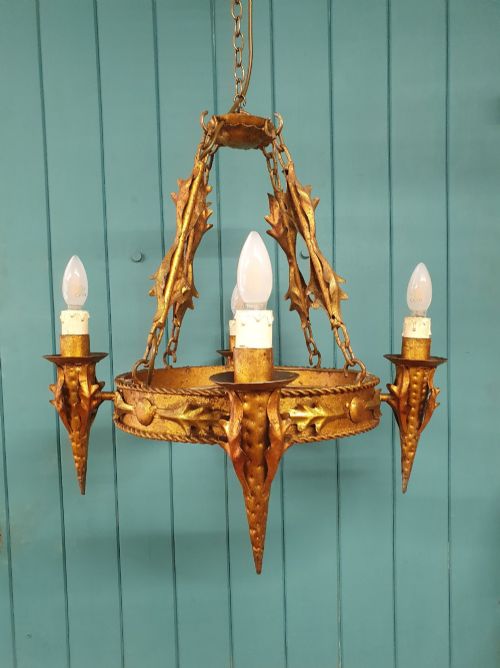
Antique wrought iron lighting spans utility and ornament, moving from early rushlight holders and rush nips of the seventeenth and eighteenth centuries to nineteenth-century standard lamps, chandeliers, and floor candelabras. Buyers searching for antique wrought iron lighting will encounter robust floor-standing torchères, multi-candle chandeliers, and glazed hall lanterns designed to hold candles or early electric fittings.
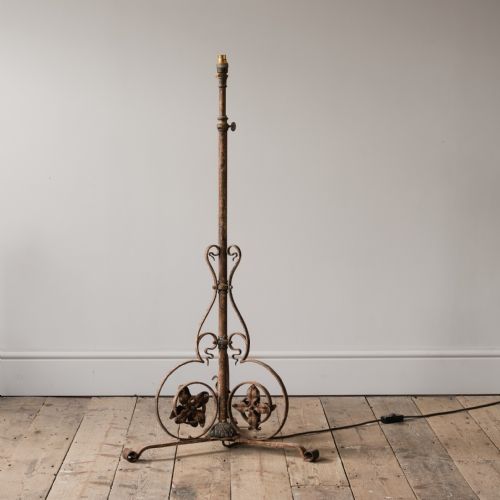
The material appears across distinct periods, most notably in seventeenth and eighteenth-century domestic ironwork, nineteenth-century Victorian telescopic floor lamps, and twentieth-century Arts and Crafts or Art Deco designs. French chateau influences and Gothic revival styles also recur, alongside Italian altarpiece candelabras and heavy street or hall lanterns.
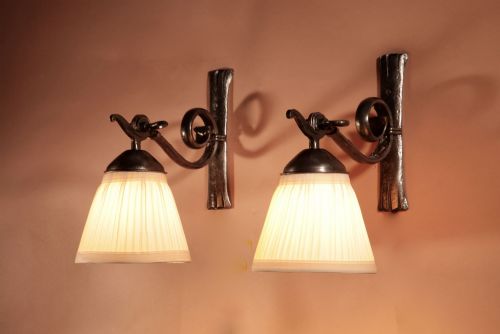
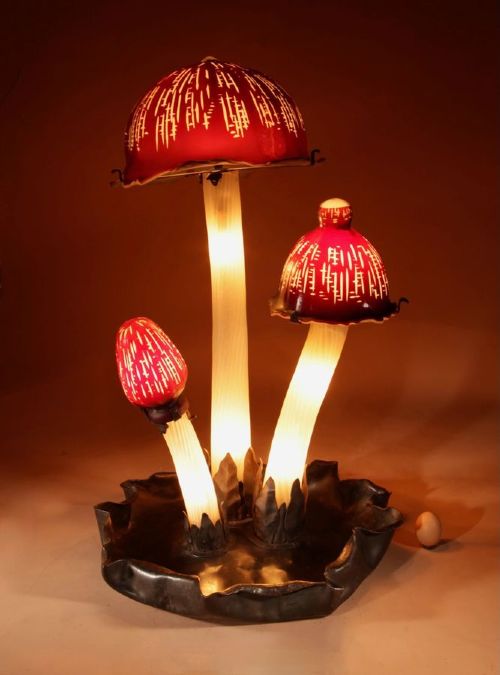
Simpler domestic forms like spring-action tripod rushlight holders sit alongside grand architectural statement pieces and elaborate twentieth-century lamps fitted with glass shades by makers such as Daum, Degue, and Schneider. This broad span means a buyer might select a utilitarian Welsh rush nip or a decorative French chandelier with polychrome and gilt highlights.
How they were made
Blacksmiths hammered and shaped wrought iron manually, creating visible tool marks, texture, and individual proportions on adjustable floor lamps, rushnip stands, and heavy structural arms. This forged metal frequently pairs with other elements recorded in the listings, including brass, copper, cast iron, and wooden bases.
Lighting assemblies incorporate glass elements to diffuse the light source, ranging from simple glazed panels in hexagonal hall lanterns to opalescent glass mushroom shades and moulded coloured crystal fruit drops. Gilt metal, polychrome paint, and gilding leaf surface details also appear, contrasting against the dark, textured surface of the ironwork.
Antique Wrought Iron Lighting Retail Price Guide 2026
Typical asking prices for wrought iron lighting among the pieces listed under this phrase on Sellingantiques today, from the lower quarter to the upper quarter. They describe what is for sale here now, not the wider market.
Listings for antique wrought iron lighting span from the 17th century to the Art Deco period, incorporating brass, crystal, and opalescent glass.
What varies in quality
The distinction between ordinary and superior pieces rests on the direct evidence of the blacksmith's hand, where confident, fluid forging lines on a standard lamp or chandelier separate standard fabrication from more deliberate artistry. Proportions matter greatly, particularly in large-scale floor candelabras and massive lantern stands where balance determines the overall visual weight.
Quality also manifests in the integration of secondary materials, such as the clarity and maker attribution of glass shades paired with the iron frames, or the preservation of original wooden bases on early rushlights. Signed components and integrated mechanical adjustments, such as telescopic floor mechanisms, elevate the standing of a piece within its period.
REVO Leicester·Heals St. Ives·Lacroix Lalique·Daum·Degue·Schneider
The Antique Wrought Iron Lighting Glossary
- Rushlight holder
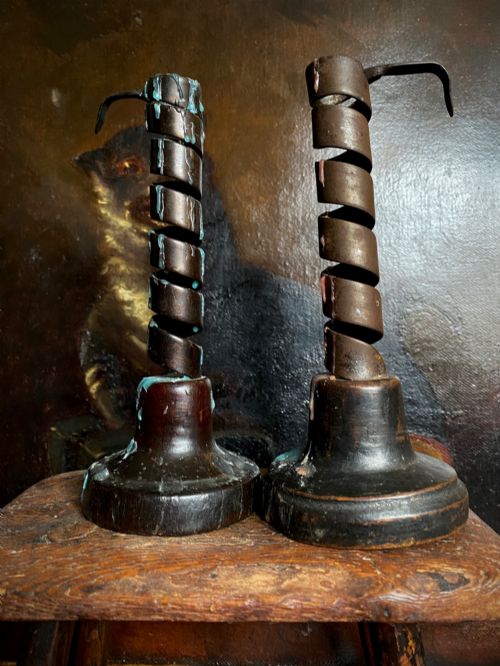
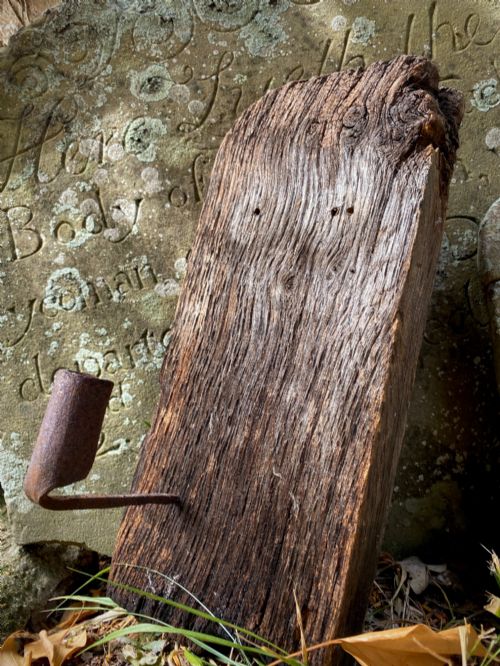
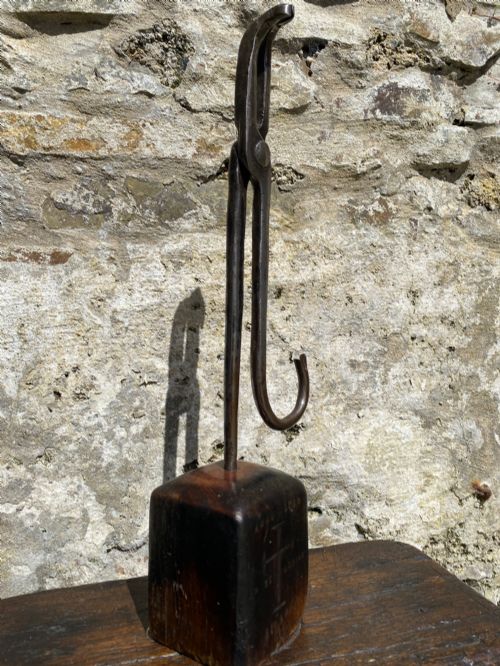
- A spring-action device designed to grip a dried rush dipped in animal fat for simple illumination. These practical items often feature tripod bases and date to the seventeenth and eighteenth centuries.
- Pricket
- A sharp spike on a candlestick or chandelier designed to hold a candle upright. This form appears on seventeenth and eighteenth-century ecclesiastical and domestic ironwork.
- Torchere
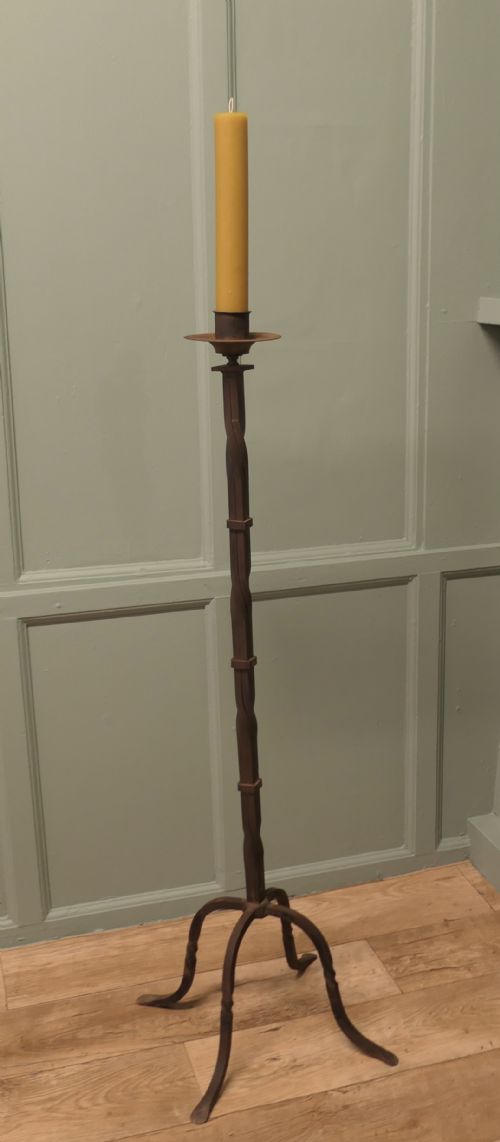
- A tall stand or floor lamp designed to hold a light source high above the floor. They frequently appear in heavy ironwork from the nineteenth and twentieth centuries.
- Rush nip
- A simple domestic tool used to secure and angle a burning rush for household tasks. Welsh examples from the eighteenth century are particularly noted in domestic lighting history.
- Candelabra
- A branched candlestick holder designed to support multiple candles simultaneously. These range from heavy floor-standing architectural iron stands to smaller wall-mounted sconces.
Antique Wrought Iron Lighting: Frequently Asked Questions
How do I date antique iron lighting?
Dating relies on construction methods, form evolution, and associated materials like wood or glass. Early pieces display hand-forged blacksmith techniques, while later twentieth-century examples incorporate distinct styles like Art Deco.
Examining the mountings, wiring channels if converted, and the integration of the ironwork helps distinguish eighteenth-century utility pieces from later revival or industrial items.
Were these lights electrified originally?
Most antique wrought iron lighting predates electricity, having been built specifically for candles, oil, or rushlights. Many pieces have since been adapted safely for modern electric bulbs.
When reviewing a piece, look for how the original candle cups, prickets, or grease pans accommodate contemporary fittings without altering the core forged structure.
What is a rushlight holder?
A rushlight holder is a small, weighted iron stand utilising a spring-action arm to clamp a dried rush. These served as primary portable lighting in humble homes before tallow candles became common.
Surviving examples often sit on simple wooden or heavy tripod iron bases dating back to the seventeenth and eighteenth centuries.
How do I care for wrought iron?
Wrought iron requires minimal maintenance, typically needing only a gentle dusting and occasional application of microcrystalline wax to protect the surface. Avoid harsh chemical cleaners that strip the historic patina.
Keeping the metal in stable humidity environments prevents active corrosion and preserves the textured finish left by the original blacksmith.