



French Glass Desk Lamp
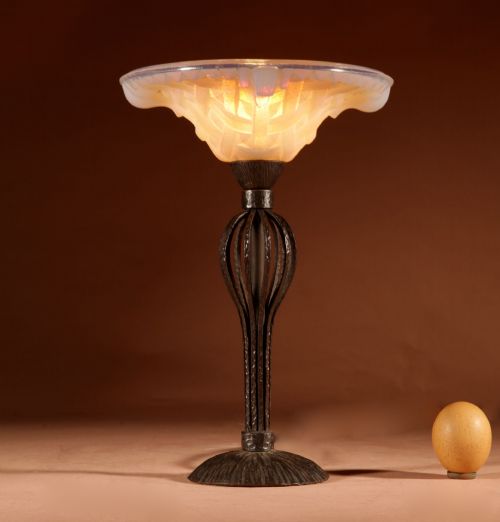
When you search for a French glass desk lamp, you encounter striking combinations of metal bases and artistic glass shades that illuminate workspace and study.
French Glass Desk Lamp
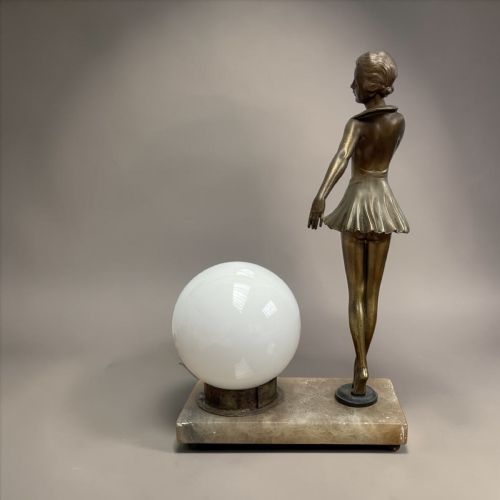
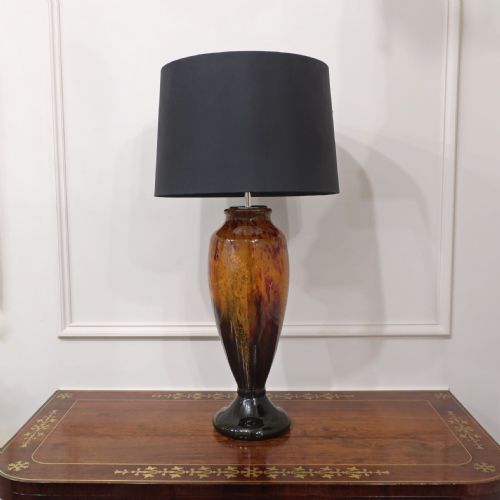
A French glass desk lamp brings together a functional lighting fixture and decorative metalwork, frequently featuring glass components shaped by notable interwar and turn-of-the-century makers. Pieces span multiple periods including the nineteenth century, Edwardian era, Regency, and the 1920s and 1930s Art Deco movements.
Buyers browsing this selection will find examples ranging from early nineteenth-century blue glass and Victorian opaline creations to robust Art Deco works featuring wrought iron and chrome. These pieces function equally well on a working desk or as decorative lighting in a study.
How they were made
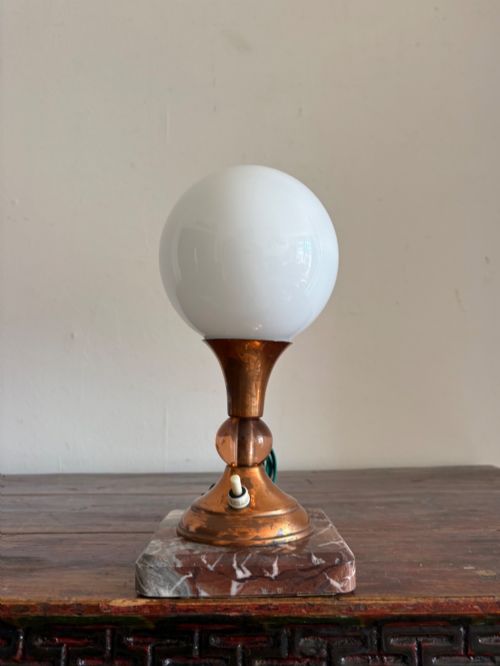
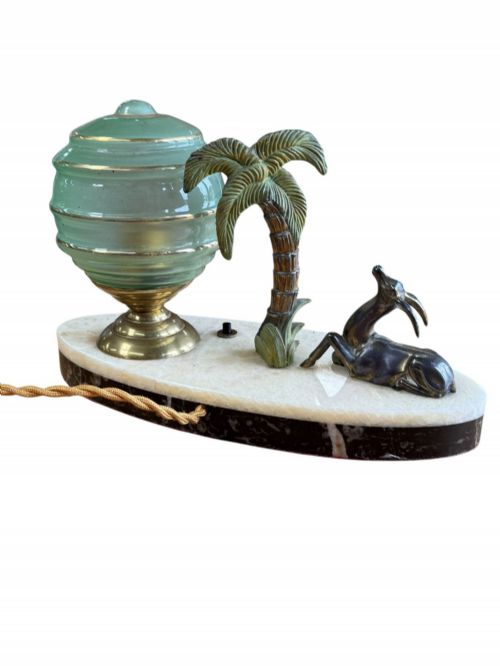
Makers constructed the structural foundations of these lamps using durable metals such as bronze, brass, spelter, nickel, and wrought iron, frequently mounting them on heavy marble bases for stability. Artisans combined these metals with specialised glass techniques, utilising blown glass, opaline, frosted finishes, and enamelled glass for the shades.
Production methods involved casting metal figures and bases, forging wrought iron frames, and shaping glass shades through blowing or moulding. Workshops integrated electrical components or adapted earlier oil lamp structures to house modern wiring while retaining period aesthetic qualities.
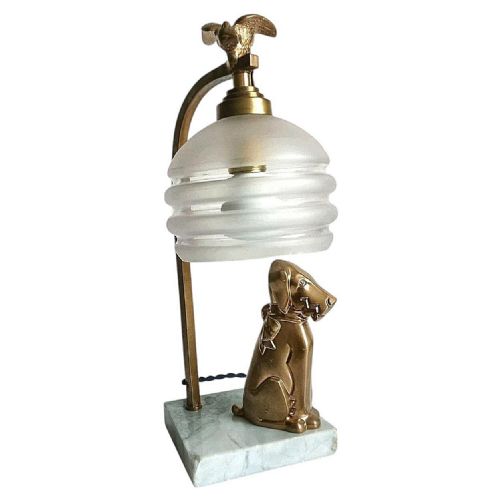
Among the metal and glass creations, novelty animal lamps depicting dogs and parrots offer a charming touch of personality for the desk.
What varies in quality
Quality differences emerge in the execution of the metal casting and the artistic merit of the glass shade, distinguishing standard production from pieces bearing recognised signatures. Heavier materials like marble and bronze provide superior stability and finish compared to lighter substitutes such as spelter.
The distinction between ordinary lighting and exceptional examples rests on the integration of materials, where artist-signed glass shades from workshops like Daum or Muller Bros elevate the entire object. Finer pieces demonstrate superior detailing in figural elements, whether depicting figures, animals, or architectural columns.
Charles Schneider·Georges Leleu·Eileen Grey·Daum·Muller Bros·Degue·Emile Picault·Baccarat
The French Glass Desk Lamp Glossary
- Opaline glass
- A type of semi-translucent glass that has a milky appearance, frequently utilised in nineteenth-century and Art Deco lighting shades to diffuse light evenly.
- Spelter
- A zinc alloy commonly used as a cost-effective substitute for bronze in decorative lamp bases and figural sculptures during the nineteenth and early twentieth centuries.
- Ormolu
- A technique of applying finely ground high-carat gold to a bronze object, creating a rich golden finish seen on grand Regency and French neoclassical pieces.
- Cabochon
- A polished, convex gem or piece of glass cut without facets, often embedded into metal lamp bases for decorative effect.
- Art Deco
- A design style prevalent in the 1920s and 1930s characterised by geometric shapes, streamlined forms, and modern industrial materials.
French Glass Desk Lamp: Frequently Asked Questions
How do I identify an Art Deco desk lamp?
Art Deco desk lamps typically feature geometric lines, stylised figural motifs, and contrasting materials like wrought iron paired with coloured or opaline glass. They often date from the 1920s and 1930s and rely on streamlined industrial aesthetics.
Look for heavy marble bases, chrome elements, and signature glass shades produced by contemporary French glassworks. The overall design prioritizes bold shapes and functional elegance.
What materials are common in these lamps?
Common materials include glass shades paired with bases made from bronze, brass, marble, wrought iron, and spelter. Fabrics and bakelite also appear in specific desk and table configurations.
The combination of heavy stone or metal bases ensures the lamp remains stable on a desk while supporting decorative glass shades.
Are these lamps suitable for modern desks?
These lamps provide effective directional lighting suitable for contemporary workspaces while adding period character to a room. Many function as direct desk lamps or adjustable reading lights.
Buyers should check wiring and bulb compatibility to ensure safe daily use while preserving the original historical components of the fixture.
How can I tell the period of a French lamp?
Dating relies on stylistic markers such as nineteenth-century opaline glass, Art Nouveau floral bronze work, or 1930s chrome and geometric wrought iron. Maker signatures on the glass or metal provide definitive chronological anchors.
Examining the construction methods, such as casting quality and screw types, also helps determine whether a piece originates from the Victorian era or the interwar period.