



1930s French Bedside Tables
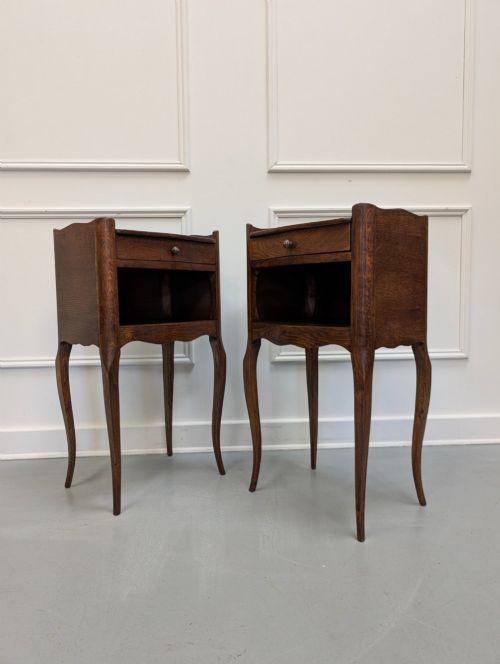
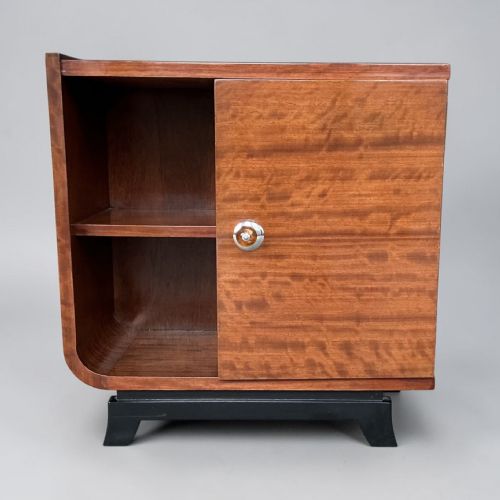
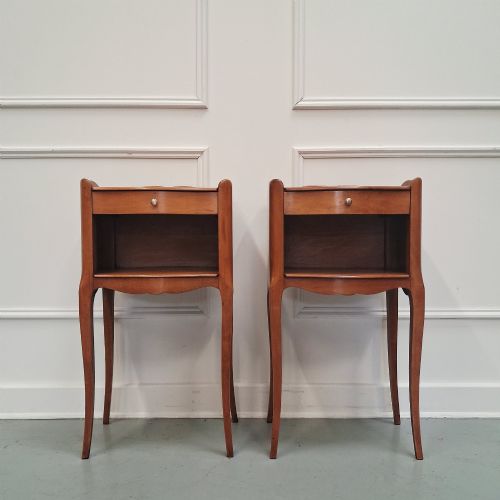
These 1930s French bedside tables bring geometric lines and warm woods together beside a bed.
1930s French Bedside Tables
When searching for 1930s French bedside tables, buyers encounter practical cabinets designed for the bedroom, often appearing alongside matching pairs and related items like side cabinets.
The pieces on this page originate primarily from the 1920 and 1930 periods, reflecting the prevailing styles of their time.
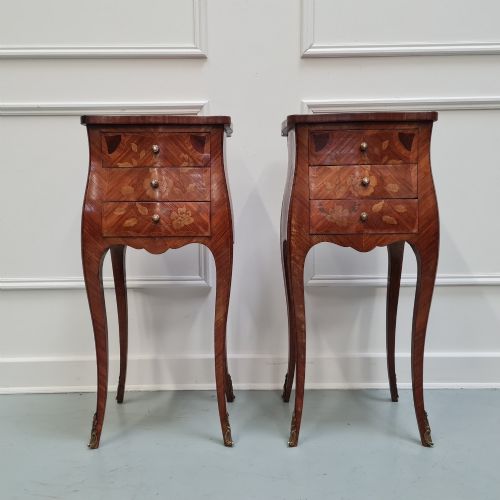
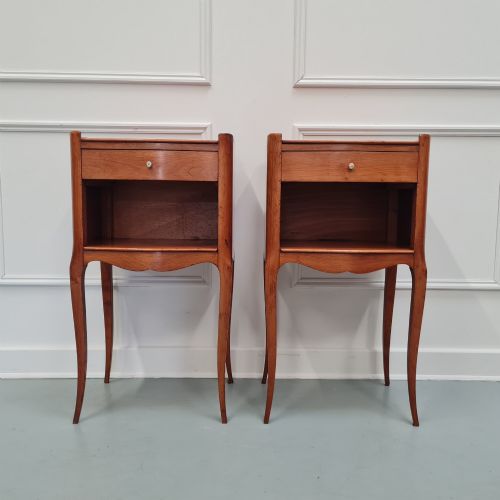
Many examples demonstrate the influence of Art Deco design, while others draw upon earlier French provincial and Louis XV traditions.
How They Were Made
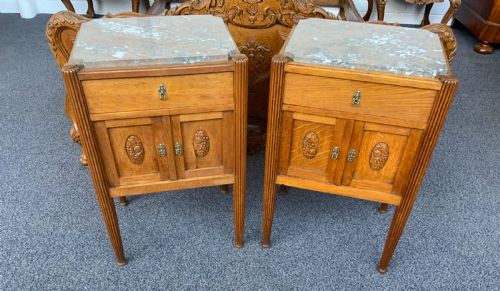
Cabinet makers utilised a selection of fine timbers such as walnut, kingwood, cherry wood, and oak for the construction of these bedside cabinets and tables.
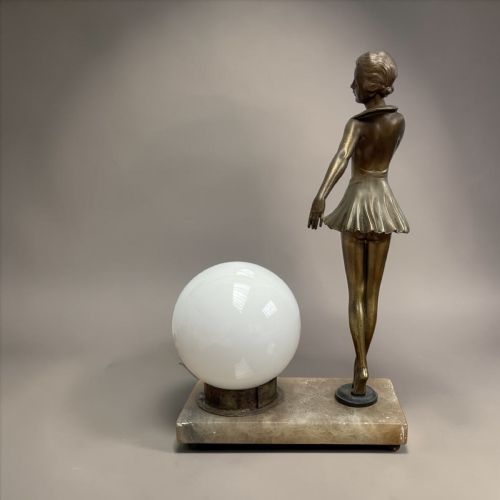
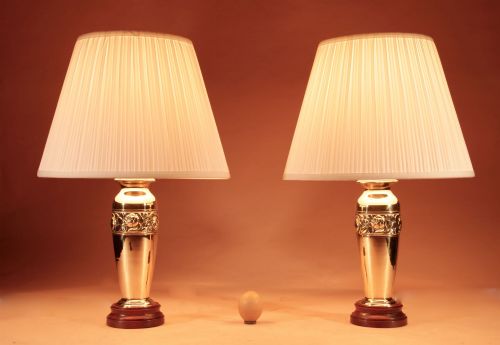
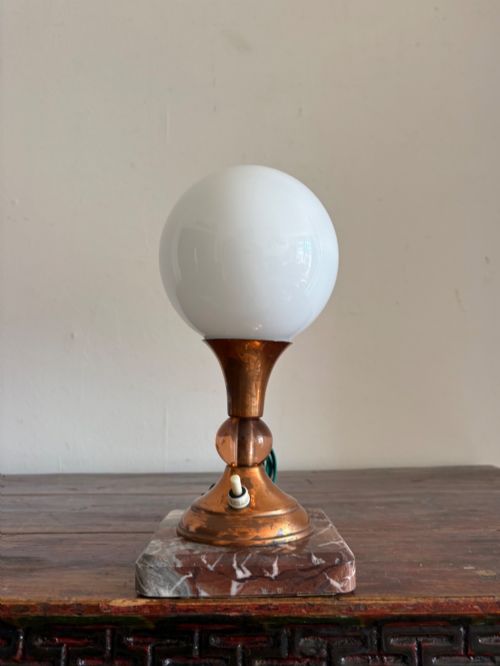
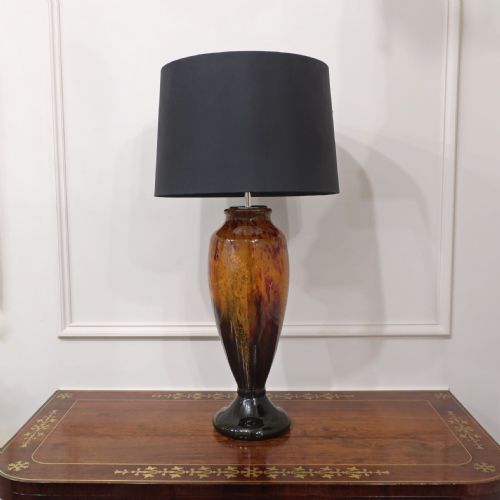
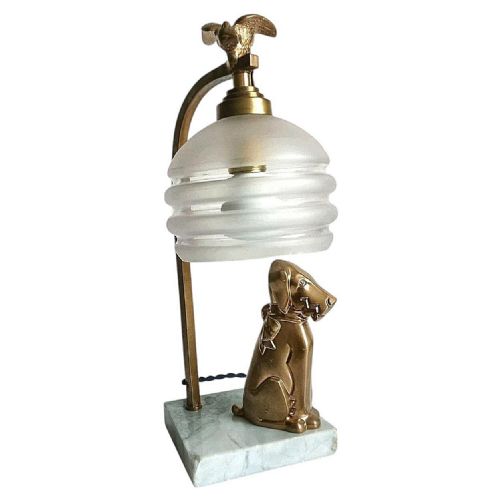
Metal elements including brass, chrome, and bronze frequently appear in the hardware, mounts, and associated lamps, while marble and glass provide durable top surfaces and shades.
Materials across the page span organic timbers alongside brass, marble, glass, chrome, metal, frosted glass, and bronze.
What Varies in Quality
The choice of timber veneer and solid wood underpins the distinction between standard production and superior craftsmanship in these cabinets.
Precision in the application of metal fittings, marble tops, and glass components marks out the finer examples from the period.
Charles Schneider·Degue·Eileen Grey·Blangy Clockmakers·Bayard
The 1930s French Bedside Tables Glossary
- Art Deco
- A design style of the 1920s and 1930s characterised by geometric shapes, stylised motifs, and modern materials. It dominates the aesthetic of the bedside tables and lamps on this page.
- Kingwood
- A dense, richly figured wood native to Brazil that cabinet makers utilised for decorative veneer work on high-end French furniture. It displays striking dark and light brown tones.
- Marble
- A metamorphic rock used for tabletops and lamp bases, valued for its smooth surface and natural veining patterns. It offers a cool, solid counterpoint to the warm wood timbers.
- Bakelite
- An early form of synthetic plastic utilised in the 1930s for clock cases and desk lamp components. It provides a durable, glossy finish typical of modernist design.
- Serpentine
- A gently undulating furniture shape featuring a convex centre flanked by concave curves. This contour appears frequently on the front edges of period bedside cabinets.
1930s French Bedside Tables: Frequently Asked Questions
What materials were used in these cabinets?
Maker workshops utilised a range of quality woods including walnut, kingwood, oak, and cherry wood for the main body of the bedside cabinets.
Surfaces and details often incorporated marble tops, glass, brass, and chrome trim to complete the modernist or traditional aesthetic.
Are pairs common for these bedside tables?
Many of the listings on this page consist of matching pairs intended to sit symmetrically on either side of a bed.
These paired cabinets share identical wood veneers, hardware, and proportions, reflecting how they were originally retailed.
What styles beyond Art Deco appear here?
Alongside strict Art Deco designs, the selection includes pieces influenced by French provincial and Louis XV revival styles.
These variations demonstrate how traditional forms persisted alongside modernist geometric trends during the period.
How should I care for a wood and marble table?
Wooden surfaces benefit from gentle dusting and occasional waxing appropriate for period cabinet finishes to preserve the natural grain.
Marble tops require protection from acidic spills and moisture to maintain their polished appearance over time.