
1930s Desk Light
A 1930s desk light brings industrial precision and modernist warmth to a workspace.
1930s Desk Light
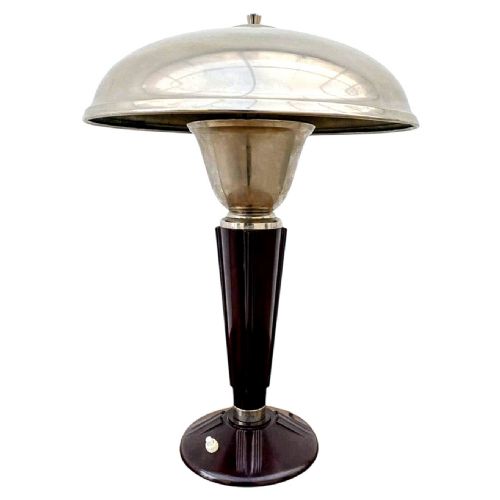
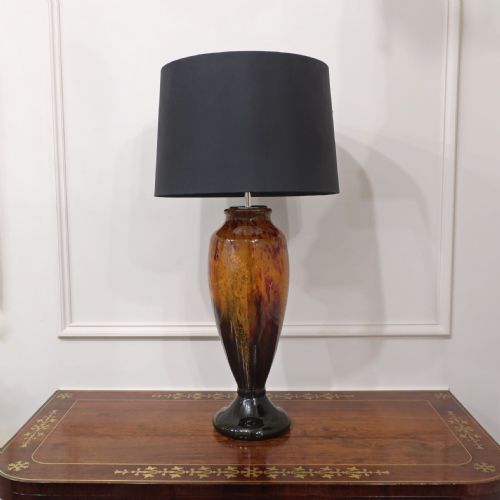
When you search for a 1930s desk light, you encounter pieces defined by the Art Deco, Machine Age, and Arts and Crafts styles. These lamps provide functional illumination while serving as sculptural centrepieces on writing tables and bureaus.
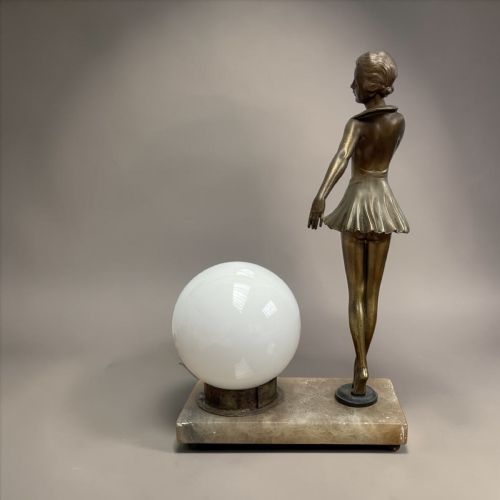
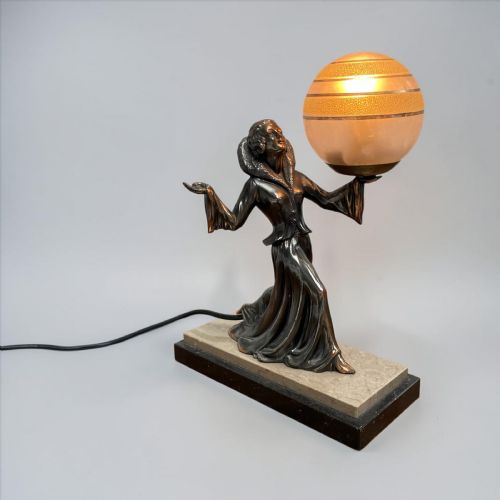
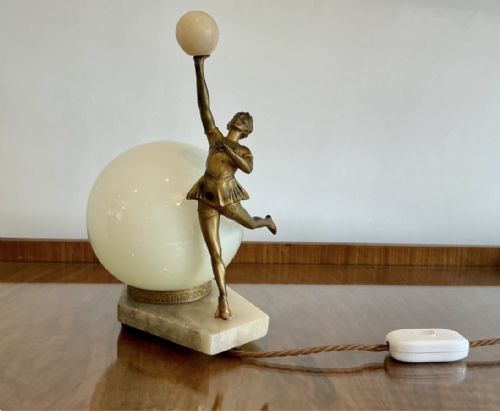
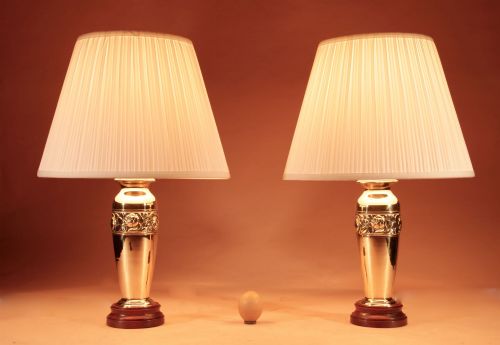
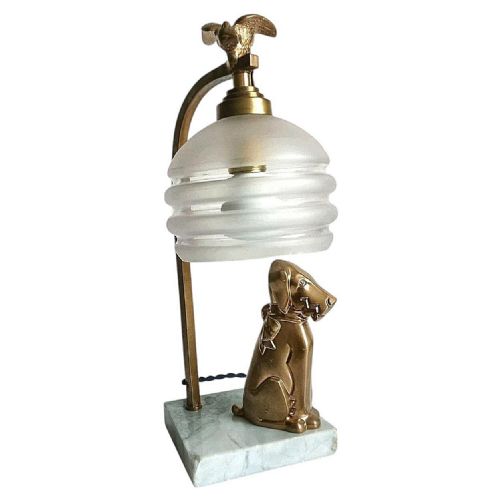
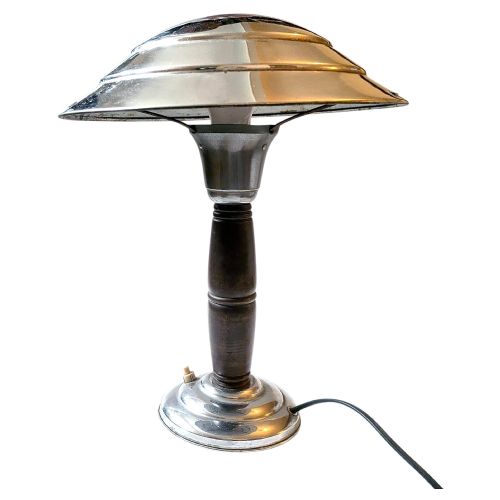
The selections available span from adjustable chrome engineering models to decorative glass figural lamps. French and English designs dominate, frequently incorporating heavy stone bases to anchor the adjustable arms and shades.
Materials and construction
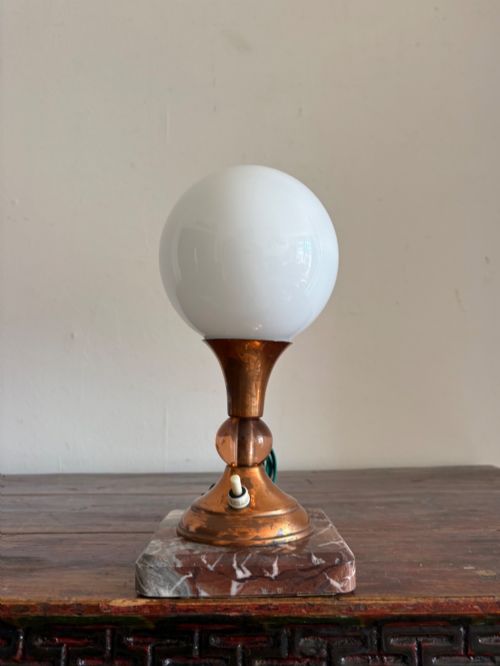
Maker construction relies on combinations of metal, glass, and marble or chrome. Chrome and brass provide the structural framework for adjustable arms, while heavy marble or metal bases ensure stability.
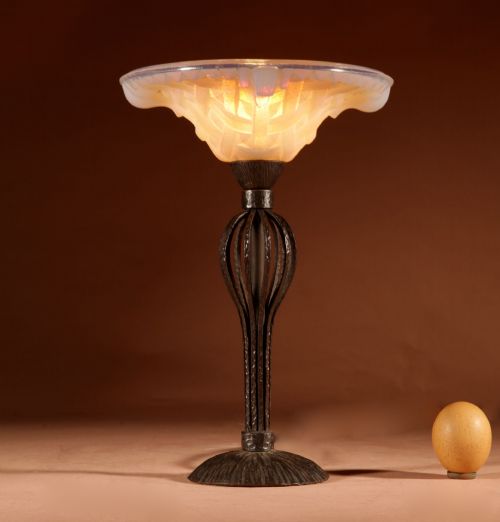
Shades utilise frosted glass, opaline glass, or fabric to diffuse light. Artisans shaped these materials using contemporary industrial techniques alongside traditional foundry casting and glass blowing.
Listings for this search span the periods 1920, 1930, and 1940, encompassing both Art Deco and Machine Age styles.
Distinctions in quality
The standard of a 1930s desk light depends on the integrity of the materials and the precision of the mechanical joints. Examples utilising solid cast metals, thick cut crystal, or heavy marble bases demonstrate superior manufacturing.
Attribution to notable designers or makers elevates a piece, as do original components like specific shades and switches. The fluidity of movement in adjustable arms distinguishes utilitarian items from high design objects.
Fratelli Toso·Eileen Grey·Charles Schneider·Herbert Terry·Harry and Lou Epstein
The 1930s Desk Light Glossary
- Art Deco
- A design style characterised by sleek geometric shapes, streamlined forms, and modern industrial materials popular during the interwar period. It influences the geometric bases and shades found on these lamps.
- Machine Age
- An early twentieth century aesthetic celebrating industrial progress, heavy machinery, and utilitarian function. This style manifests in the exposed chrome, adjustable joints, and steel components of task lighting.
- Opaline glass
- A milky, semi-translucent glass developed to diffuse light softly without glare. It frequently appears in the globe or shade portions of period lighting.
- Bakelite
- An early form of synthetic plastic prized for its durability and rich dark lustre. Makers utilised this material for switch housings, bases, and decorative accents.
- Spelter
- A zinc alloy commonly cast and patinated to imitate bronze in decorative figures and lamp bases. It provides a substantial metallic body at a lighter weight and cost.
1930s Desk Light: Frequently Asked Questions
How do I identify a genuine period piece?
Examine the materials, wiring standards, and weight of the construction. Authentic examples utilise period-correct metals like brass and chrome paired with heavy marble or glass bases.
Look for Maker signatures, stamps, or specific manufacturing patents characteristic of interwar production methods rather than modern reproductions.
Can I use modern bulbs in these lamps?
Most desk lights accept standard modern bulbs provided the wattage matches the historical capacity of the fitting. LED alternatives are often recommended to reduce heat emission.
Ensure a qualified electrician checks the vintage internal wiring and bulb holders for safety before daily operation.
How should I clean the metal and glass?
Dust metal components gently with a dry microfibre cloth to preserve original lacquering and patina. Avoid abrasive chemical polishes on chrome and brass.
Clean glass shades separately using mild soapy water, ensuring they are completely dry before reattaching them to the lamp.
Were these lamps strictly for offices?
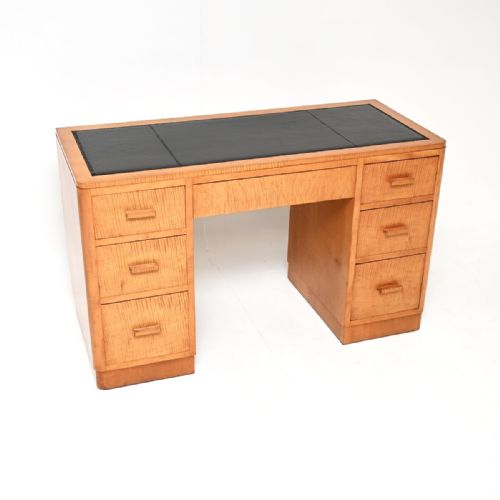
While many served on writing desks and bureaus, smaller decorative versions functioned as mood lighting on dressing tables or console surfaces. The diverse forms catered to both professional workspace tasks and domestic display.
Adjustable articulated models were favoured for reading and writing, whereas figural or glass shade designs served decorative purposes in living spaces.