

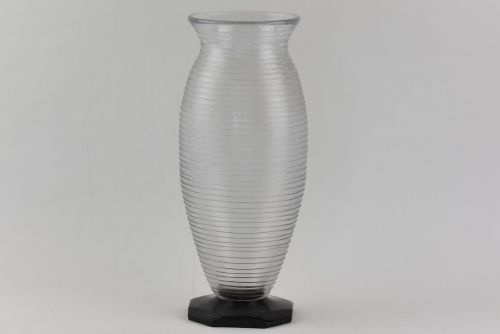
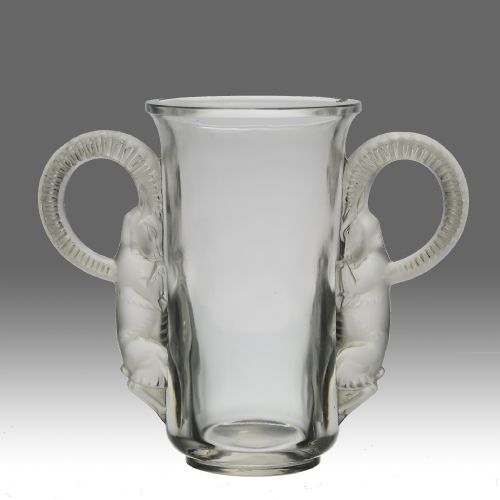
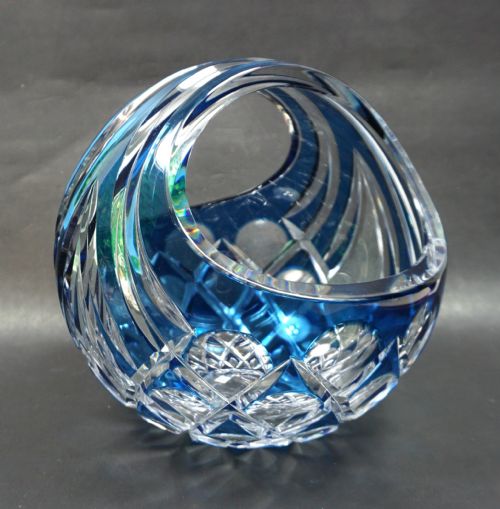


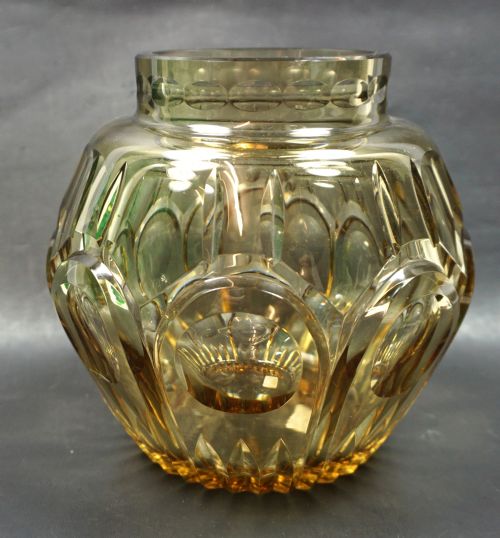
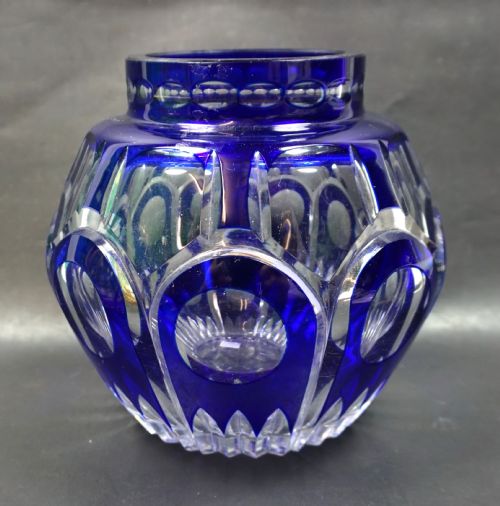


1930s Art Deco Vase
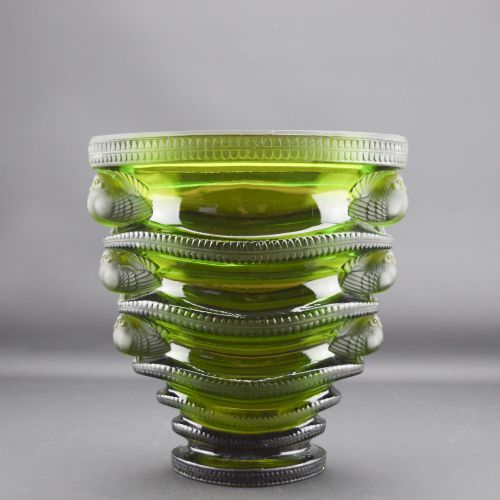
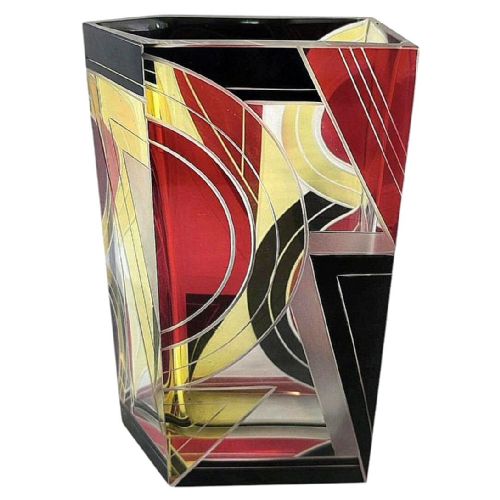
These pieces capture the bold geometry and modernist spirit of a 1930s art deco vase.
1930s Art Deco Vase
A 1930s art deco vase is defined by clean lines, symmetrical patterns, and striking silhouettes that reflect the design movements of the interwar period. The selections here range from moulded European glass to British earthenware and metalwork produced during the nineteen twenties, thirties, and forties.
Moulded and pressed glass vessels from French and Belgian makers dominate the glassware offerings, alongside distinctively patterned ceramic jugs and baluster shapes from British potteries. Buyers will encounter tall geometric cylinders, figural designs, and low centrepiece bowls intended for display.
Continental workshops provide deeply etched crystal and enamelled surfaces, while domestic makers contribute hand-painted earthenware and lustre glazes. Together, these pieces represent the diverse output of European and British decorative arts during the modernist era.
Materials and Technique
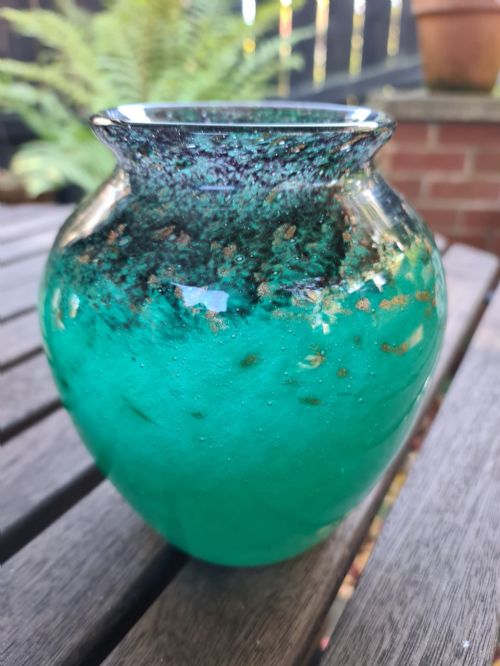
Glassmakers utilised heavy lead crystal, cased glass, and frosted or opalescent finishes, often applying deep acid etching or enamel decoration to achieve geometric contrast. Techniques such as adding aventurine or overlapping coloured glass layers created rich depth within the material.
Ceramic pieces combine earthenware bodies with hand-painted patterns, salt glazing, or lustrous metallic finishes applied before a final firing. Metal counterparts rely on chrome plating and silver construction to secure rigid, industrial profiles.
Listings feature glass, earthenware, and chrome, spanning production dates from nineteen twenty to nineteen forty.
Assessing the Pieces
Quality rests in the crispness of the moulding, the depth of the acid etching, and the precision of the enamel or painted geometric motifs. Pieces designed by named artists or produced by notable glass houses display superior weight, clarity, and deliberate handling of colour.
Surface preservation dictates desirability, where intact enamelling, unblemished crystal surfaces, and sharp relief lines distinguish finer examples from standard commercial output.
Rene Lalique·Karl Palda·Charlotte Rhead·Charles Graffart·Joseph Simon·Jean Luce·Keith Murray·Michel Decoux·Pierre D Avesn·Enoch Bolton
The 1930s Art Deco Vase Glossary
- Opalescent Glass
- Glass that diffuses light with a milky, translucent quality, frequently used by French makers to highlight moulded relief patterns.
- Aventurine
- Metallic mineral inclusions suspended within glass to create sparkling flecks, commonly seen in Scottish studio output.
- Cased Glass
- Vessels formed from two or more distinct layers of coloured glass, allowing artisans to cut through the outer layer to expose contrasting tones beneath.
- Garniture
- A set of matching decorative vessels, usually comprising a central vase flanked by smaller companion pieces or matching objects.
- Lustre Glaze
- A metallic ceramic finish that produces an iridescent sheen when fired in a reducing atmosphere.
1930s Art Deco Vase: Frequently Asked Questions
How do I identify a genuine period piece?
Examine the weight, material composition, and manufacturing marks against known factory standards from the interwar decades. Genuine items exhibit period-specific moulding techniques and authentic signatures or stamps.
Look closely at the surface wear and the ageing of the material, which should align with production methods standard to the nineteen thirties.
Were these vessels used for flowers?
Many examples served as functional flower holders, while others were created purely as decorative mantel or table centrepieces.
Heavier glass and ceramic forms accommodated water and stems, whereas delicate etched or metal versions were primarily ornamental.
How should I display them at home?
Position them where natural light can pass through the coloured or frosted glass surfaces to reveal their etched details. Pair geometric vessels with minimalist surroundings to emphasise their structural silhouettes.
Keep ceramic and metal pieces on stable surfaces away from direct sunlight to protect painted or lustrous finishes.
What is the difference between frosted and opalescent glass?
Frosted glass is treated mechanically or chemically to create a matte, opaque texture across the surface. Opalescent glass shifts in tone and opacity when illuminated, displaying milky highlights within the body.
Both techniques were favoured by interwar designers to accentuate sculptural relief decoration.