









1930s Art Deco Bronze
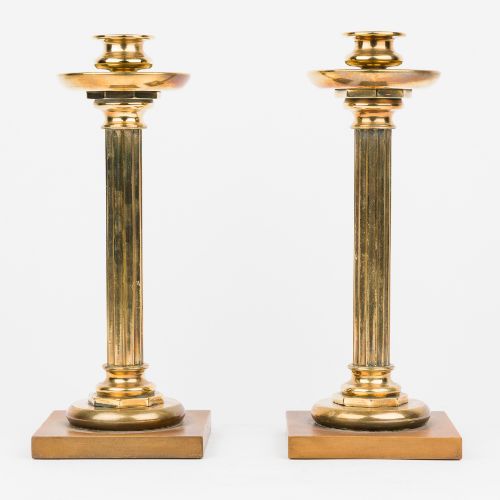
These 1930s art deco bronze pieces bring geometric vigour and stylised movement to a room, offering sculptural form and period illumination.

1930s Art Deco Bronze
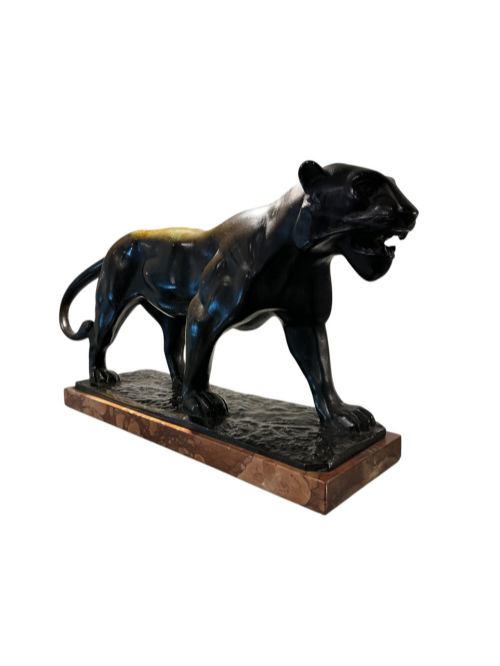
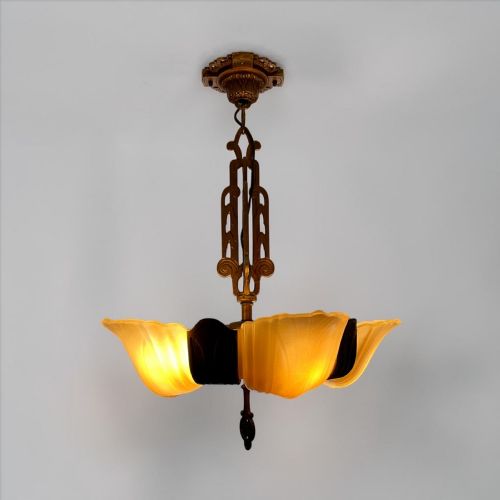
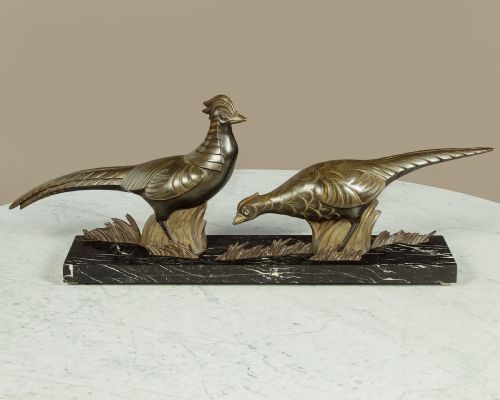
When seeking 1930s art deco bronze, a buyer encounters a distinct vocabulary of stylised figures, animals, and functional lighting born from interwar design. The pieces span dancer figures, lighting fixtures, bookends, and mantel clocks created across the 1920s, 1930s, and 1940s. Sculptural representations of human figures, felines, birds, and aquatic life dominate the forms.
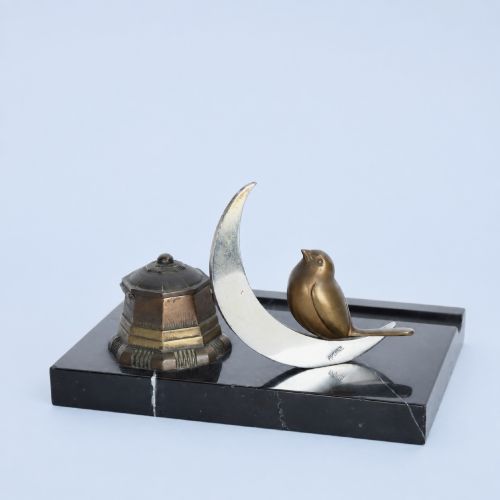
Female dancers, athletes, and animals feature prominently alongside desk tidies, door handles, and lamps. Works range from substantial figurative groups on heavy stone bases to smaller decorative objects and ceiling pendants. These items emerge from French, German, and English origins, reflecting international modernist tastes of the period.
Spelter often appears as an alternative metallic medium alongside solid bronze, frequently paired with stone bases. Marble and onyx provide heavy, contrasting plinths for figures and bookends, while glass and brass integrate into lighting forms. The selection captures both luxury sculptural art and commercial decorative metalwork.
How they were made
Foundries cast metal figures using traditional methods, often applying cold-painted finishes or patination to achieve surface colour and depth. Spelter works utilise zinc-based alloy castings which receive patinated metallic finishes to resemble bronze. Cold-painted techniques apply pigments directly to the metal surface after casting.
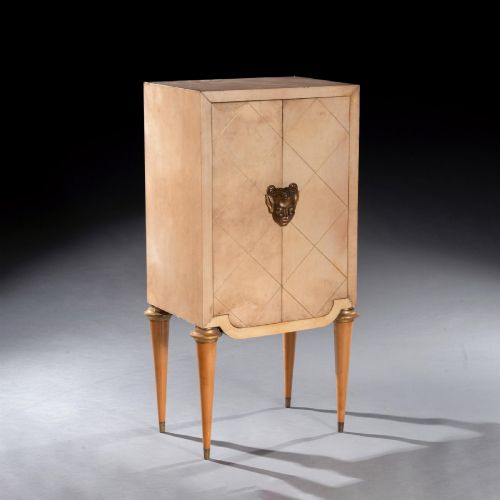
Bases combine contrasting natural materials including black or multi-coloured marble, onyx, and alabaster, secured with threaded metal rods. Glass elements for lamps and chandeliers incorporate moulded opalescent or slip shade techniques. Parchment, wood, and mirrored glass support the construction of larger cabinets and tables.
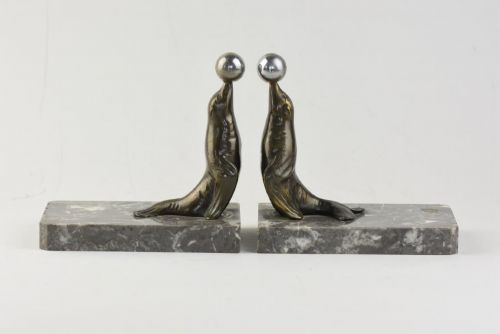
Seagulls, penguins, and sea lions join human dancers in the menagerie of interwar metalwork.
What varies in quality
The precision of the casting and the crispness of the chisel work define the upper tiers of sculptural metalwork. Details in facial expressions, drapery, and anatomical definition separate finely worked figures from mass-produced commercial items. Signed works by documented artists demonstrate superior sculptural execution.
The choice of supporting materials significantly influences the overall character of a piece. Substantial, well-cut marble or onyx plinths complement high-grade patination, whereas lesser pieces utilise lighter alloys and simple wooden or basic stone mounts. Original patination and intact cold-painted surfaces preserve the integrity of the object.
Ferdinand Preiss·Josef Lorenzl·Sibylle May·Irénée Rochard
The 1930s Art Deco Bronze Glossary
- Spelter
- A zinc-based alloy used as a cost-effective alternative to bronze in decorative figures and lamps. It takes patination well to simulate heavier metals.
- Cold-painted
- A technique where paint is applied to a metal object after casting without subsequent firing. This surface decoration appears frequently on early twentieth-century animal and human sculptures.
- Patination
- The chemical or natural alteration of a metal surface over time, or applied artificially by the foundry. It creates varied surface colouration and protects the underlying metal.
- Slip shade
- A type of moulded glass shade sliding into a metal frame, commonly found on period ceiling lights and wall sconces. These shades diffuse light across geometric patterns.
- Onyx
- A banded variety of chalcedony used frequently for clock cases and lamp bases. Its natural translucency and banding complement metallic finishes.
1930s Art Deco Bronze: Frequently Asked Questions
How do I identify a genuine period piece?
Examine the materials and casting methods used in the construction, noting the weight of the metal and the presence of marble or onyx bases. Period items exhibit manufacturing traits consistent with interwar foundry techniques.
Signatures or foundry marks on the base or body offer additional indicators of origin, though many commercial pieces remain unsigned.
What is the difference between bronze and spelter?
Bronze is an alloy of copper and tin offering high durability and fine casting detail. Spelter is a softer, zinc-based substitute.
Spelter items feel lighter and often display painted surface finishes rather than chemical patination.
How should I clean my metal sculpture?
Dust the surface gently with a soft, dry cloth to prevent the accumulation of dirt. Avoid chemical polishes which can strip original patination or cold-painted pigments.
Consult a conservator for valuable or fragile items requiring deeper cleaning.
Where were these decorative items made?
Production centred primarily in France, Germany, and England during the interwar decades. French foundries produced numerous figurative dancers and animal sculptures.
German workshops also contributed significant sculptural bronzes and clock sets to the international market.