



Green Bronze Dancer
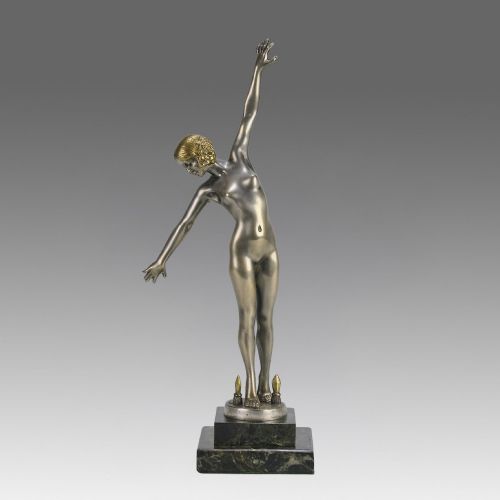
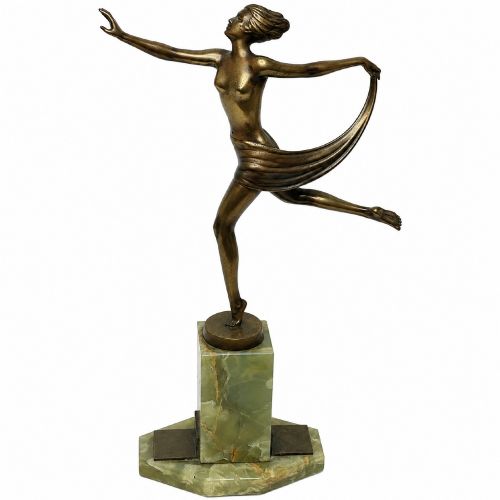
These green bronze dancer figures capture the kinetic energy and stylised elegance of early twentieth-century design.
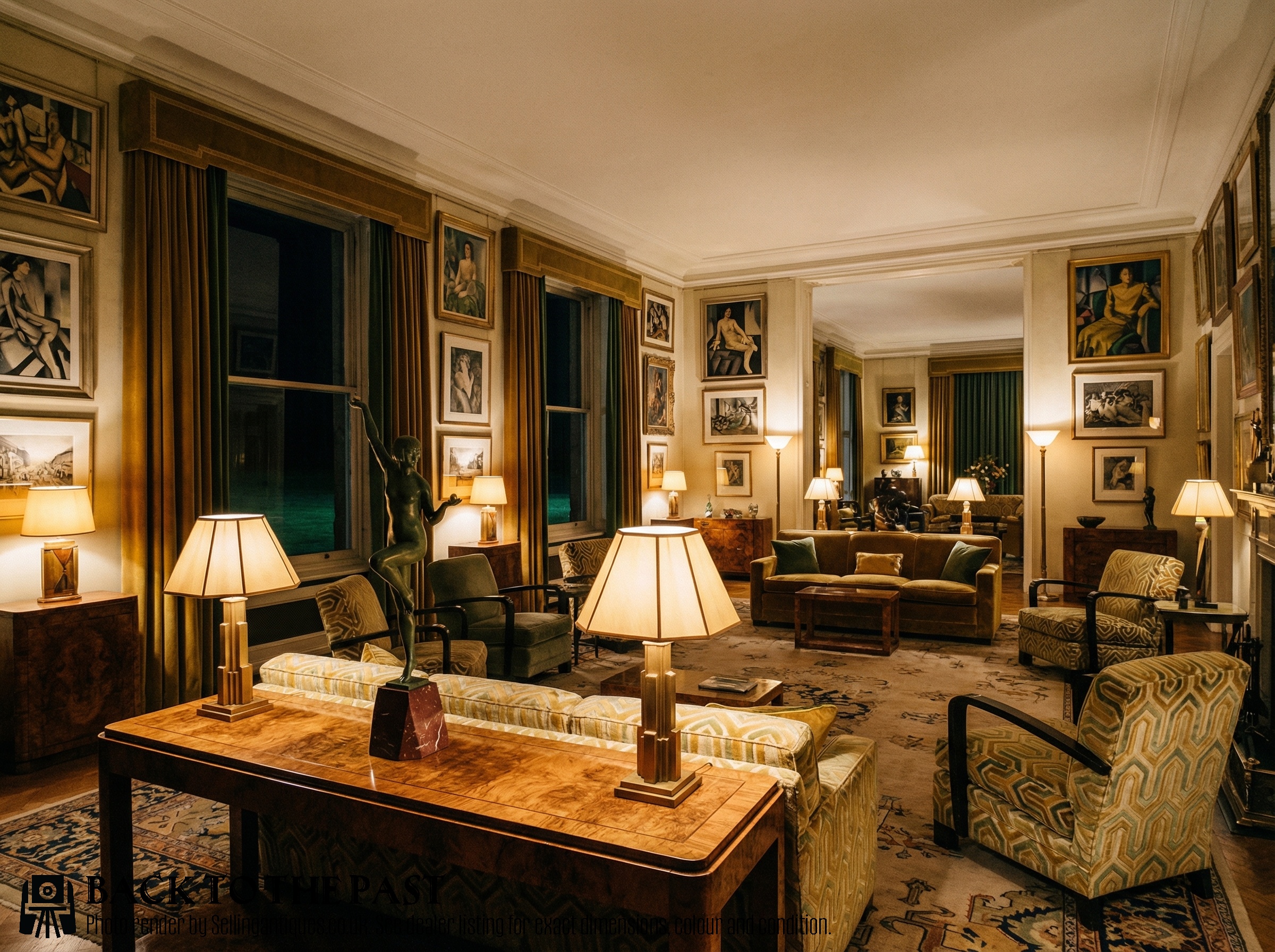
Green Bronze Dancer
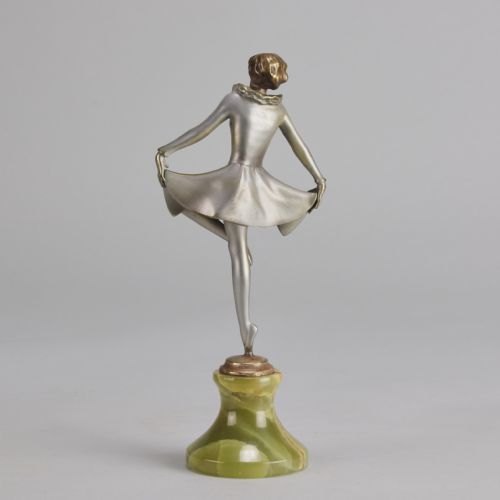
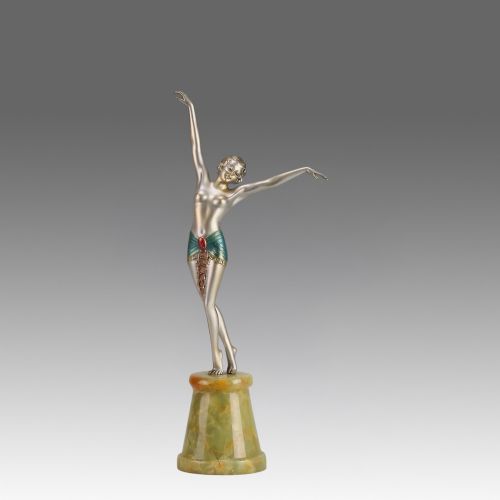
A green bronze dancer represents the dynamic spirit of the Art Deco era, rendered in sculptural forms that celebrate movement. These pieces primarily date from the nineteen-twenties and nineteen-thirties, capturing performers in energetic poses with garments, scarves, or garlands.
Most examples you encounter on this page take the form of tabletop sculptures and statuettes mounted on stone bases. The figures portray specific named subjects such as Trouser Girl, Phoebe, or Charlotte, reflecting the theatrical and cabaret culture of the period.
Materials and methods
Sculptures are invariably mounted on heavy plinths of onyx or marble to provide stability and contrast with the metallic figures. This combination of cast metal and polished stone defines the physical presence of each piece.
Green Bronze Dancer Retail Price Guide 2026
Typical asking prices for green bronze dancer among the pieces listed under this phrase on Sellingantiques today, from the lower quarter to the upper quarter. They describe what is for sale here now, not the wider market.
Several figures maintain a theatrical balance, defying gravity entirely on a single pointed toe.
Judging quality
The choice and finishing of the integral base matter considerably, as superior works utilise high-grade marble or onyx cut to complement the posture of the dancer. Furthermore, the fidelity of the signature or foundry mark influences the standing of an individual casting.
Josef Lorenzl·Rene Andre Varnier·Mario Korbel·Pierre le Faguays
The Green Bronze Dancer Glossary
- Cold-painted bronze
- Metal sculpture decorated with paint applied after casting without subsequent firing. This technique allowed for vivid polychrome finishes on clothing and accessories.
- Spelter
- A zinc alloy frequently utilised as a cost-effective alternative to bronze during the period. It provides a similar metallic appearance when finished with patination or paint.
- Art Deco
- The dominant design style of the nineteen-twenties and nineteen-thirties characterised by streamlined geometric forms and stylised representations of the human body.
- Onyx
- A banded variety of chalcedony commonly employed as a heavy decorative base for cabinet bronzes. Its natural striations provide a distinctive textural contrast to cast metal.
Green Bronze Dancer: Frequently Asked Questions
How should I display a bronze dancer?
Place the sculpture on a stable, flat surface where it can be viewed from multiple angles to appreciate the sense of movement. Ensure the display area avoids direct sunlight to protect the cold-painted enamel surfaces from fading.
Keep the piece away from sources of excessive heat or moisture to preserve the condition of both the metal patina and the stone base.
How do I identify Art Deco figures?
Look for characteristic design traits such as streamlined forms, stylised drapery, and dynamic poses associated with dancers and performers of the era. The integration of polished marble or onyx bases is also typical of sculptures from this timeframe.
Signatures or foundry inscriptions incised into the bronze or the stone base often confirm the attribution to a specific sculptor.
Are spelter and bronze different?
Spelter is a zinc-based alloy that was frequently used as an accessible alternative to copper-alloy bronze during the early twentieth century. While both metals accept patination and paint, bronze offers greater tensile strength and durability.
Examining the underside or areas of wear can help reveal the lighter, greyish base metal of spelter beneath the surface finish.