



1930s Art Deco Bar
A 1930s art deco bar brings the sharp geometry and glamour of the interwar period straight into a modern room.
1930s Art Deco Bar
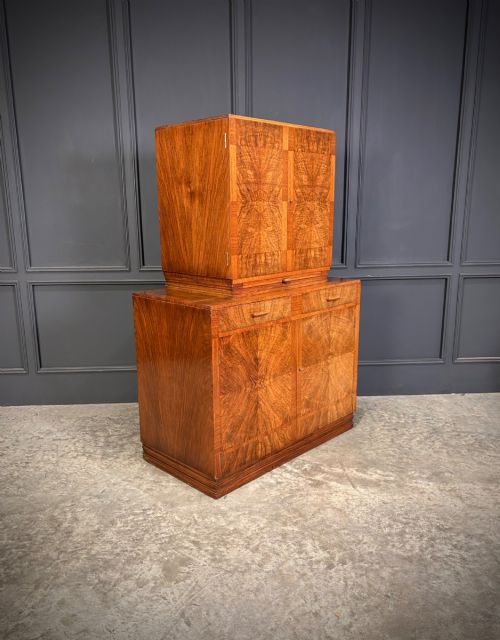
When you search for a 1930s art deco bar, you encounter a distinct range of furniture and accessories designed for home entertaining. The pieces span cocktail cabinets, drinks cabinets, serving trolleys, bar carts, and occasional tables.
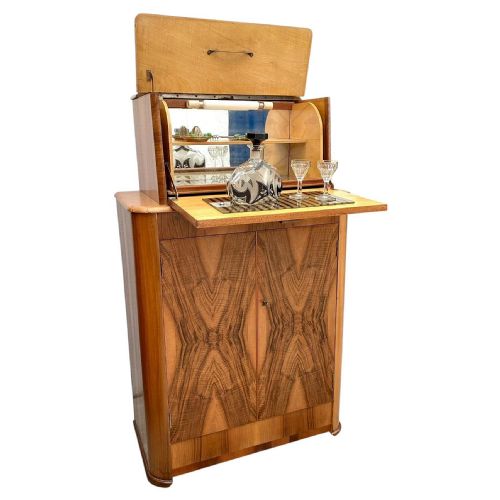
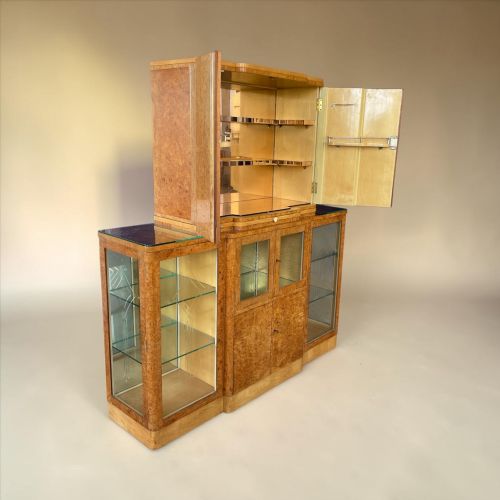
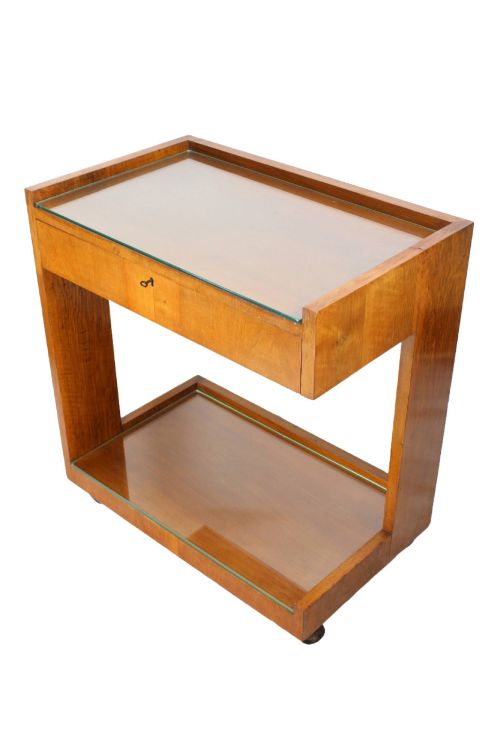
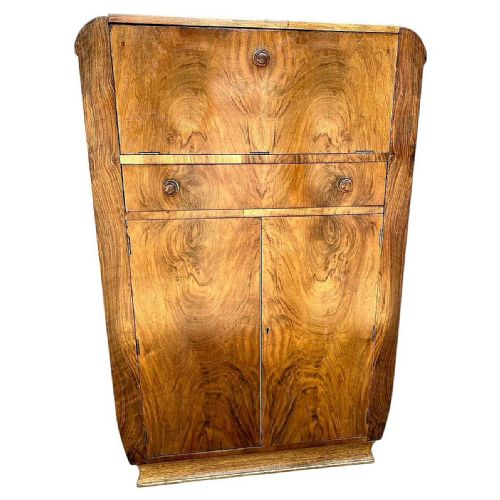
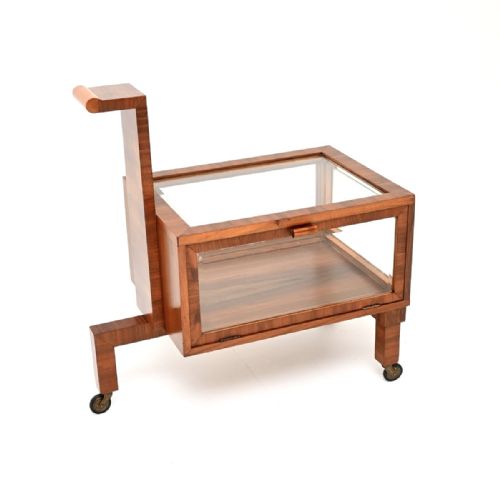
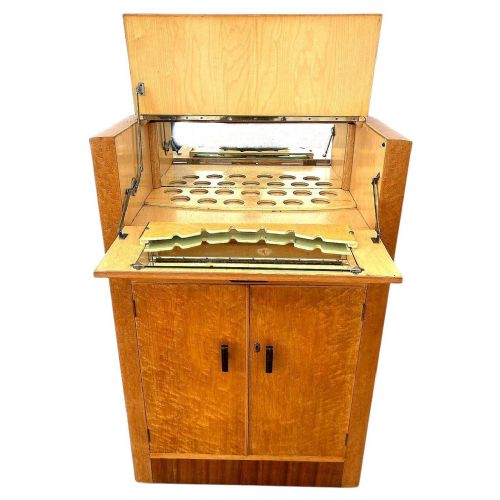
Cocktail cabinets and drinks cabinets dominate the selections available, often fitted with drop-down doors that reveal mirrored interiors and glass shelving. These substantial pieces sit alongside mobile bar carts and smaller pub or side tables suited to serving drinks.
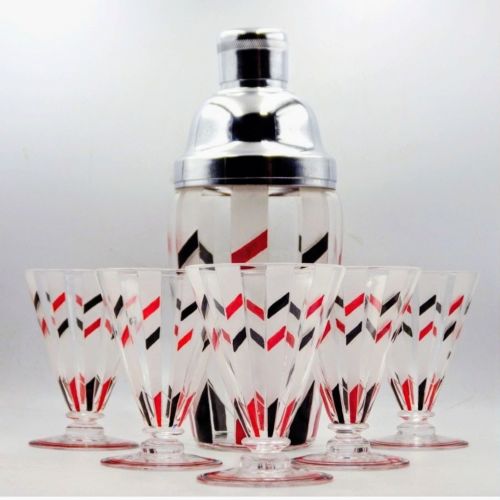
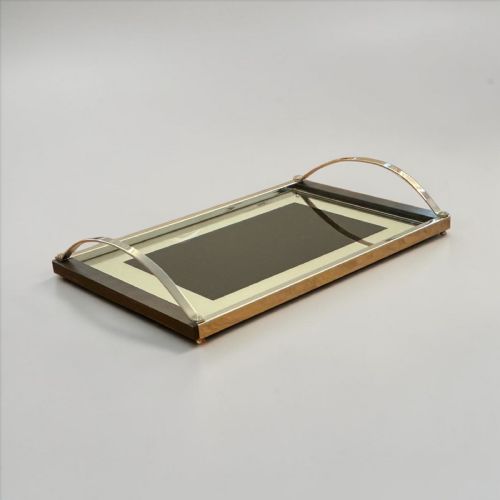
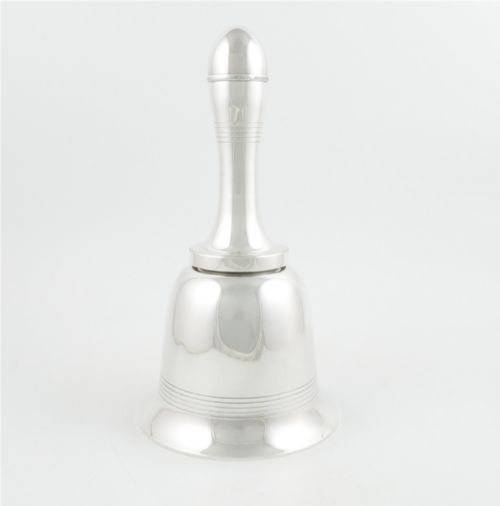
Smaller items such as cocktail shakers, novelty cocktail sticks, lemon wedge squeezers, and glass trays also appear under this heading. They capture the social habits of the period, centred on mixed drinks and hosting at home.
Materials and construction methods
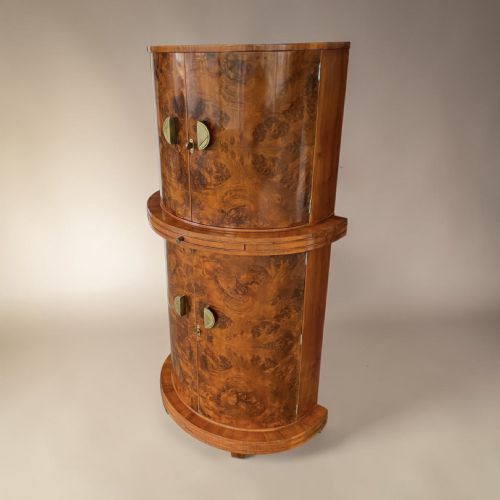
Cabinet makers utilised rich timbers like walnut, burr walnut, bird's-eye maple, satinwood, and mahogany as the primary carcasses for larger furniture. These woods were frequently selected for striking grain patterns rather than plain surfaces.
Metal and glass formed essential components, with chrome, brass, and silver plate used for frames, handles, and barware fittings. Mirrored glass linings and black glass tops added reflection and sheen to cabinets and trolleys.
1930s Art Deco Bar Retail Price Guide 2026
Typical asking prices for 1930s art deco bar among the pieces listed under this phrase on Sellingantiques today, from the lower quarter to the upper quarter. They describe what is for sale here now, not the wider market.
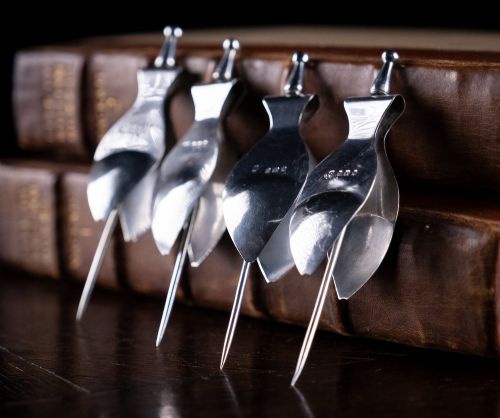
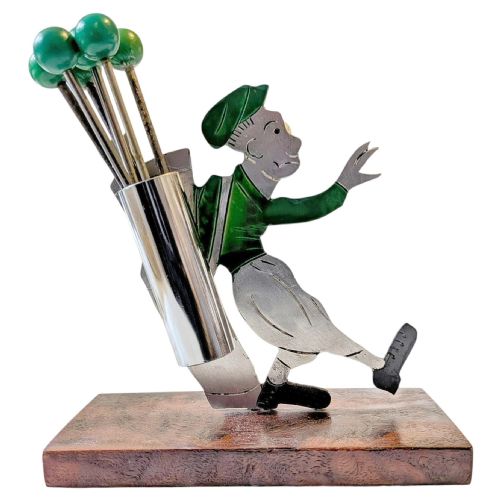
Comical golfer and cherry man novelty cocktail sticks by Sudre bring miniature sporting figures right into the cocktail glass.
Distinctions in construction and design
The distinction between standard production and top-tier pieces rests on the choice of veneers and the complexity of the internal mechanism. Cabinets featuring figured burr walnut, amboyna, or parchment inlay demonstrate superior material selection.
Mechanisms also define the better examples, such as metamorphic tables and cabinets that reveal integrated lighting or pop-up shelving through engineered action. Maker attribution to notable workshops elevates a piece through documented execution.
Sudre·Richard Comyns·Maurice Jallot·Epstein·Hille·Maurice Adams·Sowerby
The 1930s Art Deco Bar Glossary
- Cocktail cabinet
- A dedicated piece of furniture designed to store bottles, glassware, and mixing equipment. These units usually include a preparation surface and a mirrored interior.
- Bar cart
- A mobile serving trolley fitted with wheels, designed to transport bottles and glassware between rooms. They often feature multiple tiers and chrome or brass framing.
- Veneer
- A thin layer of figured wood applied over a stable secondary timber base. This technique allowed cabinet makers to display decorative grain patterns across large flat surfaces.
- Metamorphic
- A term describing furniture that transforms through hinged or sliding mechanisms. Examples include tables or cabinets that expand or alter shape during use.
- Silver plate
- A layer of silver applied to a base metal core such as brass or copper. This finish provided the appearance of solid silver for cocktail shakers and barware.
1930s Art Deco Bar: Frequently Asked Questions
What is inside a cocktail cabinet?
Cabinet interiors typically feature mirrored back panels, glass shelving for glassware, and specialised holders for bottles and mixing tools. Many include a pull-down flap that serves as a mixing shelf.
Some designs incorporate electrical wiring to illuminate the interior space when opened, reflecting the modern conveniences integrated into furniture of the period.
How do I use a bar cart?
Bar carts serve as mobile stations for holding bottles, glassware, and bar accessories during gatherings. Their wheeled design allows for easy movement across wooden or carpeted floors.
They function equally well as static display surfaces in a living room or dining space when not in active service.
What woods were used?
Cabinet makers relied heavily on walnut, burr walnut, and bird's-eye maple for exterior surfaces. Mahogany, satinwood, and amboyna also appear across different pieces.
These timbers were chosen specifically for their decorative grain patterns, which defined the aesthetic of the era without relying on carved ornamentation.
Are these pieces English or French?
The selection includes both English and French origins, each displaying regional interpretations of the style. English workshops frequently utilised rich walnut veneers and solid construction.
French pieces often incorporated bolder material pairings such as amboyna, brass, parchment inlay, and distinctive figural barware accessories.