

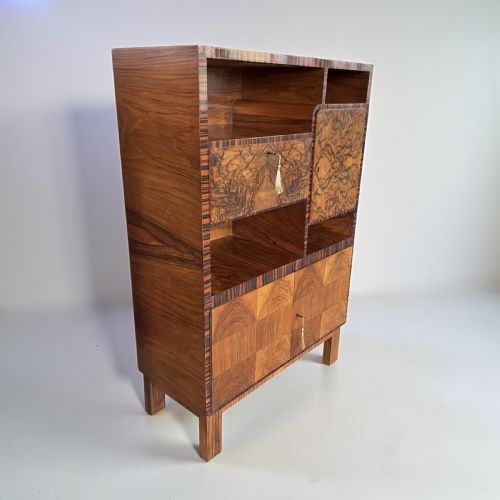


Art Deco Cabinet on Stand
An art deco cabinet on stand combines bold geometric form with raised display, serving as an architectural focal point in a modern room.
Art Deco Cabinet on Stand
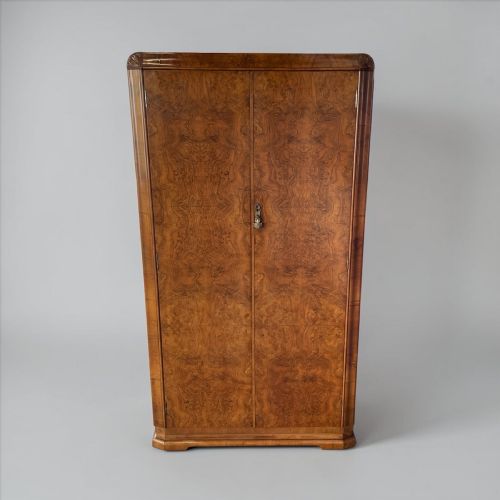
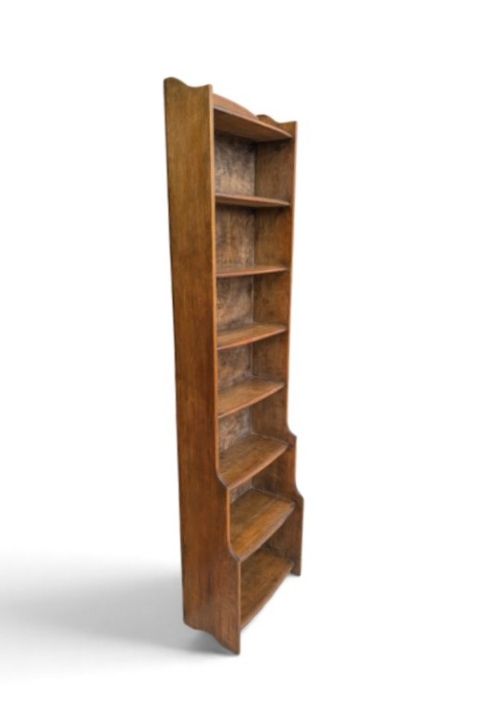
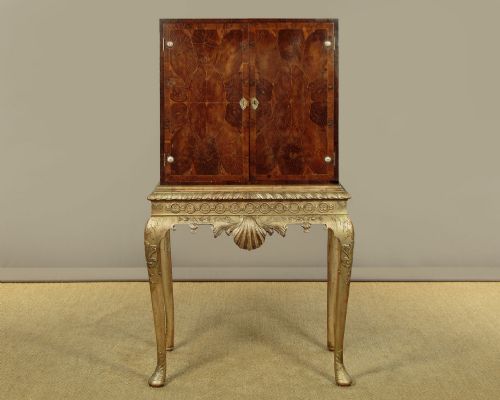
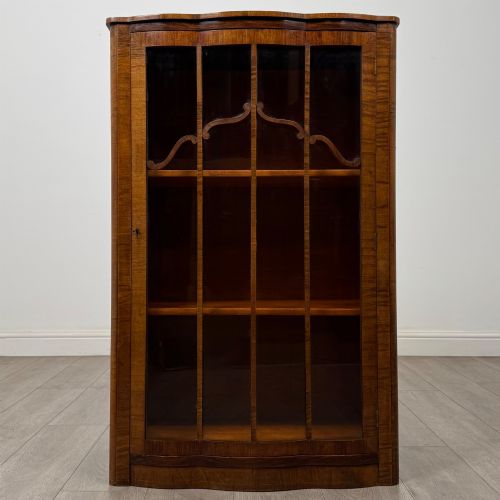
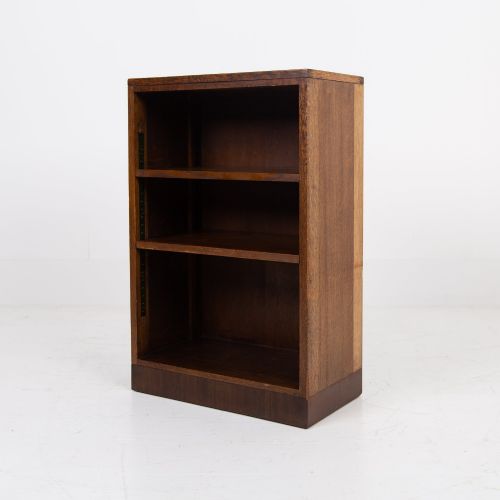
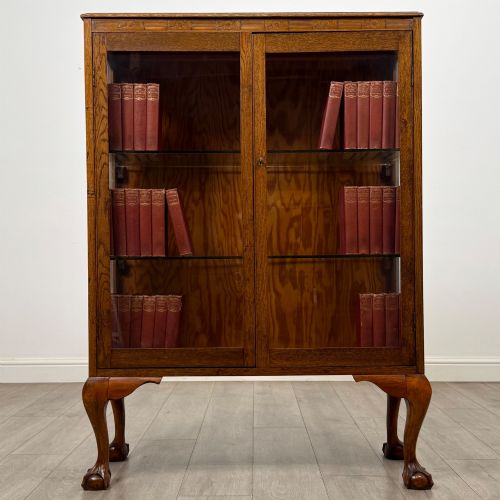
An art deco cabinet on stand brings together a raised storage compartment and a supporting frame, typically dating from the 1920s, 1930s, and 1940s alongside related Edwardian and Victorian examples. Buyers seeking this phrase most frequently encounter cocktail and drinks cabinets fashioned in burr walnut, alongside bedside cabinets and bookcases.
The objects span pure Art Deco and Art Deco Modernist styles, with occasional nods to Swedish Grace and Queen Anne Revival. Alongside traditional upright storage, the inventory includes display cabinets, side tables, and occasional bronze sculptures.
Materials and Technique
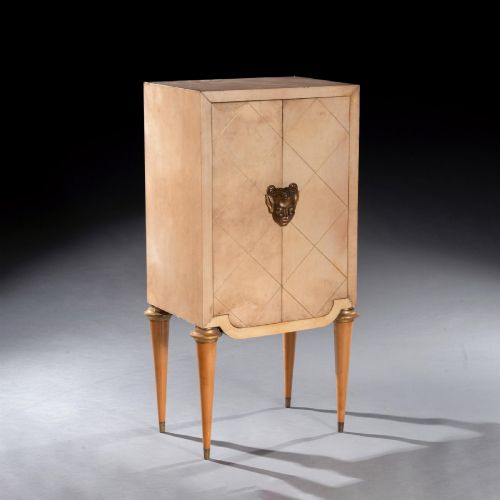
Makers relied heavily on rich hardwoods, utilising walnut, burr walnut, mahogany, and oak for foundational surfaces and striking grain patterns. Glass panels, brass hardware, and bronze accents provide contrast, while specialised finishes include parchment inlay and silver gilt.
Construction techniques balanced functional storage with decorative impact, pairing tambour fronts and sliding shelves with raised stands. Cabinet makers employed figured veneers to create symmetrical patterns across doors and drop-down cocktail compartments.
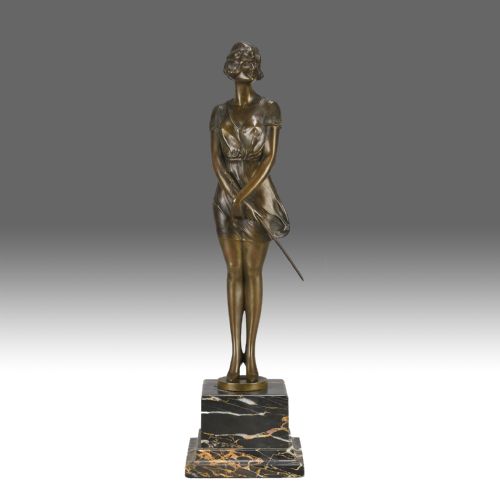
A bronze study entitled Whip Girl stands ready among the walnut and oak.
Assessing Quality
Quality rests upon the selection and matching of wood veneers, where continuous burr walnut figures elevate a piece far above plain timber surfaces. The integration of the cabinet with its stand dictates structural harmony, distinguishing bespoke creations from simpler production items.
Attribution to notable workshops or makers through verified signatures or distinctive hardware shifts a piece into a higher tier. The crispness of geometric lines and the inclusion of specialised internal fittings like glass shelves or mirrored cocktail interiors define superior craftsmanship.
Bruno Zach·Maurice Jallot·Hille·Sandberg and Co·Epstein and Co·Liberty's of London·Standard
The Art Deco Cabinet on Stand Glossary
- Burr walnut
- A decorative wood veneer harvested from the burl growths of walnut trees, prized for its swirling, highly figured grain patterns. It forms the primary visual draw on many cocktail cabinets.
- Cocktail cabinet
- A specialised piece designed for entertaining, featuring drop-down surfaces for mixing drinks and internal storage for glassware and bottles. They frequently appear in burr walnut and mahogany.
- Parchment inlay
- A decorative technique applying treated animal skin to furniture surfaces to create a smooth, pale panel. This finish appears on French modernist pieces.
- Silver gilt
- A thin layer of silver applied to a base metal or wood surface to give a lustrous metallic finish. It highlights structural details on stands and frames.
- Tambour front
- A flexible door constructed from narrow strips of wood attached to a canvas backing, allowing it to slide smoothly around a curved cabinet corner.
Art Deco Cabinet on Stand: Frequently Asked Questions
What is an art deco cabinet on stand used for?
These cabinets served primarily as cocktail and drinks storage in 20th-century homes, housing glassware, bottles, and mixing trays within a raised compartment.
Today, they function as striking statement furniture that lifts storage off the floor, adding vertical interest and period character to a living space.
How do I distinguish Art Deco from Edwardian pieces?
Art Deco pieces from the 1920s and 1930s favor streamlined geometric shapes, symmetrical burr walnut veneers, and modernist metal or glass details.
Edwardian furniture leans toward traditional revival styles and heavier timber framing without the characteristic stylized motifs of the later decorative movement.
Are these cabinets purely French or English?
The selection includes significant examples from both English workshops and French designers, reflecting distinct regional interpretations of the modernist aesthetic.
English pieces often utilise rich burr walnut, while French variants incorporate specialised techniques like parchment inlay and tambour doors.
How should I care for a burr walnut finish?
Burr walnut requires protection from direct sunlight and excessive moisture to prevent the delicate veneer from fading or lifting over time.
Regular dusting with a soft, dry cloth maintains the polished surface without the need for heavy chemical polishes or waxes.