

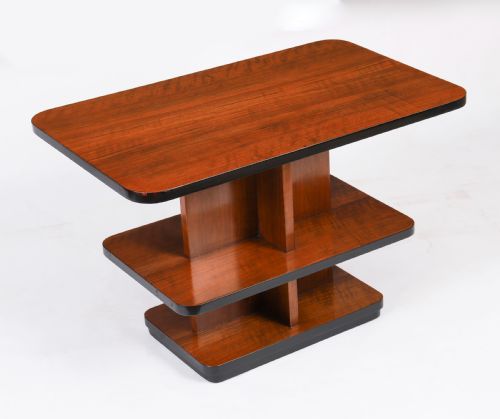


1920s Walnut Coffee Table
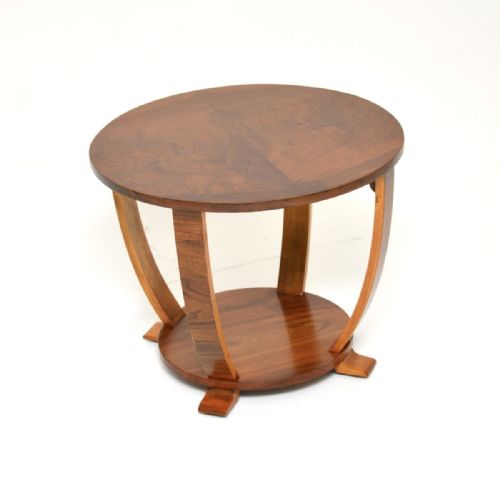
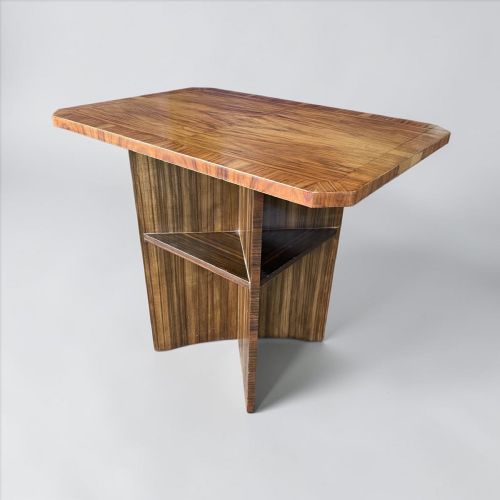
A 1920s walnut coffee table brings rich grain and period character to a room, offering low surfaces designed for modern living.
1920s Walnut Coffee Table
A 1920s walnut coffee table brings low-level practicality and distinctive timber figuring to an interior. These tables emerge from a period spanning the nineteen-twenties, thirties, and forties, adapting traditional materials to changing domestic habits.
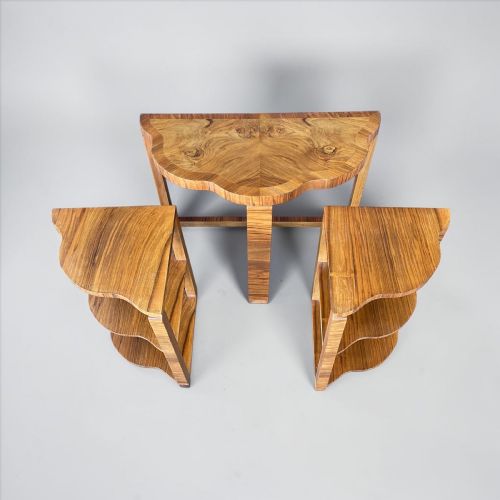
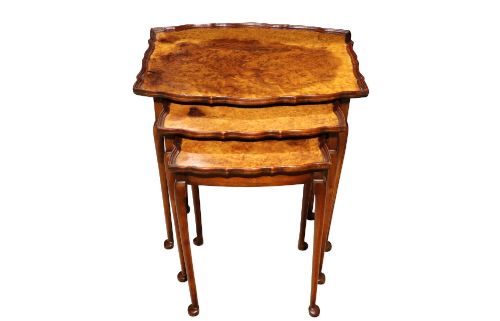
Buyers meet several distinct forms within this search, most commonly dedicated coffee tables alongside nests of three tables and occasional tables. Circular, oval, and tiered shapes appear frequently alongside standard rectangular formats.
Stylistically, pieces divide between clean-lined Art Deco designs and revival interpretations such as Queen Anne and Georgian styles. Burr walnut and figured walnut veneers dominate the surface appearance across these forms.
Materials and construction
Construction relies on hardwood frames overlaid with walnut veneer, figured walnut, or burr walnut to create striking natural patterns across the top. Ebonised wood occasionally provides contrasting detail or structural support.
Veneering technique defines much of the visual character, allowing cabinetmakers to mirror grains and create symmetrical patterns across circular and rectangular surfaces. Secondary hardwoods form the underlying carcasses and supports.
1920s Walnut Coffee Table Retail Price Guide 2026
Typical asking prices for 1920s walnut coffee table among the pieces listed under this phrase on Sellingantiques today, from the lower quarter to the upper quarter. They describe what is for sale here now, not the wider market.
Listings show these tables spanning the 1920, 1930, and 1940 periods, constructed predominantly in walnut, burr walnut, and various veneers.
The markers of quality
Quality rests principally in the selection and matching of the walnut veneer across the primary surface. Burr and figured varieties display complex natural patterns that distinguish finer examples from plain timber faces.
Execution of the joinery and stability in the frame separate standard production from superior cabinet work. The crispness of carved details in revival pieces or the geometric precision in Art Deco items dictates the overall distinction.
The 1920s Walnut Coffee Table Glossary
- Burr walnut
- A wood figure derived from the growth warts of walnut trees, producing intricate and swirling patterns. Cabinetmakers prize this timber for high-status decorative surfaces.
- Veneer
- A thin slice of superior wood applied to a commoner wood substrate. This technique allows makers to display striking grain figures without using solid expensive timber.
- Art Deco
- A design style characterised by sleek geometric shapes, streamlined forms, and modern materials. It flourished during the interwar period and heavily influences these tables.
- Nest of tables
- A set of graduated tables designed to fit neatly beneath one another when not in use. They provide flexible surface space in compact rooms.
- Occasional table
- A small, movable table intended for specific, intermittent use rather than permanent placement. They serve well beside seating areas for drinks or lamps.
1920s Walnut Coffee Table: Frequently Asked Questions
How do I identify a genuine 1920s piece?
Examine the construction methods, timber selection, and finish beneath the top surface. Hand-cut joints and traditional polishing techniques typically indicate the period.
Compare the style markers, such as Art Deco geometry or revival walnut veneers, against documented examples from the era to confirm authenticity.
Can I use a nest of tables as a coffee table?
A nest of tables provides adaptable surface area that functions well in place of a single large coffee table. You can separate the pieces when entertaining.
Placing the tables together creates a tiered or extended surface for daily use while retaining the flexibility to rearrange them easily.
How do I care for walnut veneer?
Protect walnut veneer from direct sunlight and excessive heat to prevent the wood from fading and the glue beneath from drying out. Use coasters to guard against moisture.
Apply a suitable wax polish occasionally to nourish the timber and maintain the natural lustre of the figured grain.
What is the difference between burr and figured walnut?
Burr walnut comes from tree growths that produce dense, swirling, and highly decorative patterns full of small knots. It offers a dramatic visual texture.
Figured walnut displays regular grain variations such as ripples or flames rather than the chaotic knot clusters found in burr timber.