




Low Circular Side Table
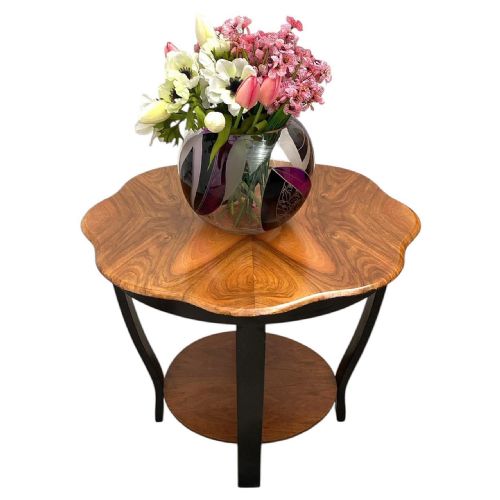
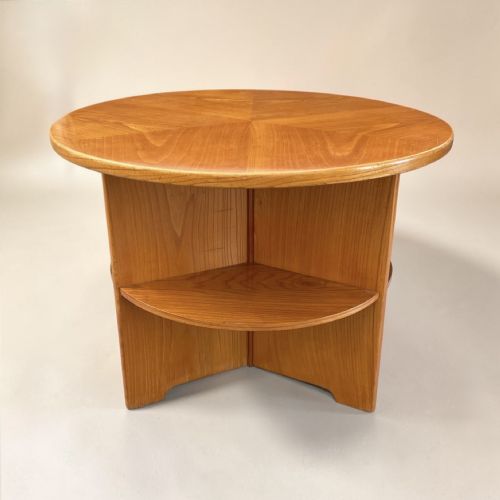
A low circular side table brings practical surface space to a seating area while showcasing rich timber grains.
Low Circular Side Table
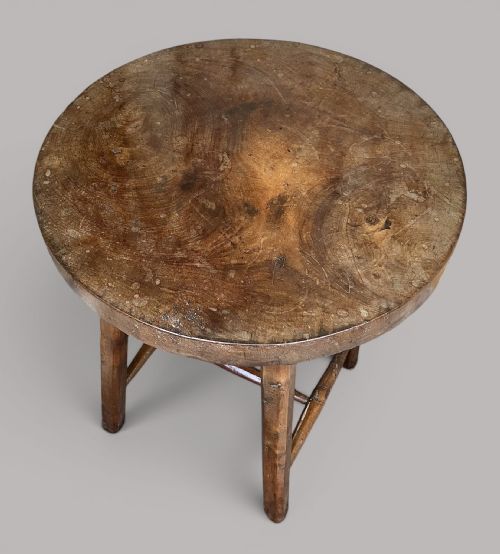
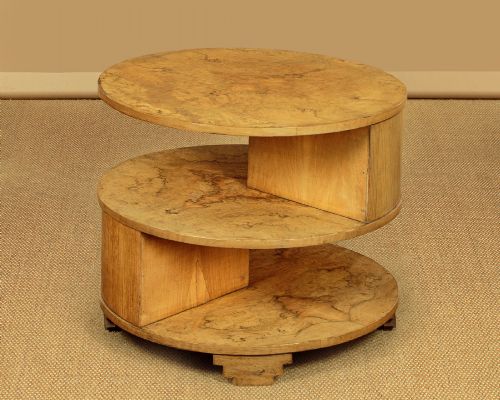
A low circular side table serves as a compact surface next to armchairs or sofas, appearing across periods from the Georgian era through to the mid-twentieth century. When searching for a low circular side table, buyers encounter pieces functioning primarily as coffee tables, occasional tables, or wine tables.
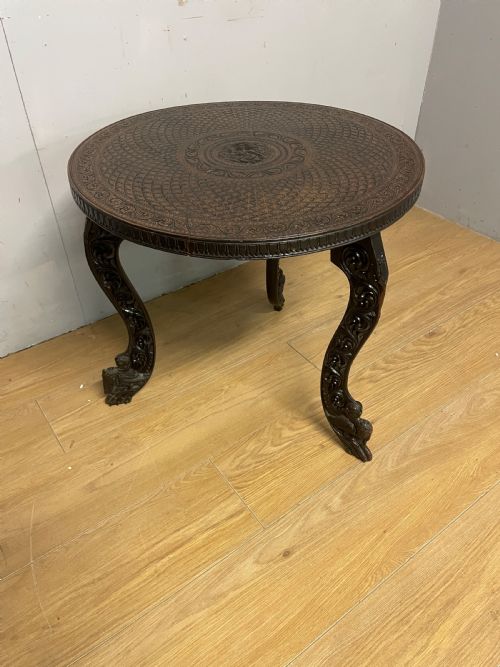
The selection ranges from vernacular solid wood designs to decorative veneered surfaces influenced by Art Deco and revival styles. Many examples stand on single central pedestals or low legs, keeping the profile close to the ground for domestic convenience.
Materials and construction methods
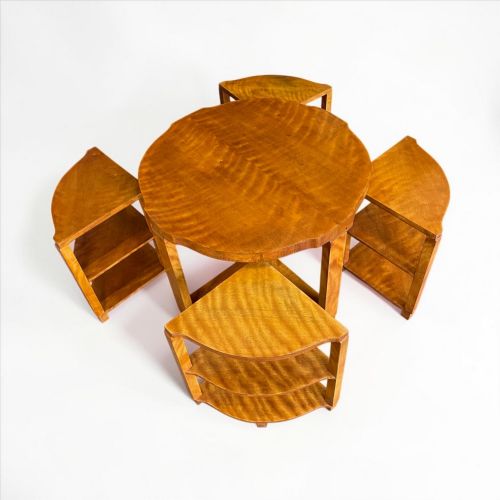
Construction relies heavily on walnut, burr walnut veneer, oak, and teak, shaped into circular tops supported by pedestals or turned legs. Cabinetmakers applied figured veneers to tabletops to highlight natural grain patterns, particularly during the Art Deco period.
Joinery methods vary from simple pegged construction in Georgian and primitive pieces to veneered panels over solid timber cores in later twentieth-century examples. Surface finishes include polished wood, painted details, and occasional marble insertions.
Listings span from the Georgian period through the nineteenth century and into the mid-twentieth century, featuring walnut, oak, teak, and satin birch.
Assessing quality in circular tables
Quality rests in the selection of timber veneers and the crispness of any carved or turned details. Tables utilising matched burr walnut or satin birch show greater ambition in surface decoration than plain timber equivalents.
Structural stability depends on the attachment of the top to the base, where solid timber joints or well-executed pedestal mounts ensure longevity. Finer examples maintain balanced proportions between the diameter of the top and the height of the stand.
The Low Circular Side Table Glossary
- Burr walnut
- A prized timber veneer taken from the growth excrescences of walnut trees, displaying intricate swirling grain patterns. This material appears frequently on twentieth-century tables.
- Pedestal table
- A table supported by a single central pillar resting on feet or a base. This form allows unobstructed legroom around the perimeter.
- Occasional table
- A small, movable table designed for specific, temporary uses in a room. These pieces function easily beside seating.
- Nest of tables
- A set of graduated tables designed to fit one beneath another when not in use. They provide flexible surface space in compact rooms.
Low Circular Side Table: Frequently Asked Questions
Where should I place a low circular table?
These tables sit comfortably beside armchairs or low sofas where surface space is needed for drinks or books. Their round shape helps soften straight lines in a room layout.
Because of their compact footprint, they fit well into smaller corners or narrower gaps between seating arrangements.
How do I care for a walnut veneer table?
Dust the surface regularly with a soft, dry cloth to prevent dirt accumulation on the polished wood. Avoid placing hot or wet items directly on the veneer to protect the finish.
Keep the table away from direct sunlight and strong heat sources to prevent the timber and veneer from drying out or cracking.
What periods do these circular tables come from?
The selection spans from Georgian and nineteenth-century designs to twentieth-century Art Deco and mid-century modern pieces. Each era brings distinct timber choices and decorative treatments.
Earlier examples often feature solid wood construction, while later twentieth-century pieces frequently utilise decorative veneers and streamlined forms.
Are these tables used as coffee tables?
Many circular occasional and side tables function effectively as low coffee tables in modern living spaces. Their reduced height makes them suitable for positioning in front of low seating.
Their form provides the necessary surface area without dominating the centre of the room.