


1920s Tribal Rug
These 1920s tribal rug pieces bring genuine warmth and character into a room through honest village and nomad weaving.
1920s Tribal Rug
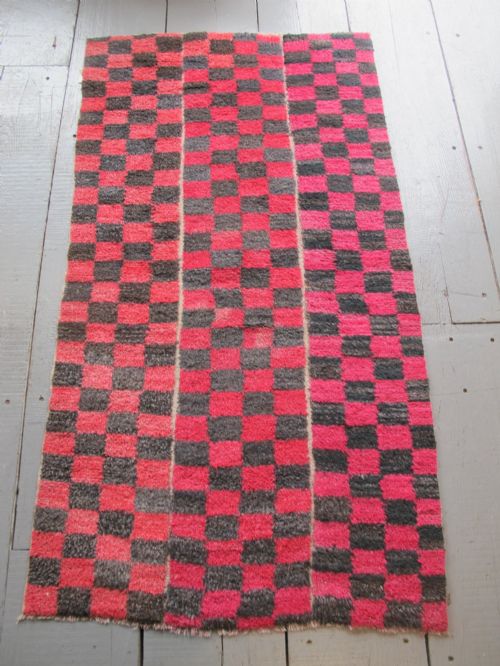
A 1920s tribal rug represents the traditional weaving of village and nomadic communities from regions including Afghanistan, Persia, and Anatolia. These floor coverings range from compact prayer rugs and flatwoven kilims to larger carpets and runner rugs. Buyers searching this phrase encounter authentic pieces shaped by regional aesthetics and utilitarian heritage rather than mass production.
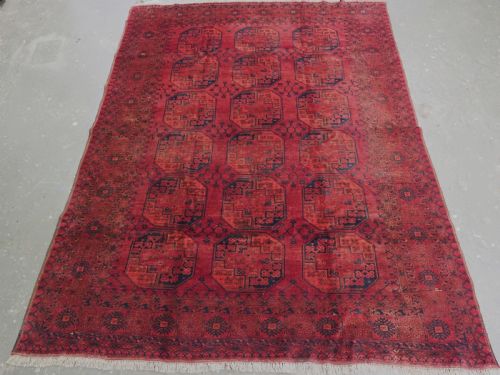
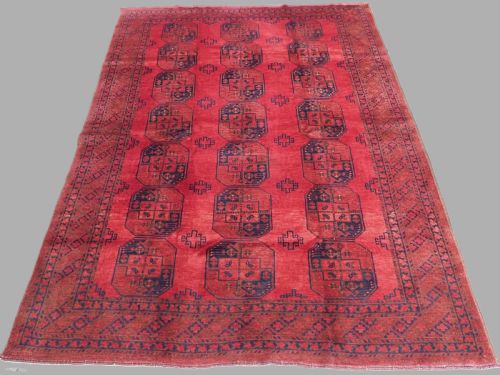
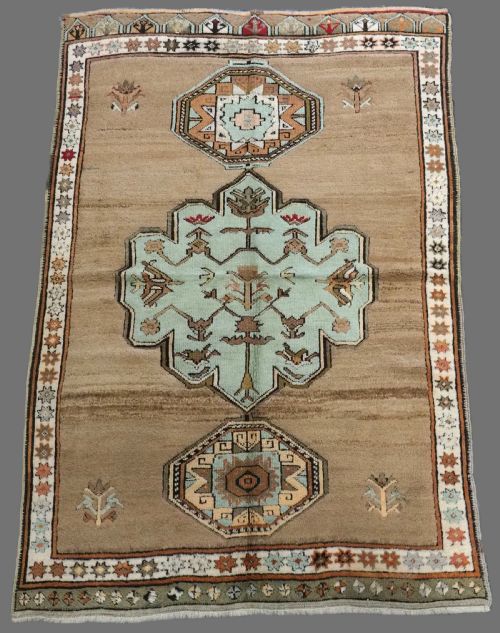
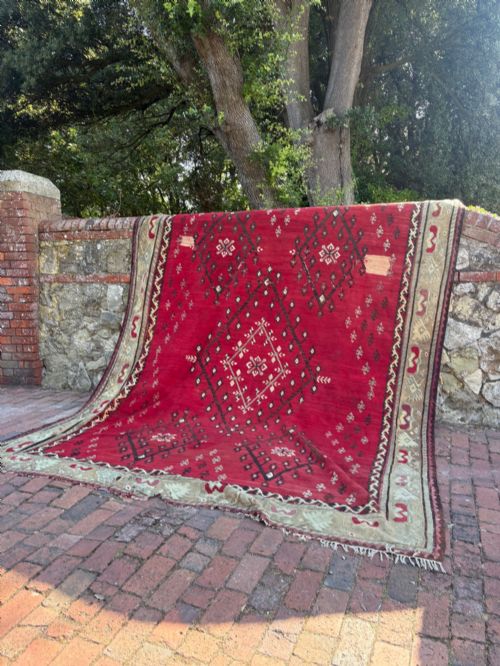
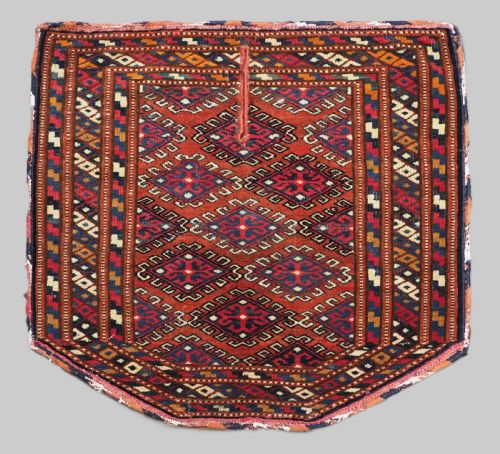
The selection leans heavily towards Afghan and Persian tribal styles, featuring distinct subgroup designs such as the Ersari, Baluch, Makur, Afshar, and Hamadan village types. Pieces often incorporate rich warm reds or ivory grounds paired with classic motifs, floral lattices, or multiple mihrabs. Each rug carries the tangible identity of the specific village or weaver who produced it nearly a century ago.
How they were made
These textiles rely on fundamental natural materials, principally wool and cotton foundations, dyed using natural dyes that age into soft faded patinas. Weavers constructed them by hand using traditional knotting or flatweaving techniques suited to nomadic life and village workshops. The resulting structures balance hard-wearing durability with pliable handle.
The construction methods reflect localized traditions handed down through generations, utilising locally sourced sheep wool for pile and structural yarns. Artisans deployed natural colourants derived from plants and minerals, creating the deep reds and varied neutral grounds characteristic of the period.
1920s Tribal Rug Retail Price Guide 2026
Typical asking prices for 1920s tribal rug among the pieces listed under this phrase on Sellingantiques today, from the lower quarter to the upper quarter. They describe what is for sale here now, not the wider market.
One Afghan rug carries a precise date from the Islamic calendar, proving the weaver kept strict track of time.
What varies in quality
Quality in a 1920s tribal rug lies in the precision of the weave, the depth and stability of the natural dyes, and the integrity of the wool. Superior pieces display crisper geometry in complex designs like floral lattices or mihrab variants, alongside a supple, resilient handle that indicates well-prepared yarn.
The distinction between standard village production and finer examples rests on knot density, design balance, and the preservation of original edges and ends. Tighter construction and harmonious colour interaction separate exceptional archival survivals from simpler utilitarian floor coverings.
The 1920s Tribal Rug Glossary
- Kilim
- A flatwoven carpet or rug produced without a pile by tightly interweaving warp and weft strands. These versatile textiles serve as lightweight floor coverings or wall hangings.
- Mihrab
- A niche design element found in prayer rugs, often indicating the direction of Mecca. Variants can feature single, double, or multiple arches within the field.
- Natural Dyes
- Colourants extracted from botanical, mineral, or insect sources prior to the widespread adoption of synthetic aniline dyes. They age gracefully into muted, harmonious tones.
- Warp
- The vertical foundation threads stretched lengthwise on a loom before weaving begins. Weft threads are passed horizontally across these structural elements.
- Patina
- The surface sheen and softening of colour developed through natural ageing, handling, and light exposure over decades. It denotes authenticity and long use.
1920s Tribal Rug: Frequently Asked Questions
Where were these rugs made?
These textiles originate from village and tribal workshops across regions such as Afghanistan, Persia, and Anatolia. Local weavers utilised indigenous materials and distinct regional patterns to produce them.
Specific provenances include Afghan communities, Persian village centres like Hamadan, and Anatolian weaving traditions. Each area contributed unique colour palettes and structural methods.
How do I identify a prayer rug?
Prayer rugs feature a distinctive mihrab or arch design at one or both ends, which traditionally pointed toward Mecca during daily devotions. They are generally smaller in scale to facilitate personal use.
Some variants include multiple mihrabs arranged across the field. Their composition focuses attention on this central architectural motif.
What is a kilim?
A kilim is a flatwoven textile made without any pile, created by interlocking warp and weft threads to form geometric patterns. This technique produces a lighter, reversible fabric.
Weavers across nomadic and village cultures utilised this method for rugs, bags, and coverings. They offer crisp graphical designs due to the nature of the flatweave structure.
How should I care for a vintage rug?
Vacuum these textiles gently with a suction-only attachment, avoiding motorized beater bars that can damage old wool and foundation threads. Professional cleaning should be undertaken sparingly by specialists in antique carpets.
Keep them out of direct, continuous sunlight to protect natural dyes from fading unevenly. Using a quality underlay helps prevent slipping and reduces friction against hard floors.