


1920s Burr Walnut Table
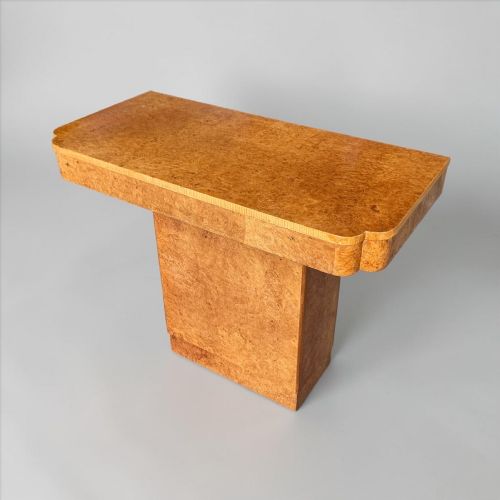
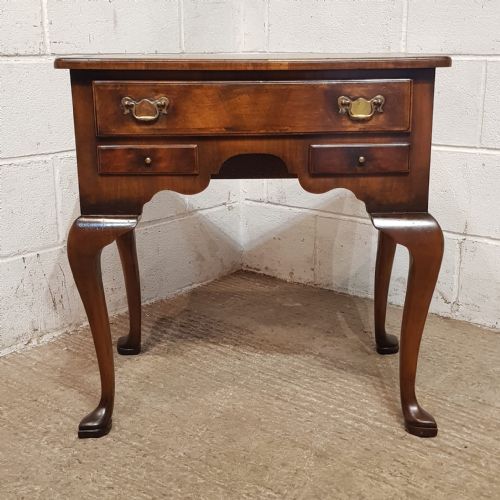
A 1920s burr walnut table brings striking grain and period character to a room, whether you choose an Art Deco console or a Queen Anne style card table.

1920s Burr Walnut Table
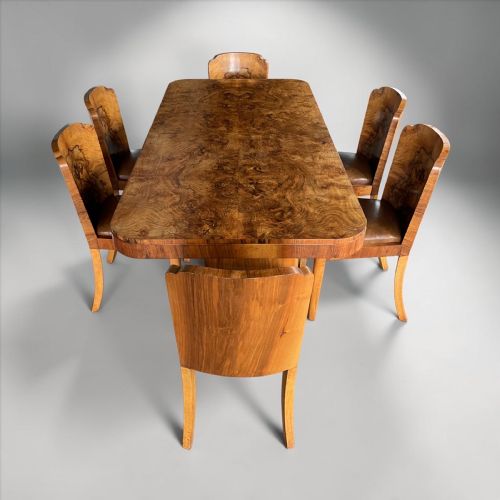
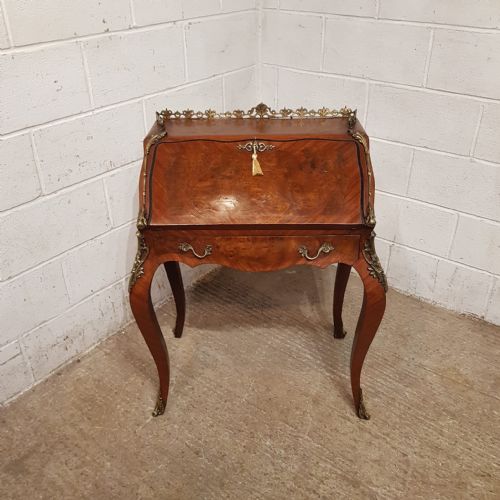
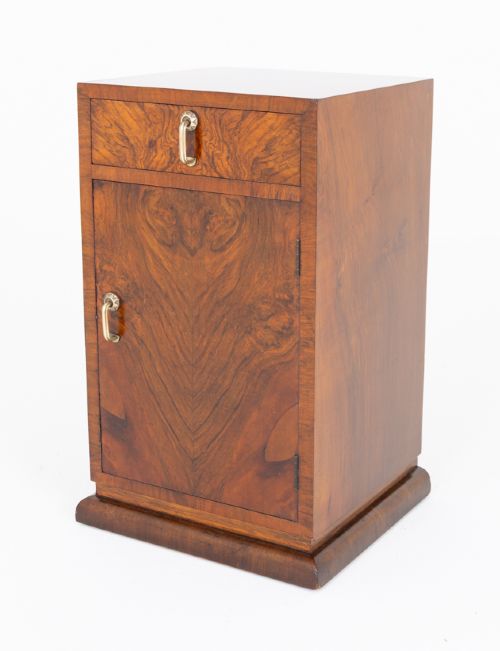
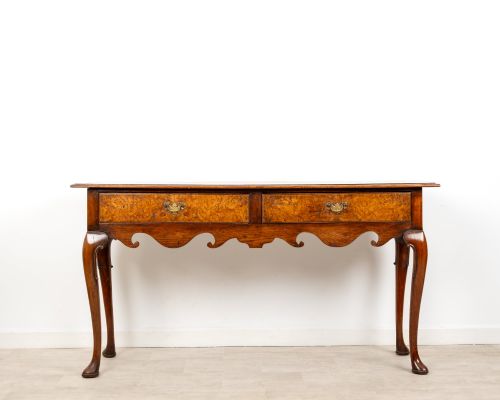
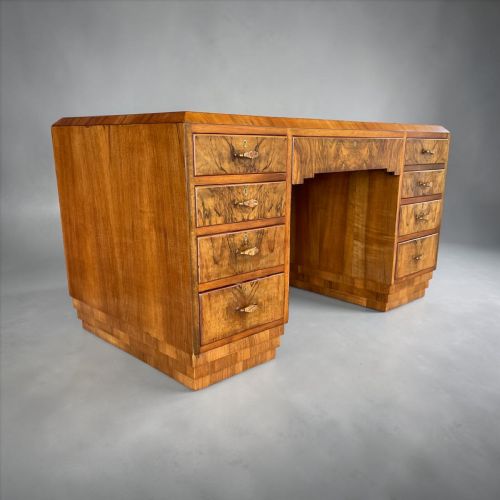
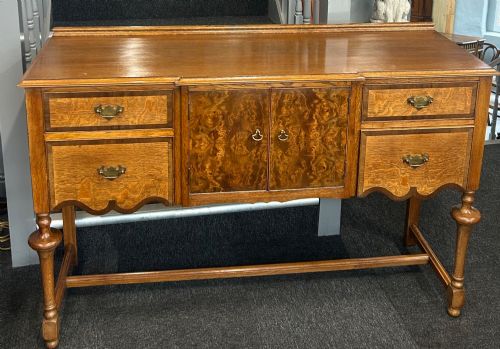
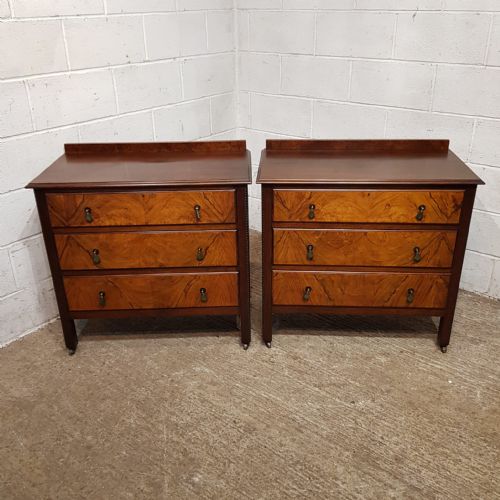
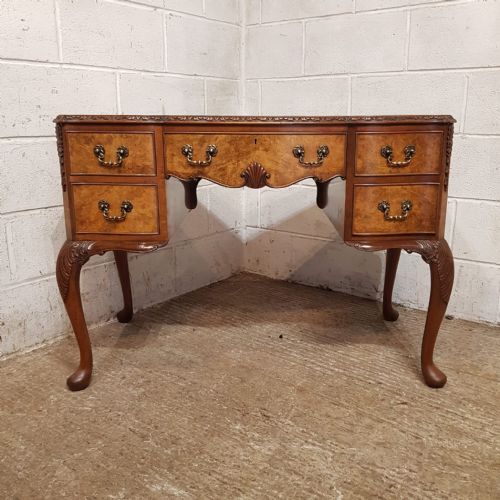
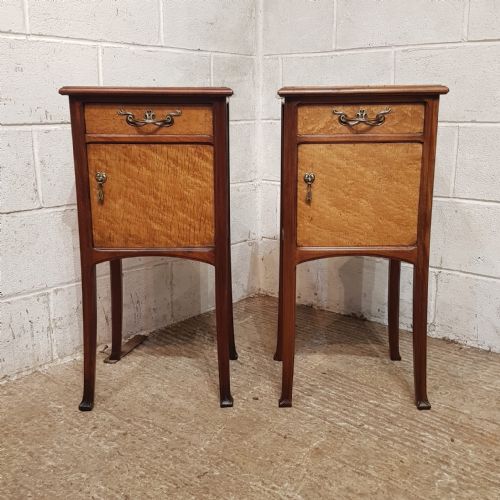
When you search for a 1920s burr walnut table, you encounter a distinct mix of geometric Art Deco forms and traditional revival styles. The pieces span desks, console tables, coffee tables, and occasional tables created during the Edwardian period and the decades either side of nineteen thirty.
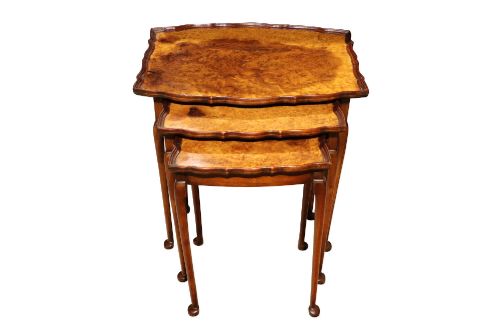
The material itself defines the visual appeal, showcasing complex, swirling grain patterns harvested from walnut trees. These tables range from serpentine fronted side tables and nests of three tables to circular occasional pieces and folding card tables.
How they were made
Cabinet makers applied thin slices of burr walnut veneer over solid timber carcases to display the decorative knot formations of the wood. Brass and leather often supplemented the timber structures, particularly on desks and specialised tables.
Construction techniques balanced traditional joinery with the sleek geometric requirements of the Art Deco movement. Workshops matched the swirling veneer patterns symmetrically across table tops and drawer fronts for visual impact.
The listings combine Edwardian and nineteen-thirties periods with materials including brass, leather, and timber alongside walnut veneer.
What varies in quality
The balance of the grain matching determines much of the visual success of a piece, separating harmonious designs from disjointed surfaces. Skilled bookmatching creates symmetrical patterns across a table top, whereas lesser examples show abrupt transitions in the timber.
The precision of the cabinet work and the integrity of the underlying veneer adhesion dictate the longevity of the furniture. Subtlety in the carving of revival legs or the crisp execution of modernist lines marks out superior workshops.
Harry And Lou Epstein
The 1920s Burr Walnut Table Glossary
- Burr walnut
- A prized wood harvested from the wart-like growths on walnut trees, yielding highly figured and convoluted grain patterns. It is typically sliced into thin veneers for cabinet work.
- Veneer
- A thin layer of superior wood applied over a base of cheaper timber to provide a decorative surface. This technique allows cabinet makers to utilise striking burls efficiently.
- Bookmatching
- A method of arranging veneer sheets adjacent to each other to create a symmetrical mirror image pattern. This technique enhances the natural symmetry of the wood grain.
- Art Deco
- A dominant design style of the nineteen twenties and thirties characterised by sleek geometric shapes, streamlined forms, and modern materials. It contrasts sharply with earlier revival aesthetics.
- Queen Anne style
- A revival design aesthetic referencing early eighteenth-century furniture, frequently utilised in the twenties for tables featuring cabriole legs and pad feet.
1920s Burr Walnut Table: Frequently Asked Questions
How do I identify a 1920s burr walnut table?
Look for the characteristic swirling, knot-filled grain patterns of burr walnut veneer applied to either geometric Art Deco forms or traditional revival frames. Construction details such as period handles, secondary timbers, and characteristic styling help anchor the piece to the nineteen twenties.
Examine the edges of the table top and drawer fronts to understand how the veneer was applied and whether the piece follows modernist lines or earlier revival proportions.
What styles are common in these tables?
The selection encompasses streamlined Art Deco designs alongside Queen Anne, Georgian, and Edwardian revival pieces. This creates a distinct visual contrast between curved cabriole legs and sharp modernist silhouettes.
Cabinet makers of the era drew heavily on both historical precedent and contemporary modernist movements when designing domestic furniture.
Where were these tables used originally?
These tables served various domestic functions in sitting rooms, studies, and entrance halls as console surfaces, card tables, or central coffee tables. Smaller occasional tables and nests provided flexible utility for entertaining.
Their varied forms allowed them to adapt to both formal reception rooms and more intimate parlour spaces of the period.
How should I care for burr walnut furniture?
Protect the polished veneer surfaces from direct sunlight and excessive moisture to prevent fading and lifting of the thin wood layers. Regular dusting with a soft, dry cloth preserves the original sheen without building up heavy wax residues.
Keep the furniture away from direct heat sources such as radiators to prevent the timber and veneer from drying out and cracking.