


1920s Rug
A 1920s antique rug brings enduring textile artistry and distinct regional patterns directly into a room.
1920s Rug
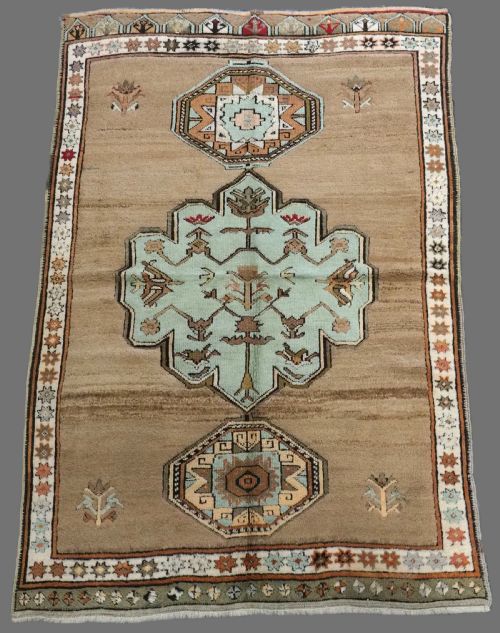
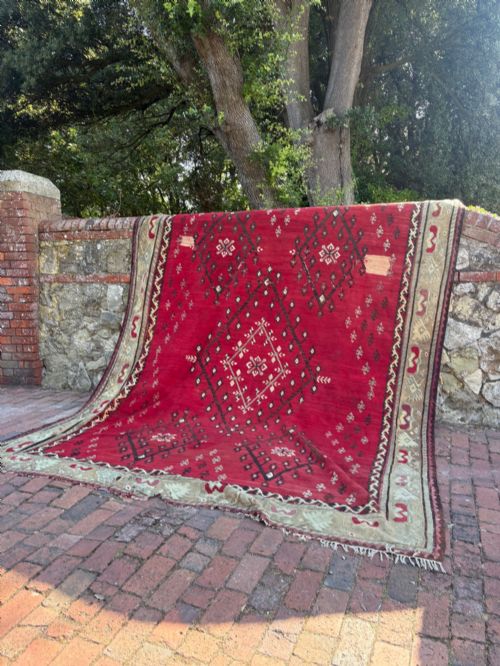
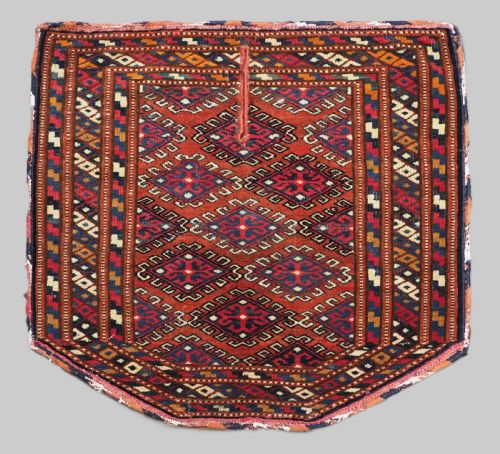
When searching for a 1920s antique rug, buyers encounter a diverse range of hand-knotted and flatwoven floor coverings originating from village, tribal, and urban workshops across Asia, the Middle East, and parts of Eastern Europe. These textiles include room-sized carpets, smaller area rugs, prayer formats, runners, and specialised nomadic storage bags or tent bands produced around 1920.
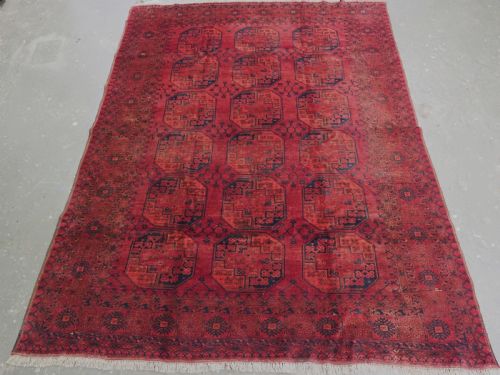
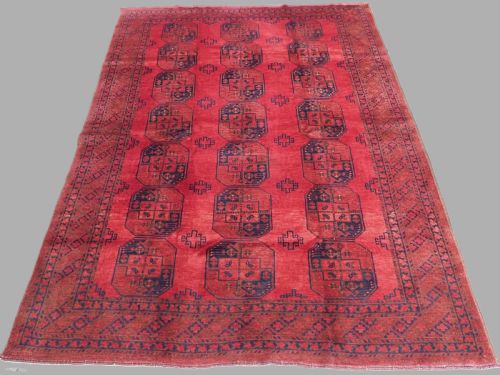
Buyers are most likely to meet village and tribal formats on this page, reflecting the strong representation of Afghan, Baluch, and Yomut pieces dating from the early decades of the twentieth century. These often display traditional prayer designs, such as mihrabs, or recurring geometric patterns rendered in wool and natural dyes.
Materials and technique
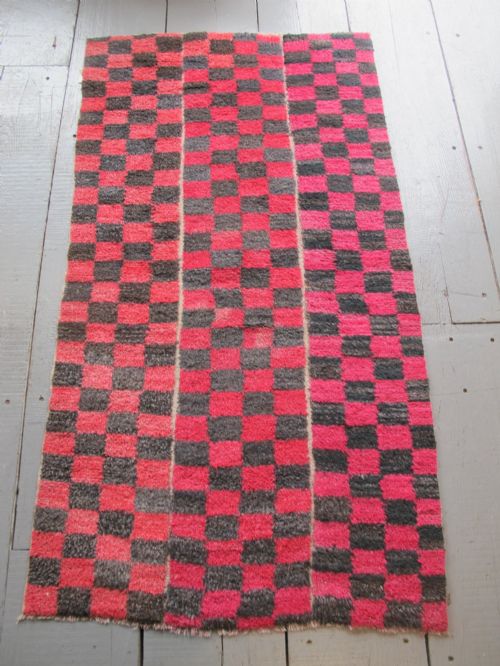
The pieces listed here rely primarily on wool, cotton, and camel wool, occasionally incorporating silk elements or Tibetan wool alongside natural dyes. Weavers formed the pile carpets using hand-knotted techniques, while flatweaves and kilims were produced as tapestry weaves without a pile.
Foundations commonly consist of cotton or wool warps and wefts, providing structural stability for dense hand-knotting. Specialised textiles such as Uzbek suzanis utilise silk embroidery stitched onto cotton or wool grounds.
One rug carries a specific date woven directly into the wool corresponding to 1928.
Variations in quality
Quality in these textiles depends heavily on the precision of the hand-knotting or flatweaving technique and the integrity of the materials used. Finer knot density allows for sharper definition in intricate floral or geometric designs, while robust construction ensures durability in heavy-wear formats.
The depth and character of the palette also distinguish individual examples, particularly where natural dyes have aged to produce a soft, faded patina over time. Variations in wool quality, from standard sheep's wool to soft camel wool or lustrous silk, further divide commercial utility from finer collector pieces.
Benlian
The 1920s Rug Glossary
- Kilim
- A flatwoven carpet or rug produced without a pile by tightly interweaving warp and weft strands. These versatile textiles often feature bold geometric patterns and were traditionally used as floor coverings, wall hangings, or storage covers.
- Mihrab
- A niche design element found predominantly on prayer rugs, representing the direction of prayer. Regional variants include single, double, or triple mihrab formats decorated with stars or floral motifs.
- Warp
- The vertical threads stretched tightly on a loom before weaving or knotting begins. The visible ends of these threads frequently form the fringe of a finished rug.
- Weft
- The horizontal threads passed alternately over and under the warp threads to hold the knots or flatweave structure in place. Together with the warp, they form the foundational grid of the textile.
- Suzani
- A type of embroidered tribal textile originating from Central Asia, typically featuring silk needlework on a cotton or wool ground. They were traditionally created as part of a bride's dowry in formats including prayer designs.
1920s Rug: Frequently Asked Questions
What is a prayer rug?
A prayer rug is a smaller format textile traditionally used by individuals for daily prayers, distinguished by a central niche design known as a mihrab. These pieces often feature directional motifs indicating orientation during use.
In domestic settings, they function effectively as small accent rugs or wall-mounted textiles rather than heavy-traffic floor coverings.
How do tribal rugs differ from workshop carpets?
Tribal and village rugs are produced by nomadic or semi-nomadic weavers working from memory or traditional local motifs, resulting in spontaneous geometric patterns and robust wool construction. Workshop carpets, by contrast, are made in established urban centres following precise pre-planned cartoons.
This distinction generally separates the more rustic, asymmetrical charm of village pieces from the refined symmetry of city workshop production.
Where were flatweave kilims used?
Flatweave kilims served diverse practical functions within nomadic and village households, acting as lightweight floor coverings, blankets, animal trappings, and durable storage sacks. Their lack of a pile made them easily transportable and practical for migration.
Today, collectors appreciate their graphic designs and versatility for layering on modern floors.
How do you identify a Baluch rug?
Baluch rugs typically present darker colour palettes dominated by deep reds, browns, and midnight blues, often accented with geometric repeat patterns and nomadic symbols. They frequently appear in smaller dimensions, including prayer formats and functional bags.
Examining the weave structure and distinctive border designs helps separate these tribal pieces from larger urban carpets.