

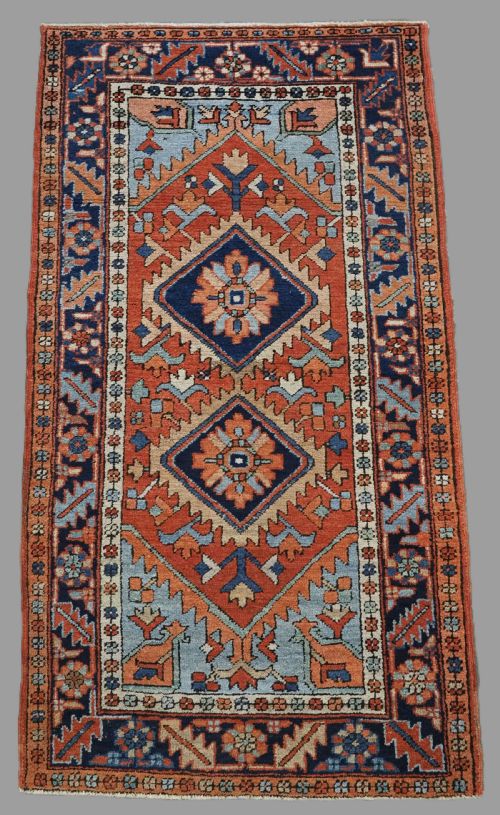
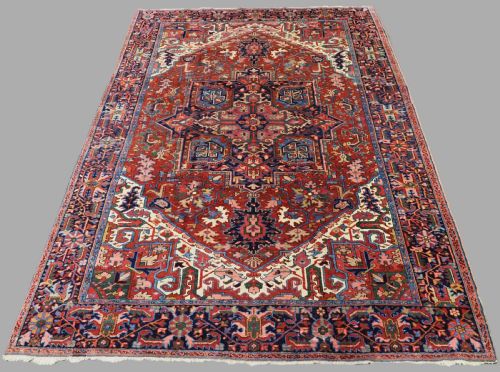


1900s Wool Area Rug
When you search for a 1900s wool area rug, you are exploring dense, hand-woven floor coverings from Persian, Caucasian, and Turkmen traditions.
1900s Wool Area Rug
A 1900s wool area rug encompasses traditional tribal and village weaves produced across Persia, the Caucasus, and Anatolia around the turn of the twentieth century. These textiles include everything from small prayer rugs and runner formats to large room-size carpets woven by nomadic and settled makers.
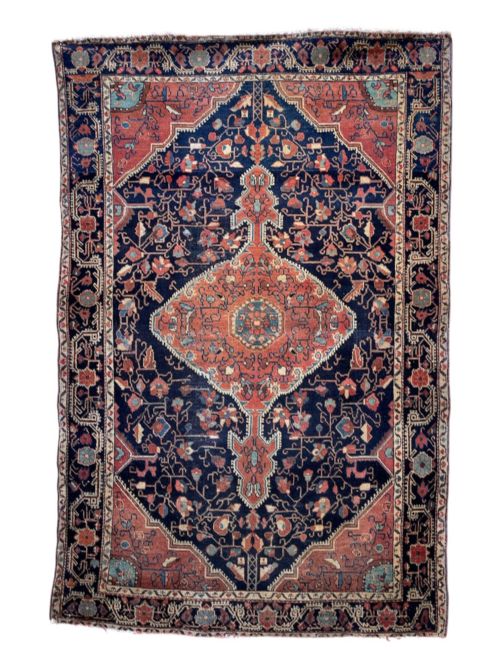
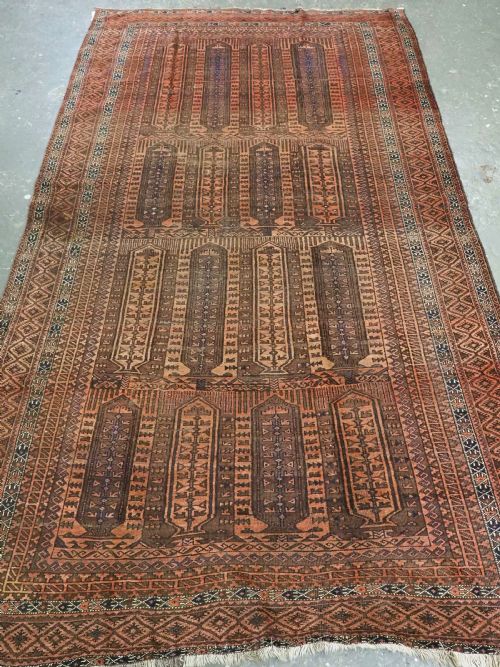
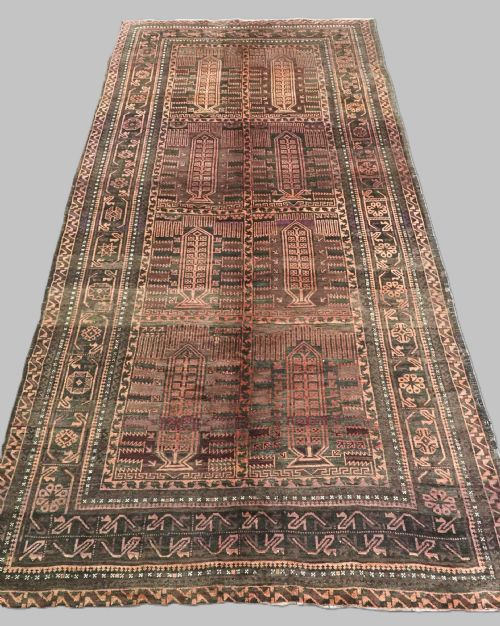
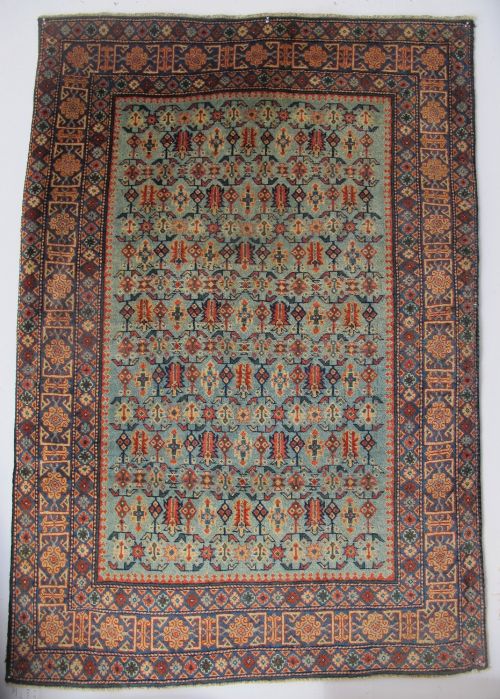
The regional styles visible on this page range from geometric Caucasian Kazak and Shirvan designs to intricate Persian Isfahan and Heriz pieces, alongside distinct Turkmen tribal guls. Buyers frequently encounter Baluch and Qashqai works featuring classic motifs like boteh, medallion layouts, and prayer arches.
Nomadic groups and village workshops utilised local wool, cotton foundations, and traditional vegetable dyes to create durable floor coverings intended for daily domestic use. Surviving examples reflect the specific cultural iconography and weaving techniques of their distinct geographical origins.
How They Were Made
Weavers constructed these rugs primarily using hand-spun wool for the pile, often combined with cotton foundations for warp and weft threads to ensure structural stability. Selected pieces also incorporate elements of silk and camel hair to add textural contrast and fine detail to the design.
Natural dyes provided the rich palette of reds, indigos, and aubergine grounds seen across the regional types, yielding soft, harmonious patination as the textiles aged. Skilled hands knotted the wool onto vertical looms, employing symmetrical or asymmetrical knot densities depending on the tribal or workshop tradition.
Nomadic weavers frequently added small accidental colour shifts, known as lazy lines, where daylight faded before a row finished.
What Varies in Quality
Quality in these floor coverings depends heavily on the fineness of the weave, the precision of the knotting, and the complexity of the rendered design. Tighter foundations and higher knot counts generally indicate greater workshop skill and durability.
The vibrancy and integrity of the dye materials also dictate the upper tiers of the range, where natural dyes retain their depth and character across decades of wear. Additionally, the balance of the composition and the clarity of regional motifs distinguish superior examples from standard village production.
The 1900s Wool Area Rug Glossary
- Boteh
- A traditional almond-shaped or paisley motif representing a floral spray or cypress tree. This symbol appears frequently in Persian and Caucasian rug designs.
- Gul
- An octagonal or medallion-like tribal motif used extensively by Turkmen weavers. Each pattern often identifies a specific clan or sub-tribe.
- Mihrab
- A stylized niche design representing the prayer focal point, commonly found in Islamic prayer rugs. It directs the orientation of the textile during use.
- Warp
- The vertical foundation threads stretched tightly on the loom before knotting begins. Cotton and wool are typical materials for these structural elements.
- Kilim
- A flat-woven carpet produced without a pile by tightly interweaving warp and weft strands. These pieces offer lightweight versatility and sharp geometric patterns.
1900s Wool Area Rug: Frequently Asked Questions
Where should I place a antique rug?
These woven textiles suit low-traffic living areas, studies, and bedrooms where their historical character and natural fibres receive adequate protection from heavy wear. Placing them away from direct, strong sunlight preserves the subtle tones of the natural dyes.
Underlay padding helps prevent slipping on hard floors while reducing friction between the wool pile and the underlying surface. This support extends the active lifespan of the foundation threads during everyday domestic use.
How do I clean my wool rug?
Regular gentle vacuuming without a rotating brush roll removes surface grit before it settles deep into the wool pile. Professional cleaning by specialists in antique textiles remains necessary for periodic deep washing.
Water and harsh chemical detergents damage natural dyes and weaken cotton foundations. Immediate blotting with a dry cloth handles accidental spills safely without rubbing the fibres.
How do I identify regional styles?
Regional styles reveal themselves through distinct colour palettes, border structures, and characteristic geometric or floral motifs. Caucasian pieces tend to show bold, angular polygons, while Persian workshop rugs often display flowing medallions.
Examining the weave structure, knot type, and materials used in the foundation provides further clues to geographic origin. Comparing specific tribal guls or border guards links a textile to groups like the Baluch, Qashqai, or Turkmen.