
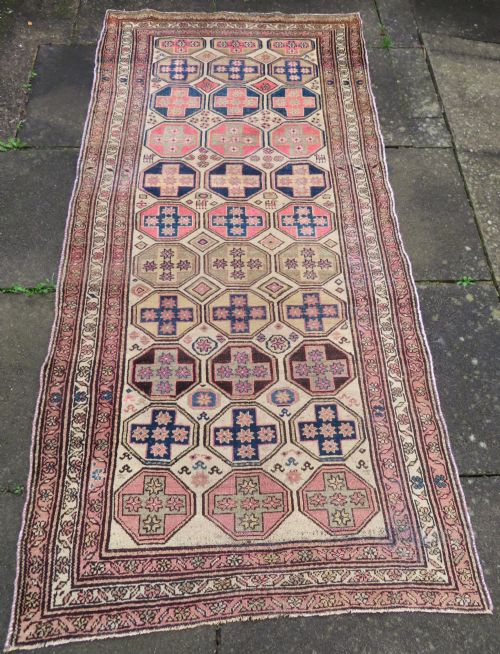
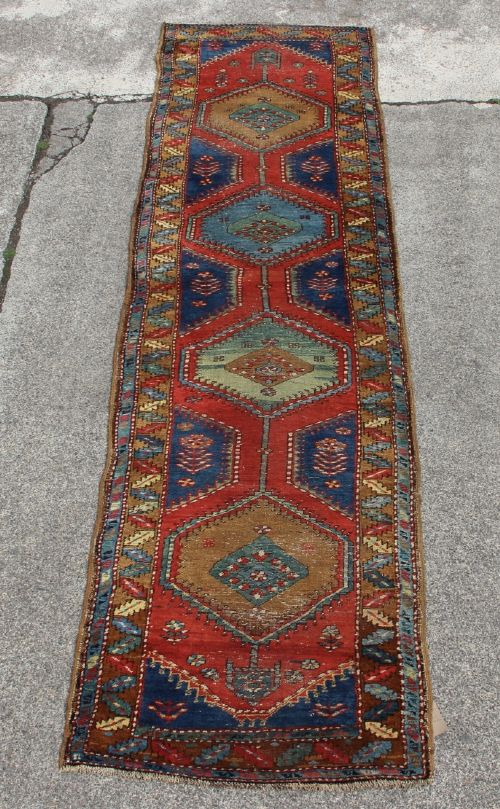
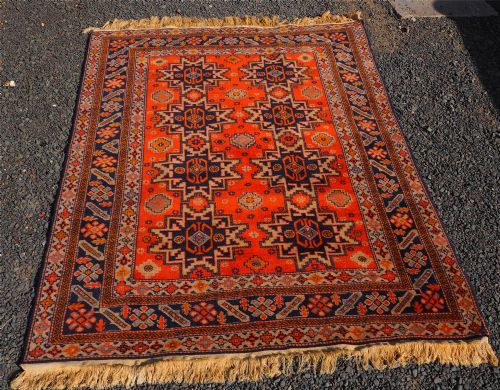
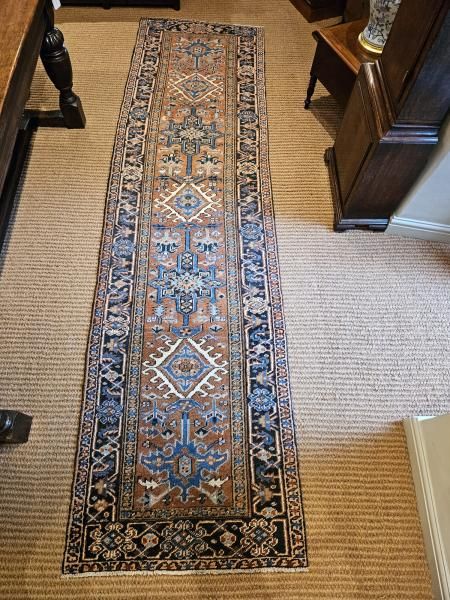
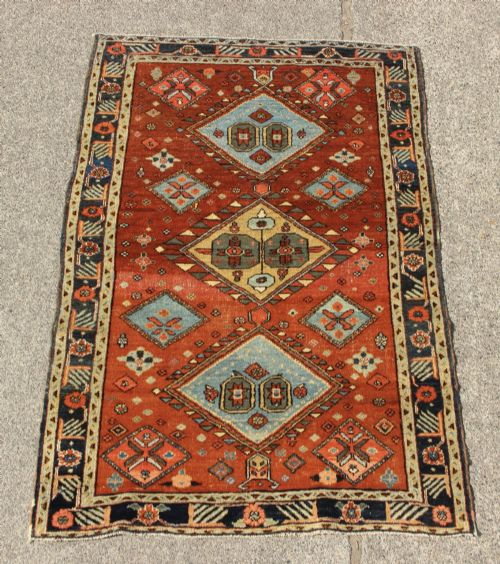
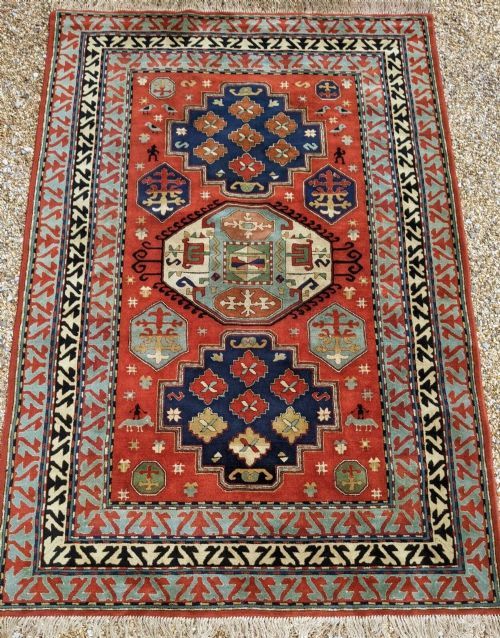
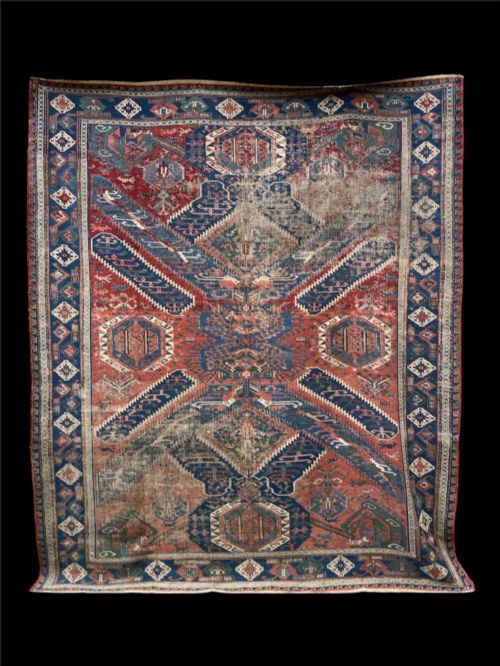
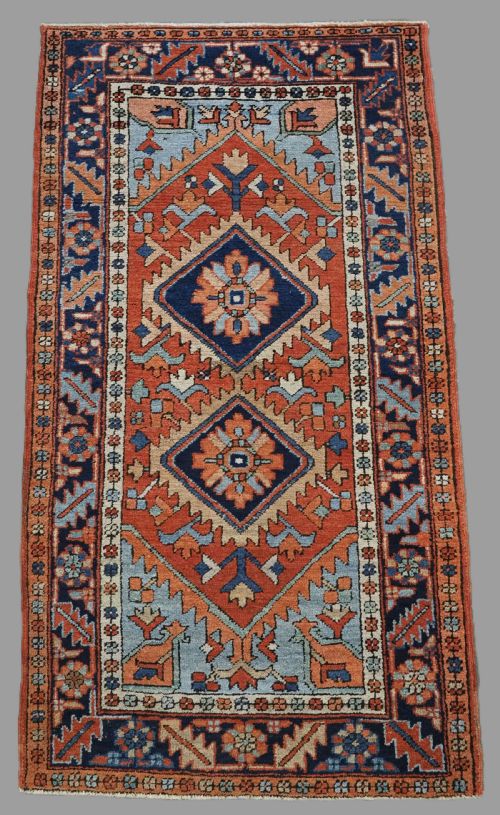




Terracotta Caucasian Carpet
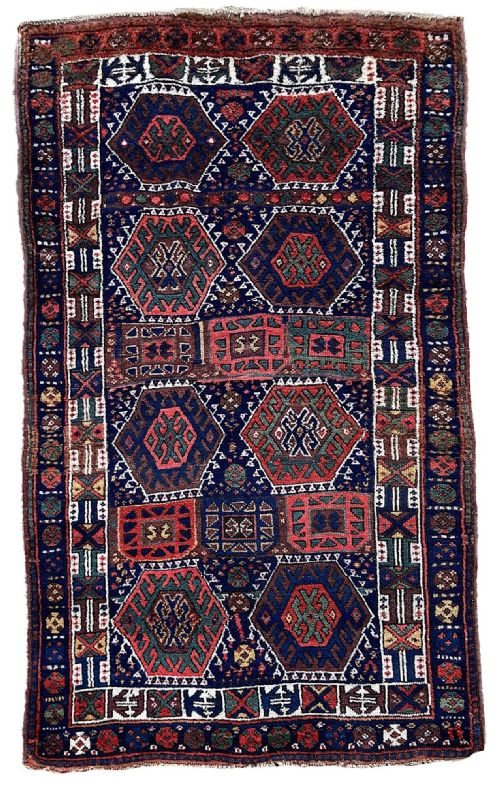
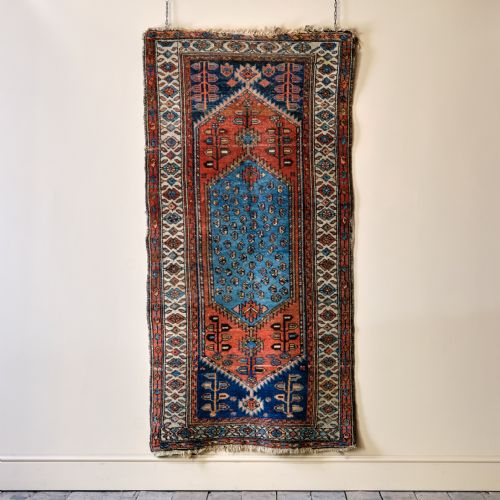
A terracotta caucasian carpet brings robust geometry and rich earthen tones into a room, offering durability and striking tribal motifs.
Terracotta Caucasian Carpet
A terracotta caucasian carpet represents traditional weaving traditions originating from the Caucasus region, spanning the nineteenth and early twentieth centuries. These pieces typically manifest as rugs, runners, and carpets featuring bold geometric patterns and distinctive tribal iconography.
The selections available here showcase regional diversity, including specific types such as Kazak, Shirvan, and Kuba pieces alongside Kurdish and Persian tribal variants. Buyers encounter formats ranging from small prayer rugs to long room runners created during the late nineteenth and early twentieth centuries.
Materials and construction methods
Weavers utilised natural wool and hand-spun wool for the pile and foundation yarns, often paired with cotton for structural warp and weft threads. Hand-knotted and hand-woven techniques ensure dense, resilient textiles capable of enduring decades of daily use.
Natural dyes provide the characteristic palette, yielding deep terracotta reds, mellow tones, and contrasting hues that age gracefully. Artisans employed traditional knotting methods passed down through generations within tribal and village workshops.
Certain animal designs incorporate unexpected local fauna alongside traditional geometric motifs, bringing a touch of rural character to the weave.
Factors determining quality
Knot density and structural tightness dictate the resilience and crispness of the geometric design work. Higher quality examples display precise execution of intricate motifs, straight borders, and well-balanced proportions across the field.
The purity and complexity of the natural dye palette influence the visual depth of the textile. Pieces retaining vibrant yet harmonious secondary colours alongside a substantial wool pile stand apart from simpler or heavily worn variants.
The Terracotta Caucasian Carpet Glossary
- Pile
- The vertical surface of yarn standing up from the foundation of the carpet, formed by individual knots. This layer absorbs foot traffic and displays the primary design.
- Warp
- The stationary vertical threads stretched onto the loom before weaving begins, forming the underlying skeleton of the carpet. The fringe at either end of the rug consists of these exposed threads.
- Weft
- The horizontal threads passed back and forth across the warp threads to lock the rows of knots in place. Proper tension in the weft ensures the structural stability of the textile.
- Sumak
- A flat-weaving technique where coloured weft threads are wrapped around the warp threads to create a textured, durable surface without a raised pile. This method produces crisp geometric lines and reversible fabrics.
- Gul
- A medallion or repeating floral-octagon motif found frequently in tribal and nomadic rugs. These repeating emblems often identify the specific weaving tribe or geographic origin.
Terracotta Caucasian Carpet: Frequently Asked Questions
How do I care for an old rug?
Vacuum gently using suction attachment without the rotating brush bar to protect the wool pile from excessive friction. Professional specialist cleaning maintains the integrity of natural dyes.
Keep the textile out of direct sunlight to prevent fading of the terracotta pigments and rotate the placement periodically to ensure even wear across the surface.
Where were these carpets made?
Weavers produced these textiles across the Caucasus region, encompassing areas between the Black Sea and the Caspian Sea. Villages, nomadic camps, and regional market towns each developed distinct local aesthetics.
Nearby regions in Persia and Anatolia also contributed stylistically similar tribal weavings, sharing motifs and techniques with Caucasian workshops.
Are these carpets suitable for hallways?
Many examples take the form of long runners designed specifically for corridors, stairways, and narrow transitional spaces. The dense wool construction provides a durable surface that withstands frequent foot traffic.
Placing an appropriate underlay beneath the runner prevents slipping and cushions the wool foundation against hard flooring.
How do I identify the age?
Dating relies on examining structural characteristics, material preparation, and dye chemistry typical of specific decades. Hand-spun wool and natural dye palettes generally point toward production before synthetic aniline dyes became widespread.
Stylistic conventions, such as specific medallion structures and border arrangements, provide further clues linking the piece to nineteenth or early twentieth century production periods.