


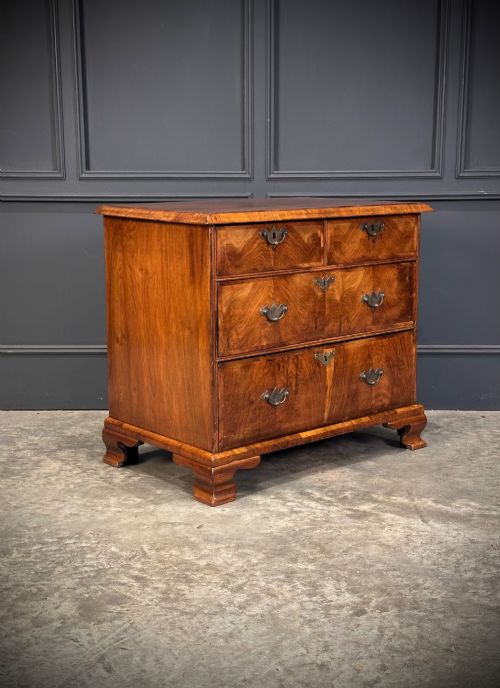
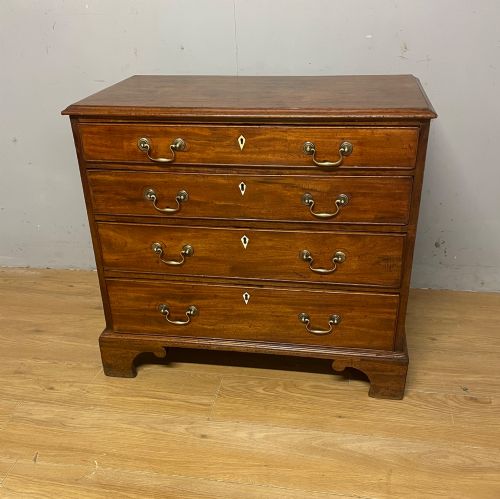
18th Century Wooden Tallboy
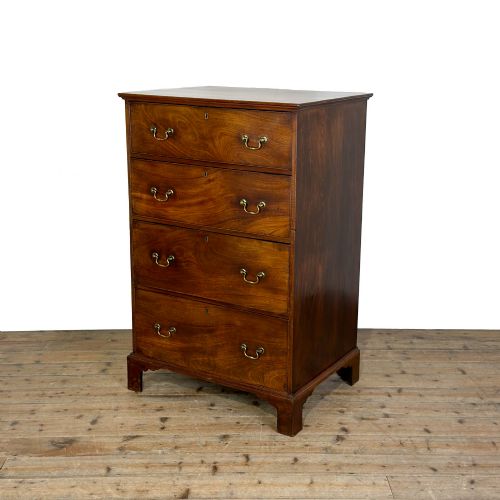
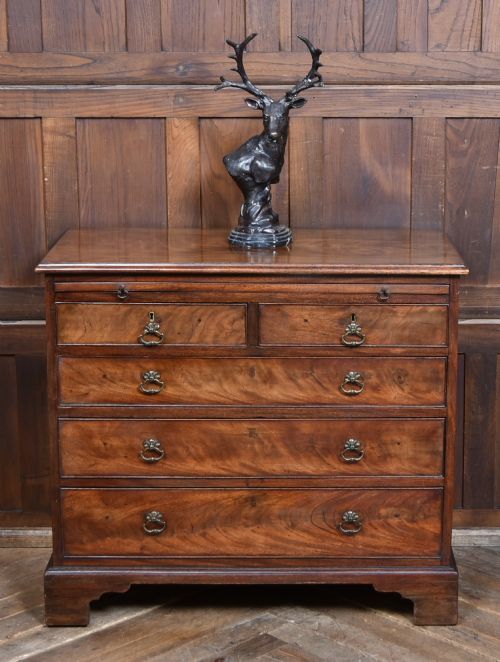
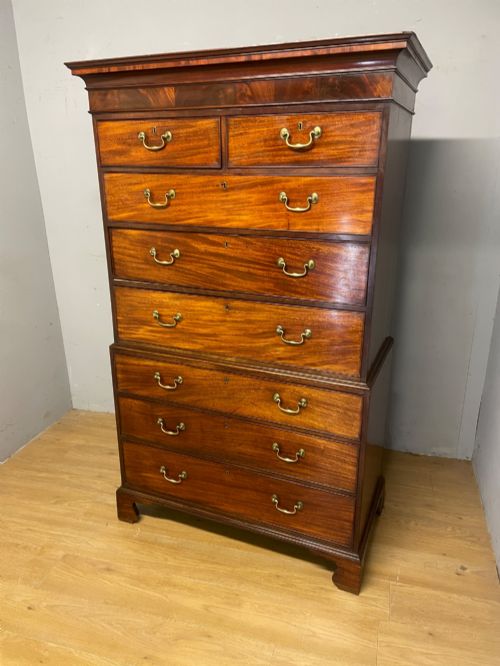
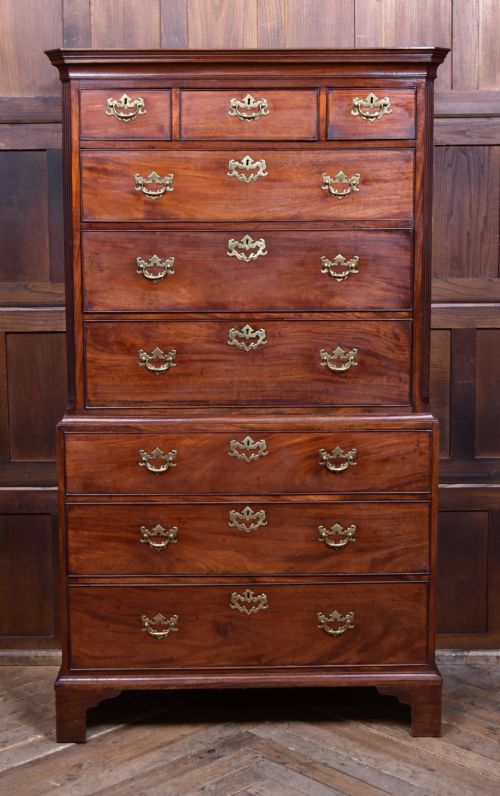
An 18th century wooden tallboy offers monumental vertical storage with unmatched timber grain, bringing both stately presence and practical capacity to a bedroom.
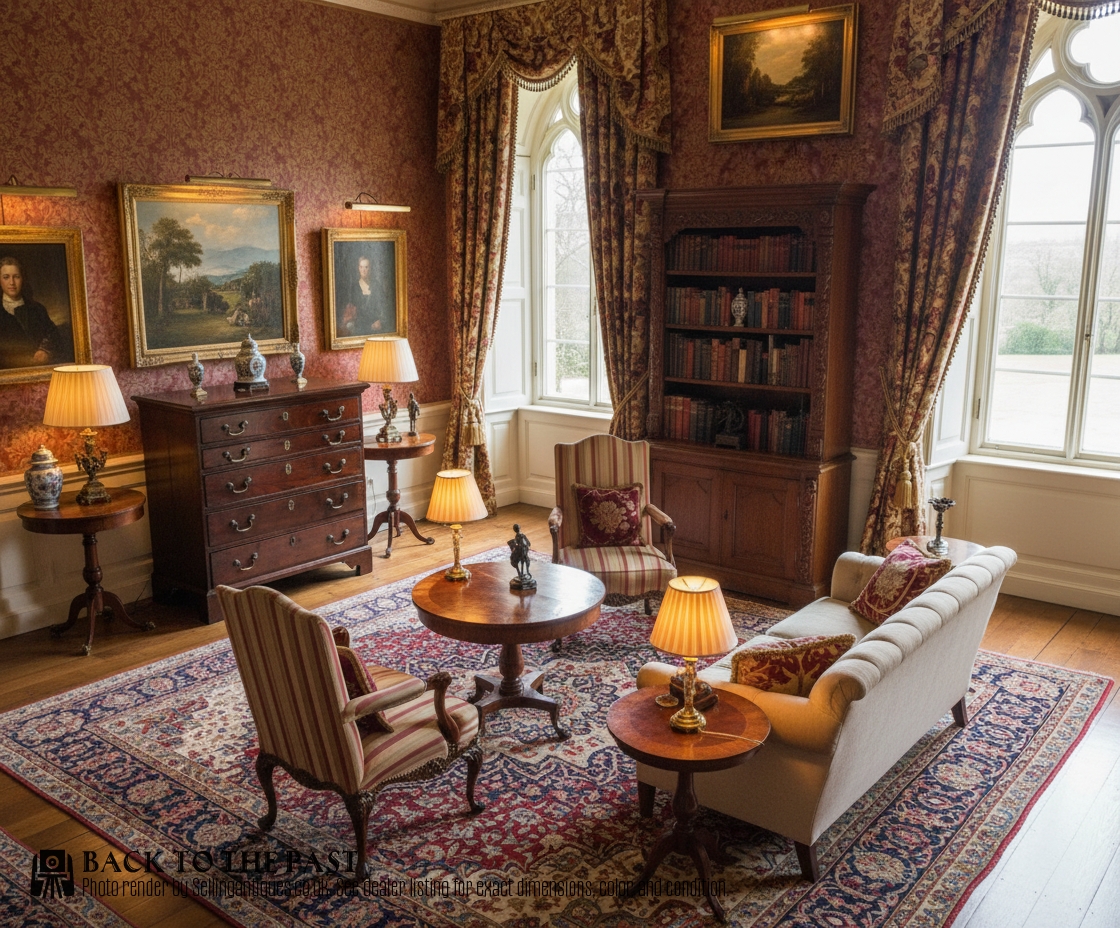
18th Century Wooden Tallboy
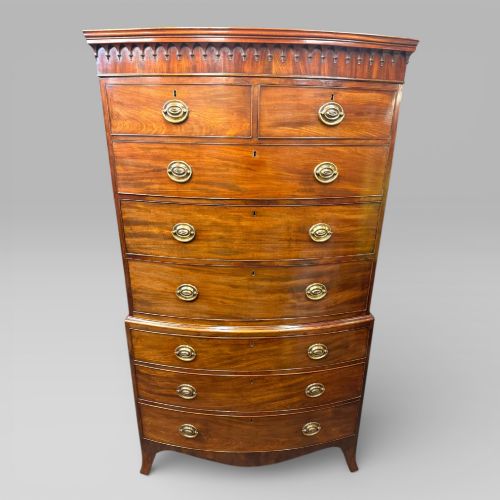
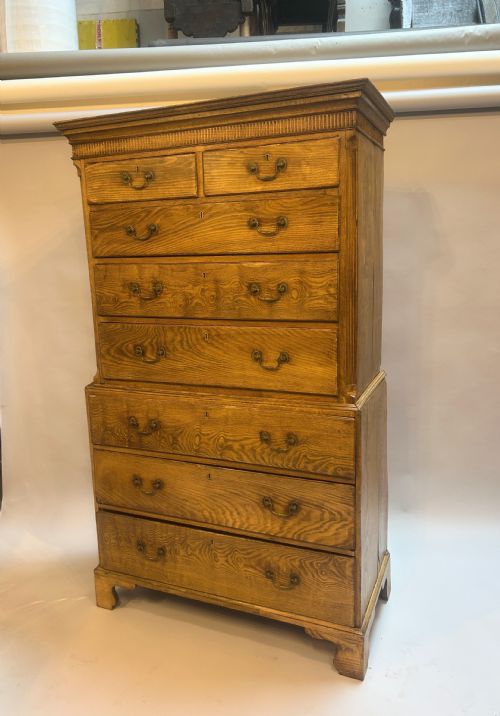
An 18th century wooden tallboy is a commanding storage piece designed to hold garments and linens across multiple stacked sections. When exploring this phrase, buyers encounter forms that range from upright chests of drawers to chests on stands and linen presses.
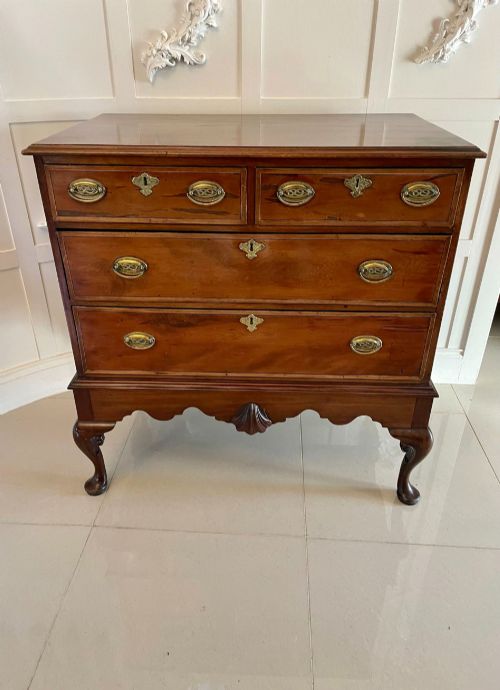
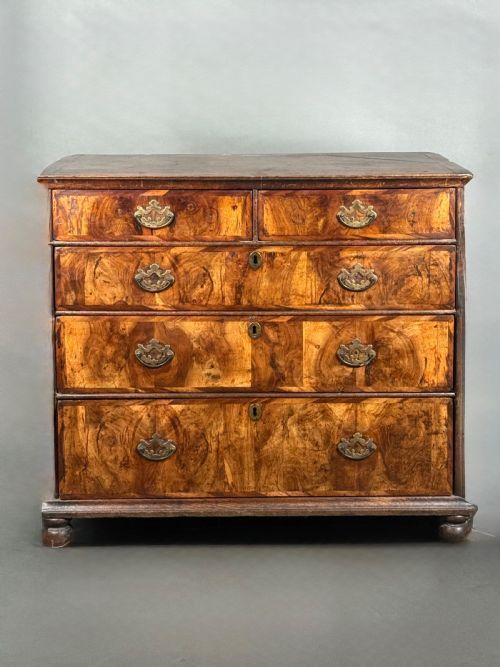
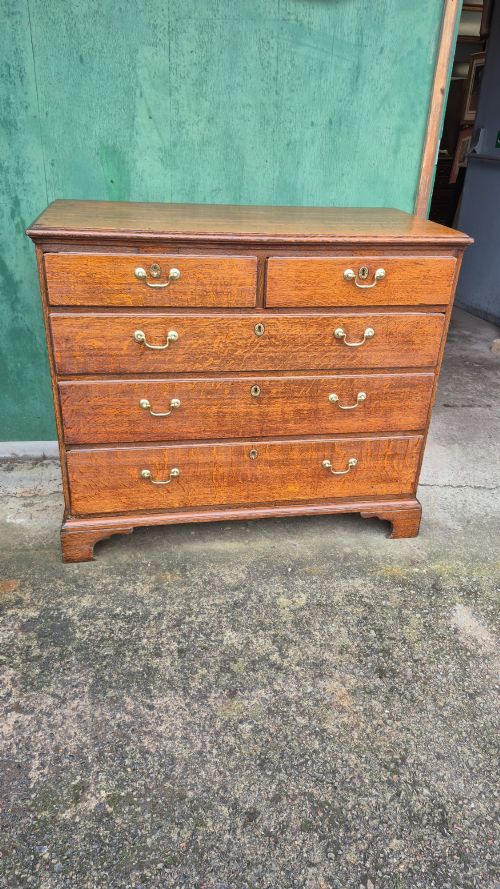
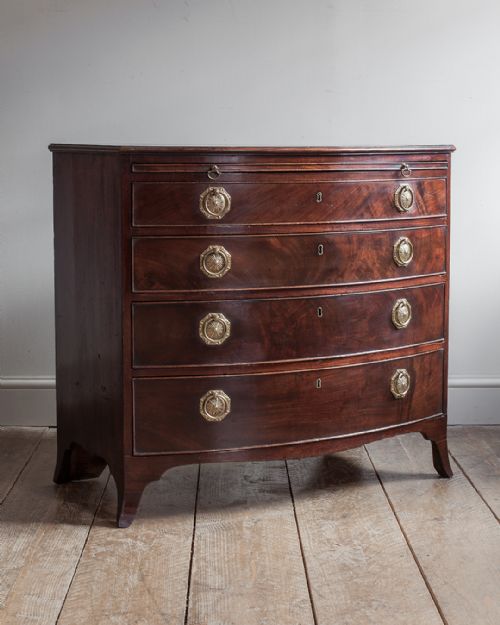
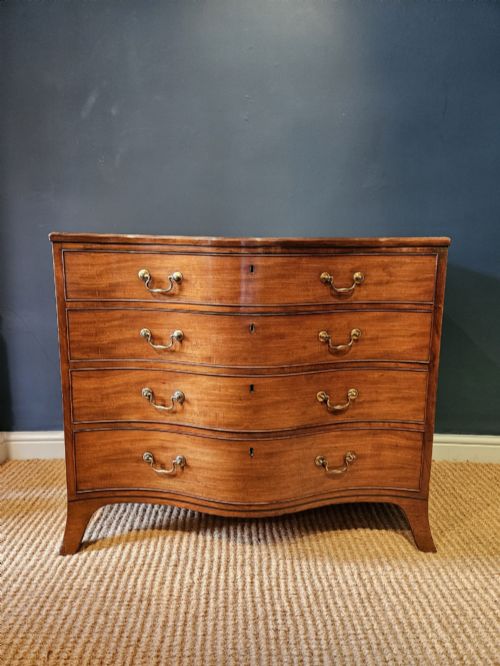
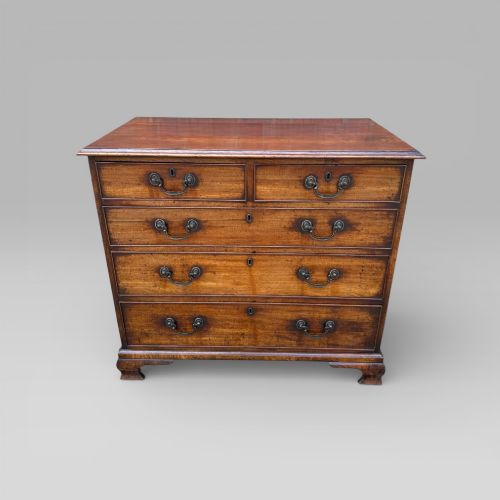
The pieces recorded on this page stretch primarily across the Georgian and Queen Anne periods, alongside examples from the 19th century and Edwardian eras. Oak, mahogany, and walnut dominate the structural forms, often shaped into serpentine or bow-front profiles.
Materials and Construction
Cabinet makers utilised dense native and imported timbers, shaping mahogany, oak, and walnut into robust carcases. Fruitwood inlay, ebony, bone, and marquetry details ornament the surfaces of select examples.
Drawers incorporate solid timber linings fitted with brass handles and pulls, while geometric mouldings and herringbone banding define the period aesthetic.
Listings span several eras, including the 18th Century, Georgian, 19th Century, Edwardian, and 1920 periods.
Assessing Quality and Craftsmanship
Superior examples display crisp moulding work and carefully selected timber veneers, such as figured walnut or crossbanded mahogany. The integration of original brass hardware and well-fitted drawer runners elevates the standing of a piece.
Proportion and structural integrity separate standard utility pieces from exceptional cabinet work, particularly in complex forms like serpentine fronts or Dutch marquetry tall chests.
J Moorcroft
The 18th Century Wooden Tallboy Glossary
- Tallboy
- A tall chest of drawers, often constructed in two sections with an upper cabinet resting on a lower base.
- Brushing slide
- A pull-out shelf integrated into the furniture fascia, historically used for folding clothes or writing.
- Marquetry
- Decorative veneer work arranged in intricate patterns using various coloured woods and organic materials.
- Crossbanding
- A narrow strip of veneer laid perpendicularly to the main grain to frame a drawer front or top.
- Serpentine front
- A furniture front curving outward in the centre and inward at the sides in a gentle wave.
18th Century Wooden Tallboy: Frequently Asked Questions
What is an 18th century wooden tallboy used for?
These tall pieces serve primarily as substantial clothes storage units, combining drawer space for folded garments with deep compartments.
Historically, households utilised them in bedrooms and dressing rooms to maximise vertical floor space while keeping textiles organised.
How do I identify a George III tallboy?
George III pieces typically showcase rich mahogany timber, straight or serpentine drawer fronts, and classical brass hardware.
Examine the construction of the drawers and the crispness of any moulding to confirm the period characteristics.
What wood types appear on these chests?
The listings feature a strong representation of mahogany, oak, and walnut, often enhanced by fruitwood inlay or crossbanding.
Secondary woods and structural elements occasionally include cedar or fruitwoods depending on the origin.
How should I care for an antique tallboy?
Keep the wood conditioned with appropriate traditional wax and protect the surface from direct sunlight and moisture fluctuations.
Avoid harsh chemical cleaners to preserve the original timber patina and historic brass fittings.