


18th Century Wingback
An 18th century wingback brings draught-excluding comfort and classic Georgian proportion to a room.

18th Century Wingback
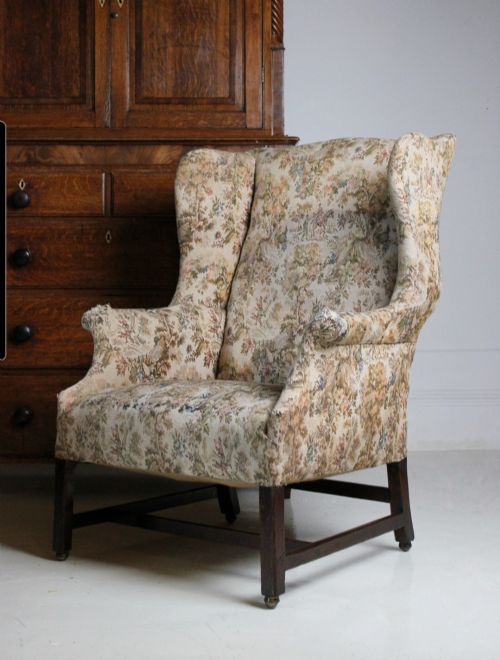
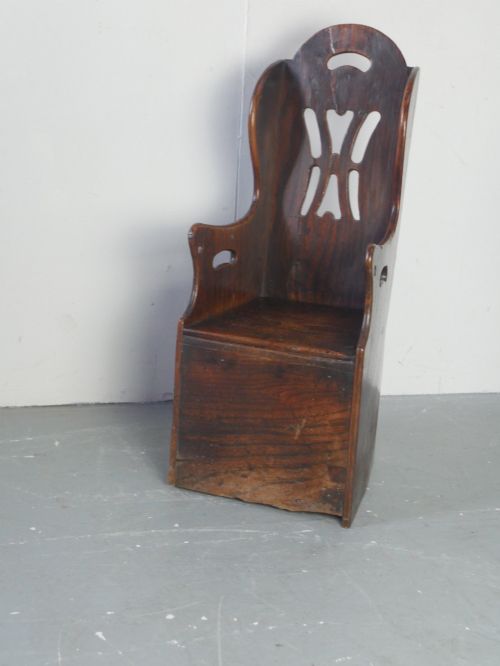
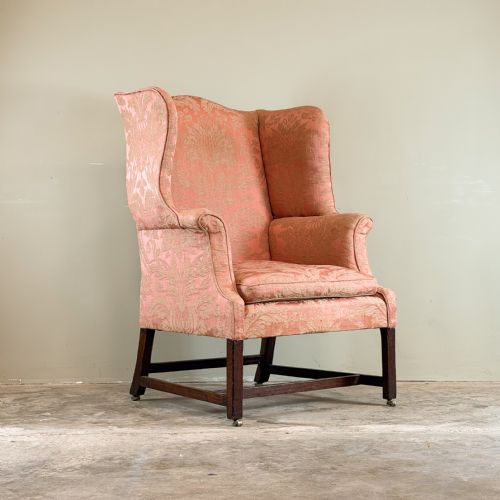
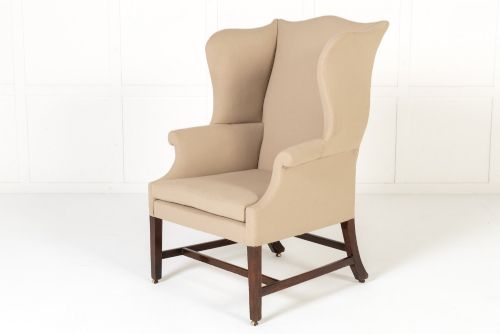
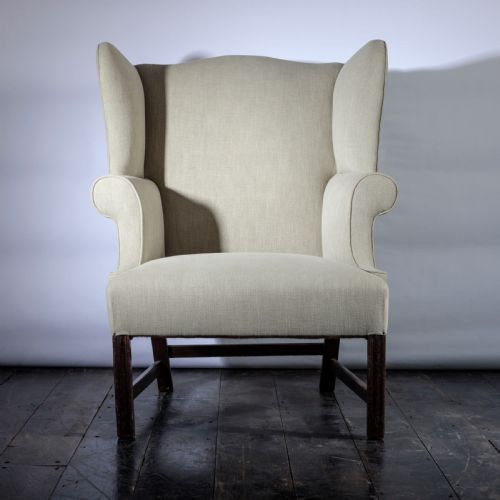
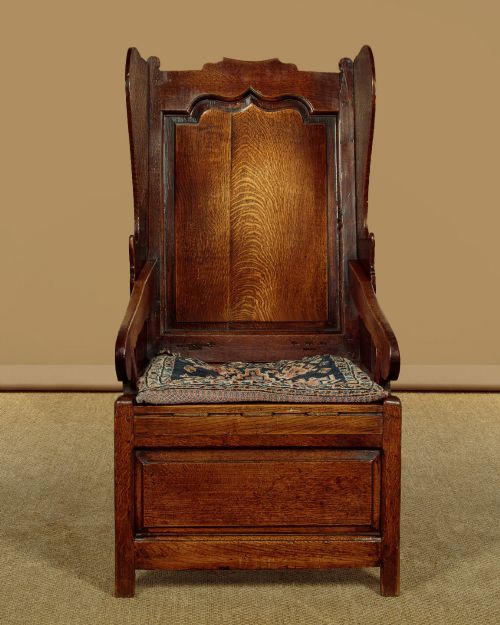
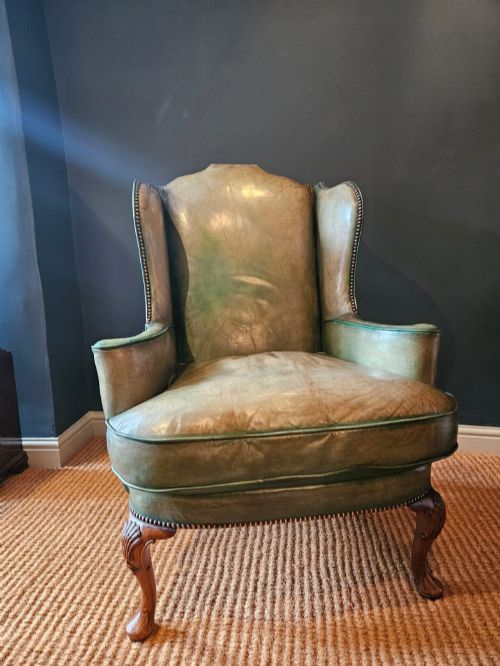
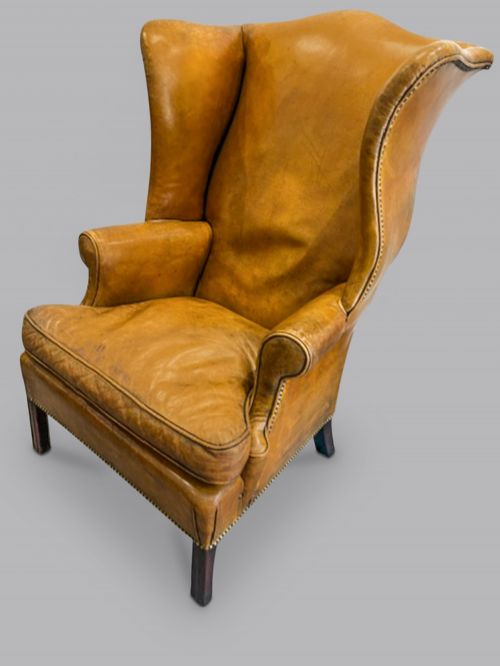
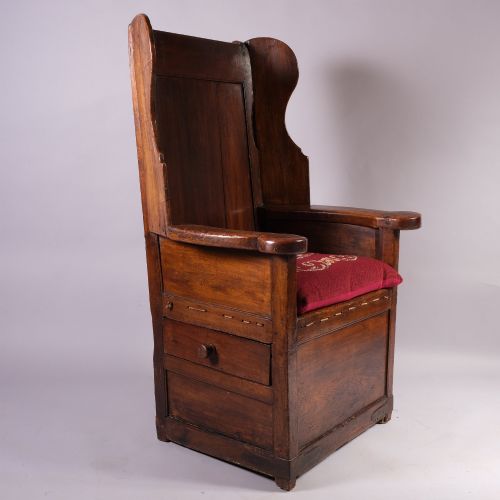
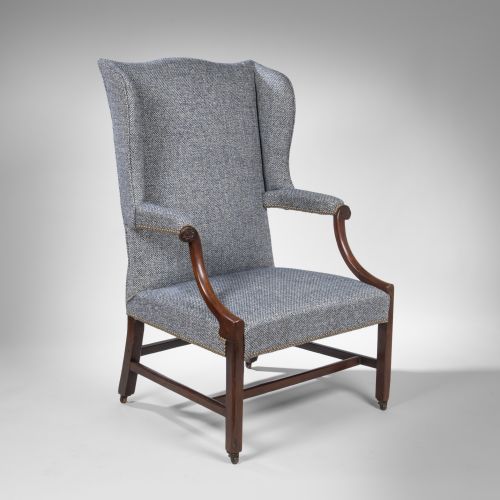
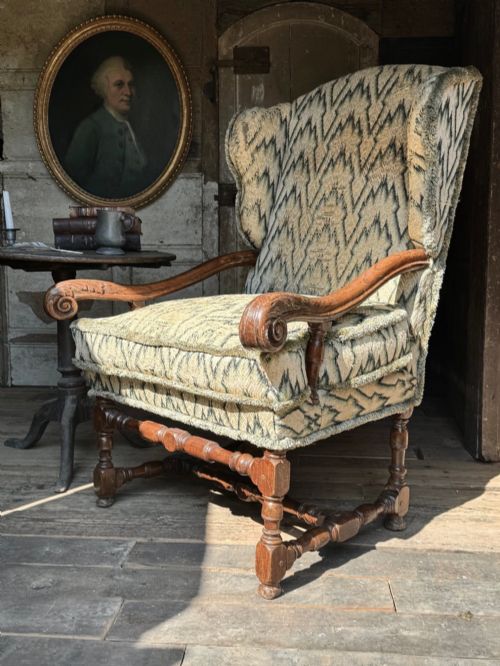
An 18th century wingback is an armchair designed with protective side panels on the back, originally conceived to shield the sitter from draughts near an open hearth. The examples found here span the periods of Queen Anne, George II, and George III, alongside country variants such as lambing chairs and settles. Mahogany and walnut form the structural timber base of the formal Georgian pieces, while oak appears frequently in vernacular country forms.
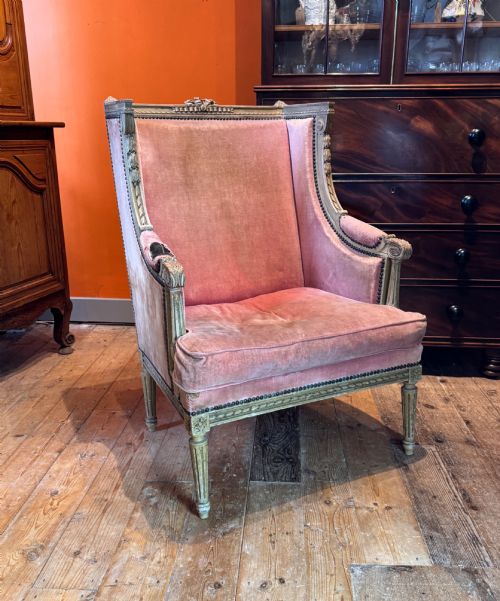
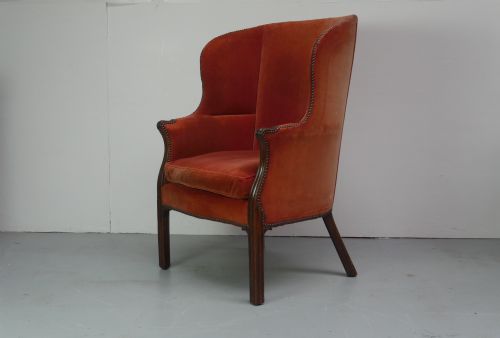
The primary form encountered is the upholstered armchair, accompanied by occasional barrel back variants where the arms curve continuously into the winged back. Proportions range from neat children's chairs to large-scale seating designed for library reading or fireside placement. Regional variations, including pieces executed in the Irish manner, display distinct regional carving traits upon the woodwork.
Materials and Construction
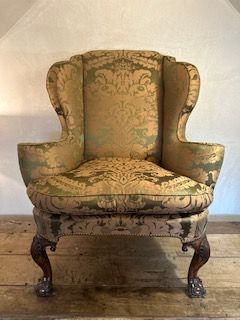
Makers constructed the frames predominantly from solid hardwoods such as mahogany, walnut, oak, and elm, relying on traditional joinery to support the substantial weight of the upholstered structure. Cabriole legs appear extensively on walnut and mahogany examples, sometimes terminating in pad feet or carved details.
Upholstery historically involved horsehair and webbing beneath a top layer of leather, fabric, damask, velvet, or linen. Brass upholstery tacks often secure the outer edges of the covering materials to the wooden frame, while original paint surfaces survive on specific provincial French pieces.
18th Century Wingback Retail Price Guide 2026
Typical asking prices for 18th century wingback among the pieces listed under this phrase on Sellingantiques today, from the lower quarter to the upper quarter. They describe what is for sale here now, not the wider market.
Several chairs include diminutive children's variants, proving that even toddlers required strict draught protection by the 18th-century hearth.
Factors of Quality
The refinement of the wooden frame dictates the distinction between ordinary utility seating and top-tier examples. Crisp carving on the knees of cabriole legs, elegant sweep of the wings, and robust framing timber demonstrate superior cabinetmaking skill.
The integrity of the structural frame and the retention of original timber components carry more weight than modern upholstery work, which is frequently renewed over centuries of use.
The 18th Century Wingback Glossary
- Cabriole leg
- A furniture leg that bends outward in a convex curve and tapers inward in a concave curve, ending in a pad or foot. This form is typical of Georgian walnut and mahogany seating.
- Barrel back
- An armchair style featuring a semicircular upholstered back that curves continuously into the arms. It provides enclosing protection against draughts.
- Damask
- A reversible figured fabric traditionally woven with patterns visible on both sides in contrasting sheens. It appears frequently as a formal upholstery choice for Georgian armchairs.
- Settle
- A wooden wooden bench featuring a high back and solid arms to block cold air. Some regional variants incorporate concave barrel backs and panelled construction.
18th Century Wingback: Frequently Asked Questions
What is an 18th century wingback chair?
An 18th century wingback chair is a fully upholstered seating form featuring protective side panels designed to trap heat and block room draughts.
These chairs were traditionally placed beside fireplaces or used as reading chairs in libraries during the Georgian period.
How do I identify a George III wing chair?
George III wing chairs typically display straight mahogany legs, often connected by stretchers, or feature graceful cabriole legs from the earlier part of the reign.
The woodwork may show fine carving details such as patinated mahogany frames and traditional joinery methods.
What is a lambing chair?
A lambing chair is a vernacular country seating form, usually constructed from solid oak or elm with enclosed sides and a protective high wing.
These pieces reflect rural 18th century craftsmanship, prioritizing functional warmth and sturdy construction over formal ornamentation.
How were these armchairs upholstered originally?
Original upholstery techniques involved heavy linen foundations, horsehair stuffing, and durable top covers secured with brass tacks.
Surviving examples frequently feature later reupholstery in leather, velvet, damask, or printed cotton to preserve the functional use of the chair.